
Main Courses
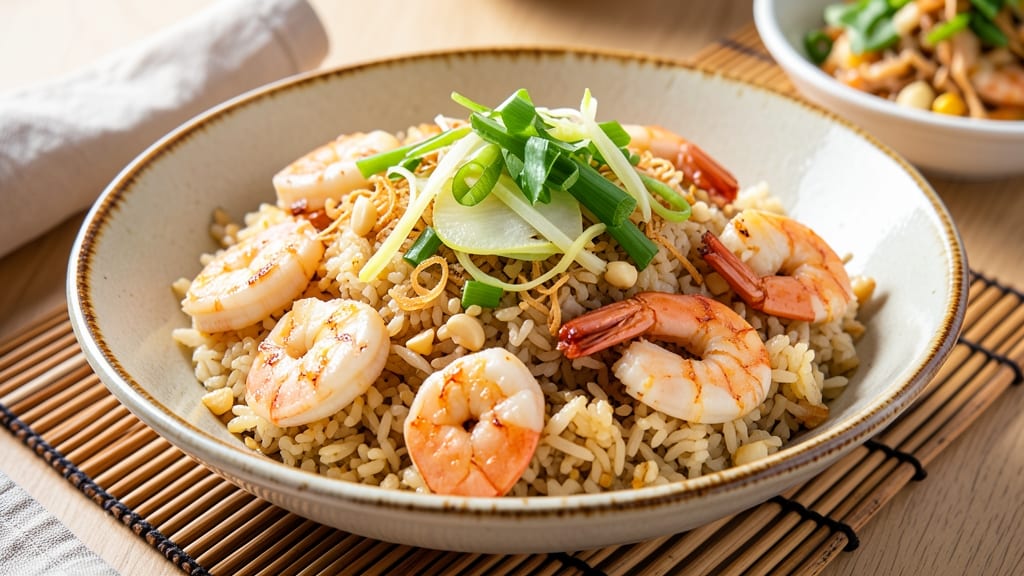
This Chinese seafood fried rice recipe delivers restaurant-quality wok-hei flavor with tender shrimp, plump scallops, and a fragrant five-spice crunch that transforms simple ingredients into an unforgettable meal. The secret lies in high-heat stir-frying and proper seafood prep—no soggy rice or bland flavors here.
I've perfected this technique over countless weeknight dinners, ensuring every bite delivers that signature smoky aroma and perfect texture balance.
The foundation starts with day-old rice (never fresh!) that gets tossed with aromatics and seafood in a screaming-hot wok. We're talking 30 minutes from prep to plate, with shrimp and scallops searing just enough to maintain their delicate texture while absorbing the savory-sweet sauce.
The five-spice blend adds depth that elevates this beyond basic fried rice—think star anise, cinnamon, and clove notes that linger with each bite.
What you'll end up with is a vibrant, aromatic dish where every component plays its part: crisp-tender seafood, perfectly seasoned rice, and that coveted wok-hei smokiness that makes it taste like it came from a bustling Cantonese kitchen.
The sauce is carefully balanced—savory soy, umami fish sauce, and just enough sweetness to complement the seafood without overpowering it.
This recipe works equally well as a weeknight dinner or impressive takeout alternative. Serve it with a side of steamed greens or a simple cucumber salad to let the seafood fried rice truly shine. Let's get cooking—your taste buds will thank you.
Ingredients for chinese seafood fried rice
Four cups of day-old rice plus fresh seafood and aromatic spices—this is your wok-hei shortcut to restaurant-quality fried rice.
| Ingredient | Amount | Notes |
|---|---|---|
| Day-Old Jasmine Rice 🍚 | 4 cups | Cold from fridge, broken into clumps |
| Large Shrimp 🦐 | 1 lb | Peeled, deveined, tails on |
| Fresh Scallops 🦪 | 1 lb | Dry-packed, patted completely dry |
| Green Onions 🧅 | 1 whole | White and green parts separated |
| Garlic Cloves 🧄 | 6 cloves | Minced, fresh preferred |
| Fresh Ginger 🌿 | 1 tbsp | Grated, or 1 tsp ground ginger |
| Five-Spice Powder 🌶️ | 1 tsp | Homemade or quality store-bought |
| Light Soy Sauce 🍶 | 3 tbsp | Kikkoman preferred |
| Dark Soy Sauce 🍶 | 1 tbsp | For color depth |
| Sesame Oil 🫒 | 1 tbsp | Toasted, not flavored |
| Fish Sauce 🍶 | 1 tbsp | Red Boat preferred |
| Coconut Aminos 🍶 | 1 tbsp | Or sub with extra soy sauce |
| Vegetable Oil 🫒 | ½ cup | High smoke point |
| White Sugar 🍚 | 1 tbsp | Balances flavors |
| Toasted Sesame Seeds 🌾 | 1 tbsp | For garnish |
The seafood makes or breaks this dish, so don't cut corners. Shrimp should be 51-60 count for perfect texture—anything smaller gets mushy. Scallops? Dry-packed is non-negotiable (wet-packed makes them rubbery). I grab mine at Whole Foods or my local Asian market—they keep them in the freezer section, so just thaw overnight. The five-spice powder is where the magic happens: Penzeys or Spicewalla for quality, but even the cheap stuff works if it's fresh. Look for vibrant color and no clumping—those are your telltale signs of good spices. And the rice? Day-old is non-negotiable—fresh rice turns to mush when stir-fried.
No shrimp? Substitute with extra scallops or firm white fish like cod, but adjust cooking time—fish takes longer. Running low on fish sauce? Oyster sauce at half the amount works in a pinch, but you'll lose that umami punch. The coconut aminos can be swapped for regular soy sauce if you're not stocked, though it'll be slightly less complex. Sesame oil is for aroma only—add it last, or you'll overpower everything. And that white sugar? Don't skip it—it's what makes the sauce sing with the seafood. For the garlic, I always use fresh—pre-minced from a jar tastes like cardboard in this dish.
Prep is everything here. Thaw your seafood in the fridge overnight, not at room temperature. The rice should be completely cold when you start—spread it on a tray to cool faster if needed. This dish reheats beautifully, but microwave it wrong and you'll kill that wok-hei aroma. Instead, reheat in a dry skillet over medium heat with a splash of water—2-3 minutes max. Keeps for 3 days in the fridge, but honestly? It's best the first day. Freezes for 1 month, though texture suffers slightly. I always make double batches—leftover fried rice makes killer fried rice sandwiches the next day.
Why You'll Love This Recipe
- Here’s what sold me: fresh seafood feels fancy, but shrimp and scallops are way more affordable than you’d think. A single batch feeds four, and leftovers taste just as good. Plus, using day-old rice? That’s free money right there—no waste, all flavor.
- One-Pan Magic: I swear by this recipe when I’m too tired to wash dishes. The shrimp and scallops sizzle together in the same pan as the rice—no extra pots, no extra stress. Just toss in the garlic and green onions at the end, and boom, dinner’s ready before the kids even notice.
- Lunchbox Hero: Between us, this is my go-to for meal prep. I make a big batch on Sundays, and it lasts all week—reheats beautifully, even the next day. Pack it cold for work, or microwave it for a quick lunch that still tastes like you put in effort (but you didn’t).
- Budget-Friendly Luxe: Here’s what sold me: fresh seafood feels fancy, but shrimp and scallops are way more affordable than you’d think. A single batch feeds four, and leftovers taste just as good. Plus, using day-old rice? That’s free money right there—no waste, all flavor.
Step-by-step instructions for Chinese seafood fried rice
Here's how to transform cold rice into restaurant-quality fried rice with wok-hot shrimp and scallops.
Prep the Ingredients for Perfect Texture
Start by breaking up the 4 cups of day-old jasmine rice into clumps with your hands—this prevents mushy rice. Pat the 1 lb of fresh scallops completely dry with paper towels, then cut each into ¼-inch thick slices. For the 1 lb of large shrimp, remove the tails and slice each shrimp into ½-inch pieces. Mince the 6 cloves of garlic cloves and grate the 1 tbsp of fresh ginger—both should be finely textured for even distribution.
Separate the 1 whole green onion into white and green parts, slicing the whites into ¼-inch pieces and cutting the greens into ½-inch lengths. Measure out all sauces and seasonings: 3 tbsp light soy sauce, 1 tbsp dark soy sauce, 1 tbsp fish sauce, 1 tbsp coconut aminos, and 1 tbsp white sugar. The dark soy sauce will give your fried rice that signature deep color, while the coconut aminos add a subtle sweetness that balances the seafood's brininess.
High-Heat Sear the Seafood for Maximum Flavor
Heat a wok or large skillet over high heat until it's screaming hot. Add ½ cup of vegetable oil and let it shimmer for 1 minute—this ensures proper searing. Working in batches to avoid crowding, add the shrimp and scallops. Cook for 2-3 minutes until the shrimp turns opaque and pink and the scallops develop a golden crust on both sides. Remove the seafood and set aside, leaving the oil in the wok.
In the same wok, add the white parts of the green onions and cook for 30 seconds until fragrant. Add the minced garlic and grated ginger, stirring constantly for 20 seconds—this prevents burning. Immediately add the 1 tsp of five-spice powder and stir for another 10 seconds to toast the spices. The aroma should be warm, earthy, and slightly sweet—this is the foundation of your dish's complex flavor.
Stir-Fry the Rice with Precision Timing
Return the shrimp and scallops to the wok, then add the 4 cups of broken rice. Stir-fry vigorously for 2 minutes using a wide spatula, breaking up any large clumps. The rice should sizzle and begin to take on color. Pour in the 3 tbsp light soy sauce, 1 tbsp dark soy sauce, 1 tbsp fish sauce, and 1 tbsp coconut aminos, tossing everything together. The rice will release moisture—this is normal and creates steam that cooks the rice through.
After 1 minute, add the 1 tbsp white sugar and 1 tbsp sesame oil, tossing again. The sugar helps balance the saltiness of the soy sauces, while the sesame oil adds a nutty depth. Cook for another 2 minutes until the rice is hot throughout and the edges are lightly crispy. If the rice seems dry, add 1-2 tablespoons of water and stir—just enough to create a slight sheen without making it soggy.
Finish with Aromatics and Garnish
Turn off the heat and immediately add the green parts of the green onions and 1 tbsp toasted sesame seeds. Toss everything together one final time to distribute the garnishes evenly. The contrast between the bright green onions and toasted sesame seeds adds visual appeal and a satisfying crunch. Let the fried rice rest for 1 minute—this allows the flavors to meld and the rice to absorb the remaining juices.
Serve immediately while still sizzling hot. Each bite should deliver juicy shrimp, tender scallops, and fragrant five-spice rice with a perfect balance of salty, sweet, and umami flavors. The dark soy sauce gives it that classic Chinese restaurant look, while the coconut aminos add a touch of complexity that elevates this beyond basic fried rice. Pair with a cold beer or jasmine tea for the full experience.
Pro Tips For Making Chinese Seafood Fried Rice
- STIR-FRY IN BATCHES: Don’t dump everything in at once—seafood cooks fast, and you’ll end up with rubbery shrimp or overdone scallops. Fry the shrimp first in one corner of the wok, then push them aside and cook the scallops in the hot oil. They’ll stay tender and juicy while the shrimp finishes.
- SALT THE SCALLOPS BEFORE SEARING: I learned this the hard way—fresh scallops need a quick brine (1 tsp salt per cup water, 5 minutes) to tighten the flesh. Pat them very dry after, or they’ll steam instead of sear. Trust me, the difference is noticeable.
- USE COLD RICE: Warm, clumpy rice is a disaster in fried rice. Spread your day-old jasmine rice on a tray and pop it in the freezer for 10 minutes—it’ll break apart perfectly when you toss it. No one wants to chew on rice balls.
- GARLIC FIRST, GREEN ONIONS LAST: Mince the garlic thin (almost paste-like) and cook it in the wok until it’s golden but not brown—this adds depth. Toss in the green onions only at the very end, just to wilt them slightly. Overcooking turns them bitter, and no one wants that sharp bite.
Make-ahead tips for this dish
Prep Ahead Strategy
Start by cooking your jasmine rice a day in advance—this is non-negotiable for perfect texture. Store it in an airtight container in the fridge, and break it into clumps just before cooking.
I like to prep the seafood too: thaw shrimp and scallops overnight in the fridge, then slice them into ½-inch and ¼-inch pieces respectively. Keep them covered in the fridge until you're ready to cook. This prep takes 15 minutes and saves you 30 minutes of last-minute work. 💡
Sauce Prep Shortcut
Measure and mix all your sauces in a small bowl ahead of time: 3 tbsp light soy sauce, 1 tbsp dark soy sauce, 1 tbsp fish sauce, 1 tbsp coconut aminos, and 1 tbsp white sugar.
Store this mixture in a sealed container in the fridge for up to 3 days. The flavors meld beautifully overnight, giving you a ready-to-use sauce that cuts your cooking time by 5 minutes. Trust me, this makes a huge difference when you're stir-frying at high heat. ✨
Seafood Pre-Cooking
For an extra time-saving trick, pre-cook your shrimp and scallops in the microwave for 1-2 minutes (just until they turn opaque). This ensures they're fully cooked while preventing overcooking during the stir-fry. Store them in an airtight container with a paper towel to absorb any moisture.
When you're ready to cook, simply reheat them in the wok for 30 seconds to restore that wok-hei aroma. This method works especially well if you're making the fried rice for a crowd. 🦐
Freezer-Friendly Method
Make a big batch and freeze half for later! After cooking, let the fried rice cool completely, then portion it into quart-sized freezer bags. Press out all the air and seal tightly. This keeps for 1 month without losing much texture.
When reheating, spread the frozen rice on a baking sheet and microwave for 3 minutes to break up clumps, then finish in a skillet with a splash of water. The flavors might be slightly muted after freezing, but it's still delicious. ❄️
Garnish Prep
Toast your sesame seeds ahead of time by dry-toasting them in a small pan over low heat for 2-3 minutes until fragrant. Store them in a small jar at room temperature. Also, chop your green onions and store the white and green parts separately in the fridge.
This way, you can quickly add them at the end without any last-minute chopping. It's these little details that make the dish feel restaurant-quality. 🌿
Reheating Like a Pro
Leftover fried rice reheats best in a skillet over medium heat with a splash of water. Stir constantly for 3-4 minutes until heated through and slightly crispy at the edges. Avoid microwaving—it kills that wok-hei aroma.
For extra flavor, add a drizzle of sesame oil and a pinch of white pepper while reheating. This method brings back that restaurant-quality texture and aroma you love. 🔥
Nutrition facts
Frequently asked questions
Can I use frozen shrimp instead of fresh in this recipe?
Yes, but thaw them properly first! Place frozen shrimp in a sealed bag and submerge in cold water for 10-15 minutes or use the microwave defrost setting. Pat them completely dry before cooking—any moisture will make them rubbery. For best results, thaw overnight in the fridge.
What if I don't have a wok? Can I still get that smoky flavor?
Use a heavy-bottomed skillet or cast-iron pan—just make sure it's large enough to stir-fry without crowding. The key is getting your pan screaming hot before adding oil. For extra wok-hei, add ½ tsp of smoked paprika to the five-spice blend or finish with a quick torch under the rice (safely, at arm's length).
How do I adjust this recipe for spicier seafood fried rice?
Add ½ tsp of chili flakes or 1 tsp of sriracha to the sauce mixture, or stir in 1 tbsp of chili garlic sauce at the end. For heat lovers, replace 1 tbsp of fish sauce with 1 tbsp of doubanjiang (spicy fermented chili bean paste)—it adds deep umami and spice. Always taste as you go!
Can I make this vegetarian by replacing the seafood?
Yes! Swap the shrimp and scallops for ½ lb of firm tofu—pressed and cubed—or 1 cup of mixed mushrooms (shiitake or oyster) for meaty texture. For extra umami, add 1 tbsp of vegetarian oyster sauce instead of fish sauce. The five-spice still works beautifully with these alternatives.
Why does my fried rice turn out mushy?
Two likely culprits: using fresh rice (must be day-old!) or not cooking at high enough heat. Break rice into clumps with your hands before cooking, and make sure your pan is smoking hot before adding oil. Stir-fry in 2 batches if needed, and cook until the rice is lightly crispy at the edges. Overcrowding also causes mushiness—keep portions small!