
Main Courses
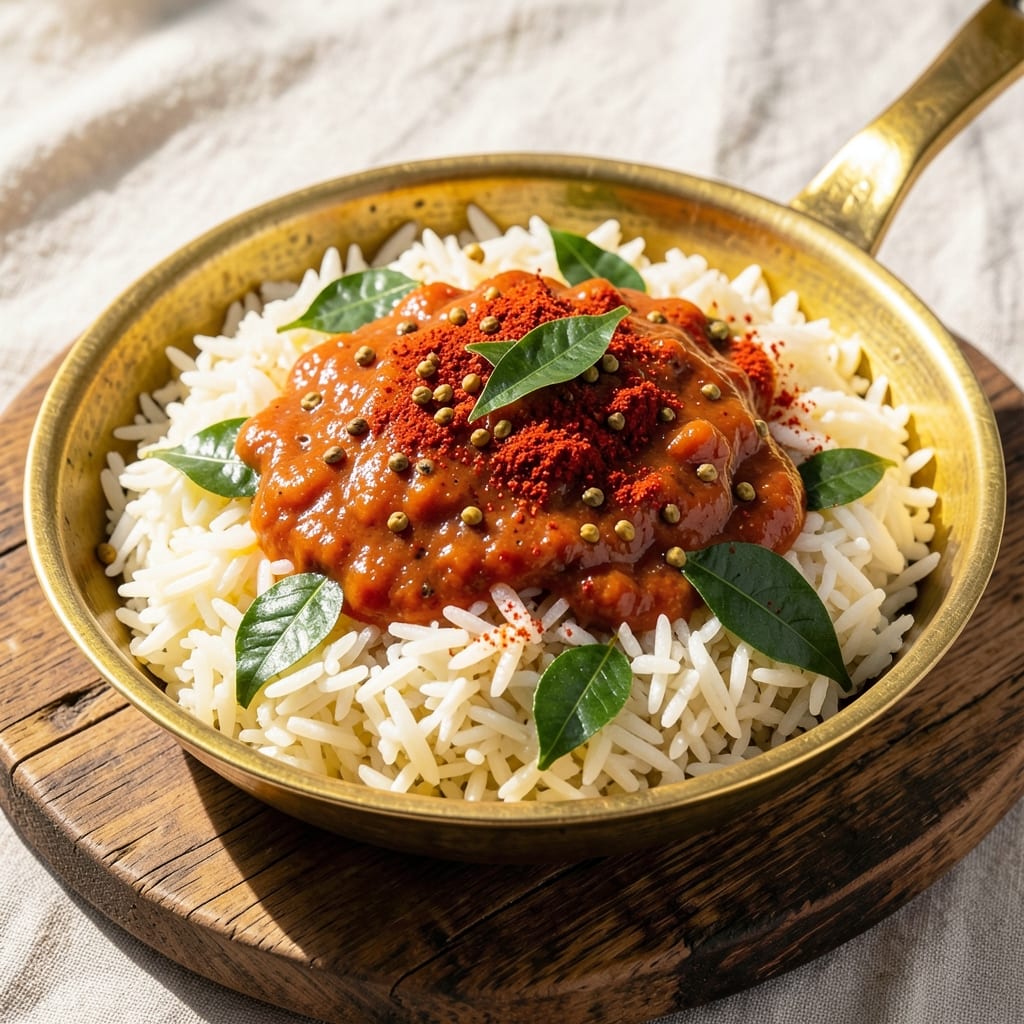
This Andhra lemon rice recipe brings the vibrant flavors of South India to your kitchen with its signature tangy crunch and aromatic tempering. The secret lies in perfectly toasted rice infused with lemon juice, creating a dish that's both refreshing and deeply satisfying. I've perfected this traditional recipe to deliver that authentic Andhra taste at home.
What makes this recipe special is the tempering process—mustard seeds, curry leaves, and red chili that sizzle in hot oil to create an irresistible aroma. The rice is lightly fried until golden, then finished with fresh lemon juice and coriander, giving it that signature zesty kick. This dish is restaurant-quality but surprisingly simple to make.
The result is a dish with crispy edges, tender rice, and a bright citrus tang that balances perfectly with the savory tempering. Each bite delivers that satisfying crunch and refreshing lemon flavor that makes this a staple in Andhra cuisine. Serve it with sambar or curd for a complete meal experience.
Ready in about 30 minutes, this recipe is perfect for weeknight dinners or special occasions. The combination of textures and flavors makes it impossible to resist. Let's get started on creating this authentic Andhra classic in your kitchen.
Ingredients for andhra lemon rice
Twelve essential ingredients transform simple rice into Andhra's vibrant lemon rice masterpiece.
| Ingredient | Amount | Notes |
|---|---|---|
| Long-Grain Basmati Rice 🍚 | 1 ½ cups | Uncooked, rinsed thoroughly |
| Fresh Lemons 🍋 | 4 whole | Juiced, zest reserved |
| Mustard Seeds 🌿 | 1 tbsp | Whole, yellow variety |
| Curry Leaves 🌿 | ¼ cup | Fresh, whole leaves |
| Red Chili Powder 🌶️ | 1 tsp | Adjust for heat preference |
| Asafoetida Powder 🌿 | ¼ tsp | Also known as hing |
| Fresh Cilantro 🌿 | ¼ cup | Chopped, stems removed |
| Vegetable Oil 🫒 | ½ cup | High smoke point preferred |
| Salt 🧂 | 1 ½ tsp | Diamond Crystal preferred |
| Ghee 🧈 | 2 tbsp | For finishing touch |
| Cumin Seeds 🌿 | ½ tsp | Toasted for aroma |
| Garlic Cloves 🧄 | 4 cloves | Minced for tempering |
The rice is the foundation—long-grain basmati with its signature aroma and texture. Rinse it thoroughly to remove excess starch, which ensures separate grains and prevents mushiness. For curry leaves, Indian grocery stores or specialty markets carry the freshest varieties, but frozen works in a pinch. Mustard seeds should be yellow and plump, not discolored or stale. Asafoetida (hing) is non-negotiable for that authentic umami depth—look for pure powder without fillers. Lemon juice should be freshly squeezed from bright, firm lemons; bottled juice lacks the bright acidity needed for that signature tang.
No fresh curry leaves? Dried leaves at one-third the amount work, though fresh is ideal. Substitute red chili powder with cayenne or Kashmiri chili for different heat levels. For mustard seeds, white mustard seeds can replace yellow, though flavor differs slightly. Vegetable oil can be swapped for ghee or coconut oil—both enhance the dish's richness. The ghee finishing touch is crucial; store-bought ghee from brands like Gowardhan or Amul works perfectly. Garlic can be omitted if you prefer a milder flavor, but the minced cloves add essential depth to the tempering process.
Rice keeps perfectly for 3 days in an airtight container at room temperature, maintaining its crisp edges. For longer storage, refrigerate for up to 5 days or freeze for 3 months. The tempering ingredients—mustard seeds, curry leaves, and chili—should be stored in airtight containers away from light to preserve their potency. Freshly squeezed lemon juice can be prepped ahead and stored for 2 days in the fridge. For meal prep, cook the rice completely, then finish with lemon juice and ghee just before serving to maintain that signature crunch.
Why You'll Love This Recipe
- One-Pot Magic: I swear by this recipe because it’s literally one pot—no extra bowls, no mess. Toss the rice, spices, and tempering together, and the mustard seeds and curry leaves sizzle into flavor while the rice cooks. Honestly, the cleanup is just rinsing a pot. That’s it.
- Zesty Tang Alert: The moment those fresh lemons hit the warm rice? Chef’s kiss. The bright acidity cuts through the richness of the mustard seeds and red chili powder, leaving you with a dish that’s sharp, spicy, and impossibly satisfying. It’s the kind of flavor that makes you reach for seconds without even thinking.
- Lunchbox Hero: Between us, this is my go-to for meal prep. The rice stays fluffy for days, and the lemon keeps it from getting bland. Pack it in containers for work lunches or school lunches—kids (and adults) will actually eat it. No sad, soggy leftovers here.
- Budget Brightener: Long-grain basmati rice and lemons are cheap staples, and a little goes a long way. A single lemon and a handful of spices stretch to feed four, and the leftovers? Still taste fresh the next day. It’s the kind of dish that makes grocery day feel like a win.
Step-by-step instructions for Andhra lemon rice
Master the art of balancing zesty citrus with perfectly toasted rice for an authentic Andhra flavor experience.
Toast the Spices for Maximum Aroma
Heat the 0.5 cup vegetable oil in a heavy-bottomed pot over medium heat. Add the 0.5 tsp cumin seeds and toast for 30 seconds until they begin to sizzle and release their warm, earthy aroma. This is your signal to add the 1 tbsp mustard seeds—they'll pop dramatically when they hit the hot oil, creating that signature Andhra crunch.
Immediately follow with the 0.25 cup curry leaves, stirring constantly for 1 minute until they darken slightly and release their citrusy fragrance. The leaves should curl and crisp at the edges—this indicates they're properly toasted. Remove the pot from heat and let the spices cool for 2 minutes while you prepare the rice. This step builds the aromatic foundation of your dish.
Cook the Rice to Perfect Texture
Add the 1.5 cups long-grain basmati rice to the pot with the toasted spices. Stir gently to coat the grains evenly with the oil and spices, ensuring each kernel develops that characteristic toasted flavor. Pour in 3 cups water (twice the volume of rice) and add 1 tsp salt. Bring to a boil over high heat, then immediately reduce to low heat, cover tightly with a lid, and simmer for 15 minutes without disturbing.
The rice should cook undisturbed until the water is completely absorbed and the grains are tender but still hold their shape. You'll know it's ready when the bottom of the pot develops a light crust—this indicates the rice has toasted properly. Turn off the heat and let the rice steam for an additional 5 minutes with the lid on. This resting period allows the grains to firm up slightly, preventing mushiness.
Prepare the Lemon-Tempered Sauce
In a separate bowl, combine the juice from 2 whole fresh lemons (about ½ cup juice), 1 tsp red chili powder, 0.25 tsp asafoetida powder, and the remaining 0.5 tsp salt. Mix well until the asafoetida dissolves completely—this umami-rich powder is essential for authentic Andhra flavor. The mixture should be bright yellow with a slight fizz from the lemon acidity.
Heat the 2 tbsp ghee in a small saucepan over low heat until it melts completely. Add the 4 cloves minced garlic and sauté for 30 seconds until fragrant but not browned. Immediately pour this ghee-garlic mixture into the lemon preparation and whisk vigorously for 1 minute until smooth. This creates the signature tangy, garlicky sauce that will coat each grain of rice.
Combine Rice and Sauce for Perfect Balance
Gently fluff the cooked rice with a fork to separate the grains. Transfer it to a large serving bowl and immediately pour the lemon-garlic sauce over the top. Using a spatula, fold the rice and sauce together carefully, ensuring each grain is evenly coated. The rice should take on a bright yellow hue from the lemon and curry leaves, with visible specks of toasted spices throughout.
Garnish immediately with the 0.25 cup chopped fresh cilantro, reserving a few sprigs for garnish. The cilantro adds a fresh contrast to the tangy, spiced rice. Serve warm while the rice maintains its perfect texture—each bite should deliver a harmonious blend of toasted rice, garlicky lemon tang, and aromatic spices. For best results, serve within 30 minutes of preparation while the flavors are at their peak.
Pro Tips For Making Andhra Lemon Rice
- TOAST THE RICE: Dry-toast the basmati rice in the same pot for 2-3 minutes after draining—just until it smells nutty and the edges turn translucent. I learned this the hard way: skipping this step leaves the rice bland and pasty, no matter how much lemon juice you add later. ---
- JUICE THE LEMONS: Roll the lemons on the counter first to soften them, then cut into quarters and squeeze hard—no strainer needed. The pulp adds body, and skipping this means you’re left with watery, weak flavor. (Yes, even if you’re impatient like me.) ---
- LOW-HEAT TEMPERING: Add mustard seeds and curry leaves to low heat first—they’ll pop better and won’t burn before the oil is hot enough. I used to crank the heat and end up with bitter, blackened seeds every time. Start slow, then adjust. ---
- SALT THE WATER: Use twice the usual salt in the rice water—about 2 teaspoons per cup of rice—then rinse the rice just until the water runs clear. Too little salt makes the dish taste flat, and over-rinsing strips away the starch that helps it cling to the lemony sauce.
Regional styles of this recipe
Andhra Coastal Style
The original Andhra coastal version uses freshly fried curry leaves instead of whole leaves added to the tempering. I fry 1 tbsp curry leaves in 2 tbsp ghee until they turn dark brown and crisp, then crush them lightly before mixing with the rice. This adds an extra layer of nutty depth that's characteristic of coastal Andhra cuisine. The dish is often served with a side of raw mango pickle to balance the lemon's acidity. 🌊
Rayalaseema Crunch
In Rayalaseema, the western region of Andhra, they take the crunch to another level by adding roasted chana dal (split chickpeas) to the tempering. Toast 2 tbsp chana dal in the oil with the mustard seeds, then proceed with the curry leaves. The dal adds a nutty, earthy flavor that pairs beautifully with the lemon. This version is often served with tomato rasam instead of sambar. 🌾
Hyderabad Fusion
Hyderabadi chefs often incorporate biryani spices into their lemon rice. After toasting the mustard seeds and curry leaves, add ½ tsp shahi jeera (caraway seeds) and ¼ tsp cloves to the oil before adding the rice. The warm, aromatic spices create a fusion that's both familiar and exciting. Garnish with a sprinkle of fried cashews for added crunch and texture. 🏙️
Kurnool Spicy Kick
For those who love heat, the Kurnool variation includes dried red chilies in the tempering. Add 2-3 dried red chilies (whole) along with the mustard seeds and toast until they darken. Remove them before adding the curry leaves, but leave the oil infused with their smoky flavor. The rice is finished with extra lemon juice and a pinch of black salt for a tangy, umami-packed dish. 🌶️
Tirupati Temple Style
The version served at Tirupati temples is lighter and often includes tender coconut water in the lemon sauce. Replace ¼ cup water with fresh coconut water in the lemon mixture for a subtle sweetness that balances the acidity. Garnish with a few saffron strands soaked in warm milk for a luxurious touch. This version is traditionally served during temple festivals. ✨
Modern Urban Twist
For a contemporary take, I like adding roasted cumin powder and a pinch of cardamom to the lemon sauce. After preparing the base recipe, mix in ½ tsp roasted cumin powder and ¼ tsp ground cardamom with the lemon juice before folding into the rice. This adds warmth and complexity that urban diners appreciate. Serve with a side of avocado slices for a modern touch. 🍽️
Nutrition facts
Frequently asked questions
Why does Andhra lemon rice have crispy edges?
The signature crunch comes from two key techniques: toasting the rice in oil with spices before cooking, and letting it steam undisturbed until the water evaporates completely. This creates a light crust at the bottom of the pot. The final lemon-garlic sauce helps maintain that texture while adding moisture. For extra crunch, cook the rice slightly less than fully done—it'll finish cooking from residual heat while resting.
Can I make this recipe without ghee?
Replace the 2 tbsp ghee with an equal amount of melted coconut oil or butter for a dairy-free version. For a lighter option, use 2 tbsp neutral oil (like vegetable or sunflower) and add a splash of lemon juice to mimic the richness. The flavor will be slightly different but still delicious. The ghee adds that signature depth, though!
How do I adjust the heat level?
Start with the 1 tsp red chili powder as written for medium heat. For milder flavor, reduce to ½ tsp or swap for ½ tsp Kashmiri chili powder (which adds color without much heat). For extra spice, increase to 1.5 tsp and add 1-2 dried red chilies to the tempering oil. Always taste the lemon sauce before mixing with rice to adjust.
What's the best way to store leftovers?
Store in an airtight container at room temperature for up to 3 days, or refrigerate for 5 days. The rice maintains its texture better when stored this way. To reheat, sprinkle with 1 tsp water, cover, and microwave for 1-2 minutes. For best flavor, finish with fresh lemon juice and cilantro after reheating. The crunch won't be as pronounced after storage, but the tangy flavor remains.
Can I make this gluten-free?
This recipe is naturally gluten-free! Just ensure your mustard seeds and asafoetida** are certified gluten-free (some brands may have cross-contamination risks). The basmati rice is also gluten-free. For extra safety, check that your red chili powder doesn't contain anti-caking agents with gluten. Always verify all spice brands if you have celiac disease or severe gluten sensitivity.