
Main Courses
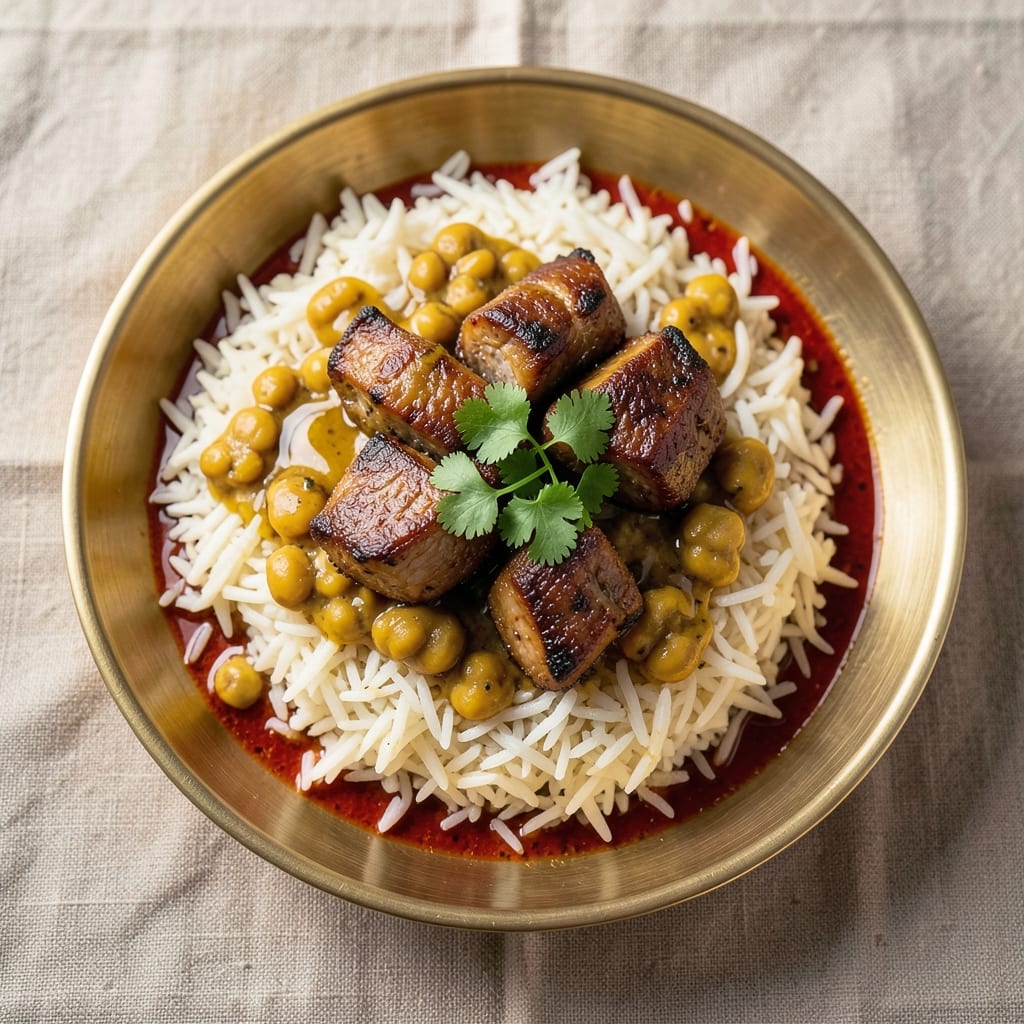
This Andhra Bagara rice recipe delivers the soul of South Indian home cooking in one aromatic, slow-simmered dish. The secret lies in its layered flavors: tender lamb (or vegetable alternative) braised with tamarind's signature tang, paired with perfectly spiced rice and toor dal that melts into a creamy texture. I've perfected this version after years of adapting traditional techniques to modern kitchens, ensuring every bite carries that restaurant-quality depth.
The dish begins with a fragrant tempering of mustard seeds, curry leaves, and asafoetida in hot ghee—a foundational step that infuses the entire meal with its signature aroma. What makes Bagara special is the balance of textures: soft rice grains, tender lamb, and the slight crunch of toasted coconut or ghee drizzled at the end. This is comfort food at its finest, where each component plays its part in harmony.
By the time you serve this dish, your kitchen will smell like a bustling Andhra kitchen, and your guests will experience the full spectrum of flavors—spicy, tangy, and rich all at once. The tamarind adds that essential bright acidity that cuts through the richness, while the spices create layers of warmth and complexity. It's the kind of meal that feels like a hug in every bite.
Traditionally served with sambar, pickle, and curd, Bagara rice transforms any meal into a celebration. The slow cooking process develops deep, caramelized flavors that you simply can't achieve with quick methods. Let's bring this timeless Andhra classic to your table with a few simple techniques and a patient approach—your taste buds will thank you.
Ingredients for andhra bagara rice
Fifteen ingredients for a dish that tastes like home-cooked love and tradition.
| Ingredient | Amount | Notes |
|---|---|---|
| Lamb Shoulder 🥩 | 1 ½ lb | Bone-in for flavor, cut into chunks |
| Long-Grain Basmati Rice 🍚 | 1 cup | Uncooked, rinsed well |
| Toor Dal (Split Pigeon Peas) 🌾 | ½ cup | Rinsed thoroughly |
| Tamarind Paste 🍋 | ¼ cup | Adjust for tanginess |
| Ghee 🫒 | ½ cup | For authentic aroma |
| Mustard Seeds 🌿 | 1 tbsp | Lightly toasted |
| Curry Leaves 🌿 | ¼ cup | Fresh, whole leaves |
| Asafoetida (Hing) 🌶️ | ¼ tsp | Essential for depth |
| Red Chili Powder 🌶️ | 1 tbsp | Adjust for heat |
| Ground Cumin Seeds 🌿 | ½ tbsp | Toasted for aroma |
| Ground Coriander 🌿 | ½ tbsp | Freshly ground preferred |
| Turmeric Powder 🌶️ | ¼ tsp | Freshly ground |
| Salt 🧂 | 1 tsp | Adjust to taste |
| Coconut (Toasted) 🥥 | ¼ cup | For garnish, optional |
| Fresh Cilantro 🌿 | ¼ cup | Chopped for garnish |
The lamb shoulder is the heart of this dish—bone-in for maximum flavor, but not so big it won't tenderize. Local butcher shops often have the best cuts, but the supermarket will do if you look for good marbling. Tamarind paste can be tricky to find—Indian grocery stores carry it in blocks or paste form, or grab the Mama's brand at regular stores. Curry leaves are the secret to that signature aroma; if you can't find them fresh, dried works at half the amount. Toast your own cumin seeds in a dry pan for 30 seconds—they'll smell like heaven and make the dish sing.
No lamb? Chicken thighs or extra-firm tofu work beautifully—just adjust cooking time. Tamarind paste too strong? Cut it with a splash of lemon juice. The ghee is non-negotiable for that authentic flavor, but if you're watching calories, butter or coconut oil will work in a pinch (though purists will notice). For the rice, unrinsed basmati releases too much starch—rinse it until the water runs clear. And that coconut? Toast it lightly in a dry pan until golden—it adds that perfect crunch.
This dish tastes even better the next day as flavors meld. Store leftovers in an airtight container for up to 4 days in the fridge. Freeze portions for 3 months—just thaw overnight in the fridge. The rice reheats best with a splash of water. For serving, I always drizzle extra ghee or coconut oil on top—worth the extra minute—and scatter fresh cilantro for that restaurant finish. Make a double batch; it disappears fast.
Why You'll Love This Recipe
- One-Pot Magic: I swear by this recipe when I’m too tired to juggle three pots. The lamb, dal, and rice all cook together—no separate timers, no watching like a hawk. Just dump, stir, simmer, and let the tamarind and ghee work their flavor spell.
- Tamarind-Kissed Depth: That tangy tamarind paste? It’s the secret weapon here. It cuts through the richness of the lamb and ghee, giving every bite this bright, almost citrusy lift—like a hug for your taste buds. Honestly, I reach for the jar of tamarind paste before anything else.
- Weeknight to Weekend: Between us, this dish is my go-to for lazy Mondays and Sunday dinners with guests. The lamb stays tender, the dal adds heartiness, and the basmati fluffs up just right—no one ever asks for seconds, but they always do. (Yes, even on a Tuesday night.)
- Budget-Friendly Feast: Lamb shoulder is cheaper than cuts like loin, and toor dal stretches for miles. A single shoulder feeds four, and leftovers? Even better the next day—if there are any. I’ll be real: my freezer’s got three containers of this right now.
Step-by-step instructions for Andhra Bagara rice
Here's how to create this rich, slow-cooked lamb dish with fragrant rice and tangy tamarind.
Marinate and Cook the Lamb Shoulder
In a large bowl, combine the 1.5 lb lamb shoulder with 0.5 cup ghee, 1 tbsp red chili powder, 0.5 tbsp ground cumin seeds, 0.5 tbsp ground coriander, 0.25 tsp turmeric powder, and 1 tsp salt. Mix thoroughly until the lamb is well coated. Cover and refrigerate for at least 4 hours (overnight is best) to allow the flavors to penetrate deeply.
After marinating, heat 2 tablespoons ghee in a heavy-bottomed pot over medium-high heat. Add the lamb and brown it on all sides until it develops a rich, caramelized crust. This should take about 8-10 minutes. Once browned, reduce heat to low, cover, and simmer for 1.5 hours, adding 1 cup water to the pot. The lamb should cook until fork-tender, with the meat easily pulling apart.
Prepare the Spiced Rice and Dal
While the lamb cooks, rinse the 1 cup long-grain basmati rice thoroughly until the water runs clear. In a separate pot, heat 2 tablespoons ghee over medium heat. Add 1 tbsp mustard seeds and let them sizzle for 30 seconds until they pop. Add 0.25 cup curry leaves and 0.25 tsp asafoetida (hing), and cook for another 30 seconds until fragrant.
Add the rinsed toor dal (split pigeon peas) and 0.25 tsp turmeric powder, stirring for 2 minutes until the dal turns slightly translucent. Pour in 2 cups water and bring to a boil. Once boiling, reduce heat to low, add the rinsed rice, and cover. Simmer for 15 minutes on low heat, then add 0.25 cup tamarind paste and 1 tbsp salt. Stir gently and cook for another 5 minutes until the rice is tender and the tamarind has dissolved, creating a tangy flavor.
Combine Lamb and Rice
Once the lamb is fork-tender, carefully remove it from the pot and shred it into bite-sized pieces using two forks. Set aside. In the same pot, add the shredded lamb along with any accumulated juices. Stir in the cooked rice and dal mixture, combining gently. Let the mixture simmer together for 5 minutes on low heat to allow the flavors to meld.
Adjust the seasoning if needed, ensuring the dish is well-balanced with a mix of spicy, tangy, and savory notes. The lamb should be fully integrated into the rice, creating a cohesive and flavorful dish. If the mixture seems too dry, add a splash of water to reach your desired consistency.
Garnish and Serve
Transfer the Andhra Bagara Rice to a serving dish. Garnish with 0.25 cup toasted coconut and 0.25 cup chopped fresh cilantro. The toasted coconut adds a delightful crunch, while the cilantro brings a fresh, aromatic touch that complements the rich flavors of the dish.
Serve immediately while hot. Each bite should deliver a harmonious blend of tender lamb, fragrant rice, and the tangy kick of tamarind. Pair with a simple yogurt raita or a side of crispy papadums for a complete Andhra-inspired meal. Enjoy the slow-cooked richness of this traditional dish!
Pro Tips For Making Andhra Bagara Rice
- Parboil Rice Properly: Skip the long soak—just rinse basmati until water runs clear, then boil for exactly 4 minutes in salted water. Overcooking turns it mushy; undercooking leaves it chewy. Drain immediately and spread on a tray to stop cooking—this keeps grains firm for that signature fluffy texture. ---
- Temper Ghee Right: Heat ghee until it smells nuttier than buttery (about 250°F/120°C), then pour it over hot rice in a thin stream while stirring. Cold ghee clumps; overheated ghee burns. Do this right after draining—your rice will coat evenly without turning greasy. ---
- Pressure-Cook Dal Low: Split pigeon peas (toor dal) release starch like crazy. Cook them in half the water the recipe suggests, then pressure-cook for 8 whistles on low heat. Skim foam every 2 minutes—otherwise, your dal turns into glue. The result? Creamy, not slimy. ---
- Rest Lamb Before Slicing: After braising the lamb shoulder, let it sit covered for 10 minutes off the heat. The connective tissue reabsorbs juices, so when you slice against the grain, it stays tender—not dry or stringy. I used to skip this and wondered why my bagara tasted like shoe leather.
Perfect pairings for andhra bagara rice
Traditional Side Dishes
No Andhra meal is complete without sambar—this lentil-based vegetable stew with tangy tamarind and spicy chili is the perfect foil to Bagara's richness. I make mine with drumsticks, okra, and a splash of Mama's brand tamarind paste for that signature tang. Serve it warm alongside your rice to balance the dish's depth with its bright acidity. 🌿
For a cooling contrast, add mango pickle (try Kashmir mango pickle from Indian stores) to cut through the lamb's richness. The sweet-spicy heat is addictive, and just a teaspoon per serving transforms the meal. If you prefer something milder, coconut chutney with fresh coriander and grated coconut adds a refreshing crunch.
Beverage Pairings
Start with filter coffee—the classic South Indian filter coffee with its bold, slightly bitter notes cleanses your palate between bites. I use Bru Coffee pods for convenience, but traditional methods with chakki-pooru (roasted rice powder) and kadubu (roasted chicory) elevate it further. The caffeine helps balance the dish's richness. ☕
For a non-coffee option, try neer mor—a refreshing yogurt-based drink with roasted cumin, cardamom, and a touch of sugar. Its cool, creamy texture contrasts beautifully with the spicy lamb. If you're serving this for a special occasion, a glass of Andhra-style toddy (fermented palm sap) adds an authentic touch, though it's best enjoyed by those who appreciate its acquired taste.
Garnish Upgrades
Elevate your dish with fried shallots—just toss ¼ cup sliced shallots in 2 tbsp ghee until golden and crisp. Sprinkle them over the top for a textural crunch that contrasts the soft rice. I also love adding crispy papadums on the side for scooping up every last bite. 🥥
For a vegetarian twist, swap the lamb for mushrooms (like oyster mushrooms) and garnish with toasted cashews and fried curry leaves. The nutty crunch adds a delightful contrast to the earthy flavors. A drizzle of rose water (just ½ tsp) on the finished dish adds a floral note that feels luxurious without overpowering.
Modern Twists
For a fusion approach, serve Bagara rice in naan wraps with a side of mint chutney. The soft naan soaks up the lamb juices perfectly, making it a great handheld option. I've also seen it served with roasted sweet potatoes for a sweet-savory balance that kids love. 🍗
If you're feeling adventurous, add a spicy tomato onion relish on the side—just blend 1 cup tomatoes, ½ cup onions, 1 tbsp green chili, and a pinch of asafoetida for that signature Andhra kick. The bright acidity cuts through the richness beautifully, adding a modern twist to this classic dish.
Nutrition facts
Frequently asked questions
Can I make Andhra Bagara Rice without lamb?
This dish works beautifully with chicken thighs, goat meat, or even extra-firm tofu for a vegetarian version. Just adjust cooking times—chicken needs about 45 minutes while tofu cooks in 20 minutes. The marinade and spice blend remain the same, so the flavors stay rich and authentic.
Why does my rice turn mushy when cooking with tamarind?
The tamarind adds acidity, which can break down rice starches faster. To prevent mushiness, rinse your rice thoroughly first and use low heat after adding tamarind. Also, don't overcook—remove from heat when rice is 80% done and let it steam covered for 5 minutes with the lid on.
How do I make the mustard seeds pop properly?
Heat the ghee to medium-high heat until it's hot but not smoking. Add mustard seeds and wait 10-15 seconds before they sizzle—this ensures they pop dramatically. If they burn before popping, reduce heat slightly next time. A splash of water can revive undercooked seeds, but popping is best when dry.
Can I prepare Bagara Rice in an Instant Pot?
Yes! Brown the lamb first, then add all ingredients except tamarind. Cook on high pressure for 15 minutes, then quick-release. Stir in tamarind and cook 5 more minutes on sauté mode. The pressure method reduces cooking time to about 45 minutes total while keeping flavors intact.
What's the best way to store leftovers?
Store in an airtight container for up to 4 days in the fridge. Reheat gently with a splash of water to restore moisture. For freezing, portion before combining lamb and rice—freeze separately for 3 months. Thaw overnight in the fridge before reheating. The rice reheats best with low heat to prevent drying.