
Side Dishes
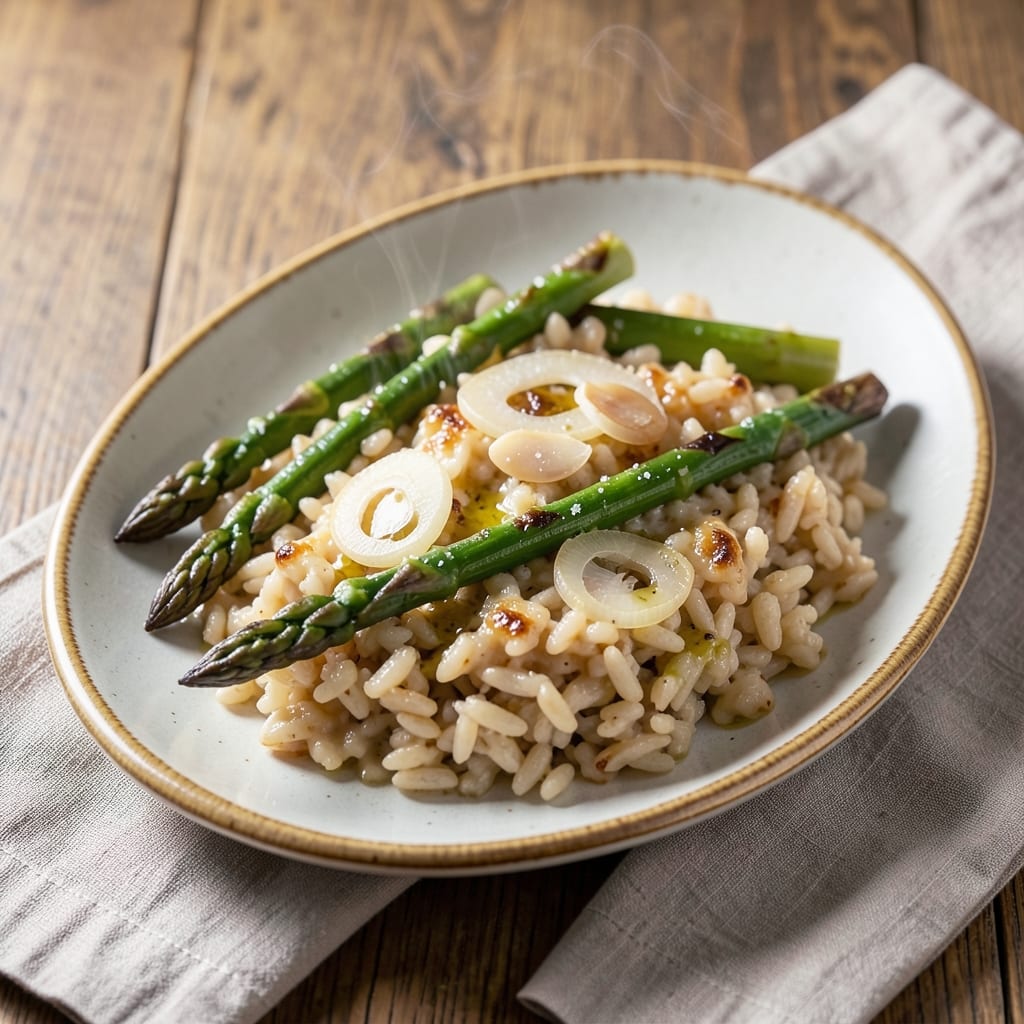
This Arborio rice and asparagus recipe transforms simple ingredients into a restaurant-worthy side dish with nutty, crisp edges and tender, al dente bites. The secret lies in cooking Arborio rice to perfection—its high starch content absorbs flavors beautifully while maintaining a satisfying texture. Roasted asparagus adds a touch of smoky sweetness that elevates the dish, making it hearty enough to stand alone or pair effortlessly with grilled meats or fish.
What sets this recipe apart is the balance of techniques: the rice is toasted lightly in butter before liquid is added, ensuring depth of flavor, while the asparagus is roasted until tender-crisp. This method guarantees a dish that’s both elegant and approachable, perfect for weeknight dinners or special occasions. The result is a harmonious blend of creamy rice and vibrant asparagus, where every bite delivers a mix of textures and flavors.
The beauty of this recipe is its versatility—it can be served as a standalone side or paired with a crisp white wine or a light herb-infused dressing. The Arborio rice soaks up the asparagus’s natural sweetness, while the roasted edges add a satisfying crunch. Whether you're cooking for a crowd or treating yourself to a refined meal, this dish delivers restaurant-quality results with minimal effort.
Ready in 30 minutes, this recipe is ideal for those who want a foolproof, flavorful side that feels indulgent without requiring advanced skills. The combination of Arborio rice and asparagus creates a dish that’s both comforting and sophisticated, proving that simple ingredients can yield extraordinary results.
Ingredients for arborio rice and asparagus
Arborio rice and asparagus create a sophisticated side with restaurant-quality texture and flavor.
| Ingredient | Amount | Notes |
|---|---|---|
| Arborio Rice 🍚 | 1 cup | Unrinsed for maximum starch release |
| Fresh Asparagus 🌱 | 1 lb | Trimmed, woody ends removed |
| Unsalted Butter 🧈 | 3 tbsp | Cold, cubed for even toasting |
| Extra-Virgin Olive Oil 🫒 | ¼ cup | Light fruity variety preferred |
| Shallots 🧅 | 2 whole | Minced for delicate flavor |
| Garlic Cloves 🧄 | 3 cloves | Minced for aromatic depth |
| Dry White Wine 🍷 | 1 cup | Sauvignon Blanc or Pinot Grigio |
| Chicken Stock 🍲 | 1 ½ cups | Homemade or low-sodium |
| Lemon Zest 🍋 | 1 tsp | Freshly grated for brightness |
| Salt 🧂 | 1 ½ tsp | Diamond Crystal preferred |
| Freshly Ground Black Pepper 🌶️ | ½ tsp | Cracked peppercorns preferred |
| Fresh Lemon Juice 🍋 | 1 tbsp | For final acidity balance |
| Parmesan Cheese 🧀 | ¼ cup | Freshly grated from block |
The Arborio rice is the foundation here—its high starch content creates those signature nutty, crisp edges when toasted properly. Whole Foods or specialty grocers carry the best quality, but any reputable supermarket will have it. Look for grains that are plump and uniform in size; avoid any that appear shriveled or dull. The asparagus should be vibrant green with tightly closed tips—Trader Joe's or local farmers markets are great sources for peak freshness. For the wine, a crisp Sauvignon Blanc or Pinot Grigio adds acidity that cuts through the richness of the butter and rice, but a dry white table wine works in a pinch.
No Arborio rice? Carnaroli or Vialone Nano are excellent substitutes—they have similar starch properties. Fresh asparagus unavailable? Frozen asparagus works well, though it won't have that same tender-crisp texture. The shallots can be swapped for 1/2 small yellow onion if needed, but they add a more refined sweetness. For the wine, if you're avoiding alcohol, substitute an extra 1/2 cup chicken stock and add 1 tbsp lemon juice. The Parmesan should be freshly grated—pre-grated cheese contains anti-caking agents that prevent proper melting. For the butter, European-style unsalted butter like Plugrá adds more flavor than standard American brands.
Store any leftover Arborio rice in an airtight container with a paper towel pressed on top to absorb moisture—keeps for 3 days in the fridge. The roasted asparagus can be reheated gently in the oven at 350°F for 5-7 minutes to restore crispness. For meal prep, cook the rice and asparagus separately and combine just before serving to maintain texture. The dish reheats beautifully for lunches—simply warm with a splash of water or stock. Portion into individual containers with a sprinkle of Parmesan on top for easy grab-and-go meals.
Why You'll Love This Recipe
- One-Pot Magic: I swear by this—just rice, asparagus, butter, and olive oil in the same pan. No fancy gadgets, no extra bowls, and honestly? The cleanup is just wiping one pan. That’s my kind of cooking.
- Creamy Crunch Perfection: The Arborio rice soaks up the butter and olive oil until it’s al dente with a crispy edge, while the asparagus stays tender-crisp. Between us, that contrast is dangerously addictive—especially when the shallots caramelize just enough to add a sweet, nutty depth.
- Weeknight or Dinner Party: Throw this together for a lazy Tuesday or impress guests with zero stress. It’s light enough for spring but hearty enough for a crowd, and the asparagus makes it feel fancy without the fuss. My in-laws asked for the recipe after one bite—no joke.
- Budget-Friendly Leftovers: Arborio rice is affordable, and asparagus stretches further than you’d think when paired with rich butter. I make double batches, and it reheats like a dream—either crispy in a skillet or soft in the microwave. Leftovers? My secret weapon for busy mornings.
Step-by-step instructions for perfect Arborio rice with asparagus
Master this technique for restaurant-quality risotto with crisp-tender asparagus and nutty rice edges.
🍳 Step 1: Toast the Rice and Aromatics
Heat the 0.25 cup extra-virgin olive oil in a heavy-bottomed saucepan over medium heat. Add the 1 cup unrinsed Arborio rice and stir gently for 2 minutes until the grains become translucent at the edges. This toasting step develops the rice's signature nutty flavor and prevents mushiness.
Add the 3 tbsp cold cubed unsalted butter, 2 minced shallots, and 3 minced garlic cloves. Cook for another 3-4 minutes until the shallots soften and the garlic becomes fragrant but doesn't brown. The butter should melt completely, creating a rich golden base. This foundational step ensures your rice develops proper texture and depth of flavor.
🍳 Step 2: Deglaze and Build the Sauce
Pour in the 1 cup dry white wine and stir vigorously, scraping up any browned bits from the bottom of the pan. Let the wine simmer until completely absorbed by the rice (3-4 minutes). This deglazing step removes surface starch and prevents the rice from clumping.
Add the 1.5 cups chicken stock and 1.5 tsp salt all at once. Stir gently and bring to a simmer. The liquid should just cover the rice. Maintain a gentle simmer for 8-10 minutes, stirring occasionally, until the rice has absorbed about half the liquid and begins developing a creamy texture. This is where the al dente magic happens—patience is key.
🍳 Step 3: Incorporate the Asparagus
While the rice cooks, trim the 1 lb fresh asparagus and cut into 1-inch pieces. In a separate skillet, heat 1 tbsp olive oil over medium-high heat until shimmering. Add the asparagus and cook for 4-5 minutes until tender-crisp with slightly charred edges. Season with 0.5 tsp freshly ground black pepper and set aside.
When the rice has absorbed about ¾ of the stock (it should be creamy but still slightly firm to the bite), stir in the cooked asparagus along with the 1 tsp lemon zest. The acidity brightens both the rice and asparagus while balancing the richness. Cook for an additional 2 minutes to meld the flavors completely.
🍽️ Step 4: Finish and Serve
Remove the pan from heat and stir in the 0.25 cup freshly grated Parmesan cheese and 1 tbsp fresh lemon juice. The residual heat will create a silky sauce while the lemon adds a final bright note. Let the mixture rest for 1 minute to allow the cheese to melt completely and the rice to finish absorbing any remaining liquid.
Serve immediately, garnished with additional lemon zest and black pepper. The rice should be creamy yet still have a slight bite in the center, with crisp-tender asparagus spears peeking through. Each bite should deliver a perfect balance of nutty rice, bright lemon, and delicate asparagus flavor—proof that simple ingredients can create extraordinary results.
Pro Tips For Making Arborio Rice And Asparagus
- TOAST THE SHALLOTS FIRST: I used to add the shallots right after the butter—big mistake. Sauté them in the olive oil alone for 2-3 minutes until golden and fragrant before adding butter. This builds deeper flavor and prevents them from turning into a sad, buttery mush when the rice absorbs everything later.
- TRIM ASPARAGUS LIKE A PRO: Don’t just snap the woody ends—peel the bottom inch with a vegetable peeler first, then snap. The peeling removes bitterness, and snapping ensures clean breaks. If using thick stalks, cut them into 1-inch pieces for even cooking (thin ones can go whole).
- STIR THE RICE CONSTANTLY: Arborio rice needs constant attention—literally every 30 seconds at first. I learned this the hard way when my rice stuck to the pot like glue. Use a wooden spoon to scrape the bottom, especially around the edges, to guarantee even toasting and prevent burning.
- ADD LIQUID IN STAGES: Don’t dump all the broth at once—start with just enough to coat the rice (about 1:1 ratio), then let it absorb completely before adding more. I skip the "halfway" measurements and just watch the rice: when the liquid is gone and the grains are tender but still slightly firm, add another splash. This keeps the texture creamy, not mushy.
Make-ahead tips for this recipe
Prep Ahead Strategy
Cook the Arborio rice base one day in advance to save time—simmer it until just al dente, then spread it on a baking sheet to cool quickly. Store in an airtight container with a damp paper towel over the top to prevent drying. The rice will keep for 3 days in the fridge, and reheats beautifully with a splash of chicken stock or water.
For the asparagus, trim and store it uncooked in the fridge for up to 5 days, wrapped in a damp towel to maintain crispness. When ready to cook, simply roast as directed—no pre-cooking needed. This separation keeps textures perfect when combining later. ✨
Freezer-Friendly Prep
Freeze the cooked rice in single-serving portions for quick meals. Use quart-sized freezer bags with excess air removed to prevent freezer burn. Thaw overnight in the fridge, then reheat gently with 1-2 tbsp stock to restore creaminess. The asparagus doesn’t freeze well raw, but you can blanch it first (boil for 2 minutes, then ice bath) and freeze separately for up to 3 months.
Combine Freshly
Always mix the asparagus with the rice just before serving to preserve its tender-crisp texture. If prepping ahead, cook the asparagus separately and store it in a sealed container with a sprinkle of lemon juice to maintain brightness. Reheat the asparagus in a skillet over medium heat for 3-4 minutes before stirring into the rice.
Portioning Tips
Divide the rice into ramekins or small bowls before adding the asparagus for easy serving. Top each portion with freshly grated Parmesan and a crack of black pepper—this keeps flavors vibrant and makes plating effortless. For meal prep, store components separately and assemble when ready to eat. 🍽️
Reheating Perfection
Reheat rice in a lightly oiled skillet over low heat with 1-2 tbsp stock, stirring constantly to prevent drying. For the asparagus, warm in the oven at 350°F for 5-7 minutes to restore crispness. If using frozen asparagus, thaw in cold water first, then reheat in the skillet for 2-3 minutes. The lemon zest and juice should be added fresh before serving for maximum brightness.
Nutrition facts
Frequently asked questions
Can I substitute Arborio rice with another type?
Yes! Carnaroli or Vialone Nano work perfectly—they have similar starch properties for that signature creamy texture. If you must use regular long-grain rice, expect a firmer result with less creaminess. For a quick fix, try jasmine rice, but add an extra 1 tbsp butter and 1 tbsp lemon juice at the end to mimic the richness.
Why does my Arborio rice turn mushy?
Mushy rice usually means too much liquid or stirring too aggressively. Always use 1.5 cups stock for 1 cup rice and stir only when necessary. The rice should cook in 18-20 minutes total. If it's still too wet, simmer uncovered for 2-3 minutes to evaporate excess moisture. For extra insurance, toast the rice in butter for 2 minutes before adding liquid.
How do I get the best texture for the asparagus?
The secret is tender-crisp asparagus—roast at 425°F for 10-12 minutes until bright green with slightly charred edges. For extra flavor, toss with 1 tsp olive oil and ¼ tsp smoked paprika before roasting. If using frozen asparagus, thaw first and roast 2-3 minutes longer to compensate for moisture loss during freezing.
Can I make this dish vegetarian?
Replace the chicken stock with vegetable stock and add 1 cup mushrooms (sliced and sautéed with the shallots) for extra umami. For a cheesier option, stir in ¼ cup nutritional yeast with the Parmesan at the end. The dish will still have that creamy, satisfying texture while being completely plant-based.
What's the best way to reheat leftovers?
Reheat rice in a skillet over low heat with 1-2 tbsp stock or water, stirring constantly for 3-4 minutes until creamy. For asparagus, warm in the oven at 350°F for 5-7 minutes to restore crispness. Never microwave—it turns rice rubbery. Always add fresh lemon zest and juice before serving to revive flavors.