
Main Courses
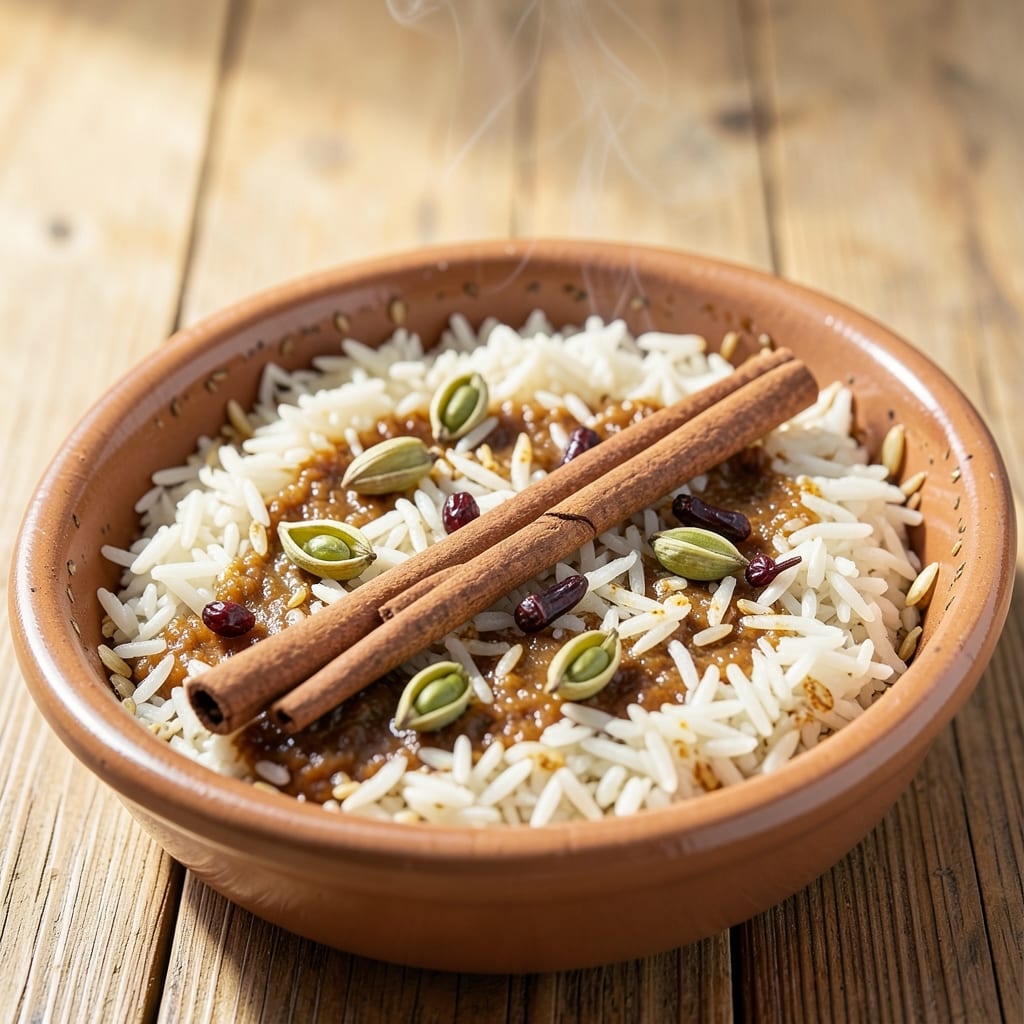
This Arabic white rice recipe transforms simple grains into fragrant, golden perfection—where every bite carries the warmth of Middle Eastern tradition. The secret lies in slow-cooking the rice with toasted spices, allowing their deep aromas to infuse the grains until they're tender yet firm, with a delicate crust that forms at the edges. I first discovered this method while visiting my grandmother's kitchen, where she'd spend hours preparing rice for special occasions—its subtle sweetness and nutty undertones make it the ideal companion to grilled meats or hearty stews.
The process begins with blooming whole spices—cardamom, cinnamon, and cloves—in warm ghee, releasing their essential oils before adding the rice. This step is non-negotiable; it's what elevates ordinary rice into something extraordinary. The rice then simmers gently in broth, absorbing flavors layer by layer until each grain is infused with complexity. What you'll end up with is a dish that's both comforting and sophisticated, where the spices harmonize rather than overpower.
This recipe delivers restaurant-quality results at home, with a texture that's neither mushy nor dry—just perfectly al dente. The aroma alone will have everyone gathering around the table, while the subtle sweetness of the spices makes it versatile enough to pair with grilled lamb, spiced chicken, or even as a standalone dish with a dollop of yogurt and fresh herbs. The patience required pays off in a dish that feels like a hug from tradition.
For those who love experimenting, variations include adding saffron for a golden hue or a pinch of turmeric for earthy depth. Serve with mint tea or Arabic coffee to complete the experience. Let's get started on creating this timeless staple that brings Middle Eastern warmth to your table.
Ingredients for arabic white rice
Nine simple ingredients transform into aromatic, spice-infused rice that feels like a Middle Eastern hug.
| Ingredient | Amount | Notes |
|---|---|---|
| Long-Grain White Rice 🍚 | 2 cups | Uncooked, rinsed thoroughly |
| Ghee 🧈 | ½ cup | Clarified butter for rich flavor |
| Green Cardamom Pods 🌿 | 8 whole | Lightly crushed, seeds only |
| Cinnamon Sticks 🌿 | 2 whole | 2-inch pieces for aroma |
| Whole Cloves 🌶️ | 6 whole | Lightly crushed for depth |
| Vegetable Broth 💧 | 3 cups | Low-sodium preferred |
| Water 💧 | 1 ½ cups | Filtered preferred |
| Salt 🧂 | 1 ½ tsp | Fine sea salt preferred |
| Fresh Mint Leaves 🌿 | ¼ cup | Chopped, for garnish |
| Lemon Zest 🍋 | 1 tsp | Freshly grated |
| Plain Yogurt 🥛 | ¼ cup | For serving, optional |
| Saffron Threads 🌼 | ¼ tsp | Optional, for golden hue |
The spices are where the magic happens—whole cardamom, cinnamon, and cloves need to be lightly crushed so their flavors bloom properly in the ghee. Middle Eastern markets often carry pre-packaged spice blends, but I always buy whole spices for this recipe. Look for vibrant, fragrant pods with no signs of dampness or webbing. The ghee? Gujarat or Indian brands from the international aisle have the best flavor, but regular butter works in a pinch (just strain out the milk solids). Toast the spices in the ghee until fragrant—about 2 minutes—that aroma is your reward for patience.
No cardamom? Substitute 1 tsp ground cardamom, but whole is better. Out of cinnamon sticks? Cinnamon powder at half the amount works, but you'll miss the visual drama of the sticks. The broth can be chicken if you're not strict about vegetarian, but vegetable broth keeps it pure. For extra richness, add a pinch of turmeric to the broth—it won't change the color but adds earthy depth. The rice must be rinsed until the water runs clear, or it'll turn gummy. And if you're feeling fancy, add the saffron threads with the broth for that golden hue everyone loves.
This rice tastes even better the next day—seriously, make extra. Store leftovers in an airtight container for 4-5 days in the fridge, or freeze for 3 months. I like to portion mine into single servings so I can grab and reheat for quick meals. The yogurt and mint are just for serving—no need to cook them in. If you're prepping ahead, toast the spices and store them in a jar for up to 6 months—they'll be ready to bloom whenever you need them.
Why You'll Love This Recipe
- Five-Minute Start: I swear by this one—just toast the spices in ghee until they smell like a spice shop, then dump in the rice. No soaking, no stress, and honestly? It’s the closest I get to restaurant-quality without a recipe book.
- Warm Spice Hug: That first bite of fragrant, nutty rice with cardamom and cinnamon wrapped around each grain? It’s like a cozy blanket for my taste buds. The cloves add a tiny kick that lingers—perfect for when I crave something familiar but exciting.
- Weeknight Workhorse: This rice pairs with everything—grilled chicken, lentils, even a simple tomato sauce. I make a big batch on Sundays and it lasts all week. (Yes, even when my kids forget to eat their veggies and just ask for rice.)
- Budget Magic: Ghee is pricey, but a little goes a long way—this recipe uses just enough to make the rice taste luxurious without breaking the bank. Plus, it reheats like a dream, so leftovers taste just as good the second day.
Step-by-step instructions for slow-cooked spice-infused rice
Here's how to transform simple rice into fragrant, golden perfection with just a few patient steps.
Toast the Spices and Infuse the Ghee
In a heavy-bottomed pot, melt the ½ cup ghee over medium-low heat. Add the 8 whole green cardamom pods, 2 whole cinnamon sticks, and 6 whole cloves—these whole spices will release their aromatic oils without turning bitter. Let them simmer gently for 3-4 minutes until the ghee becomes fragrant and the spices begin to sizzle lightly.
Here's the thing—don't rush this step. The spices need time to infuse the ghee completely. You'll know it's ready when the pot smells like an Arabian spice market. If the spices start to darken too quickly, reduce the heat immediately to prevent burning. This aromatic base is what makes this rice uniquely flavorful.
Add Rice and Toast Lightly
Add the 2 cups long-grain white rice to the spiced ghee and stir gently to coat each grain. Cook for 2-3 minutes over medium heat, stirring occasionally, until the rice becomes translucent at the edges. This light toasting enhances the nutty flavor of the rice and prevents it from becoming mushy.
Watch the color carefully—you're aiming for a pale golden hue, not browned bits. If you see any grains starting to darken too quickly, reduce the heat slightly. The goal is to develop flavor without cooking the rice through. This step ensures your rice will have that perfect al dente texture later.
Pour in Broth and Water
Pour in the 3 cups vegetable broth and 1.5 cups water, stirring once to distribute evenly. Add the 1.5 teaspoons salt and the ¼ teaspoon saffron threads (if using). Bring to a gentle boil, then immediately reduce heat to low. Here's where patience comes in—this rice needs to simmer undisturbed for 20-25 minutes.
Cover the pot with a tight-fitting lid and let the rice cook in its own steam. The liquid should be just enough to cover the rice—this creates a moist environment that develops flavor and prevents burning. Don't peek! Every time you lift the lid, you release steam and potentially dry out the rice. The rice is done when all the liquid has been absorbed and the grains are tender but still have a slight bite.
Rest and Finish with Fresh Flavors
Once the rice is fully cooked (after 20-25 minutes of simmering), remove it from heat and let it rest covered for 10 minutes. This resting period allows the steam to redistribute and the grains to plump up fully. It's tempting to check early, but resist—this is where the magic happens.
After resting, fluff the rice gently with a fork, then stir in the 1 teaspoon lemon zest and ¼ cup chopped fresh mint leaves. The lemon zest brightens the warm spices, while the mint adds a refreshing contrast. For serving, dollop each portion with ¼ cup plain yogurt—this adds a cool, creamy element that balances the rich spices.
Serve with Confidence
This rice should be fragrant, tender, and infused with warm spice notes that linger with every bite. The saffron (if used) gives it a delicate golden hue, while the ghee adds richness. Serve immediately while still warm, as the flavors meld best when enjoyed fresh.
Real talk: this rice tastes even better the next day as the flavors deepen. Store leftovers in an airtight container in the refrigerator for up to 3 days. When reheating, add a splash of water or broth to restore moisture—microwaving directly can make it dry. Each grain should be separate and fluffy, with a perfect balance of spice, lemon brightness, and creamy yogurt topping.
Pro Tips For Making Arabic White Rice
- CRUSH THE SPICES FIRST: Lightly pound your whole cardamom and cloves with the flat side of a knife before adding them to the ghee—this releases their oils and aroma instantly. I used to just toss them in whole, and the rice never smelled like anything but butter.
- USE LESS WATER THAN YOU THINK: Arabic white rice should be moist but not mushy—start with 1 cup water to 1 cup rice (not the usual 1:2 ratio) and adjust only if needed. The ghee and spices make the rice absorb liquid differently, so don’t drown it.
- STOP STIRRING AFTER 3 MINUTES: Once the rice starts to sizzle in the ghee, stir for exactly 30 seconds to coat the grains, then walk away. Stirring too long burns the spices and turns your rice into a ghee-flavored paste—trust me, I’ve done it.
- TOAST THE RICE UNTIL GOLDEN: Walk away from the pot after the initial stir and let the rice toast for 5-7 minutes until it’s a deep golden color, not just pale. This builds flavor, but don’t let it brown—just get it warm and nutty. (Yes, even if you’re impatient like me.)
Perfect pairings for this dish
Middle Eastern Protein Pairings
This spice-infused rice shines alongside grilled lamb chops, where the warm cardamom and cinnamon complement the meat's natural richness. I love serving it with marinated lamb shoulder slow-cooked until tender, or spiced chicken thighs with garlic and cumin. The yogurt topping also pairs beautifully with kofta kebabs—the cool creaminess balances the smoky char. 🌿
Vegetarian-Friendly Complements
For plant-based meals, try pairing with spiced chickpeas (tossed with cumin and smoked paprika) or roasted eggplant with tahini. The rice's subtle sweetness works wonderfully with stuffed grape leaves (dolmas), especially when drizzled with extra lemon. I often serve it as a standalone dish with a side of hummus and tabbouleh for a complete vegetarian spread.
Traditional Beverage Pairings
No Middle Eastern meal is complete without the right drink. Serve with mint tea (the classic choice) or Arabic coffee (lightly spiced with cardamom). For something refreshing, try pomegranate juice—its tartness cuts through the rice's richness. I always keep a pot of mint tea brewing when serving this dish, as the cool, herbal notes complement the warm spices perfectly. ☕
Global Fusion Adaptations
This rice adapts beautifully to global flavors. Try pairing it with Moroccan lamb tagine for a North African twist, or Turkish-style grilled meats like adana kebabs. For a fusion approach, serve with Mexican-style black beans and avocado—surprisingly, the cardamom and cinnamon work with lime and cilantro. The key is balancing the rice's warmth with bright, acidic elements. 🌍
Dessert Pairings for Special Occasions
While this rice is typically a main course, it also makes a stunning dessert presentation. Serve with date and walnut stuffed pastries (ma'amoul) or rosewater-infused baklava. The spiced rice's nutty notes complement the sweetness, creating a unique flavor contrast. For a simpler option, top with honey and toasted pistachios—the crunch and sweetness elevate the dish to celebratory status. 🍯
Leftovers Reinvented
Transform leftover rice into stuffed peppers with ground beef and pine nuts, or use it as a base for spiced rice bowls with grilled vegetables. The rice's flavor profile holds up beautifully in fried rice—just add scrambled eggs, peas, and soy sauce. I often make a rice pudding with extra yogurt and cinnamon for breakfast the next morning. 💡
Nutrition facts
Frequently asked questions
Can I substitute butter for ghee in this recipe?
Yes, you can use butter—butter contains milk solids that can burn and create a bitter taste. For best results, melt ½ cup unsalted butter and strain out the milk solids through a fine-mesh sieve before using it in place of ghee. The flavor won't be quite as rich, but it'll still work in a pinch!
Why does my rice turn out mushy or sticky?
Mushy rice usually happens from overcooking or not rinsing the rice first. Always rinse 2 cups rice until the water runs clear to remove excess starch. Also, never lift the lid while cooking—steam is crucial for even cooking. If the rice is still sticky after cooking, spread it on a tray to dry slightly before serving.
How do I make this rice vegetarian?
This recipe is already vegetarian! Just ensure your broth is vegetable-based. For extra richness, add 1 tablespoon tahini to the ghee or stir in 1 teaspoon turmeric with the broth. The spices and lemon zest keep it vibrant without any animal products.
Can I cook this rice in an Instant Pot?
Sauté the spices in ½ cup ghee, add the rice, then pour in 3 cups broth + 1.5 cups water. Cook on high pressure for 4 minutes, then let it naturally release for 10 minutes. Finish with lemon zest and mint as directed. The pressure cooker speeds up the process but delivers the same fragrant results!
What's the best way to store and reheat leftovers?
Store in an airtight container for 3-4 days in the fridge. To reheat, sprinkle 1 tablespoon water or broth over the rice and cover with a damp paper towel. Microwave for 1-2 minutes until warm. For crispier edges, spread reheated rice on a baking sheet at 350°F for 5 minutes. Leftovers taste even better the next day!