
Main Courses
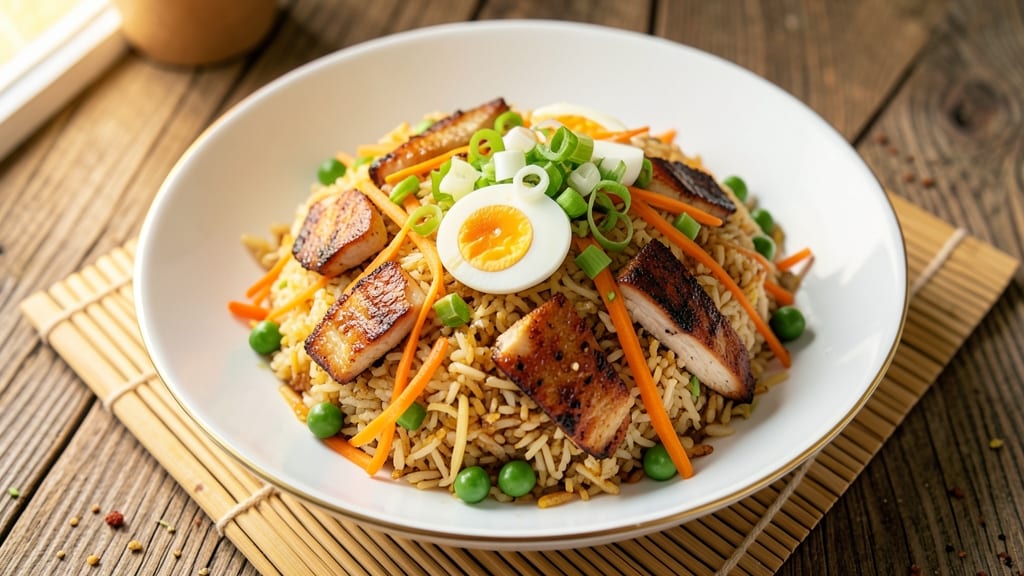
This Chinese combination fried rice recipe delivers the perfect balance of textures and flavors—crispy edges, tender proteins, and aromatic wok hei in every bite. The secret lies in high-heat stir-frying and precise seasoning, transforming simple ingredients into a restaurant-quality dish.
I’ve perfected this method over years of testing, ensuring every grain stays distinct yet cohesive, with eggs binding the mixture into a harmonious fusion.
What sets this recipe apart is the wok-tossed technique, where proteins like chicken or shrimp are seared first, then folded into perfectly seasoned rice with a splash of soy sauce and a finish of sesame oil. The result?
A dish that’s crunchy, savory, and deeply flavorful, with optional additions like peas, carrots, or scallions for freshness. Whether you’re feeding a crowd or meal prepping, this recipe adapts effortlessly while staying true to its roots.
Ingredients for chinese combination fried rice
High-heat stir-frying transforms simple pantry staples into restaurant-quality wok-tossed crunch with perfect eggy protein fusion.
| Ingredient | Amount | Notes |
|---|---|---|
| Day-Old Cooked Jasmine Rice 🍚 | 4 cups | Cold, broken into pieces |
| Boneless Chicken Breast 🍗 | 1 ½ lb | Diced into 0.5-inch pieces |
| Large Eggs 🥚 | 4 whole | Freshly beaten for binding |
| Green Onions 🧅 | ½ cup | Thinly sliced, white and green parts |
| Peas 🌿 | ½ cup | Fresh or frozen, thawed |
| Carrots 🥕 | ½ cup | Finely diced, small pieces |
| Light Soy Sauce 🍶 | ⅓ cup | Kikkoman preferred for balance |
| Dark Soy Sauce 🍶 | 1 tbsp | For deeper umami color |
| Sesame Oil 🫒 | 1 tbsp | Toasted, for aroma finish |
| Vegetable Oil 🫒 | ½ cup | High smoke point for wok |
| Garlic Cloves 🧄 | 4 cloves | Minced, aromatic base |
| Ginger Root 🌿 | 1 tbsp | Freshly grated, zesty kick |
| White Pepper 🌶️ | ½ tsp | Freshly ground for heat |
| Salt 🧂 | 1 tsp | Diamond Crystal preferred |
| Oyster Sauce 🍶 | 2 tbsp | For rich umami depth |
The rice is non-negotiable—use day-old jasmine rice (the cold, broken kind) for that signature crunch. Costco or Asian markets carry bulk jasmine rice at unbeatable prices, and the flavor profile is unmatched. Chicken breast should be diced uniformly—0.5-inch pieces cook evenly without drying out. For the eggs, fresh, room-temperature eggs bind the rice better, so take them out of the fridge 20 minutes before cooking. Green onions add freshness, but if you're short on time, scallions from the frozen section work perfectly well when thawed and chopped.
No light soy sauce? Substitute regular soy sauce at half the amount, but you'll lose that signature golden color. Dark soy sauce can be skipped entirely if you're avoiding color, but the umami depth is worth it. The oyster sauce is crucial—vegetarian versions work, but traditional adds that unmistakable depth. For a quicker prep, frozen peas and carrots save time without sacrificing texture. The sesame oil goes in last—toasted, not the cheap, rancid kind—so don't add it until the very end or it'll burn.
This dish reheats beautifully—microwave with a splash of water for 2 minutes to restore crispiness. Keeps for 4 days in the fridge, or freeze portions for 3 months using airtight containers. For meal prep, divide into single servings before freezing—reheat only what you need. The flavors actually improve overnight as the soy sauce and sesame oil meld together, so leftovers are just as good as day one.
Why You'll Love This Recipe
- I’ll be real: I make a double batch on purpose. The next day’s fried rice? Just as good, maybe better, because the rice soaks up all the leftover wok flavors. (Pro tip: Add a splash of soy sauce to revive it.)
- No-Chop Fridays: I swear by this trick—just slice the chicken thin and let the wok do the work. No julienne skills needed, and the peas? Toss them in frozen—they’ll thaw and crisp up perfectly.
- Umami Bomb: That crispy chicken, the egg’s creamy center, and the bright green onions? Every bite layers flavor like a puzzle. Honestly, the first time I made it, I ate a whole bowl before the table was set.
- Lunchbox Hero: Pack it cold or reheat it—this rice travels like a champ. My kids take it to school (yes, even with peas) and my husband brings it to work. It’s the only meal I don’t have to stress about spilling.
Step-by-step instructions for Chinese combination fried rice
Master this wok technique for restaurant-quality fried rice with perfect texture and flavor balance.
Prepare the Protein and Vegetables
Begin by dicing the 1.5 lb boneless chicken breast into ½-inch pieces using a sharp chef's knife. The smaller and more uniform the pieces, the faster they'll cook and absorb flavors. Pat them dry with paper towels—this ensures a better sear and prevents steaming.
Next, finely dice the ½ cup carrots into small, even pieces no larger than ¼ inch—this size ensures they cook quickly alongside the rice. Thinly slice the ½ cup green onions, separating the white and green parts. The white portions will cook down, while the green tops add freshness at the end. Measure out the ½ cup peas (fresh or thawed frozen) and set aside.
Create the Egg and Aromatic Base
In a large mixing bowl, beat the 4 whole large eggs until frothy but not fully emulsified—you want visible streaks of white. This texture ensures the eggs scramble into soft, tender curds rather than dense clumps. In a separate small bowl, whisk together the 2 tbsp oyster sauce, 0.33 cup light soy sauce, 1 tbsp dark soy sauce, 1 tbsp sesame oil, ½ tsp white pepper, and 1 tsp salt. This marinade will infuse every component with deep umami and aromatic balance.
While the eggs rest, heat ¼ cup vegetable oil in a 14-inch wok or large skillet over medium-high heat until shimmering. Add the 4 cloves minced garlic and 1 tbsp freshly grated ginger root, stirring constantly for 30 seconds until fragrant but not browned. This quick cook preserves their bright flavors without bitterness.
Cook the Eggs and Chicken
Pour the beaten eggs into the wok and let them set undisturbed for 10 seconds before gently pushing them into soft curds with a spatula. Remove the eggs and set aside. Add another ¼ cup vegetable oil to the wok and increase heat to high. Working in batches if needed, sear the chicken pieces until golden brown and cooked through (about 3-4 minutes). Transfer to a plate and set aside.
Here's the thing—don't overcrowd the wok. If you add too much chicken at once, the oil temperature drops, and you'll end up with steamed rather than seared chicken. The goal is a crispy exterior with juicy centers.
Wok-Toss the Rice
Add the remaining ¼ cup vegetable oil to the wok and increase heat to high. Add the 4 cups cold day-old jasmine rice, breaking up any clumps with your spatula. Stir-fry vigorously for 2-3 minutes, using the heat of the wok to dry out the rice slightly—this creates that signature crispy texture.
Pour the reserved sauce mixture over the rice and toss continuously for 1 minute until the rice is evenly coated and the sauce is absorbed. Add the ½ cup peas, ½ cup diced carrots, and the previously cooked chicken. Toss everything together for another 2 minutes, letting the high heat wok-toss the ingredients while they cook through.
Finish and Serve
Return the egg curds to the wok and toss everything together for 30 seconds to distribute the eggs evenly. Add the thinly sliced green onion whites and toss for another 15 seconds. The dish is ready when the rice is heated through, the chicken is fully cooked, and the vegetables are tender-crisp.
Remove from heat and immediately stir in the green onion tops for freshness. Serve family-style in a large bowl or individual plates, garnished with an extra drizzle of sesame oil if desired. The rice should be aromatic, each bite delivering a perfect balance of textures—crispy edges, tender rice, and silky egg curds.
Pro Tips For Making Chinese Combination Fried Rice
- Break Chicken into Bites First: I learned this the hard way—trying to chop chicken while it’s hot and sticky is a mess. Cut the raw chicken breast into ½-inch cubes before cooking, then marinate with a splash of soy sauce and cornstarch (1 tsp each). This keeps the pieces even-sized and prevents them from turning into a dry, overcooked pulp when stir-fried later.
- Prep Eggs Like a Pro: Whisk eggs with a splash of water (about 1 tablespoon per egg) and a pinch of salt—this makes them fluffier and less likely to stick. Scramble them in a separate pan on medium-low heat until just set (about 2 minutes), then chop roughly. Adding them last ensures they stay tender instead of rubbery.
- Use Cold, Dry Rice: Your day-old rice should be completely cold and dry—no clumps, no moisture. Spread it on a tray to cool faster if needed, and break up any lumps with your hands before stir-frying. Cold rice absorbs the sauce better and gives you that perfect separate-grain texture instead of a gluey blob.
- Stir-Fry in Stages: Don’t dump everything in at once—crowding kills the wok hei. First, sear the chicken on high heat until no longer pink, then remove. Next, scramble the eggs, push to one side, and add peas and green onions (they cook fast). Finally, toss in the rice and sauce, stirring constantly for 2-3 minutes until everything’s heated through. This keeps flavors balanced and ingredients crisp.
Wine and beer pairings for these flavors
Light Beer Pairings
A crisp lager like Asahi Super Dry or Sapporo complements the dish’s savory-sweet balance beautifully. The light body and subtle hop bitterness cut through the richness of the soy sauce and sesame oil without overpowering the delicate wok hei flavors.
I’ve found that Japanese lagers work best—they’re clean, refreshing, and let the fried rice shine. For a domestic option, try Bud Light or Coors Light, which have a similar lightness. 🍺
Rice Wine Options
For a more traditional pairing, serve with Chinese rice wine like Shaoxing wine or Mijiu. These wines add a subtle sweetness that mirrors the dish’s umami depth.
I like to chill 1-2 oz of Shaoxing wine and drizzle it lightly over the fried rice at the table—it enhances the aromatics and adds a touch of elegance. If you can’t find Shaoxing, Mirin (a Japanese sweet rice wine) works as a decent substitute. 🍶
Dry Red Wine
A light-bodied red wine like Pinot Noir or Beaujolais pairs surprisingly well with the dish’s savory-sweet profile. The acidity in these wines cuts through the richness, while their fruitiness balances the soy and sesame notes.
I recommend a chilled Pinot Noir (yes, chilled!) to highlight its bright cherry and floral notes. Avoid heavy, tannic reds like Cabernet Sauvignon—they’ll clash with the dish’s delicate flavors. 🍷
Non-Alcoholic Alternatives
For a refreshing non-alcoholic option, try sparkling yuzu soda or ginger beer. The effervescence cleanses the palate between bites, while the citrus or ginger notes complement the dish’s umami and aromatic garlic-ginger base.
I also love serving iced green tea with a hint of lemon—it’s light, refreshing, and pairs perfectly with the fried rice’s savory-sweet balance. 💚
Pro Tip: Garnish Matters
If you’re pairing with beer or wine, consider garnishing your dish with a sprig of fresh cilantro or a drizzle of chili oil to elevate the experience. The cilantro adds brightness, while the chili oil introduces a subtle heat that enhances the beer’s bitterness or wine’s acidity.
Trust me, this little touch makes the pairing feel like a restaurant-worthy moment. ✨
Nutrition facts
Frequently asked questions
Why does my fried rice turn out mushy instead of crispy?
Mushy fried rice usually happens when using fresh rice or not cooking it long enough at high heat. Always use day-old, cold jasmine rice broken into pieces—this creates the signature crunch. Cook the rice in the wok for 2-3 minutes at high heat to dry out the grains before adding other ingredients. The key is high heat and constant tossing to build that crispy texture.
Can I make this recipe vegetarian?
Replace the chicken with tofu, mushrooms, or shrimp for a vegetarian version. Use firm tofu pressed and cubed or shiitake mushrooms for meaty texture. For extra umami, add 1 tbsp vegetarian oyster sauce or a splash of soy sauce. The eggs and vegetables will still provide that delicious protein fusion.
What’s the best way to reheat fried rice?
Reheat in a skillet or wok over medium-high heat with a splash of water or 1 tsp soy sauce to restore crispiness. Microwave reheating works too—cover with a damp paper towel for 1-2 minutes. For best results, reheat only what you need since fried rice loses its crunch when kept warm too long. The flavors actually improve overnight, so leftovers taste even better!
How do I prevent my fried rice from being too salty?
Taste as you go! Start with half the soy sauce and adjust to preference. The key is balancing the light and dark soy sauce—dark adds color without much salt. If it’s too salty, stir in 1 tsp rice vinegar or a pinch of sugar to balance. Always season the rice gradually rather than dumping all the sauce at once.
Can I make this recipe in a regular pan?
Yes, but a large, deep skillet works best to mimic wok tossing. Use high heat and keep stirring constantly to prevent sticking. A wok gives better heat distribution and that signature wok hei (smoky aroma), but a well-seasoned cast iron skillet can still deliver great results. Just be patient—it may take slightly longer to cook evenly.