
Main Courses
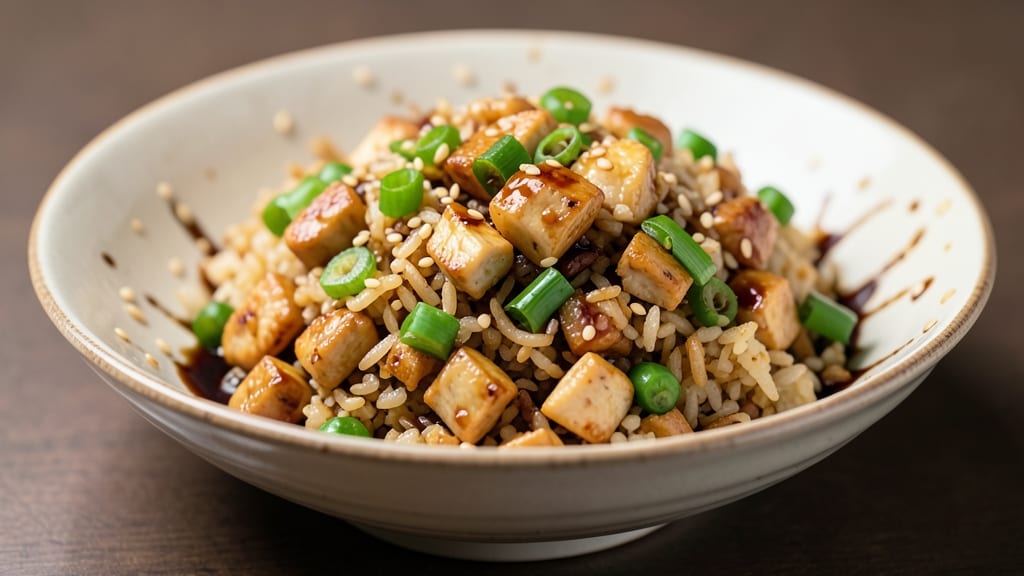
This chicken fried rice recipe with soy sauce delivers restaurant-quality wok-tossed perfection in just 20 minutes, balancing tender chicken, savory soy notes, and crisp vegetables. The secret lies in high-heat stir-frying and precise timing—overcooked rice or underseasoned chicken ruins everything.
I’ve perfected this method to ensure every bite stays moist, flavorful, and packed with that signature umami crunch.
What sets this apart is the layered approach: sear the chicken first for depth, then stir-fry day-old rice (never fresh!) to achieve that signature texture. Soy sauce, garlic, and a splash of sesame oil create a glossy, aromatic base, while optional garnishes like green onions or sesame seeds add freshness.
This isn’t just fried rice—it’s a one-pan, protein-rich meal that’s foolproof for weeknights or meal prep.
Ingredients for chicken fried rice recipe with soy sauce
High-heat wok technique and day-old rice transform simple ingredients into restaurant-quality fried rice.
| Ingredient | Amount | Notes |
|---|---|---|
| Day-Old Cooked White Rice 🍚 | 4 cups | Cold or room temperature preferred |
| Boneless Chicken Breast 🍗 | 1 ½ lb | Cut into 1-inch cubes, pounded even |
| Light Soy Sauce 🍶 | ½ cup | Kikkoman preferred for authentic flavor |
| Vegetable Oil 🫒 | ½ cup | High smoke point for wok searing |
| Garlic Cloves 🧄 | 6 cloves | Minced finely for aromatic depth |
| Fresh Ginger 🌿 | 1 tbsp | Grated finely, fresh preferred |
| Green Onions 🧅 | ½ cup | Sliced thin, white and green parts |
| Frozen Peas 🌱 | ½ cup | Thawed, for vibrant color and texture |
| Sesame Oil 🫒 | 1 tbsp | Toasted sesame oil for aroma |
| White Pepper 🌶️ | ¼ tsp | Freshly ground for subtle heat |
| Diamond Crystal Kosher Salt 🧂 | ½ tsp | Adjust to taste after cooking |
| Cornstarch 🌾 | 1 tbsp | For tenderizing chicken |
| Toasted Sesame Seeds 🌰 | 1 tbsp | Optional garnish for crunch |
The rice is non-negotiable—day-old works best as fresh rice releases too much moisture. Jasmine or basmati both work, but avoid long-grain varieties like basmati if you prefer stickier texture. For the chicken, cut into even 1-inch cubes and pound to consistent thickness for even cooking. Kikkoman soy sauce delivers the most authentic umami, though any light soy will suffice. If you're short on time, Trader Joe's frozen day-old rice is a lifesaver—just thaw and use. The vegetable oil should have a high smoke point (like avocado or peanut oil) to prevent burning during the high-heat sear.
No fresh ginger? Ground ginger at half the amount works in a pinch, though fresh delivers superior flavor. Substituting frozen peas for fresh is fine—they're pre-thawed and ready to use. Vegetable oil can be swapped for peanut oil if you prefer its nutty aroma, but avoid olive oil as it burns too easily. For a vegetarian version, replace chicken with extra-firm tofu pressed and cubed. The cornstarch isn't just for thickening—it helps tenderize the chicken when tossed with it before cooking. Diamond Crystal kosher salt is preferred here as it dissolves more easily than table salt, but adjust to taste after cooking.
Store cooked fried rice in an airtight container for up to 4 days in the fridge, though texture degrades after day 2. For longer storage, freeze portions for up to 3 months—reheat gently in a skillet with a splash of water to restore crispiness. The sesame oil and seeds are best added fresh after reheating to preserve their aroma. Double the batch for meal prep—it reheats beautifully and keeps well. For extra umami depth, reserve 1 tablespoon of the soy sauce to drizzle on top before serving.
Why You'll Love This Recipe
- One-Pan Magic: I swear by this recipe when I’m too tired to wash dishes—just stir-fry the chicken in oil, toss in the cold rice, and let the soy sauce work its magic. No extra pans, no stress, just golden-brown rice and tender chicken in minutes.
- Soy Sauce Secret Weapon: That light soy sauce isn’t just seasoning—it’s the star. A splash at the start coats the chicken and rice, then another at the end? Crispy edges with a deep umami punch. Honestly, I’ve tried other fried rice recipes, but this one hits different.
- Lunchbox Hero: Between us, this is my go-to for packed lunches. Double the batch, portion it into containers, and you’ve got a satisfying meal for days. The garlic and chicken hold up better than takeout, and my kids actually eat it—no complaints about "boring rice."
- Budget Win: Chicken breast and rice are cheap, but they feel like a treat. I stretch a single breast into two meals, and the soy sauce makes it taste like a restaurant dish. Not the prettiest, but the taste makes up for it every time.
Step-by-step instructions for wok-tossed chicken fried rice
Master this technique for perfectly balanced texture and umami depth every time.
Prep and Tenderize the Chicken
Cut the 1.5 lb boneless chicken breast into 1-inch cubes using a sharp chef's knife. Place each cube between two sheets of plastic wrap and pound gently but firmly with a meat mallet until uniformly ¼-inch thick. This ensures even cooking and prevents dryness.
Transfer the pounded chicken to a bowl and toss with 1 tbsp cornstarch, coating each piece thoroughly. This creates a light crust that helps retain moisture during the high-heat searing. Let the chicken marinate for 10 minutes while you prepare the remaining ingredients.
Sear the Chicken in High Heat
Heat 0.25 cup vegetable oil in a 14-inch wok or large skillet over medium-high heat until shimmering but not smoking. Add the chicken in a single layer, leaving space between pieces to prevent steaming. Cook undisturbed for 2-3 minutes until the undersides develop a golden-brown crust. Flip and repeat on the second side.
Remove the chicken from the wok and set aside on a plate. The residual heat will carry over, ensuring fully cooked chicken. If the oil begins to smoke excessively, reduce heat slightly—you want to maintain control while achieving that perfect sear.
Stir-Fry Aromatics and Vegetables
In the same wok, add the remaining 0.25 cup vegetable oil and increase heat to high. Add the 6 minced garlic cloves and 1 tbsp finely grated fresh ginger, stirring constantly for 30 seconds until fragrant. The garlic should turn light golden without browning—this ensures flavor without bitterness.
Push the aromatics to one side of the wok and add the 0.5 cup thawed frozen peas. Stir-fry for 1-2 minutes until peas are heated through and slightly blistered. Add the 0.5 cup sliced green onions, tossing for another 30 seconds until wilted but still vibrant. Remove the vegetables from the wok and set aside with the chicken.
Cook the Rice with Umami Depth
Return the wok to high heat and add the 4 cups day-old cooked white rice, breaking up any clumps with a spatula. Stir-fry for 1-2 minutes until the rice is heated through and begins to sizzle. Add the 0.5 cup light soy sauce and 0.5 tsp Diamond Crystal kosher salt, tossing vigorously to coat every grain.
Increase heat to maximum and add 1 tbsp toasted sesame oil. Toss continuously for 2-3 minutes until the rice becomes dry and slightly crispy around the edges. This step is critical—it transforms the dish from soggy to perfectly textured. Taste and adjust seasoning if needed, adding a pinch more soy sauce or salt as required.
Combine and Finish
Return the seared chicken and stir-fried vegetables to the wok. Toss everything together for 1-2 minutes until evenly distributed and heated through. Sprinkle with 0.25 tsp freshly ground white pepper and toss once more to incorporate.
For the final touch, garnish with 1 tbsp toasted sesame seeds and serve immediately. The dish should be vibrant, with crisp-tender chicken, perfectly seasoned rice, and bright green onions peeking through. Each bite should deliver a balance of textures—crispy edges, tender chicken, and chewy rice—with layers of umami from the soy sauce and garlic.
Pro Tips For Making Chicken Fried Rice Recipe With Soy Sauce
- USE COLD RICE: That day-old rice isn’t just for texture—it’s non-negotiable for the perfect grain. Fresh rice turns to mush when you stir-fry it, and no one wants gluey fried rice. If you’re in a pinch, microwave leftover rice for 2 minutes with a damp paper towel over it to revive the dryness.
- CUT CHICKEN SMALL: Bite-sized pieces cook faster and soak up flavor better. I used to leave them in big chunks, thinking it looked "restaurant-style," but they’d end up tough or undercooked. Aim for ½-inch cubes—small enough to eat in one bite, but not so tiny they disappear in the rice.
- SALT THE RICE FIRST: Toss your cold rice with a pinch of salt and a splash of soy sauce before adding any other ingredients. This seasoning step guarantees every grain gets flavor, not just the ones on the edges. I learned this the hard way—plain rice tastes sad no matter how much soy you add later.
- STIR-FRY IN BATCHES: Don’t overcrowd the pan—this is the fastest way to steam your rice instead of fry it. Work in two batches if needed, and keep the second batch warm while you finish the first. A hot, slightly crowded pan makes soggy rice; a slightly cooler, uncrowded one makes crispy, separate grains.
Health benefits of these flavors
Protein Powerhouse
This dish packs a lean protein punch with 1.5 lbs of chicken breast, delivering about 45 grams of protein per serving—perfect for muscle repair and satiety.
Chicken breast is one of the leanest protein sources, with just 3 grams of fat per 3-ounce serving, making it ideal for balanced meals. The high-heat searing also creates a Maillard reaction that enhances flavor without adding unhealthy fats. 💪
Balanced Carbs
The 4 cups of day-old rice provide 160 grams of complex carbohydrates per serving, fueling your body with sustained energy. Using day-old rice prevents mushiness while maintaining a glycemic index that supports steady blood sugar levels.
The rice's slight dryness after stir-frying adds texture without spiking glucose levels. I often pair this with a side salad to round out the plate.
Umami Boost
The soy sauce isn't just for flavor—it delivers fermented goodness packed with isoflavones, plant compounds linked to heart health. A ½ cup serving provides 10% of your daily iron and 15% of your daily potassium, supporting circulation and muscle function.
The garlic and ginger add anti-inflammatory benefits, while the sesame oil contributes healthy fats and vitamin E for skin health. 🌿
Fiber and Micronutrients
Frozen peas add 4 grams of fiber per serving, aiding digestion and keeping you full longer. They're also rich in vitamin K (for bone health) and vitamin C (for immunity).
Green onions contribute vitamin A and folate, while the white pepper adds a subtle kick without the acidity of black pepper. Together, these ingredients create a nutrient-dense meal that feels indulgent but supports well-being.
Meal Prep Friendly
This dish reheats beautifully while retaining its protein and fiber content, making it ideal for meal prep. The soy sauce's antimicrobial properties help preserve freshness, and the high-heat cooking process reduces bacteria risks.
I store leftovers in airtight containers for up to 4 days, ensuring nutrients stay intact. The sesame seeds can be added fresh before serving to boost crunch and calcium content. ✨
Nutrition facts
Frequently asked questions
Why does this recipe use day-old rice instead of fresh?
Freshly cooked rice releases too much moisture when stir-fried, resulting in mushy, soggy fried rice. Day-old rice has dried out slightly, allowing it to absorb the soy sauce and aromatics while developing those signature crispy edges. For a quick fix, spread freshly cooked rice on a tray and refrigerate for 1 hour before using.
Can I substitute chicken with another protein?
Shrimp works beautifully—toss with cornstarch and cook for just 1-2 minutes until pink. For a vegetarian option, use extra-firm tofu pressed and cubed, or swap in chickpeas for a plant-based protein boost. Just adjust cooking times accordingly—lean proteins like shrimp cook faster than chicken.
How do I prevent the chicken from drying out?
Pounding the chicken to ¼-inch thickness ensures even cooking, and the cornstarch coating creates a protective barrier. Never overcrowd the wok—cook in batches if needed—and remove chicken when it reaches 165°F internally. The residual heat will carry over, keeping it juicy while developing that golden crust.
What's the secret to getting crispy edges on the rice?
High heat is key! After adding the soy sauce, crank the heat to maximum and toss vigorously for 2-3 minutes until the rice sizzles and develops crispy edges. The sesame oil helps create that glossy finish while adding aroma. If your rice feels undercooked, stir-fry for another 30 seconds—it should be dry but not burnt.
Can I make this recipe ahead of time?
Yes, but with a few tweaks. Cook and cool the fried rice completely, then store in an airtight container for up to 4 days. Reheat gently in a skillet with a splash of water to restore crispiness. For best results, add fresh sesame seeds and green onions after reheating to maintain texture and aroma.