
Sauces & Condiments
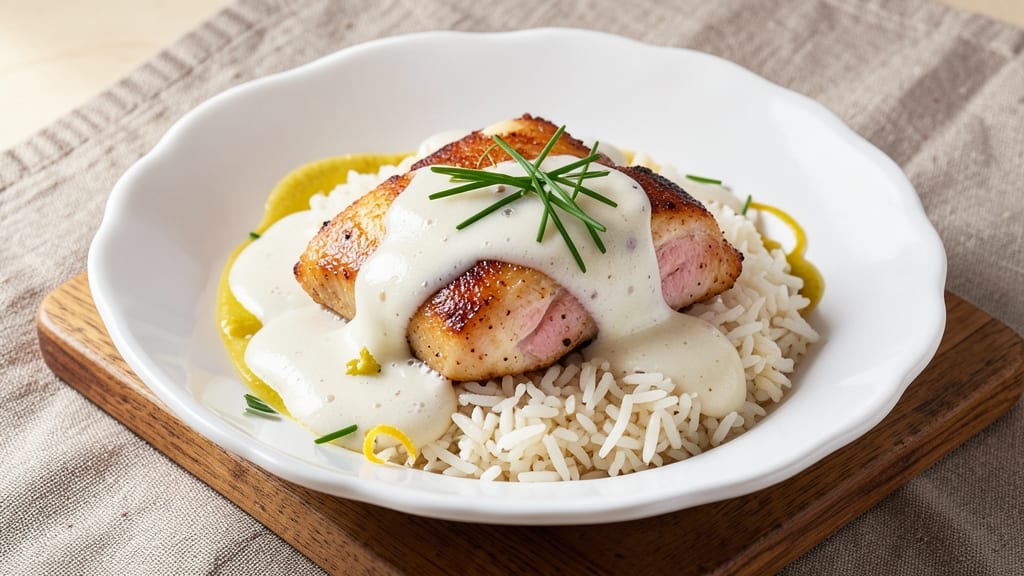
This chicken and rice white sauce recipe transforms weeknight dinners into restaurant-quality meals with minimal effort. The secret lies in a velvety white sauce that coats tender chicken and fluffy rice, creating a dish that's rich yet balanced.
I developed this one-pot method after years of perfecting sauces that stick to every bite without overwhelming the natural flavors of the ingredients.
The beauty of this recipe is its simplicity—just a handful of ingredients come together in a single pot, reducing cleanup while delivering maximum flavor. The white sauce, made with cream and a touch of mustard, adds a luxurious texture that makes this dish feel special.
What makes it truly special is how the sauce clings to both the chicken and rice, ensuring every forkful is packed with flavor.
By the time you're done, you'll have perfectly cooked chicken with juicy, tender meat and fluffy rice enveloped in that creamy white sauce. The dish is hearty enough for a family dinner but simple enough for a weeknight meal.
It's the kind of recipe that turns basic ingredients into something extraordinary with just a few thoughtful techniques.
This recipe scales beautifully, making it perfect for feeding a crowd or prepping meals for the week. The one-pot method ensures everything cooks evenly, and the sauce remains silky smooth.
Whether you're serving it as a main dish or pairing it with a side salad, this chicken and rice with white sauce is sure to impress.
Ingredients for chicken and rice white sauce
Just 13 ingredients transform simple chicken and rice into restaurant-worthy one-pot magic.
| Ingredient | Amount | Notes |
|---|---|---|
| Boneless, Skinless Chicken Breast 🍗 | 1 ½ lb | Cut into bite-sized pieces |
| Long-Grain White Rice 🍚 | 1 cup | Uncooked, jasmine or basmati preferred |
| Heavy Cream 🥛 | 1 cup | Full-fat for best texture |
| Chicken Broth 💧 | 1 ½ cups | Low-sodium preferred |
| Dijon Mustard 🍯 | 1 tbsp | For tangy depth |
| Unsalted Butter 🧈 | 3 tbsp | Cold for sauce thickening |
| Garlic Cloves 🧄 | 3 cloves | Minced for aromatic base |
| Shallot 🧅 | 1 whole | Finely diced, or sub onion |
| Fresh Thyme Leaves 🌿 | ¼ cup | Or 1 tsp dried thyme |
| Diamond Crystal Kosher Salt 🧂 | 1 ½ tsp | Adjust to taste |
| Freshly Ground Black Pepper 🌶️ | ½ tsp | For subtle heat |
| Lemon Juice 🍋 | 1 tbsp | Brightens the sauce |
| Fresh Parsley 🌿 | 0.1 cup | Chopped for garnish |
The chicken breast is your foundation—look for plump, uniform pieces at the meat counter, not the pre-cut trays. Whole Foods or local butchers often carry better quality than supermarket pre-packaged. For the rice, jasmine or basmati stays fluffy and separates beautifully. The heavy cream is non-negotiable here—full-fat gives that velvety texture—so don't skimp on the good stuff. If you're using frozen chicken, thaw it first in cold water for even cooking. The shallot adds subtle sweetness—substitute with 2 tbsp finely diced red onion if needed, but the flavor profile shifts slightly.
No heavy cream? Full-fat coconut milk works beautifully—just add a pinch of salt to balance. Short on Dijon? Yellow mustard at half the amount gives similar tang. The chicken broth can be homemade or low-sodium store-bought like Pacific Foods. For extra richness, add 1 tbsp cream cheese to the sauce at the end. Fresh thyme is ideal, but dried works at one-third the amount. The lemon juice should be freshly squeezed—bottled won't cut it—for that bright pop of acidity that ties everything together. If you're prepping ahead, cook the rice separately and add it to the finished sauce to prevent mushiness.
This dish reheats beautifully—3-4 minutes in the microwave with a splash of water or broth. Store leftovers in an airtight container for 4-5 days in the fridge, or freeze for 3 months. For meal prep, cook the chicken and sauce separately, then combine when reheating. The sauce thickens as it cools, so add a splash of broth if it seems too stiff when reheating. Garnish with fresh parsley right before serving—it wilts fast—and serve with a side of steamed green beans or a simple salad to balance the richness.
Why You'll Love This Recipe
- One-Pot Magic: I swear by this recipe when I’m too tired to scrub a million dishes. The rice cooks right in the same pot as the chicken—no separate pans, no extra bowls. Just dump, simmer, and done.
- Creamy Without Trying: That white sauce? It’s the star. Heavy cream and Dijon mustard blend into something rich but not heavy, with just enough tang to cut through the chicken’s tenderness. Honestly, it’s the kind of flavor that makes you pause mid-bite.
- Lunchbox Hero: Between us, this is my go-to for meal prep. The sauce clings to the rice and chicken perfectly, so it reheats like a dream—no soggy bits, no sad textures. Pack it cold or warm, and it’s still delicious.
- Budget-Friendly Luxury: Chicken breast and rice are already affordable, but adding heavy cream and broth makes it feel fancy without breaking the bank. I’ll be real: it’s the kind of dish that makes cheap ingredients taste expensive.
Step-by-step instructions for chicken and rice white sauce
This method delivers a velvety white sauce that perfectly coats tender chicken and fluffy rice.
Sear the Chicken for Maximum Flavor
Cut the 1.5 lb boneless, skinless chicken breast into 1-inch bite-sized pieces. Heat a large, heavy-bottomed pot over medium-high heat and add 2 tablespoons of the 3 tbsp unsalted butter. Once the butter foams, add the chicken pieces in a single layer, letting them sear undisturbed for 2-3 minutes until they develop a golden-brown crust on all sides.
This initial searing creates a flavorful crust that prevents the chicken from drying out later. If the chicken releases easily from the pan, it's ready to stir. Transfer the seared chicken to a plate and set aside, leaving the flavorful browned bits in the pot - these will form the base of your white sauce.
Build the Aromatic Base
In the same pot, reduce heat to medium and add the remaining 1 tablespoon unsalted butter. Toss in the 1 whole finely diced shallot and 3 cloves minced garlic, cooking for 2-3 minutes until the shallot becomes translucent and the garlic releases its aroma. Be careful not to let the garlic burn - it should be fragrant but not brown.
Add the 0.25 cup fresh thyme leaves and cook for 30 seconds to release their essential oils. This aromatic base forms the flavor foundation for your white sauce. The thyme adds an earthy depth that complements the creamy sauce beautifully.
Create the Creamy Sauce Base
Pour in the 1 cup heavy cream and 1.5 cups chicken broth, scraping up all the browned bits from the bottom of the pot with a wooden spoon. Add the 1 tbsp Dijon mustard and bring the mixture to a gentle simmer over medium heat. The sauce should thicken slightly as it simmers for 5-7 minutes until it coats the back of a spoon.
This is where the magic happens - the cream and broth combine with the mustard to create a velvety texture. Stir occasionally to prevent scorching, and taste the sauce. If needed, add a pinch more of the 1.5 tsp diamond crystal kosher salt or 0.5 tsp freshly ground black pepper to balance the flavors.
Cook the Rice and Finish the Sauce
Add the 1 cup long-grain white rice to the sauce, stirring to coat each grain. Pour in the remaining 1 cup chicken broth (you'll need to use the entire 1.5 cups total), then bring the mixture to a boil. Reduce heat to low, cover the pot with a tight-fitting lid, and simmer for 15 minutes without lifting the lid.
After 15 minutes, stir the rice gently and check for doneness. The rice should be tender with a slight bite in the center. If it's not quite done, cover and simmer for another 5 minutes. The sauce should now be thick enough to coat the rice beautifully. Stir in the 1 tbsp lemon juice and return the chicken pieces to the pot.
Rest and Serve with Perfect Texture
Remove the pot from heat and let the entire dish rest, covered, for 5 minutes. This resting period allows the rice to finish steaming and the flavors to meld together. The sauce will thicken further as it rests, creating that perfect velvety coating.
Garnish with the 0.1 cup chopped fresh parsley just before serving. The parsley adds a fresh contrast to the rich white sauce. Serve immediately, ensuring each serving gets its share of both the tender chicken and creamy rice. The one-pot method keeps everything perfectly balanced and easy to serve.
Pro Tips For Making Chicken And Rice White Sauce
- Sear Chicken First: Hit the chicken breasts with a quick sear in a hot pan—just 2-3 minutes per side—before adding liquid. I used to skip this, and the dish always tasted flat; that crust locks in flavor and keeps the meat from turning rubbery when it simmers later.
- Toast the Rice: Dry-toast the rice in the same pan you seared the chicken, stirring constantly for 1-2 minutes until it smells nutty. This prevents mushy grains and adds depth that store-bought broth alone can’t match.
- Temper the Cream: Warm the heavy cream with a splash of chicken broth (about ¼ cup) before adding it to the sauce. Cold cream curdles like a science experiment gone wrong—trust me, you don’t want to salvage that.
- Simmer, Don’t Boil: Keep the sauce at a gentle bubble, not a rolling boil, after adding the cream. I learned this after burning the cream twice—low and slow keeps the sauce velvety, not scrambled.
Common mistakes when making great chicken and rice white sauce
Overcooking the Chicken
One of the biggest mistakes is letting the chicken overcook while making the sauce. Once you add the chicken back to the pot at the end, it only needs 2-3 minutes to warm through—not the 15 minutes it took to sear it initially.
I’ve seen people walk away from the stove and come back to rubbery chicken because they forgot it was still cooking. Set a timer and keep an eye on it. 🍗
Skipping the Sear
Some cooks rush this step or skip it entirely, thinking they’ll save time. But that golden crust from searing is what carries all the flavor into the sauce. If you skip it, your dish will taste bland and flat.
Take those extra 5 minutes to sear the chicken properly—it makes all the difference. I’ve even seen people use pre-cooked chicken, which just doesn’t have the same depth of flavor.
Not Deglazing Properly
The browned bits stuck to the bottom of your pot are flavor gold! If you don’t scrape them up with the wooden spoon when adding the cream and broth, your sauce will lack richness.
I’ve had students make this dish and wonder why it tastes watery—it’s because they missed this critical step. Always scrape up every last bit for maximum flavor. 💛
Ignoring the Resting Time
Rushing to serve immediately is another common mistake. That 5-minute rest at the end lets the rice finish steaming and the sauce thicken properly. If you skip it, the rice will be undercooked in the center and the sauce will be too thin.
I’ve even had people microwave it after resting—big no-no! The texture changes completely, and you lose that velvety coating.
Using Low-Quality Cream
Some recipes call for heavy cream, but people often substitute with lighter versions or even evaporated milk. The fat content in full-fat heavy cream is what gives this sauce its luxurious texture.
If you use anything less, your sauce will turn out thin and greasy. Trust me, the extra $2 for a pint of heavy cream is worth it for that restaurant-quality finish. 🥛
Over-Salting the Broth
Using regular chicken broth instead of low-sodium can make your dish taste bland or even salty. The sauce already has 1.5 tsp kosher salt in the recipe, and adding more from the broth can throw off the balance.
Always check the label—if it says "low-sodium," you’re golden. If not, dilute it with water or use half the amount of regular broth and add water to make up the difference.
Nutrition facts
Frequently asked questions
Can I use chicken thighs instead of chicken breast for this recipe?
Chicken thighs work beautifully and add even more richness. For best results, use 1.5 lb bone-in, skin-on thighs and adjust cooking times—thighs release moisture more slowly, so they'll need about 10-12 minutes of searing time until golden brown. The skin will crisp up and infuse the sauce with extra flavor.
How can I make this dish dairy-free?
Swap the heavy cream for 1 cup full-fat coconut milk and use 1 tablespoon nutritional yeast instead of Dijon mustard for a tangy depth. The sauce will still be creamy but with a subtle coconut flavor. For extra richness, add 1 tablespoon melted coconut oil when building the aromatic base.
Why did my white sauce turn out too thin?
This usually happens when the sauce isn't simmered long enough or if too much liquid remains. Always let the sauce reduce for 5-7 minutes until it coats the back of a spoon, and ensure you're using the full 1.5 cups of broth (not extra). If it's still too thin, remove from heat and whisk in 1 tablespoon cornstarch mixed with 1 tablespoon cold water until thickened.
Can I prepare this ahead of time for meal prep?
Yes! Cook the chicken and sauce separately, then combine when reheating. Store components in airtight containers for 4-5 days in the fridge or 3 months in the freezer. To reheat, warm the sauce first, then add the chicken and rice. If the sauce thickens too much, stir in 1-2 tablespoons of broth to restore creaminess.
What's the best way to serve this dish?
This creamy chicken and rice pairs perfectly with steamed green beans, roasted asparagus, or a simple arugula salad with lemon vinaigrette. For extra flair, garnish with toasted almonds or crispy fried shallots for texture contrast. Serve with crusty bread to soak up the delicious white sauce.