
Main Courses
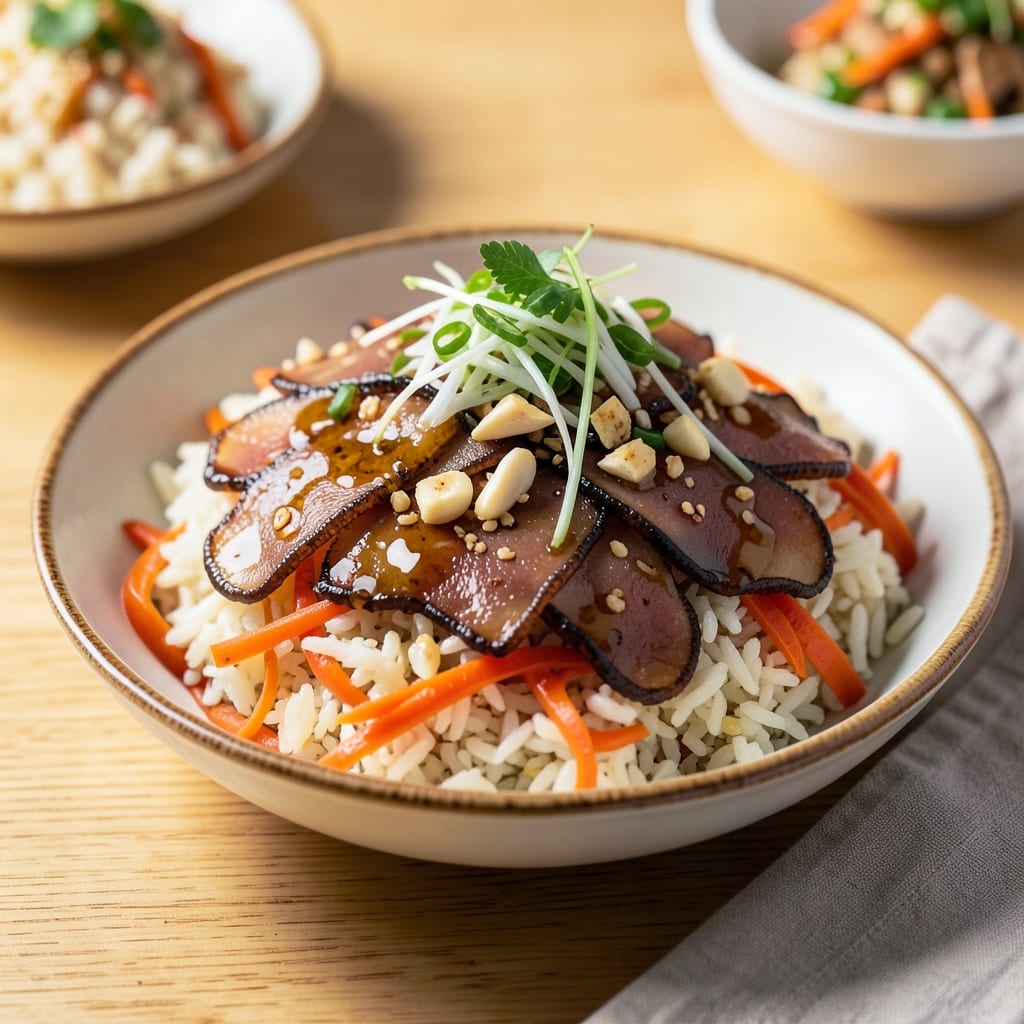
This abalone fried rice recipe transforms a classic comfort dish into a luxurious seafood centerpiece that wows with every bite. The delicate, buttery abalone—sliced paper-thin for perfect texture—elevates simple fried rice into something restaurant-worthy, all while keeping the dish balanced with crisp vegetables and aromatic seasonings. What makes this recipe special is the technique: searing the abalone first to lock in juices, then folding it into perfectly cooked rice at the last moment to maintain its tender, melt-in-your-mouth quality.
The foundation of great fried rice lies in the rice itself—day-old grains that release moisture and create that signature crisp-tender bite. We’ll use a classic wok hei technique, cooking over high heat to develop deep, smoky flavors while keeping everything vibrant and fresh. The abalone adds a premium touch, its briny sweetness complementing the savory-sweet sauce and umami-packed aromatics like garlic, ginger, and soy. This isn’t just fried rice; it’s a dish that feels like a celebration on your plate.
By the time you’re done, you’ll have a dish that’s rich in flavor but still light enough to feel satisfying—not heavy or greasy. The abalone slices stay tender and glossy, the rice is perfectly seasoned with just the right amount of wok sauce, and the vegetables add crunch and color. It’s the kind of meal that makes weeknights feel special, without requiring hours in the kitchen. Ready to upgrade your fried rice game? Let’s get started.
This recipe works equally well as a main course for two or a showstopping side for a larger gathering. The abalone’s delicate texture means it cooks quickly, so timing is everything—we’ll walk you through the exact method to ensure it’s done just as the rice hits its peak. Whether you’re serving it to guests or treating yourself to a seafood splurge, this fried rice delivers restaurant-quality results with minimal effort. Here’s how to make it.
Ingredients for abalone fried rice
Day-old rice, premium abalone, and aromatic wok hei technique—this luxurious fried rice upgrade needs just 15 ingredients.
| Ingredient | Amount | Notes |
|---|---|---|
| Day-Old Jasmine Rice 🍚 | 4 cups | Cooked and cooled completely |
| Fresh Abalone 🦪 | 8 oz | Paper-thin slices, seared first |
| Carrots 🥕 | 1 medium | julienned or thinly sliced |
| Green Onions 🧅 | 4 whole | white and green parts separated |
| Garlic Cloves 🧄 | 4 cloves | minced for aromatic base |
| Fresh Ginger 🌿 | 1 inch | peeled and finely minced |
| Light Soy Sauce 🥢 | ½ cup | for umami balance |
| Dark Soy Sauce 🥢 | 1 tbsp | for color depth |
| Sesame Oil 🫒 | 1 tbsp | toasted for aroma |
| Oyster Sauce 🍜 | 1 tbsp | for rich umami |
| Shaoxing Wine 🍷 | 1 tbsp | or dry sherry substitute |
| Vegetable Oil 🫒 | ½ cup | high smoke point |
| Salt 🧂 | 1 tsp | adjust to taste |
| White Pepper 🌶️ | ½ tsp | for subtle heat |
| Sesame Seeds 🌰 | 1 tbsp | toasted for garnish |
Abalone is the star, so pick the freshest you can find—look for plump, translucent slices at a seafood market or specialty store like Whole Foods or Trader Joe's. If you can't find fresh, high-quality frozen abalone works too, just thaw it overnight in the fridge. The rice? Day-old is non-negotiable—fresh rice turns mushy. Cook a batch ahead or use leftover rice from dinner last night. For the carrots, julienne them yourself—pre-shredded gets soggy fast. And the green onions? Separate the whites and greens—you'll cook the whites and garnish the dish with the greens.
No Shaoxing wine? Dry sherry or even a splash of rice vinegar works in a pinch. Using pre-minced garlic? Toast it in the oil first to deepen the flavor—it makes a huge difference. The soy sauces can be swapped for coconut aminos if you're avoiding soy, but you'll lose some depth. For extra richness, add a teaspoon of miso paste to the sauce. The sesame oil? Use sparingly—it's potent, and you want to taste the abalone, not just the nutty aroma. If you can't find fresh ginger, substitute with 1/2 tsp ground ginger, but fresh is always better.
This dish reheats beautifully—taste better the next day as flavors meld. Store in an airtight container for 3-4 days in the fridge, or freeze for up to 3 months. For freezing, portion into single servings first. The abalone stays tender when reheated gently—cover with a damp paper towel in the microwave to keep it moist. Garnish with fresh green onions and sesame seeds right before serving to keep everything vibrant.
Why You'll Love This Recipe
- One-Pan Magic: I swear by this trick—just toss everything into one hot pan, and let the garlic and abalone sizzle into the rice. The day-old grains soak up that buttery, briny flavor like a sponge, while the carrots caramelize without a single extra dish.
- Creamy-Brisk Bite: That abalone—oh man, it’s the star. When seared just right, it turns tender inside with a crispy edge, while the green onions add a fresh zing. Honestly, the first time I tried it, I almost skipped dessert.
- Lunchbox Hero: Between us, this is my go-to for packed lunches. The rice stays firm for hours, and the abalone holds up better than takeout. (Yes, even on a Tuesday night when I’m too tired to think.)
- Budget Luxury: Abalone might sound fancy, but a single piece stretches over two servings—no waste, just pure satisfaction. Plus, using day-old rice means less spoilage, and the veggies bulk it up for real value. My wallet and my taste buds thank me.
Step-by-step instructions for abalone fried rice
Transform simple ingredients into a restaurant-worthy seafood masterpiece with these straightforward steps.
Prepare the Abalone for Maximum Flavor
Start by slicing the 8 oz fresh abalone into paper-thin pieces—about ⅛-inch thick. I use a very sharp chef's knife and cut against the grain for even slices. Pat each piece dry with paper towels to remove any moisture, which helps create a better sear later.
Heat ¼ cup vegetable oil in a wok or large skillet over high heat until shimmering. Add the abalone slices in a single layer and let them sear undisturbed for 1-2 minutes per side until they turn opaque and slightly crispy at the edges. Remove the abalone and set aside on a plate—you'll add them back later. This initial sear builds the foundation for that luxurious seafood flavor.
Build the Aromatic Base
In the same wok, reduce the heat to medium-high and add another ¼ cup vegetable oil. Toss in the 1 medium julienned carrot and stir-fry for 1 minute until slightly softened. Add the 4 cloves minced garlic and 1 inch finely minced fresh ginger, cooking for 30 seconds until fragrant—this is where the magic happens.
Next, add the white parts of 4 whole green onions (chopped) and cook for another 30 seconds. The vegetables should be tender-crisp but still vibrant. This aromatic base forms the flavor foundation for your fried rice, so don't rush this step. If the vegetables start to brown too quickly, reduce the heat slightly to maintain their color.
Combine the Rice and Sauces
Push the vegetables to one side of the wok and add the remaining ¼ cup vegetable oil to the empty space. Increase heat to high and add the 4 cups day-old jasmine rice, stirring constantly for 1-2 minutes until the rice is heated through and begins to sizzle in the oil.
Pour in the 0.5 cup light soy sauce, 1 tbsp dark soy sauce, 1 tbsp oyster sauce, and 1 tbsp Shaoxing wine. Stir well to distribute the sauces evenly through the rice. Add the 1 tsp salt and 0.5 tsp white pepper, mixing until the rice absorbs the flavors and becomes glossy. The rice should look slightly wet but not mushy—this is perfect for fried rice texture.
Finish with Abalone and Garnish
Return the seared abalone slices to the wok and gently fold them into the rice mixture. Add the 1 tbsp sesame oil and toss everything together for 1-2 minutes until the abalone is heated through and the rice is evenly coated. The abalone should be warm but still tender—overcooking will make it tough.
Finally, sprinkle the green parts of the 4 whole green onions (chopped) and 1 tbsp toasted sesame seeds over the top. Give it one last toss to distribute the garnishes evenly. Serve immediately while hot—this dish is best enjoyed fresh out of the wok, with the abalone still slightly warm and the rice maintaining its perfect texture.
Pro Tips For Making Abalone Fried Rice
- PREP ABALONE FIRST: Cut the abalone into even ½-inch slices before heating the wok—it cooks faster than you think. I learned this the hard way when I tried to slice it mid-fry and ended up with some pieces overdone and others still chewy.
- STIR-FRY IN STAGES: Don’t dump everything in at once. Sear the abalone first in a screaming-hot wok until golden (about 1 minute), then push it aside and stir-fry carrots and garlic until fragrant before mixing in the rice. This keeps the abalone tender and prevents a mushy pile.
- USE COLD RICE: Spread your day-old rice on a tray and refrigerate for 30 minutes before frying—it’ll stay separate and absorb flavors better. I used to skip this and ended up with gummy rice every time, no matter how much oil I added.
- GARNISH WITH GREEN ONIONS LAST: Save the chopped green onions for the very end and toss them in just as you plate the dish. They’ll stay vibrant and add a fresh bite that cuts through the richness of the abalone—trust me, it makes all the difference when they’re not wilting in the wok.
Storing and reheating your abalone fried rice
Refrigerator Storage
Store your abalone fried rice in an airtight container for up to 3-4 days in the refrigerator. The flavors actually deepen overnight as the soy and sesame oils meld with the abalone's delicate taste. I like using glass Pyrex containers because they keep the dish fresh longer and reheat more evenly. Always let it cool completely before storing to prevent condensation, which can make the rice soggy. 🥟
Freezer-Friendly Tips
For longer storage, freeze portions in single-serving airtight containers or heavy-duty freezer bags. Portioning ahead saves time and prevents freezer burn. The abalone stays tender when frozen properly—just leave ½-inch headspace in containers to account for expansion. I recommend freezing for up to 3 months, though the texture may become slightly softer after that. Label containers with the date to track freshness. ❄️
Stovetop Reheating
My preferred method is stovetop reheating over medium-low heat with a splash of water or Shaoxing wine (about 1 tbsp) to restore moisture. Stir frequently for 5-7 minutes until everything is heated through. The abalone should be warm but still tender—never overheat or it'll turn rubbery. This method preserves the dish's original texture and flavor profile beautifully. 🔥
Microwave Method
For quick reheating, use the microwave on 50% power in 1-minute intervals, stirring between each. Cover with a damp paper towel to prevent drying out the abalone. Add 1 tsp water if the rice looks dry. The abalone should reach 165°F internal temperature—use a food thermometer if unsure. This method works best for single servings and takes about 2-3 minutes total. 💡
Garnish Refresh
Always garnish with fresh green onions and toasted sesame seeds after reheating to brighten the dish. The abalone's delicate texture benefits from this final touch—it adds freshness that reheating can't replicate. I also like adding a drizzle of sesame oil right before serving to restore that wok-hei aroma. These small details make all the difference in presentation. ✨
Nutrition facts
Frequently asked questions
Can I substitute fresh abalone with frozen for this recipe?
Yes, but thaw it properly first! Place frozen abalone slices in the refrigerator overnight for even thawing. Pat them completely dry before searing—any moisture will prevent that perfect crispy edge. For best results, use high-quality frozen abalone labeled "sushi-grade" or "sashimi-grade" to ensure tender texture.
Why does the rice need to be day-old? Can't I use freshly cooked?
Absolutely not! Freshly cooked rice is too moist and will turn mushy when stir-fried. Day-old rice has dried out slightly, creating that perfect crisp-tender texture. If you're short on time, spread freshly cooked rice on a baking sheet and refrigerate for 1-2 hours to dry it out. This is a non-negotiable step for authentic fried rice.
How do I know when the abalone is cooked properly?
The abalone should be opaque and slightly crispy at the edges when seared initially, then just warmed through when folded into the rice. Overcooking turns it rubbery—keep a close eye on it during the final stir-fry stage. The center should still be tender with a slight bounce when pressed gently. For extra confidence, use a food thermometer—it should reach 145°F internally.
Can I make this vegetarian by replacing the abalone?
You can try! For a similar texture, use thinly sliced king oyster mushrooms or shiitake mushrooms seared until golden. For umami depth, add 1 tbsp mushroom powder or ½ cup rehydrated dried shiitakes** to the sauce. The dish will lose its seafood luxury, but still deliver satisfying flavors.
What's the secret to keeping the abalone tender?
Three key factors: thin slicing (⅛-inch or less), quick cooking (1-2 minutes max in final stage), and high heat that sears without overcooking. Slice against the grain, and never let the abalone sit in the rice mixture for more than 2 minutes after adding it back. The goal is warm-through, not fully cooked again.