
Main Courses
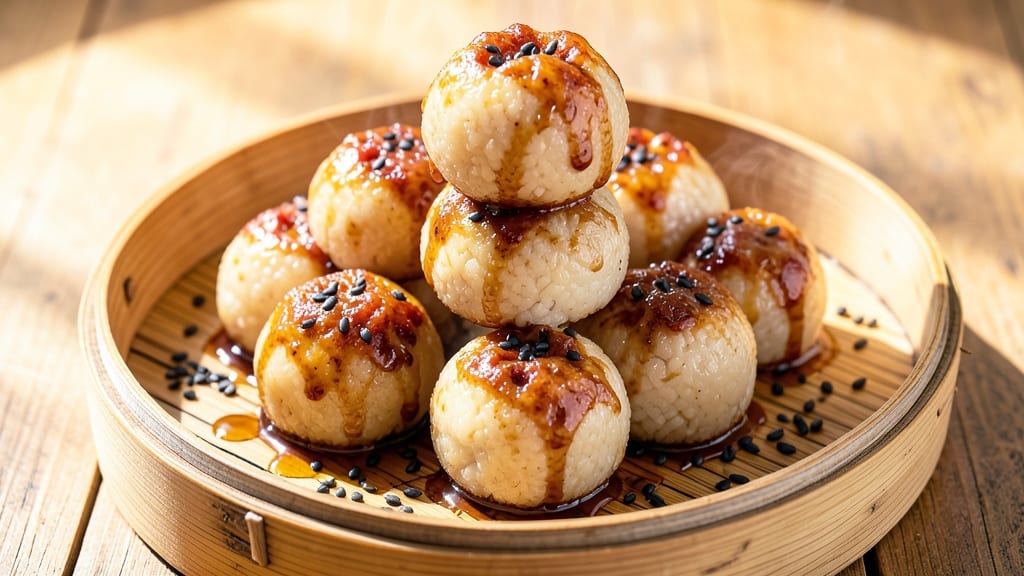
This Chinese glutinous rice dumpling recipe brings the festive flavors of Tangyuan to your kitchen with its signature chewy texture and sweet black sesame filling. The secret lies in perfectly cooked glutinous rice wrapped in delicate dough, creating bite-sized pockets of comfort that balance sticky sweetness with nutty depth.
I've refined this recipe over years to ensure the dumplings steam just right—neither too dense nor too fragile—so each bite delivers that satisfying contrast of textures.
What sets these dumplings apart is the black sesame filling, toasted to perfection for a rich, aromatic flavor that pairs beautifully with the subtle sweetness of the rice.
Whether you're preparing them for the Lunar New Year or simply craving a taste of tradition, this recipe delivers restaurant-quality results with just a few simple ingredients and a steamer. The process is methodical but rewarding, turning a humble bowl of rice into a celebration of texture and taste.
Ingredients for chinese glutinous rice dumpling
Glutinous rice, toasted sesame, and delicate dough create these iconic Tangyuan dumplings.
| Ingredient | Amount | Notes |
|---|---|---|
| Glutinous Rice (Sweet Rice) 🍚 | 1 cup | Uncooked, short-grain preferred |
| Black Sesame Seeds 🥜 | ½ cup | Toasted until fragrant |
| Brown Sugar 🍯 | ¼ cup | Packed, light variety |
| Sesame Oil 🫒 | 1 tbsp | Toasted for aroma |
| Water 💧 | ½ cup | Room temperature |
| All-Purpose Flour 🌾 | 1 ½ cups | For dough wrapper |
| Water (for dough) 💧 | 1 cup | Room temperature |
| Kosher Salt 🧂 | ½ tsp | Fine grain preferred |
| Vegetable Oil 🫒 | 1 tbsp | For dough elasticity |
| Red Bean Paste 🍫 | ¼ cup | Sweetened, for filling |
| Pandan Juice 🌿 | 1 tsp | Or pandan extract |
| Cornstarch 🍚 | 1 tbsp | For dusting wrapper |
The glutinous rice is the heart of these dumplings, and short-grain varieties yield the best texture. Asian markets carry premium options like Thai or Japanese sweet rice, but any glutinous rice works in a pinch. Toast the black sesame seeds in a dry pan until fragrant—this step unlocks their nutty depth. For the filling, red bean paste from Trader Joe's or H Mart adds authentic sweetness, though homemade sweetened red beans work equally well. If you can't find pandan juice, vanilla extract at half the amount mimics its floral note.
No sesame oil? Toasted peanut oil delivers a similar aroma, though with a different flavor profile. The dough requires patience—knead until silky smooth, about 8-10 minutes, for that signature chewy texture. For a quicker version, store-bought mochi wrappers (found in Asian grocery freezer sections) cut prep time by half. If your filling seems too dry, add 1 tsp water at a time until it holds shape when pressed. The dumplings should be plump but not overstuffed—overfilling causes bursting during steaming.
Steamed dumplings keep for 2 days in the fridge, though they're best enjoyed fresh. Reheat in a steamer for 3-4 minutes to restore their chewy texture. For longer storage, freeze unsteamed dumplings on a tray before transferring to a bag—steam directly from frozen. The filling hardens slightly when chilled, so warm gently before serving. Leftovers reheat beautifully in a bamboo steamer lined with parchment paper for easy cleanup.
Why You'll Love This Recipe
- No Fuss, All Flavor: I swear by this recipe because it’s about as hands-off as dumplings get—just soak the rice, mix the filling, and steam. No rolling perfection required, just sticky, satisfying bites that taste like celebration.
- Sweet & Nutty Magic: That toasted black sesame and brown sugar combo? Chef’s kiss. The sesame oil ties it all together with a warm, toasty depth that makes these dumplings taste like a dessert you didn’t know you needed.
- Lunchbox Legend: Between us, these are my go-to for packed lunches—hold up surprisingly well and still taste fresh hours later. Kids (and adults) will actually eat them cold, which is basically a parenting win.
- Budget Cheat Code: Glutinous rice and sesame seeds might sound fancy, but they stretch farther than you’d think. A single batch feeds four, and leftovers reheat beautifully—no waste, all reward.
Step-by-step instructions for Chinese glutinous rice dumplings
Master the art of making these delicate, sticky dumplings with a perfect balance of sweetness and nutty black sesame flavor.
Prepare the Glutinous Rice Filling
In a medium saucepan, combine the 1 cup glutinous rice (sweet rice), 0.5 cup water, 0.25 cup packed brown sugar, and 1 tbsp toasted sesame oil. Bring to a boil over medium-high heat, then reduce to medium-low heat and simmer for 15-18 minutes until the rice is tender and all liquid has been absorbed. The mixture should be sticky and slightly translucent when cool.
Real talk: The rice needs to be completely dry—no moisture left. If it's still slightly sticky after simmering, cover and let it rest for 5 minutes to absorb any remaining liquid. Once cooled, stir in the 0.5 cup toasted black sesame seeds and 1 tsp pandan juice until evenly distributed. The filling should be smooth, cohesive, and hold its shape when pressed between fingers.
Make the Dough Wrapper
In a large bowl, whisk together the 1.5 cups all-purpose flour, 0.5 tsp kosher salt, and 1 tbsp vegetable oil. Gradually add the 1 cup water (for dough) while stirring with chopsticks until the mixture forms a shaggy dough. Transfer to a lightly floured surface and knead for 5-7 minutes until smooth and elastic.
Here's the thing—this dough needs to be firm but pliable. If it feels too dry, add 1 tsp water at a time; if too sticky, knead in 1 tsp flour. Wrap the dough in plastic wrap and let it rest for 30 minutes at room temperature. This resting period relaxes the gluten, making it easier to roll thin and even wrappers.
Roll and Assemble the Dumplings
Divide the rested dough into 8 equal pieces (about 1.5 ounces each). Roll each piece into a 6-inch circle using a rolling pin, dusting lightly with 1 tbsp cornstarch to prevent sticking. Keep the rolled dough covered with a damp towel to maintain moisture.
Place 1 tablespoon of the glutinous rice filling in the center of each wrapper. Fold the wrapper in half to form a half-moon shape, then pinch the edges tightly to seal. Twist the sealed edge gently to create a decorative pleat, ensuring no filling escapes. The dumplings should be compact but not overly tight—this ensures even cooking.
Steam to Perfection
Arrange the assembled dumplings in a steamer basket lined with parchment paper, leaving 1 inch between each dumpling. Bring 2 inches of water to a boil in a pot, then place the steamer basket on top. Cover with a lid and steam over medium-high heat for 12-15 minutes until the wrappers are translucent and the filling is heated through.
Don't lift the lid during steaming—this disrupts the steam flow and can cause uneven cooking. The dumplings are done when the wrappers turn slightly opaque and the filling is warm throughout. Serve immediately while still warm, as the texture softens quickly once removed from the steamer.
Pro Tips For Making Chinese Glutinous Rice Dumpling
- SOAK RICE 4+ HOURS: Glutinous rice needs serious hydration—at least 4 hours, overnight if possible. I learned this the hard way when my dumplings turned out gummy; the rice absorbs water differently than regular rice, and skipping this step means a chewy, unsatisfying bite.
- TOAST SESAME SEEDS LOW: Black sesame seeds burn faster than you think—cook them on low heat in a dry pan until fragrant (about 3-4 minutes). I was skeptical until I tried it: properly toasted seeds add a nutty depth that raw seeds can’t match, and they won’t turn bitter.
- STEAM DON’T BOIL: These dumplings are delicate—steam them over simmering water (not boiling) with a lid on. I used to blast them in a boiling pot, and they’d split open or turn soggy. A gentle steam bath keeps them intact and fluffy inside.
- MIX SESAME OIL LAST: Add sesame oil after shaping the dumplings, just before steaming. It’s easy to overdo it and end up with an overly oily texture. A light drizzle (about ½ teaspoon per batch) enhances the aroma without overwhelming the sweetness of the brown sugar.
Wine and beer pairings for these flavors
Sweet Wine Pairings
These glutinous rice dumplings shine with Taiwanese black tea wines like Ali Shan—their floral notes complement the black sesame filling beautifully. A glass of Pinot Noir from New Zealand also works wonderfully, balancing the sweetness with subtle earthy undertones.
I always reach for a dry Riesling when I want to cut through the richness while keeping the dessert-like quality intact. 🍷
Light Beer Complements
For beer lovers, a crisp Japanese lager like Asahi Super Dry cleanses the palate between bites without overpowering the delicate flavors. Alternatively, a Belgian witbier with its citrusy notes adds a refreshing contrast to the nutty sesame. Avoid heavy stouts or IPAs—they’ll clash with the dumplings’ subtle sweetness. 🍺
Herbal Tea Harmony
Skip the alcohol entirely and serve with jasmine tea—its floral aroma enhances the pandan and black sesame flavors. For a warmer option, genmaicha (green tea with roasted rice) adds a toasty note that pairs surprisingly well. I often brew a pot alongside the dumplings for a complete experience. ☕
Festive Liquor Pairings
During Lunar New Year celebrations, many families serve Shaoxing wine—its nutty depth mirrors the black sesame filling. For a modern twist, a honey-infused gin with a splash of yuzu juice creates a sophisticated pairing that highlights the dumplings’ sweetness.
Just a small pour (1 oz) is all you need. 🥃
Non-Alcoholic Options
For kids or those avoiding alcohol, lychee juice (chilled) mirrors the dessert-like quality while refreshing the palate. A sparkling apple cider with a cinnamon stick adds festive cheer without competing flavors. I’ve even seen traditional pairings with rosewater syrup drizzled over the dumplings for an elegant touch. 🍎
Seasonal Adaptations
In summer, serve with iced green tea to cool down the rich filling. For winter gatherings, a spiced chai latte (without caffeine) warms the hands while complementing the dumplings’ sweetness. The key is balancing temperature—hot drinks with warm dumplings, cold drinks with room-temperature versions. ❄️
Nutrition facts
Frequently asked questions
Can I make these dumplings without a steamer?
If you don't have a bamboo steamer, use a metal colander over a pot of boiling water. Line the colander with parchment paper to prevent sticking, and steam for 12-15 minutes as directed. For even cooking, ensure the water doesn't touch the bottom of the colander. Alternatively, boil the dumplings in water for 8-10 minutes until they float—just be gentle when handling them to avoid breaking.
What's the best filling alternative if I can't find black sesame?
Try red bean paste (most traditional) or lotus seed paste for a floral note. For savory options, mix minced pork with shallots, soy sauce, and ginger. Sweet fillings like mung bean paste or peanut butter (mixed with a touch of honey) work too. Just adjust the sugar in the rice filling if using sweet alternatives.
Why did my dumplings turn out too dense?
Overcooked rice filling or understeamed wrappers cause density. Ensure the rice is completely dry before mixing with sesame seeds—any moisture makes the filling heavy. Also, steam just until the wrappers are translucent (12-15 minutes), not until they're rock-hard. If the dough feels tough, knead it longer or add 1 tsp water at a time until pliable.
Can I make these dumplings ahead of time?
Yes! Assemble the dumplings and refrigerate them (unsteamed) for up to 24 hours before cooking. For longer storage, freeze them on a tray, then transfer to a bag. Steam directly from frozen (add 2-3 extra minutes) or thaw in the fridge first. Reheating works best in a steamer—microwaving can make the wrappers gummy.
What's the difference between Tangyuan and other Chinese dumplings?
Tangyuan are sweet glutinous rice dumplings wrapped in thin dough, while jiaozi are savory meat-filled dumplings with thicker wrappers. Nian gao (sticky rice cakes) are also glutinous but baked or fried. The key difference is Tangyuan's chewy, translucent texture from glutinous rice and their association with Lunar New Year celebrations.