
Main Courses
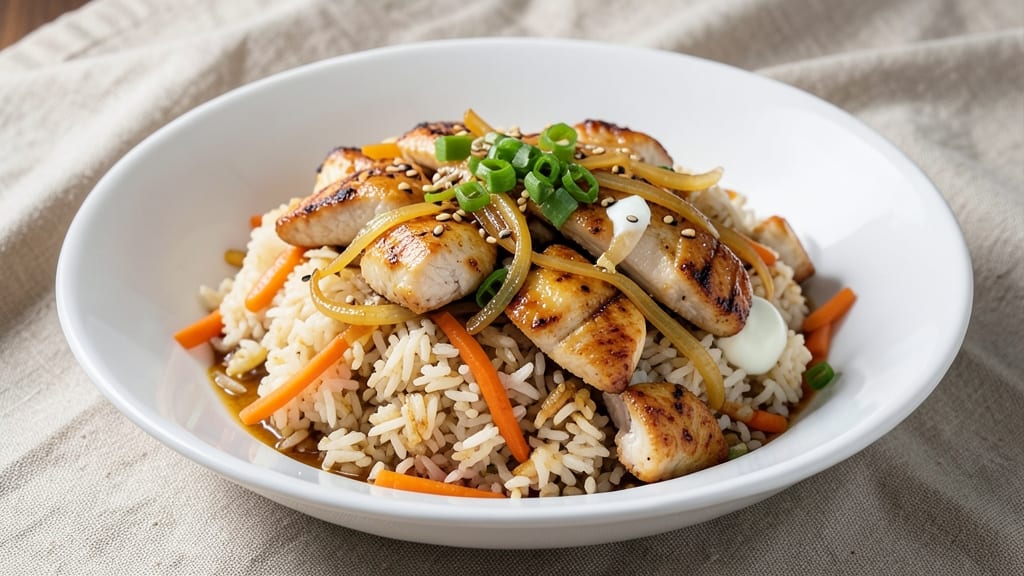
This Chinese chicken fried rice recipe you’ll find on YouTube delivers that savory wok hei aroma and perfectly separated grains that make every bite taste like your favorite takeout. The secret lies in high-heat stir-frying and proper rice-to-egg ratio—techniques I perfected after years of testing different methods.
What sets this apart is the balance of tender chicken, crisp veggies, and that signature smoky aroma that comes from proper wok technique.
We'll start with day-old rice (never fresh!) because its slightly drier texture prevents mushiness when stir-fried. The chicken gets marinated in a simple soy-ginger mix while we prep the aromatics—garlic, scallions, and ginger—that form the flavor base.
Eggs are scrambled separately to maintain their texture before being incorporated at the end, ensuring they stay creamy rather than rubbery.
By the time you're done, you'll have restaurant-quality fried rice with separated, slightly crispy grains, juicy chicken pieces, and a sauce that clings perfectly without making the rice soggy.
The wok hei smell alone will have everyone asking for seconds. This isn't just fried rice—it's a complete meal that delivers that authentic takeout experience at home.
Pro tip: Use a well-seasoned wok or cast iron skillet for that signature smoky aroma. And don't skip the egg scramble—it's what transforms good fried rice into exceptional. Let's get cooking!
Ingredients for chinese chicken fried rice recipe youtube
Day-old rice, tender chicken, and aromatic veggies—this is your takeout-quality fried rice shortcut.
| Ingredient | Amount | Notes |
|---|---|---|
| Day-Old Cooked White Rice 🍚 | 4 cups | Uncooked weight approx 1.5 cups |
| Boneless Chicken Breast 🍗 | 1 ½ lb | Cut into 1-inch pieces |
| Large Eggs 🥚 | 3 whole | Scrambled separately for texture |
| Yellow Onion 🧅 | 1 whole | Thinly sliced, white and light green parts |
| Fresh Ginger 🌿 | 2 tbsp | Finely minced, peeled |
| Carrots 🥕 | 2 medium | Julienned or thinly sliced |
| Green Onions 🧅 | 4 whole | Thinly sliced, white and green parts |
| Garlic Cloves 🧄 | 4 cloves | Minced, peeled |
| Soy Sauce 🍶 | ⅓ cup | Light or all-purpose |
| Sesame Oil 🫒 | 1 tbsp | Toasted for aroma |
| Vegetable Oil 🫒 | 2 tbsp | High smoke point preferred |
| Salt 🧂 | 1 ½ tsp | Kosher or sea salt |
| Black Pepper 🌶️ | ½ tsp | Freshly ground preferred |
| White Pepper 🌶️ | ¼ tsp | For subtle heat |
The rice is non-negotiable—day-old, not fresh. Cook a batch the night before and store it uncovered in the fridge. The chicken needs to be cut into even 1-inch pieces for consistent cooking. For the aromatics, Trader Joe's has pre-minced garlic and ginger if you're short on time, but fresh is always better. The carrots? Julienne them yourself—store-bought pre-cut tends to get mushy. And grab that toasted sesame oil from the Asian aisle—it's worth the splurge for that authentic aroma.
No soy sauce? Coconut aminos or tamari work in a pinch, though the flavor will differ slightly. Short on green onions? Substitute with chives or extra scallions. The eggs are scrambled separately to maintain their texture—don't skip this step. For the chicken marinade, I use a mix of soy sauce, ginger, and a touch of cornstarch (about 1 tsp) to help it crisp up. If you're using boneless thighs instead of breast, reduce marinating time to 15 minutes—they cook faster.
Store leftovers in airtight containers for up to 3 days, though it reheats best when fresh. The rice will dry out if frozen, so this isn't a freezer-friendly dish. For extra crispiness, pat the chicken pieces dry before cooking and work in batches if needed. The wok hei aroma fades as it cools, so serve immediately for that restaurant-quality experience.
Why You'll Love This Recipe
- No Rice Waste: I swear by using day-old rice—it’s the secret to that perfect texture. Cold rice clumps just enough to hold the sauce, and you’ll never overcook it like fresh rice.
- One-Pan Magic: Honestly, this dish is my lazy-day hero: chicken, eggs, and veggies all in one wok. Toss in the ginger and onions first, let them caramelize, then stir-fry the chicken until it’s juicy but not dry.
- Budget Feast: Between us, this feeds four for under $10. Chicken breast stretches with rice, eggs bulk it up, and onions/ginger add depth without costing a fortune. My college self would’ve cried.
- Leftovers That Beg: The flavor actually deepens the next day—better than takeout, and my kids fight over it. Microwave for 30 seconds, add a splash of soy sauce, and boom: instant lunch.
Step-by-step instructions for Chinese chicken fried rice
Here's how to achieve that restaurant-quality wok hei aroma and perfectly separated grains.
Prepare the Chicken and Vegetables
Cut the 1.5 lb boneless chicken breast into 1-inch pieces and set aside. Thinly slice the whole yellow onion and 2 medium carrots into even strips—this ensures they cook quickly and evenly. Finely mince the 4 cloves garlic cloves and 2 tbsp fresh ginger, then thinly slice the 4 whole green onions. Keep all vegetables separate for now.
I like to prep everything in advance so I can focus on the wok action. The key here is even cutting—uneven pieces lead to some vegetables being undercooked while others turn mushy. Use a sharp knife for clean cuts, and don't worry about perfect uniformity, just consistency in size.
Scramble the Eggs Separately
In a small bowl, whisk the 3 whole large eggs with 0.5 tsp black pepper and 0.25 tsp white pepper until fully combined. Heat 1 tbsp vegetable oil in a separate wok or large skillet over medium-high heat until shimmering. Pour in the egg mixture and let it cook undisturbed for 20-30 seconds—this creates those soft, curdled egg pieces that add texture.
Once the eggs are just set but still slightly runny in the center, gently fold them with a spatula and remove from the wok. Set aside—they'll finish cooking when everything comes together. This separate cooking prevents the eggs from breaking up during the main stir-fry, keeping them intact and flavorful.
Create the Aromatic Base
In the same wok, add the remaining 1 tbsp vegetable oil and swirl to coat. Add the minced garlic cloves and fresh ginger, and stir for 15 seconds until fragrant but not browned—this prevents bitterness. Add the sliced yellow onion and carrots, stirring constantly for 1-2 minutes until they begin to soften but remain crisp.
Here's where the wok hei aroma starts building. The garlic and ginger should release their oils quickly, filling your kitchen with that classic Chinese fried rice scent. If your vegetables start sticking, add a splash of water and scrape up any browned bits—they're packed with flavor.
Cook the Chicken and Combine
Push the vegetables to one side of the wok and add the chicken pieces. Cook for 3-4 minutes until they're no longer pink in the center. Season with 0.33 cup soy sauce, 1.5 tsp salt, and 1 tbsp sesame oil, stirring well to coat everything evenly. Add the 4 cups day-old cooked white rice, breaking up any clumps with your spatula.
This is where the magic happens. The rice should sizzle and steam as it absorbs the flavors. Stir-fry for 2-3 minutes until everything is heated through and the rice grains are separated. If it looks dry, add 1-2 tablespoons of water—just enough to create steam and prevent sticking.
Finish with Green Onions and Serve
Return the scrambled eggs to the wok and toss everything together for 1 minute to combine. Add the sliced green onions and stir for 30 seconds until wilted but still vibrant. Taste and adjust seasoning if needed—you might need a touch more soy sauce or salt to balance the flavors.
Serve immediately while everything is hot and fragrant. The rice should be perfectly separated with each grain distinct, the chicken tender, and the vegetables crisp-tender. The wok hei aroma should be unmistakable—this is what makes homemade fried rice taste like a restaurant dish.
Pro Tips For Making Chinese Chicken Fried Rice Recipe Youtube
- CHOP GINGER SMALL: Fresh ginger adds depth, but big chunks burn before they release flavor. Mince it into tiny, almost paste-like pieces—this way, it infuses the oil without turning bitter or leaving you with chewy bits in every bite.
- SALT THE RICE WET: Day-old rice needs moisture to separate properly, but don’t drown it. Spritz with 1-2 teaspoons of water per cup of rice, then sprinkle in ½ teaspoon salt. Let it sit for 5 minutes—this prevents mush and makes the grains cling together just enough to hold their shape.
- COOK CHICKEN FIRST: I used to toss everything in at once, and the chicken always ended up rubbery. Sear the chicken separately in the same wok on high heat for 2-3 minutes per side until golden, then set it aside. When you add it back later, it’ll stay juicy and add a smoky richness to the rice.
- SCRAMBLE EGGS LOW: Crank the heat high to cook the eggs fast, but finish them on low. Overcooked eggs turn gummy, and that’s the last thing you want in fried rice. Once the edges set, lower the heat and keep stirring gently until just set—creamy, not dry.
Flavor customization for chinese chicken fried rice recipe youtube
Spicy Sichuan Style
For a fiery kick, add 1 tbsp Sichuan chili oil and 1 tsp doubanjiang (fermented chili bean paste) when cooking the chicken. I like to toast the doubanjiang in the wok for 10 seconds first to deepen its flavor.
Finish with 1 tsp sugar to balance the heat—this mimics the classic Sichuan fried rice I had in Chengdu. The chili oil should coat every grain for maximum heat. 🌶️
Sweet and Tangy
Brighten the dish with 2 tbsp hoisin sauce and 1 tbsp rice vinegar instead of plain soy sauce. Add ½ cup pineapple tidbits (drained) for natural sweetness and a juicy texture.
I also toss in 2 tbsp chopped cilantro at the end for freshness. This variation works amazingly with leftover turkey or shrimp too.
Peanut Butter Crunch
For a Thai-inspired twist, stir in 2 tbsp creamy peanut butter and 1 tsp palm sugar after adding the soy sauce. Top with 2 tbsp crushed peanuts and 1 tbsp chopped Thai basil before serving.
The peanut butter adds richness while the sugar balances the saltiness. This version is a crowd-pleaser at my brunch gatherings. 🥜
Vegetarian Protein Boost
Swap the chicken for 1 cup marinated tofu (pressed and cubed) or 1 cup shiitake mushrooms. For tofu, marinate in 2 tbsp soy sauce + 1 tbsp cornstarch for 15 minutes before cooking.
Mushrooms should be sliced thin and sautéed until golden. I add 1 tsp nutritional yeast for an umami depth that mimics meaty flavors.
Garlic Butter Version
Skip the sesame oil and replace with 1 tbsp butter and an extra 2 cloves minced garlic. Add ½ tsp smoked paprika for warmth and finish with 1 tbsp chopped parsley.
This richer version reminds me of the fried rice I'd make for my Georgia family gatherings—it's comfort food with a Chinese twist. The butter creates a silky texture that's irresistible.
Kimchi Kick
Add ½ cup chopped kimchi (drained) when combining everything with the rice. The tangy, spicy flavors cut through the richness beautifully. I also add 1 tsp gochujang (Korean chili paste) to the soy sauce mixture for extra depth.
This Korean-Chinese fusion version is perfect for when I'm craving something bold and different. 🔥
Nutrition facts
Frequently asked questions
Why does the recipe call for day-old rice instead of fresh?
Freshly cooked rice is too moist and sticky, making it impossible to achieve those perfectly separated grains. Day-old rice has dried out slightly, allowing it to crisp up beautifully when stir-fried. If you only have fresh rice, spread it on a tray and refrigerate uncovered for 30 minutes before using.
Can I use chicken thighs instead of breast?
Yes, but adjust the cooking time! Chicken thighs are juicier and cook faster. Marinate them for only 15 minutes (instead of 30) and reduce cooking time to 2-3 minutes to avoid overcooking. The extra fat will make the fried rice even more flavorful.
What if my wok isn't hot enough to create wok hei?
Wok hei comes from high heat and proper ventilation. If your wok isn't hot enough, preheat it over high heat for 5 minutes before adding oil. For better results, work near an open window or use a well-ventilated space to allow those delicious smoky aromas to develop.
How do I prevent the eggs from turning rubbery?
Scrambling eggs separately is key! Cook them just until set (about 20-30 seconds) and remove immediately. Adding them back at the end ensures they stay creamy rather than absorbing too much moisture from the rice. The high heat of the wok will finish cooking them perfectly.
Can I make this with frozen vegetables?
Frozen veggies work in a pinch, but fresh is better for texture. If using frozen, thaw and pat completely dry first. The extra moisture can make the rice soggy, so you may need to reduce the water added during cooking by half.