
Sauces & Condiments
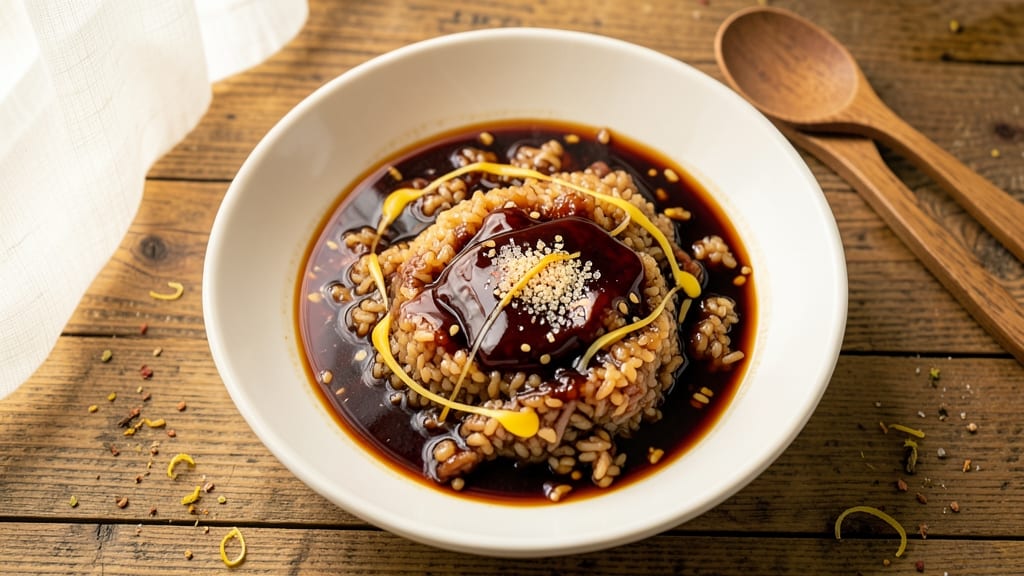
This Chinese fried rice sauce recipe transforms your stir-fry into restaurant-quality in just 10 minutes. The secret lies in balancing salty, sweet, and umami—soy sauce, oyster sauce, and a touch of sugar create that signature flavor while garlic, ginger, and sesame oil add aromatic depth.
I developed this after years of experimenting with takeout-inspired versions, and it never fails to elevate any rice dish.
The beauty of this sauce is its versatility—it works with leftover rice, fresh rice, or even as a quick marinade for proteins. The key technique is simmering the aromatics first to build flavor, then emulsifying the sauce with a splash of water or cornstarch for that signature glossy finish.
No fancy equipment needed; just a saucepan and a whisk.
What you’ll end up with is a rich, aromatic sauce that coats every grain of rice perfectly, delivering that perfect balance of savory, slightly sweet, and umami-packed flavor.
The sauce keeps well in the fridge for up to a week, making it ideal for meal prep or when you want to recreate that wok-house taste at home.
Whether you’re making classic Chinese fried rice, stir-fried vegetables, or even a quick protein dish, this sauce is your secret weapon. Let’s get started—your taste buds will thank you.
Ingredients for chinese fried rice sauce
Nine simple ingredients create restaurant-quality Chinese fried rice sauce in minutes.
| Ingredient | Amount | Notes |
|---|---|---|
| Light Soy Sauce 🥢 | ½ cup | Kikkoman preferred for authentic flavor |
| Dark Soy Sauce 🥢 | 1 tbsp | For deeper color and richness |
| Oyster Sauce 🦪 | 2 tbsp | Lee Kum Kee for authentic umami |
| Sesame Oil 🫒 | 1 tbsp | Toasted for nutty aroma |
| Granulated Sugar 🍚 | 1 tbsp | Balances saltiness perfectly |
| Garlic Cloves 🧄 | 4 cloves | Minced for aromatic punch |
| Fresh Ginger 🌿 | 1 tbsp | Grated, for zesty kick |
| Cornstarch 🌾 | 1 tsp | For glossy finish |
| Water 💧 | ¼ cup | For emulsification |
| White Vinegar 🍶 | 1 tsp | Brightens flavors |
The sauce starts with soy sauce—Kikkoman light for clean flavor and dark soy for that signature color. Grab Lee Kum Kee oyster sauce from the Asian aisle (it's worth the trip if your store doesn't carry it)—the umami difference is night and day. Fresh ginger and garlic are non-negotiable here; pre-minced jars lack the punch. Toast your sesame oil in the pan first—just 30 seconds—so it doesn't overpower the sauce later. For sugar, I use granulated, but brown sugar works too if you want a deeper caramel note.
No oyster sauce? Hoisin sauce at half the amount gets you close, though it's sweeter. Short on cornstarch? Arrowroot powder works the same way. The vinegar might seem like an afterthought, but it brightens the whole sauce—don't skip it. If you're making this for a crowd, double the batch and store the extra in ice cube trays for easy portioning. For extra depth, add 1 tsp fish sauce (if you're not avoiding it), but the recipe works beautifully without it too.
This sauce keeps for up to 1 week in the fridge, though it tastes best within 3-4 days. The cornstarch helps it stay glossy, but give it a quick whisk before using if it thickens. Freezes well for up to 3 months—portion into small containers for easy use. Pro tip: Save a splash of the leftover cooking liquid from your protein or veggies and stir it in at the end for extra restaurant-style flavor.
Why You'll Love This Recipe
- Pantry Magic: This sauce comes together with five ingredients you already own—no special shopping trips needed. Honestly, I’ve made it three times this month just because I forgot to buy something else, and it still tastes like a takeout win.
- Umami Bomb: That combo of light and dark soy sauce? It’s the secret weapon—salty, deep, and a little smoky. Add the oyster sauce for richness, a drizzle of sesame oil for nutty warmth, and a pinch of sugar to balance it all. One taste and you’ll understand why I keep a bottle of each in my fridge.
- Leftover Hero: This sauce doesn’t just work for fried rice—it’s my go-to for stir-fries, noodles, or even a quick glaze for roasted chicken. I’ll be real: I’ve used the last bit to dress up store-bought dumplings when I’m too tired to cook. Versatile enough to handle whatever’s in my fridge that week.
- Budget Flex: A few tablespoons of soy sauce and a splash of oyster sauce stretch across multiple meals without breaking the bank. Between us, this is how I feed my family for under $5 while still feeling like I’m eating out. Plus, the sugar and sesame oil add just enough luxury to make it feel special.
Step-by-step instructions for Chinese fried rice sauce
This umami-packed sauce comes together faster than you can say "stir-fry."
Prepare the Aromatics and Sweetener
In a small bowl, finely mince the 4 cloves garlic cloves and grate the 1 tablespoon fresh ginger using a microplane or fine grater. The goal is to create a paste-like consistency that will dissolve smoothly into the sauce. I like to press the garlic through a garlic press for maximum flavor extraction—this ensures every bite of your fried rice carries that aromatic punch.
In a separate small bowl, whisk together the 1 tablespoon granulated sugar with the 1 tablespoon sesame oil. This combination might seem unusual, but the sugar helps balance the saltiness of the soy sauces while the sesame oil adds that signature nutty depth. Set both mixtures aside—they'll be ready when we need them.
Combine the Sauce Base
In a medium saucepan, combine the 0.5 cup light soy sauce, 1 tablespoon dark soy sauce, and 2 tablespoons oyster sauce. Place the pan over medium heat and bring the mixture to a gentle simmer. You'll notice the dark soy sauce immediately adds a deeper color to the blend, which is essential for that authentic Chinese takeout look.
Once simmering, stir in the garlic-ginger paste and let it cook for 2-3 minutes until the raw aroma transforms into something fragrant and inviting. This is where the magic happens—the aromatics infuse the sauce with their bold flavors. Be careful not to let it boil vigorously, as that can make the sauce bitter. Keep the heat at a gentle simmer throughout this process.
Thicken and Finish the Sauce
In a small bowl, whisk together the 1 teaspoon cornstarch with the 0.25 cup water until completely dissolved. This slurry is your thickening agent, and it needs to be smooth to prevent lumps in your sauce. Once the garlic-ginger mixture has simmered for those 2-3 minutes, slowly pour in the cornstarch slurry while stirring continuously with a wooden spoon.
The sauce will begin to thicken almost immediately. Let it simmer for another 1-2 minutes until it reaches a glossy, slightly syrupy consistency that coats the back of a spoon. This is the perfect texture for fried rice—it clings beautifully to each grain without making it soggy. Finally, stir in the sugar-sesame oil mixture and the 1 teaspoon white vinegar. The vinegar brightens the flavors and cuts through the richness, while the sesame oil adds that final nutty aroma.
Taste and Adjust for Perfection
Remove the sauce from heat and let it cool slightly for 2-3 minutes. Taste a small spoonful—this is where you decide if your sauce needs any adjustments. If it's too salty, add a splash of water to dilute slightly. If it lacks brightness, add a tiny bit more white vinegar. If it needs more depth, a touch of oyster sauce can enhance the umami.
Here's the thing—this sauce is incredibly versatile. You can use it immediately for fried rice, as a dipping sauce for dumplings, or even as a marinade for meats. The key is to use it while it's still warm, as the flavors meld best when fresh. Store any leftovers in an airtight container in the refrigerator for up to 5 days, though I doubt it will last that long in your kitchen.
Pro Tips For Making Chinese Fried Rice Sauce
- Mix Soy Sauces Last: Add light and dark soy sauces after frying the rice—if you toss them in early, they’ll turn the rice mushy and dull. The dark soy’s color fades fast, so stir it in just before serving to keep that rich, glossy look.
- Warm the Oyster Sauce: Cold oyster sauce clumps like glue in fried rice. Heat it in a small bowl with a splash of water (or even the rice’s residual oil) until it’s just warm—this makes it silky and blends effortlessly. I learned this the hard way after scraping globs off my wok.
- Sesame Oil First, Then Stir: Drizzle sesame oil after the rice is cooked, then toss gently—adding it too soon burns its aroma. A teaspoon is enough; any more and it’ll overpower. (Yes, even if you’re impatient like me.)
- Sugar in Stages: Sprinkle half the sugar with the soy sauces, then save the rest for the final toss. This balances sweetness without making the rice cloying—fried rice should taste like a savory hug, not a dessert. Trust the process.
Wine and beer pairings for this dish
Light Beer Pairings
For this umami-rich sauce, I always reach for a crisp Chinese lager like Tsingtao or Snow Beer. The light body and subtle maltiness won’t overpower the sauce’s bold flavors but instead complement the garlic and ginger notes beautifully.
If you prefer American options, a pilsner like Stella Artois works perfectly—its clean finish highlights the sauce’s aromatic depth without competing. 🍺
Dry Riesling
A dry German Riesling with its bright acidity and citrus notes is my go-to white wine pairing. The wine’s crisp finish cuts through the sauce’s richness, while its subtle sweetness enhances the umami from the oyster sauce.
Look for a Kabinett-level Riesling—it’s light enough to balance the dish without overwhelming it. If Riesling isn’t available, a Sauvignon Blanc with herbal notes will also shine.
Sake for Authenticity
For an authentic Chinese dining experience, serve your fried rice with dry sake like Dassai or Gekkeikan. The sake’s subtle umami and clean finish mirror the sauce’s flavors, creating harmony with every bite.
Chill it slightly before serving to enhance its crispness. If you’re not a sake drinker, a dry sherry like Fino offers a similar profile with a touch of nutty depth.
Craft IPA Contrast
If you’re serving this sauce with heartier proteins like shrimp or chicken, a hazy IPA from a local brewery adds an unexpected but delicious contrast. The IPA’s hoppy bitterness balances the sauce’s richness, while its juicy maltiness complements the fried rice’s texture.
I love pairing it with a West Coast-style IPA—just be sure to serve it slightly chilled to tame the bitterness.
Non-Alcoholic Options
For a refreshing non-alcoholic pairing, try a sparkling yuzu soda or ginger beer like Feather’s. The effervescence cleanses your palate between bites, while the citrus or ginger notes echo the sauce’s aromatic profile.
A cucumber-mint infused water with a squeeze of lime also works beautifully—it’s light enough to let the sauce’s flavors take center stage.
Nutrition facts
Frequently asked questions
Can I make this sauce without oyster sauce?
Yes! For a vegetarian version, substitute the 2 tablespoons oyster sauce with 2 tablespoons hoisin sauce plus 1 teaspoon soy sauce to maintain balance. The sauce will be slightly sweeter but still delicious. For extra umami without oyster sauce, add 1 teaspoon fish sauce (if using) or 1 tablespoon mushroom sauce.
How do I adjust the sauce for spicier fried rice?
Add ½ to 1 teaspoon of chili paste (like Laoganma) or ½ teaspoon red pepper flakes to the sauce while simmering. For heat control, start with ¼ teaspoon and adjust to taste. The sauce will keep its glossy texture while adding subtle spice that pairs perfectly with the umami flavors.
Why did my sauce turn out too thick?
This usually happens if the cornstarch slurry thickens too much before mixing. Thin it with 1-2 teaspoons of warm water before adding to the saucepan. For future batches, reduce the cornstarch to ½ teaspoon and add 1 extra tablespoon of water to the slurry. The sauce should coat a spoon but still be pourable.
Can I use this sauce for other dishes besides fried rice?
This versatile sauce works perfectly for stir-fried vegetables, noodle dishes, or as a dipping sauce for dumplings. For marinades, mix 2 tablespoons of sauce with 1 tablespoon of oil and coat proteins like chicken or shrimp for 15-30 minutes before cooking.
How do I prevent the sauce from separating when reheating?
Gently reheat the sauce over low heat while stirring constantly. If it separates, whisk in 1 teaspoon of water or cornstarch slurry (½ tsp cornstarch + 1 tsp water) until smooth. For storage, keep the sauce in an airtight container and stir well before each use to maintain consistency.