
Sauces & Condiments
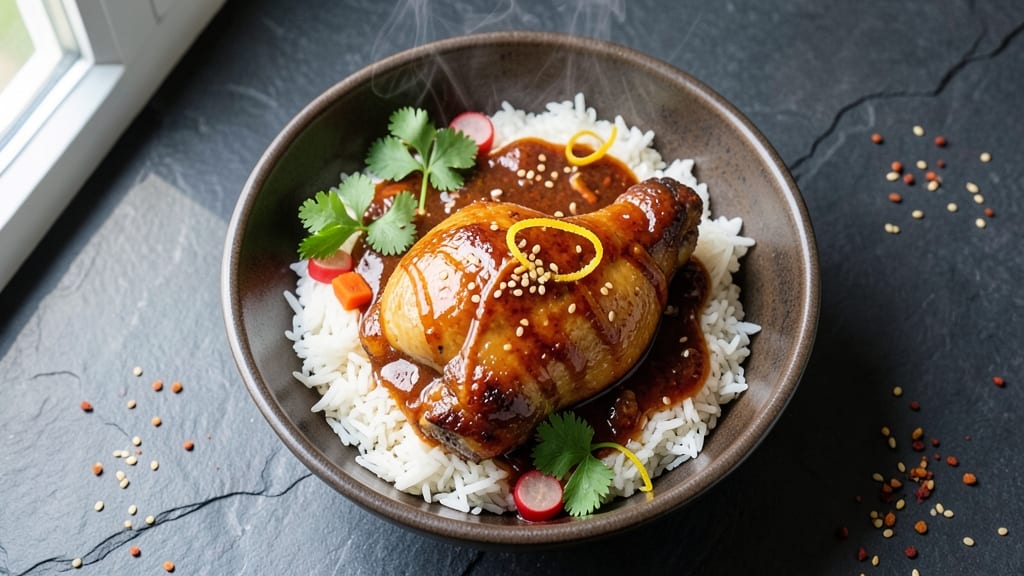
This chicken rice bowl sauce recipe transforms ordinary bowls into restaurant-quality meals with just a few simple ingredients. The perfect balance of sweet, spicy, and umami-rich flavors comes together in minutes, elevating any dish from basic to extraordinary.
I developed this sauce to cut through the richness of chicken while adding depth that lingers on your palate.
Crafted with a base of soy sauce and chicken broth, this sauce incorporates honey for sweetness, garlic for aromatic punch, and a touch of sriracha for heat—all tied together with cornstarch for a silky, drizzle-worthy consistency.
It’s designed to be made ahead, so you can focus on cooking the rest of your meal while the sauce builds flavor in the background. Once you taste it, you’ll never go back to store-bought again.
Ingredients for chicken rice bowl sauce
Eight ingredients for a sauce that turns simple rice bowls into restaurant-worthy meals.
| Ingredient | Amount | Notes |
|---|---|---|
| Soy Sauce 🥢 | ½ cup | Low-sodium preferred for balance |
| Chicken Broth 🍲 | 1 cup | Homemade or quality low-sodium |
| Honey 🍯 | 2 tbsp | Wildflower or clover for depth |
| Sriracha 🌶️ | 1 tbsp | Adjust for preferred heat level |
| Garlic Cloves 🧄 | 4 cloves | Minced for aromatic punch |
| Cornstarch 🌾 | 1 tbsp | For silky, glossy consistency |
| Sesame Oil 🫒 | 1 tsp | Toasted for nutty aroma |
| Rice Vinegar 🍶 | 1 tbsp | White or seasoned variety |
| Ginger Root 🧅 | 1 tbsp | Freshly grated, vibrant color |
| Sesame Seeds 🌰 | 1 tsp | Toasted for garnish and crunch |
The soy sauce and chicken broth form the umami backbone—Kikkoman or San-J are my go-tos, but any good-quality soy works. For broth, homemade is ideal, but low-sodium store-bought cuts down on salt later. Honey should be wildflower or clover—those floral notes play so well with the garlic. Sriracha? Huy Fong is the classic, but any brand with a smooth texture works. Garlic and ginger need to be fresh—no jarred shortcuts here. Toast your sesame seeds in a dry pan for 30 seconds—they’ll add a nutty crunch that takes this sauce to the next level.
No honey? Maple syrup or agave works in a pinch, though honey’s floral notes are unique. Skip the sriracha? Add a pinch of red pepper flakes or a splash more rice vinegar for tang. Sesame oil can be swapped for neutral oil plus a dash of toasted sesame paste, but you’ll lose that nutty aroma. The cornstarch is key for that glossy finish—arrowroot works too. For extra depth, add a splash of mirin or a dash of fish sauce (if you’re not avoiding it). And if you’re prepping ahead, make a double batch—this sauce keeps beautifully in the fridge for up to a week.
This sauce thickens as it cools, so stir before using if it’s been sitting. Store in an airtight container in the fridge for up to 7 days, or freeze for 3 months. The flavors actually deepen overnight, so make it the night before for maximum impact. Drizzle over rice bowls, noodles, or even grilled chicken—it’s that versatile. And if you’re feeling fancy, garnish with extra sesame seeds and sliced green onions right before serving.
Why You'll Love This Recipe
- Five-Ingredient Magic: This sauce comes together with just five things you already have. No fancy shopping—just soy sauce, broth, honey, sriracha, and garlic. That’s it. I swear, the first time I made it, I thought, "Wait, that’s all?" And yes, it’s that good.
- Sweet Heat Balance: The honey and sriracha play tag-team—smooth and sticky one minute, fiery the next. That little burst of garlic when you stir it in? Honestly, it’s the kind of flavor that makes you pause mid-bite, like, "Why didn’t I do this sooner?"
- Meal Prep MVP: Double the batch and store it in the fridge for up to a week. Drizzle it over rice bowls, toss it with noodles, or even slather it on grilled chicken. I’ve used it for everything from lazy weeknight dinners to potlucks, and no one ever asks what’s in it.
- Budget-Friendly Flex: This sauce costs pennies to make but feels like a restaurant upgrade. Between us, I’ve stretched a single jar of sriracha and a bottle of soy sauce into enough sauce for six meals. That’s right—six. And the leftovers? Even better the second day.
Step-by-step instructions for chicken rice bowl sauce
Here's how to create a perfectly balanced sauce that ties everything together.
Create the Sauce Base
In a medium saucepan, combine the 0.5 cup soy sauce, 1 cup chicken broth, and 2 tbsp honey. Bring the mixture to a gentle simmer over medium heat, stirring occasionally until it begins to bubble. You'll see the honey dissolve completely and the sauce start to thicken slightly—this usually takes about 5 minutes. The sauce should smell rich and aromatic with a perfect balance of sweet and salty notes.
While the sauce simmers, keep an eye on it to prevent boiling over. If it starts to bubble vigorously, reduce the heat slightly. This initial simmering step builds the foundation of your sauce, extracting maximum flavor from all the ingredients. Real talk: don't rush this part—properly simmering the base ensures your sauce won't be watery later on.
Add Aromatics and Spices
Once the sauce is simmering gently, add the 4 cloves minced garlic and 1 tbsp grated ginger root. Stir well to combine and let the mixture cook for 2-3 minutes until the garlic becomes fragrant and the ginger loses its raw bite. You'll notice the aroma transform from just sweet and salty to complex and inviting—this is when the sauce starts to come together.
Next, stir in the 1 tbsp sriracha and 1 tbsp rice vinegar. The sriracha will add a subtle heat that balances the sweetness, while the vinegar introduces a bright tanginess. Cook for another 1-2 minutes until all the ingredients are fully incorporated and the sauce has deepened in color. This is where the sauce develops its signature umami-packed flavor profile that makes it so irresistible.
Thicken the Sauce
In a small bowl, whisk together the 1 tbsp cornstarch with 2 tablespoons of cold water until completely dissolved. This creates a smooth slurry that will help thicken your sauce without creating lumps. Slowly pour the cornstarch mixture into the saucepan while stirring constantly with a wooden spoon or whisk.
Continue cooking over medium heat for 3-5 minutes, stirring frequently, until the sauce reaches your desired consistency. It should coat the back of a spoon and be slightly glossy—this is what gives that beautiful sheen that makes rice bowls look so appetizing. The sauce should thicken noticeably as it simmers, but don't let it boil or it may become grainy.
Finish and Garnish
Once the sauce has thickened to your liking, remove it from heat and stir in the 1 tsp sesame oil. This adds a nutty depth and rich aroma that ties all the flavors together. The sauce should now have a perfect balance of sweet, spicy, tangy, and umami notes. Taste and adjust seasoning if needed—you might want to add a bit more soy sauce for saltiness or honey for sweetness.
Finally, transfer the sauce to a serving bowl and drizzle with the 1 tsp toasted sesame seeds. These seeds add a beautiful garnish and a delightful crunch that contrasts perfectly with the smooth sauce. Serve immediately over steamed rice with your choice of protein and vegetables for a complete, flavorful meal. This sauce keeps well in the refrigerator for up to 5 days, so you can make a big batch and enjoy it all week long.
Pro Tips For Making Chicken Rice Bowl Sauce
- Simmer Garlic Low and Slow: I used to blast the garlic in oil until it burned—don’t. Add the minced cloves to a cold pan with a splash of broth, then turn the heat to medium-low and let them cook for 5-6 minutes until fragrant but not brown. This keeps the flavor sweet and mellow instead of bitter, which is the whole point when you’re balancing it with honey and sriracha later.
- Balance Honey Last: Add the honey after the broth and soy sauce have simmered for at least 3 minutes. If you dump it in too early, it’ll scorch before the other flavors meld. Stir in a slow stream—just a tablespoon at a time—until the sauce glistens but doesn’t turn syrupy. Trust me, your taste buds will notice the difference.
- Taste Before Adding Sriracha: Skip the heat guesswork. Simmer the broth, soy sauce, and garlic until reduced by half, then taste it plain. Now add sriracha gradually—start with half the recipe’s amount, let it cook 1 minute, then adjust. You’re not making hot sauce; you’re building depth, not a mouth-on-fire disaster.
- Use Reduced Broth: Don’t grab the can of broth straight from the fridge. Simmer it uncovered for 10 minutes first to evaporate some of the water—this concentrates the flavor and cuts down on thinning the sauce later. Cold, watery broth will make your sauce taste weak, no matter how much soy sauce you add.
Regional styles of chicken rice bowl sauce
Japanese Teriyaki Twist
For a Japanese-inspired version, swap the rice vinegar for 1 tbsp mirin and add 1 tbsp sake when simmering the base. Use 1 tbsp grated daikon radish instead of ginger for a milder, slightly sweet note.
The teriyaki style works beautifully with this sauce—just drizzle it generously over grilled chicken or tofu. I love adding a pinch of bonito flakes for extra umami depth right before serving. 🍶
Thai-Inspired Peanut Sauce
Transform this into a Thai-inspired peanut sauce by replacing the soy sauce with 2 tbsp hoisin sauce and adding 2 tbsp smooth peanut butter at the thickening stage. Stir in 1 tsp lime juice and ½ tsp ground white pepper for that signature Thai flavor.
Top with crushed peanuts and fresh cilantro. This version pairs perfectly with chicken satay or rice noodles. 🥜
Korean Gochujang Version
For a Korean-inspired take, replace the sriracha with 1 tbsp gochujang (Korean chili paste) and add 1 tsp toasted sesame oil to the base. Include 1 tbsp grated pear or apple to balance the heat.
This version is richer and slightly fermented, making it ideal for bulgogi beef or kimchi fried rice. I like to finish with extra sesame seeds and chopped scallions for freshness. 🌶️
Vietnamese Fish Sauce Adaptation
Create a Vietnamese-inspired version by replacing the chicken broth with ½ cup fish sauce-infused broth (simmer 2 tbsp fish sauce into the broth first). Add 1 tsp sugar and 1 tsp lime zest to the base.
This sauce works wonderfully with grilled shrimp or pho-style bowls. Garnish with fresh herbs like Thai basil or cilantro for a bright finish. 🍋
American BBQ Fusion
For a bold American twist, replace the honey with 2 tbsp molasses and add 1 tbsp smoked paprika when simmering the base. Stir in 1 tbsp apple cider vinegar instead of rice vinegar.
This version has a deep, smoky sweetness that pairs perfectly with pulled chicken or ribs. Top with crushed red pepper flakes for extra heat and a sprinkle of smoked paprika. 🔥
Nutrition facts
Frequently asked questions
Can I make this sauce without cornstarch?
Yes! For a cornstarch-free version, reduce the sauce by simmering uncovered for an extra 5-7 minutes until it thickens naturally. Alternatively, whisk 1 tbsp arrowroot powder with 3 tbsp water and add it to the sauce. The sauce will be slightly less glossy but still delicious.
How spicy should the sauce be?
The recipe uses 1 tbsp sriracha for mild heat, but you can adjust it to taste. For a milder sauce, reduce to ½ tbsp or swap for ¼ tsp red pepper flakes. For extra heat, add 1 extra tbsp sriracha or a dash of cayenne. Always taste before serving!
Can I use this sauce on other dishes besides rice bowls?
This versatile sauce works perfectly on grilled chicken, noodles, or even as a dipping sauce for spring rolls. It also elevates stir-fries, tacos, or wraps. The balance of sweet, spicy, and umami makes it a great all-purpose condiment.
Why did my sauce turn out too thin?
If your sauce is too thin, it likely didn't simmer long enough to thicken. Next time, cook it uncovered for 2-3 extra minutes after adding the cornstarch slurry. Alternatively, mix 1 tsp more cornstarch with 1 tbsp water and stir it in while heating. Patience is key—don't rush the thickening process!
Can I make this sauce in a slow cooker?
Yes! Combine all ingredients except sesame seeds in your slow cooker on low heat for 2-3 hours, stirring occasionally. The sauce will thicken naturally without needing cornstarch. For a quicker version, use high heat for 1 hour. Just