
Main Courses
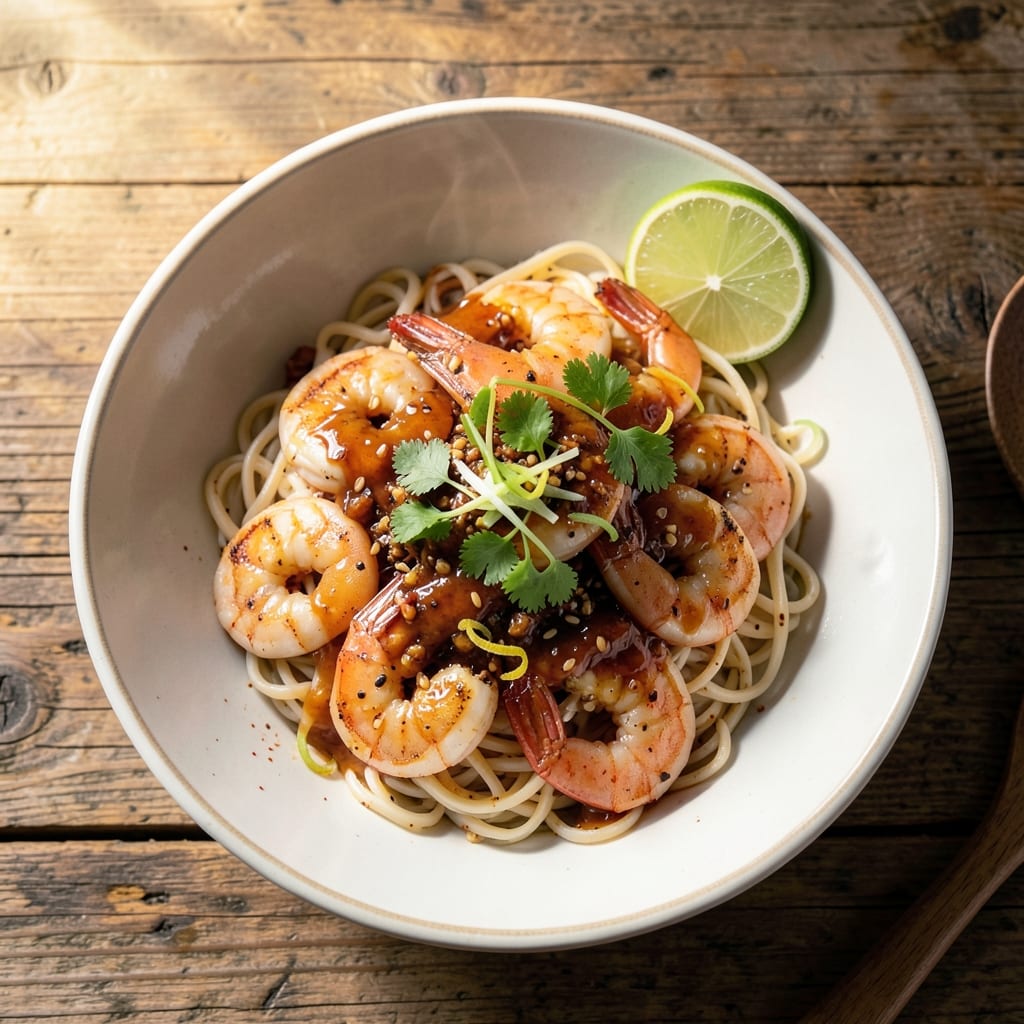
This Asian shrimp and rice noodles recipe delivers the perfect balance of silky noodles, tender shrimp, and a bright garlic-lime wok toss that comes together in under 20 minutes. The secret lies in achieving wok hei—that signature smoky aroma—while keeping the noodles perfectly tender and the shrimp juicy. I developed this dish after years of perfecting stir-fry techniques, and it’s now a staple in my weeknight rotation for its restaurant-quality flavor without the fuss.
The foundation starts with rice noodles soaked just long enough to soften but still hold their shape, then tossed with shrimp that’s seared quickly over high heat to lock in moisture. A zesty garlic-lime sauce ties everything together, with a touch of fish sauce for umami depth and a splash of chili oil for heat. The result? A dish that’s vibrant, aromatic, and packed with texture—crisp shrimp, chewy noodles, and a sauce that clings to every bite.
What sets this recipe apart is its adaptability. Serve it as a quick weeknight meal with a side of steamed greens or elevate it for dinner parties by adding fresh herbs like Thai basil or cilantro. The bright, tangy flavors pair beautifully with a crisp lychee martini or iced jasmine tea, making it equally at home on a busy Tuesday or a special occasion.
Once you master this technique, you’ll never settle for takeout again. The key is timing—prep all your ingredients ahead, and the entire dish comes together in minutes. Whether you’re feeding a crowd or treating yourself to a solo dinner, this recipe delivers bold, restaurant-worthy flavor with minimal effort.
Ingredients for asian shrimp and rice noodles
Pantry staples plus a few fresh ingredients for restaurant-quality wok hei in minutes.
| Ingredient | Amount | Notes |
|---|---|---|
| Large Shrimp (Peeled and Deveined) 🦐 | 1 ½ lb | Tail-on for presentation, frozen works |
| Rice Noodles (Stir-Fry or Vermicelli) 🍜 | 8 oz | Medium thickness preferred |
| Garlic Cloves 🧄 | 6 cloves | Minced, fresh preferred |
| Fresh Lime Juice 🍋 | ⅓ cup | About 3-4 limes, freshly squeezed |
| Fish Sauce 🍶 | 2 tbsp | Red Boat brand recommended |
| Chili Oil 🌶️ | 1 tbsp | Or substitute sriracha |
| Sesame Oil 🫒 | 1 tbsp | Toasted, for aroma |
| Vegetable Oil 🫒 | 2 tbsp | High smoke point for wok |
| Fresh Thai Basil or Cilantro 🌿 | ¼ cup | Chopped, for garnish |
| Green Onion 🧅 | 3 whole | Sliced thin, white and green parts |
| Salt 🧂 | 1 tsp | Kosher or sea salt |
| Black Pepper 🌶️ | ½ tsp | Freshly ground |
| Soy Sauce 🍶 | 1 tbsp | Light or all-purpose |
The shrimp makes or breaks this dish—frozen tail-on shrimp works perfectly if thawed in cold water. Look for 21-25 count per pound for even cooking. Trader Joe's and Asian markets have the best prices, but any grocery store's frozen section will do. The rice noodles? Medium thickness holds up better to the wok toss than thin ones, and vermicelli-style gives that classic chewy texture. Soak them in warm water (not boiling) for 10-15 minutes before draining—just until pliable but still slightly firm. Over-soaking turns them mushy, trust me.
No Thai basil? Cilantro works in a pinch, though it's got a different vibe. Running out of chili oil? Sriracha or gochujang both add heat—just reduce the amount to half. The fish sauce is non-negotiable for that umami kick, but if you're avoiding it, soy sauce plus a splash of coconut aminos gets you close. For the garlic, minced is key—slicing it releases too much moisture and steams instead of sizzling. And if you're using frozen shrimp, pat them bone-dry before cooking so they sear properly instead of steaming.
Prep everything ahead—this dish comes together in minutes once the wok's hot. The sauce ingredients (lime, fish sauce, chili oil) keep for up to 2 weeks in the fridge if you want to make it ahead. Noodles soaked and drained? Wrap in a damp towel to keep them from drying out while you cook. Leftover shrimp? Toss it in a salad or over rice—it reheats beautifully. And if you've got extra sauce, freeze it in ice cube trays for future stir-fries.
Why You'll Love This Recipe
- No-Fuss Prep: I swear by this recipe when I’m too tired to chop anything. The shrimp just needs a quick sear, the rice noodles soak in hot water for five minutes, and the sauce comes together in one bowl—no measuring cups, no fancy techniques.
- Umami Bomb: That fish sauce and garlic combo? It’s the secret weapon here. The shrimp stays juicy while the noodles soak up the punchy, salty-sweet sauce—brightened just enough by lime to make every bite addictive.
- Lunchbox Hero: Between us, this is my go-to for meal prep. The leftovers keep for days in the fridge, and it reheats like a dream—just toss with a splash of water to loosen the noodles. Pack it cold or warm, and it’s still a hit at lunch.
- Budget Win: Fresh shrimp might sound fancy, but it stretches far here. A single pound feeds two with leftovers, and the rest of the ingredients? Cheap, pantry staples. Honestly, it’s the kind of meal that makes grocery day feel like a victory.
Step-by-step instructions for garlic-lime wok toss with silky noodles
Here's how to make this vibrant, tangy shrimp noodle dish that comes together faster than takeout.
Soak and Prepare the Rice Noodles
Fill a large bowl with hot water and add the 8 oz rice noodles. Let them soak for 8-10 minutes until pliable but still slightly firm—you want them to finish cooking in the wok, not turn mushy. Drain well and set aside, tossing with 1 tablespoon sesame oil to prevent sticking. I like to work in batches if needed, keeping the drained noodles covered with a damp towel while I prep the rest.
This soaking step is crucial—over-soaking makes the noodles gummy, while under-soaking means they won't cook through properly in the wok. The sesame oil also adds that signature nutty aroma that wafts through the kitchen as you cook.
Sear the Shrimp Until Perfectly Pink
Heat a wok or large skillet over high heat until smoking, then add 2 tablespoons vegetable oil. Once shimmering, add the 1.5 lb large shrimp in a single layer. Cook undisturbed for 1-2 minutes per side until they turn opaque and just begin to curl at the edges. They should be pink inside with no translucent centers.
Don't overcrowd the pan—if needed, work in batches. The high heat gives you that perfect sear while keeping the shrimp tender. Transfer the cooked shrimp to a plate and set aside, leaving the wok's flavorful residue behind.
Build the Garlic-Lime Sauce
In the same wok, reduce heat to medium and add the 6 cloves minced garlic. Sauté for 30 seconds until fragrant—don't let it brown or it'll turn bitter. Add 1 tablespoon soy sauce, 2 tablespoons fish sauce, and 0.33 cup fresh lime juice, stirring constantly for 1 minute until the sauce thickens slightly.
This is where the magic happens—the garlic should smell intoxicating, and the sauce should coat the back of a spoon. If the sauce looks too thin, let it reduce for another 30 seconds on medium-high heat. The lime juice brightens everything up, cutting through the richness of the shrimp.
Toss Everything Together
Return the shrimp to the wok and add the drained noodles. Toss vigorously for 2-3 minutes until the noodles are heated through and coated in the sauce. Drizzle with 1 tablespoon chili oil and toss again. The noodles should be tender but still hold their shape—if they're too soft, they've absorbed too much sauce.
Here's the thing—this dish is all about balance. The noodles need to be silky but not mushy, the shrimp should be tender but not rubbery, and the sauce should cling without overwhelming. Taste and adjust seasoning with 1 teaspoon salt and ½ teaspoon black pepper if needed.
Garnish and Serve Immediately
Divide the noodles among plates and garnish with 0.25 cup chopped fresh Thai basil or cilantro and 3 whole green onions sliced thin. The herbs add a fresh contrast to the rich shrimp and noodles. Serve right away while everything's hot and the lime is still bright.
This dish is perfect for a quick weeknight dinner—it comes together in under 20 minutes and tastes like you've been cooking all day. The secret is keeping everything hot and tossing it all at the last minute so the noodles stay silky and the shrimp stays tender. Enjoy with extra lime wedges on the side!
Pro Tips For Making Asian Shrimp And Rice Noodles
- Shock Shrimp First: Toss your peeled shrimp in ice water for 10 minutes before cooking—this stops the cooking process and keeps them from curling into hard little question marks. I learned this the hard way after making a batch where the shrimp turned rubbery mid-stir-fry. ---
- Soak Noodles Separately: Don’t dump the whole bag of noodles into boiling water—split them into two batches and soak them for 5-7 minutes in room-temperature water. This keeps them from sticking into one giant gluey lump, and you can finish cooking them in the pan without overcooking. ---
- Minimize Garlic Mashing: Smash 2-3 cloves flat with the side of your knife instead of mincing them—this releases more flavor without burning into bitter sludge. I used to chop them fine and end up with a pan full of garlic paste instead of aromatic goodness. ---
- Taste Before Lime: Stir in fish sauce first, let it bloom for 30 seconds, then taste—you’ll need more than you think. Only add lime juice after the shrimp are done; squeezing it too early makes the dish taste flat and watery. (Yes, even if you’re impatient like me.)
Storing and reheating your leftovers
Noodle Storage Secrets
Store cooked rice noodles in an airtight container with a damp paper towel to prevent drying. They’ll keep in the fridge for up to 3 days, but I find they’re best within 24 hours—the texture degrades faster than shrimp. For longer storage, freeze them in a single layer on a tray before transferring to a bag for up to 1 month. 🥶
Shrimp Reheating
Reheat shrimp gently to avoid rubberiness—microwave for 30-45 seconds on medium power with a splash of water, or warm in a skillet over medium-low heat for 1-2 minutes with a pat of butter. Never overcook: shrimp reheats best when just warmed through, not crispy again. I like to toss reheated shrimp back into the noodles for a quick stir-fry revival. 🦐
Sauce Refresh
The garlic-lime sauce is the heart of this dish, so revive it by adding 1 teaspoon lime juice and ½ teaspoon fish sauce per serving when reheating. Warm it in a small pan for 30 seconds until fragrant—this reactivates the flavors that dull in storage. For extra brightness, finish with a drizzle of chili oil right before serving. 🌶️
Combined Reheating
For the full dish, reheat noodles and shrimp together in a wok or large skillet over medium heat with 1 tablespoon water to steam. Toss for 2-3 minutes until everything is piping hot. Add fresh herbs and lime juice at the end to restore that restaurant-quality aroma. This method keeps the noodles silky and the shrimp juicy. ⏳
Freezer-Friendly Tip
If freezing the whole dish, pack it in a single layer in a freezer bag with parchment paper between servings. Thaw overnight in the fridge, then reheat as directed. The noodles may soften slightly, but the shrimp stays tender. I’ve found this works best for up to 2 months without major texture loss. 🧊
Nutrition facts
Frequently asked questions
Can I use frozen shrimp instead of fresh?
Frozen shrimp works perfectly—just thaw them in cold water for 10 minutes before patting them completely dry. The key is to sear them immediately over high heat so they don't steam. For best results, look for 21-25 count per pound shrimp with tails on for presentation.
What if my rice noodles turn mushy?
Over-soaking is the most common mistake! Soak noodles in hot water for just 8-10 minutes until pliable but still firm. Drain immediately and toss with sesame oil to prevent sticking. If they're already mushy, try tossing them with a little extra vegetable oil in the wok to restore texture.
How can I make this dish spicier?
Add 1-2 teaspoons of chili flakes or 1 tablespoon of sambal oelek to the sauce for extra heat. For a smoky kick, stir in ½ teaspoon of smoked paprika with the garlic. The lime juice will balance the spice beautifully—just adjust to taste at the end.
Can I substitute another type of noodle?
Rice noodles are ideal for their chewy texture, but you can use udon or soba noodles in a pinch. For a lighter option, try rice vermicelli, but they cook faster—soak for 5-7 minutes instead. Avoid wheat noodles, as they won't absorb the sauce the same way.
How do I keep the shrimp from sticking?
Pat the shrimp completely dry before cooking and make sure your wok is smoking hot before adding oil. Never overcrowd the pan—work in batches if needed. A light spray of oil on the shrimp before searing also helps create a barrier. The secret is high heat and minimal touching once they're in the pan!