
Main Courses
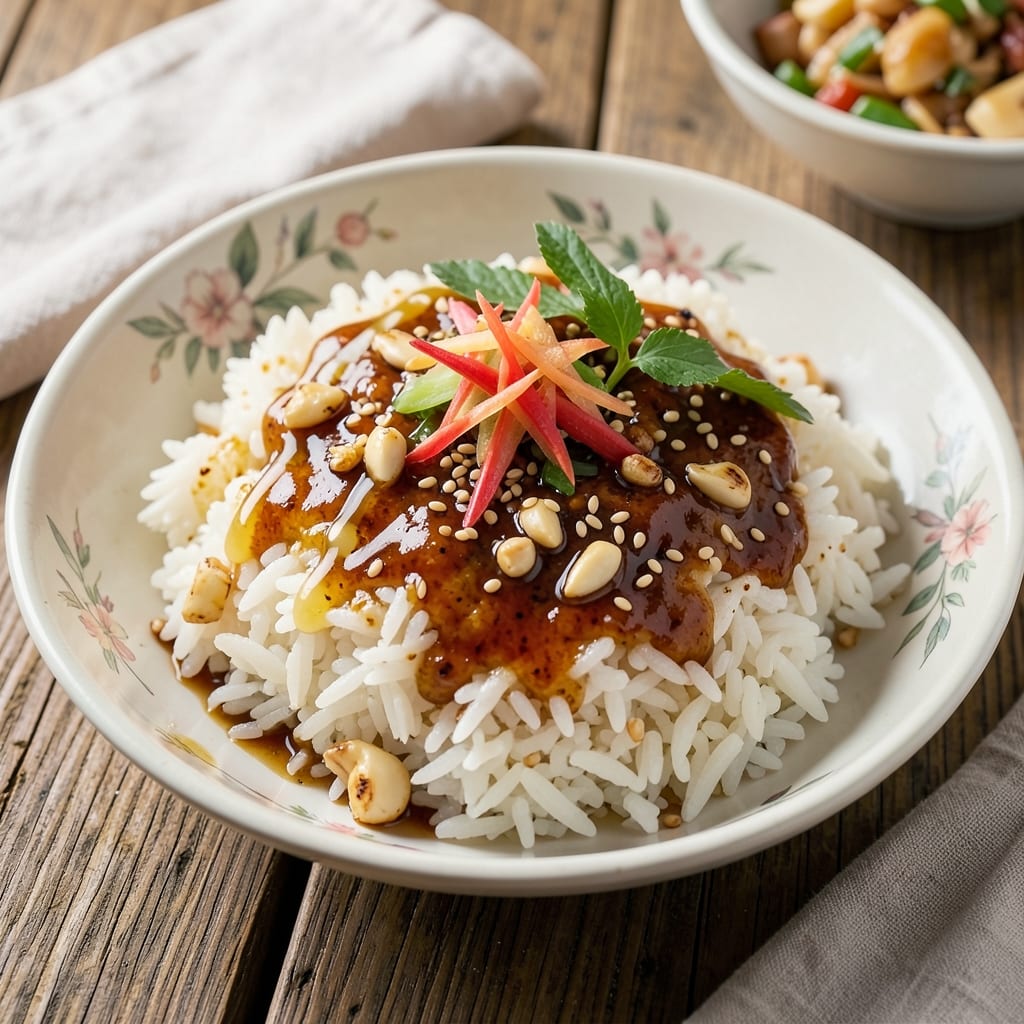
This Asian seasoned rice recipe transforms simple grains into a fragrant, wok-tossed masterpiece with charred garlic crunch. 🔥 The secret lies in toasting sesame oil and garlic until aromatic, then folding them into perfectly cooked rice with a balance of soy, ginger, and a touch of sweetness. I developed this after years of experimenting with Asian rice dishes—each bite delivers that perfect harmony of nutty, savory, and slightly sweet flavors.
The process is straightforward but delivers restaurant-quality results. You'll start with long-grain rice cooked to ideal texture, then toss it in a wok with toasted sesame oil, minced garlic, and a blend of soy sauce, ginger, and a hint of sugar. The high-heat wok toss creates that signature charred garlic crunch while keeping the rice tender. This method works equally well with jasmine or basmati rice, though jasmine's natural fragrance pairs beautifully with the seasonings.
What you'll end up with is aromatic rice that's far more exciting than plain white rice—each grain coated in a delicate balance of flavors with visible charred garlic pieces adding texture. The dish is versatile enough for weeknight dinners or elegant gatherings, and it pairs perfectly with grilled proteins, stir-fried vegetables, or fresh spring rolls. The best part? It takes just 30 minutes to prepare, making it ideal for busy weeknights.
For extra depth, finish with toasted sesame seeds and sliced green onions. This recipe bridges traditional Asian techniques with modern convenience, delivering authentic flavors without requiring specialized equipment. Let's get started on creating this fragrant, flavorful centerpiece for your table.
Ingredients for asian seasoned rice
Rice, garlic, sesame oil—the trifecta for restaurant-style flavor at home.
| Ingredient | Amount | Notes |
|---|---|---|
| Long-Grain Jasmine Rice 🍚 | 1 ½ cups | Uncooked, rinsed well |
| Toasted Sesame Oil 🫒 | 2 tbsp | For aroma and flavor |
| Garlic Cloves 🧄 | 6 cloves | Fresh, minced finely |
| Light Soy Sauce 🍶 | 3 tbsp | Kikkoman preferred |
| Fresh Ginger 🌿 | 1 tbsp | Grated, finely |
| Granulated Sugar 🍯 | 1 tbsp | Or brown sugar |
| Toasted Sesame Seeds 🌰 | 1 tbsp | For garnish |
| Green Onions 🧅 | 2 whole | Sliced thinly |
| Vegetable Oil 🫒 | 1 tbsp | For wok tossing |
| White Wine Vinegar 🍷 | 1 tsp | Optional brightness |
| Salt 🧂 | ½ tsp | Kosher preferred |
| Black Pepper 🌶️ | ¼ tsp | Freshly ground |
The rice is non-negotiable here. Jasmine rice delivers that signature fragrance, but basmati works too. Buy the long-grain variety—it stays separate when tossed. Fresh garlic is a must (the pre-minced stuff lacks punch), and Asian markets often have better-quality bulbs. Sesame oil is where the magic happens—Kadoya or La Choy are solid choices. Toast it in the wok until it smells heavenly before adding anything else. That aroma sets the stage for the whole dish.
No sesame oil? Neutral oil plus a pinch of sesame seeds gets you close, though you'll miss the nutty depth. Light soy sauce is key here—dark soy adds color but overpowers. Fresh ginger is ideal, but powdered at half the amount works in a pinch. The sugar balances the flavors, so don't skip it (even if you're not sweet-toothed). For extra umami, add 1 tsp fish sauce—just don't tell the vegetarians. The green onions can be subbed with scallions or chives, though green onions have that perfect mild-onion bite.
Rice cooks best the day it's bought—store unopened in a cool, dark place. Once opened, keep it airtight in the pantry for up to 6 months. Sesame oil lasts 1 year unopened in the fridge after opening. For meal prep, cook the rice ahead and store it in the fridge for 3-4 days. Reheat gently with a splash of water—microwaving dries it out. The wok-tossed version reheats best when warmed through in a skillet with a little oil.
Why You'll Love This Recipe
- Minimal Chopping Required: I swear by this—just toast the garlic and ginger in sesame oil, then dump everything in one pot. No dicing, no measuring cups, just stir and simmer. My hands stay clean, and my rice still smells like a street market.
- Umami Bomb: That first hit of soy and garlic? It’s like a flavor grenade. The toasted sesame oil lingers long after the last bite, and the ginger gives it this bright, zesty kick. Honestly, plain rice never tasted this good.
- Leftover Goldmine: This rice keeps perfectly for days—fridge or freezer, no fuss. Toss it into fried eggs for breakfast, stuff it in burritos, or just reheat with a splash of water. My lunchbox never looks the same twice.
- Budget Pantry Hero: Jasmine rice is cheap, soy sauce lasts forever, and garlic/ginger are staples. I’ve made this on a grocery run with just $5 worth of ingredients. Feeds four, costs less than takeout, and still feels special.
Step-by-step instructions for wok-tossed fragrant jasmine rice
Here's how to transform simple rice into aromatic, charred-garlic perfection—crispy edges and all.
🍳 Step 1: Toast the Garlic and Build the Flavor Base
Heat a wok or large skillet over medium-high heat until it's screaming hot. Add the 1 tablespoon vegetable oil and swirl to coat. Immediately add the 6 cloves minced garlic cloves and stir constantly for 30-45 seconds—you're looking for golden brown edges, not full-on burning. The garlic should smell intoxicating and develop that irresistible crunch.
As soon as the garlic turns color, add the 1 tablespoon finely grated fresh ginger and stir for another 10 seconds until fragrant. This quick toasting unlocks the garlic's full flavor potential while preventing bitterness. Remove the wok from heat and set aside—we'll come back to this aromatic base shortly. Here's the thing—if you let the garlic burn, you'll taste it in every bite, and nobody wants that.
👨🍳 Step 2: Cook the Jasmine Rice to Al Dente Perfection
In the same wok (no need to clean it—the garlic bits add flavor), add the 1.5 cups rinsed long-grain jasmine rice and stir to coat it evenly with the garlic-ginger oil. Pour in 2 cups water (yes, it seems like too much, but trust me) and add the 3 tablespoons light soy sauce, 1 tablespoon granulated sugar, 0.5 teaspoon salt, and 0.25 teaspoon black pepper.
Bring to a boil over high heat, then immediately reduce to medium-low heat, cover tightly with a lid, and simmer for 12-15 minutes without peeking. You want the rice to absorb all the liquid but still have a slight bite—this is the al dente texture that prevents mushiness. The rice is done when all the liquid has been absorbed and the grains are tender but still firm to the bite. If you're using a rice cooker, transfer the mixture there now and let it cook normally.
🔥 Step 3: Wok-Toss for Crispy Edges and Aromatic Perfection
Once the rice is cooked, uncover the wok and return it to medium-high heat. Add the 2 tablespoons toasted sesame oil and use a rice paddle or wooden spoon to toss the rice vigorously for 2-3 minutes. You're looking to create those beautiful crispy edges while keeping the centers tender. The oil will sizzle and pop—this is where the magic happens.
After about 1 minute of tossing, add the 1 teaspoon white wine vinegar (if using) and toss again for another 30 seconds. This adds a subtle brightness that cuts through the richness. The rice should now have a beautiful mix of crispy edges and tender centers with that irresistible garlic aroma wafting through your kitchen. If it seems dry, add 1 teaspoon water at a time until it reaches your desired consistency.
🥘 Step 4: Finish with Garnishes and Serve Immediately
Transfer the wok-tossed rice to a serving platter and immediately sprinkle with the 1 tablespoon toasted sesame seeds and 2 whole sliced green onions. The sesame seeds add a nutty crunch while the green onions provide a fresh, bright contrast. Give it one final toss with tongs to distribute everything evenly.
Serve this aromatic rice immediately while it's still hot and those crispy edges are at their best. The charred garlic flavor should be prominent, with underlying notes of sesame and a subtle sweetness from the sugar. Each grain should be distinct yet cling together slightly—this is what separates good rice from extraordinary rice. Pair it with your favorite Asian proteins or vegetables for a complete meal that'll have everyone asking for seconds.
Pro Tips For Making Asian Seasoned Rice
- Rinse Until Clear: Jasmine rice clumps like a stubborn ex—don’t let it fool you. Swirl it in cold water until the water runs completely clear (not just light), then drain. I used to stop at "mostly clear" and ended up with gluey rice that tasted like a sad, overworked glue stick. ---
- Bloom the Aromatics: Heat your sesame oil low and slow—just until it shimmers—then toss in minced garlic and ginger. Let them sit for 30 seconds before stirring. This draws out their flavor without burning them into bitter ash (yes, I’ve done that too). ---
- Soy Sauce Last: Add light soy sauce after the rice is cooked, not during. Stir it in while the rice is still hot—this lets the salt and umami soak in evenly without drying out the grains. Dumping it in early turns your rice into a sad, salty paste. ---
- Rest Before Serving: Turn off the heat and let the rice steam, covered, for 5 minutes. This evens out the texture and lets the sesame oil mingle properly. Skipping this step means you’ll get rice that’s either dry on top or gummy in the middle—neither of which is ideal.
Creative variations of asian seasoned rice
Japanese Furikake Fusion
Transform this into a Japanese-inspired furikake rice by adding 1 tablespoon furikake seasoning (like Marukome) during the final wok toss. For extra umami, stir in 1 teaspoon bonito flakes while the rice is still hot. Top with 1 teaspoon toasted nori strips and 1 tsp sesame seeds for that classic Japanese café vibe. This version pairs perfectly with miso soup or grilled salmon. 🌸
Thai Coconut-Lime Twist
For a Thai-inspired variation, replace the white wine vinegar with 1 tablespoon lime juice and add ½ cup coconut milk to the rice cooking water. Stir in 1 tsp fish sauce and ½ tsp red curry paste during the wok toss. Garnish with crushed peanuts and cilantro for a fragrant, tropical take. This works wonderfully with satay or curried chicken dishes.
Korean Gochujang Heat
Add 1 tablespoon gochujang (Korean chili paste) to the rice cooking water for a spicy kick. Include ½ teaspoon gochugaru (Korean chili flakes) during the final wok toss. Finish with 1 tsp toasted sesame seeds and 1 green onion sliced into ¼-inch pieces. This version pairs beautifully with bulgogi beef or Korean pancakes. For extra depth, add 1 tsp toasted sesame oil at the end.
Spicy Garlic Sesame
For a bold flavor punch, add 1 teaspoon chili crisp or ½ teaspoon cayenne pepper to the wok-tossed rice. Increase the garlic to 8 cloves and add 1 teaspoon toasted chili oil during the final toss. Garnish with extra sesame seeds and green onions. This spicy version is perfect for those who love heat and pairs well with grilled shrimp or tofu dishes.
Coconut-Lime Basil
Blend ½ cup coconut milk, 1 tablespoon lime juice, and ¼ cup chopped basil into a sauce. Toss this with the rice after cooking and finish with toasted coconut flakes and crushed peanuts. The basil adds a fresh, aromatic note that complements the coconut beautifully. This tropical variation works well with grilled chicken or fresh spring rolls.
Smoky Black Pepper
Add 1 teaspoon smoked paprika and ½ teaspoon freshly cracked black pepper to the rice cooking water. Toast 1 teaspoon black peppercorns in the wok before adding the garlic. Finish with extra sesame seeds and green onions. This smoky version pairs wonderfully with grilled meats or hearty stews, adding a rich, earthy depth to the dish.
Nutrition facts
Frequently asked questions
Can I use short-grain rice instead of jasmine?
Short-grain rice like sushi rice will work, but the texture will be stickier. For the wok-toss technique, long-grain jasmine or basmati is ideal—they stay separate and develop those beautiful crispy edges. If using short-grain, reduce the water by ¼ cup and toss more gently to avoid mushiness.
How do I prevent the rice from turning out dry?
Start with the right water ratio—1.5 cups rice to 2 cups water—and don't peek while cooking! If it seems dry after tossing, add 1 teaspoon water at a time while warming through. The key is high heat during the wok toss to create steam, which keeps the rice moist despite the crispy edges.
What's the best way to reheat leftover seasoned rice?
Reheat gently in a skillet with 1 teaspoon oil over medium-low heat for 3-4 minutes, stirring frequently. Add 1-2 teaspoons water if needed. Microwaving dries it out—this method restores the crispy edges while keeping the rice tender. For extra flavor, add a splash of soy sauce during reheating.
Can I make this with instant rice?
Instant rice works in a pinch, but the texture won't be as premium. Use 1.5 cups uncooked instant rice with 1 cup hot water, let sit for 5 minutes, then proceed with the wok toss. The grains will be softer, but you'll still get that aromatic flavor. For best results, stick with long-grain rice that needs cooking time.
Why does my garlic burn so quickly?
Garlic burns fast because it contains sulfur compounds that react to heat. Keep your wok at medium-high heat and stir constantly—30-45 seconds max. If it burns, you'll taste bitterness. Pro tip: Use smaller garlic pieces (minced rather than sliced) for more even cooking and better flavor distribution.