
Main Courses
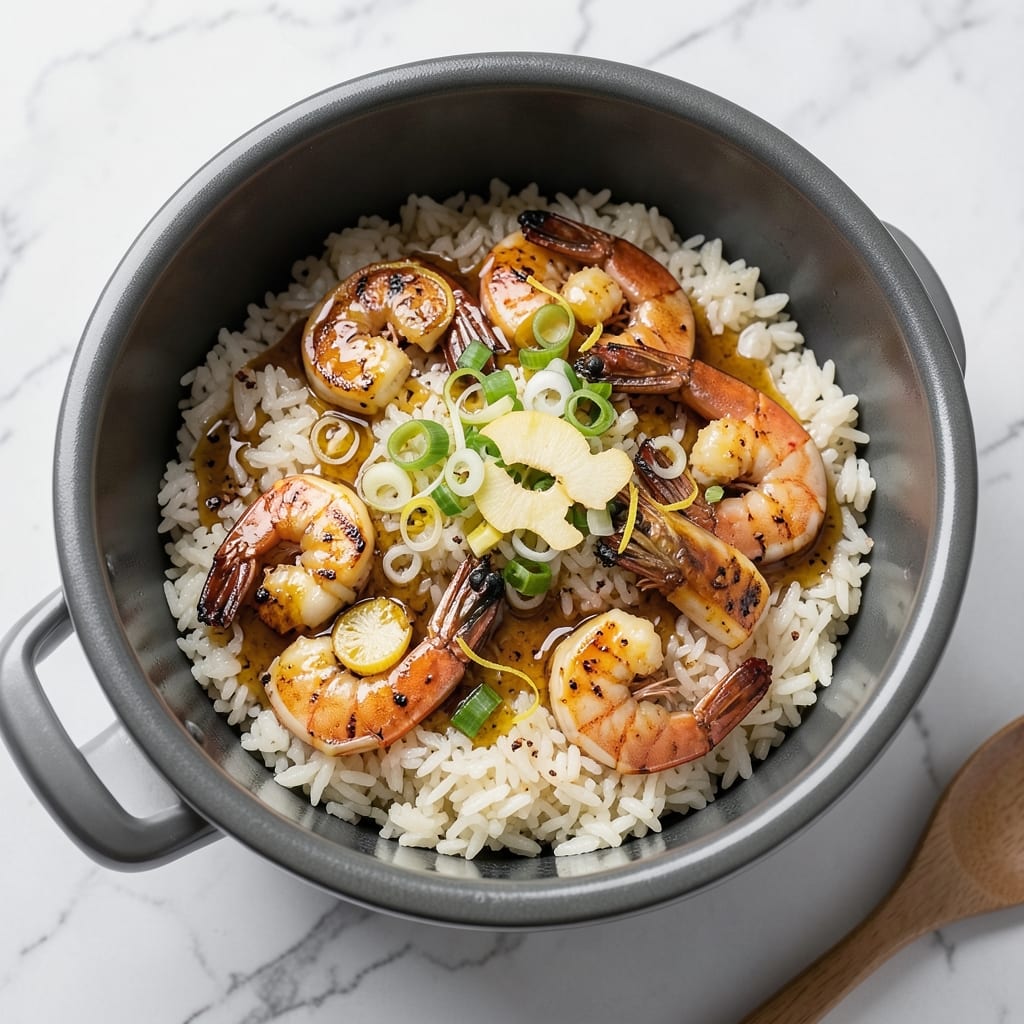
This Asian rice cooker recipe transforms your everyday appliance into a multi-course kitchen—where fragrant jasmine rice meets perfectly charred shrimp in one seamless, aromatic process. The secret lies in layering ingredients strategically: rice at the bottom for even cooking, shrimp nestled above to absorb the steam, and a simple ginger-scallion oil that infuses every grain with bright, umami depth. I developed this method after years of experimenting with rice cooker limitations, and it finally delivers restaurant-quality results without the fuss of separate pans.
The beauty of this one-pan approach is its efficiency—30 minutes from start to finish, with minimal prep and no risk of burning. The shrimp cooks in the residual heat of the rice, emerging with crispy edges and tender centers, while the rice develops its signature floral aroma and sticky texture. This isn’t just a side dish; it’s a complete meal that balances protein, carbs, and bold flavors in perfect harmony. The dish also scales effortlessly, making it ideal for weeknight dinners or meal prep for the week.
What makes this recipe stand out is the charred shrimp technique, which requires no additional equipment—just a moment of patience while the rice finishes cooking. The shrimp absorbs the ginger-scallion oil and rice steam, creating a dish that’s both elegant and satisfying. Serve it as-is for a simple, flavorful meal, or pair it with a quick cucumber salad or steamed bok choy to round out the plate. The versatility of the rice cooker means you can adapt this base with vegetables, tofu, or even leftover proteins for endless variations.
Once you master this method, you’ll never look at your rice cooker the same way again. The key is attention to ingredient placement and timing—trust the process, and you’ll achieve professional-level results with minimal effort. Let’s get cooking, and turn that humble appliance into your new weeknight hero.
Ingredients for asian rice cooker
Fragrant jasmine rice and charred shrimp—just 13 ingredients for a restaurant-quality one-pan meal.
| Ingredient | Amount | Notes |
|---|---|---|
| Jasmine Rice 🍚 | 1 ½ cups | Uncooked, long-grain preferred |
| Large Shrimp 🦐 | 1 lb | Peeled, deveined, tails on |
| Fresh Ginger 🌿 | 2 tbsp | Finely grated, aromatic |
| Green Onions 🧅 | ½ cup | Thinly sliced, white and green |
| Extra-Virgin Olive Oil 🫒 | 2 tbsp | Light, fruity flavor preferred |
| Low-Sodium Soy Sauce 🥢 | 1 tbsp | For umami depth |
| Sesame Oil 🫒 | 1 tsp | Toasted, for aroma |
| Garlic Cloves 🧄 | 2 cloves | Minced, for extra flavor |
| Water 💧 | 2 cups | Room temperature preferred |
| Salt 🧂 | ½ tsp | Kosher or sea salt |
| Black Pepper 🌶️ | ¼ tsp | Freshly ground |
| Lemon Wedges 🍋 | 2 whole | For serving, optional |
| Fresh Cilantro 🌿 | ¼ cup | Chopped, for garnish |
The shrimp is the star here, so look for fresh, plump tails—they should smell clean and bright. Costco or local seafood markets usually have the best quality, but grocery store frozen shrimp works too if it's labeled 'peeled and deveined.' The jasmine rice needs to be uncooked and long-grain—basmati won't give you that signature floral aroma. For the ginger, young, firm pieces work best, and the green onions should be crisp with no wilt. I always grab extra cilantro—half goes on top, half gets chopped for garnish later. The olive oil matters too; light, fruity varieties won't overpower the dish.
No sesame oil? Toasted peanut oil works in a pinch, but it'll have a different flavor profile. Short on ginger? Double the garlic for a similar punch. The shrimp can be substituted with firm tofu or chicken thighs, but adjust cooking time—shrimp cooks in minutes, while tofu needs longer. For the soy sauce, low-sodium is key—regular can make the dish too salty. The lemon wedges are optional but add a bright finish; skip them if you prefer a more neutral presentation. If you're meal prepping, cook the rice and shrimp separately first, then layer them together in the rice cooker for reheating.
This dish reheats beautifully—just add a splash of water and let it steam. Keeps for 3-4 days in the fridge, though the shrimp gets best after the first day. For leftovers, store in an airtight container with a paper towel to absorb any moisture. Freezing isn't ideal for shrimp, but you can freeze the rice portion alone for up to 3 months. I always make double batches—one for dinner, one for lunch the next day. The flavors actually deepen as it sits, so don't hesitate to make extra.
Why You'll Love This Recipe
- One-Pot Magic: I swear by this recipe—just toss everything into the rice cooker and walk away. No pots, no pans, no stress. The shrimp and jasmine rice cook together, soaking up that bright ginger aroma while you prep the rest of your meal.
- Umami Bomb: That shrimp, seared just enough in olive oil, paired with fresh ginger? It’s the kind of flavor that lingers. The green onions add this fresh, sharp finish that cuts through the richness—like a little wake-up call for your taste buds.
- Weeknight Hero: Between us, this is my secret weapon for busy nights. It’s ready in under 30 minutes, feeds four, and still feels special enough for guests. (Yes, even on a Tuesday night when you’re exhausted.)
- Budget-Friendly Luxe: Fresh shrimp might sound fancy, but it’s actually affordable in bulk, and the rest of the ingredients? Cheap and pantry-staple. Plus, leftovers reheat like a dream—no soggy rice here, just perfectly fluffy grains every time.
Step-by-step instructions for one-pan fragrant jasmine with charred shrimp
This simple method transforms your rice cooker into a flavor powerhouse with minimal effort.
Prepare the Shrimp and Aromatics
Pat the 1 lb large shrimp completely dry with paper towels—this helps them char beautifully. In a small bowl, combine the 2 tbsp finely grated fresh ginger, 2 cloves minced garlic cloves, 1 tbsp low-sodium soy sauce, 0.5 tsp salt, and 0.25 tsp black pepper. Add the shrimp to this marinade and toss gently to coat evenly. Let them sit for 10 minutes while you prep the rest.
While the shrimp marinate, thinly slice the 0.5 cup green onions and chop the 0.25 cup fresh cilantro. Set them aside—they'll add freshness to the finished dish. This prep work ensures everything is ready when you're about to cook, making the process smooth and stress-free.
Toast the Rice and Build Flavor Layers
Add the 1.5 cups jasmine rice to your rice cooker and spread it evenly in the bottom. Drizzle over the 2 tbsp extra-virgin olive oil and use your hands to rub it into the rice until every grain is lightly coated. This step is crucial—it creates a subtle nutty flavor and prevents the rice from sticking.
Next, sprinkle the 1 tsp sesame oil over the rice and mix it in gently. The sesame oil adds an aromatic depth that pairs perfectly with the shrimp. Don't worry if it looks like too much—it'll distribute evenly during cooking. This is where the magic of layered flavors begins.
Cook the Shrimp and Add Liquid
Place the marinated shrimp in a single layer on top of the rice. Pour the 2 cups water evenly over the shrimp and rice, making sure the water reaches just below the top of the rice layer. The rice cooker will handle the rest, but this ratio ensures perfectly fluffy grains.
Close the rice cooker lid and select the "white rice" setting. Let it cook for 15 minutes before you peek—this gives the shrimp time to start cooking and the rice to absorb some liquid. The shrimp should begin to turn opaque and slightly pink at the edges by this point. If you see steam escaping, that's a good sign the flavors are melding.
Finish and Garnish
Once the rice cooker switches to "keep warm" mode, let it rest for 5 minutes. This resting period allows the rice to finish steaming and the shrimp to cook through completely. The shrimp should be fully opaque with a slight char on the edges—if they're not quite there, you can pop them back in for another 2-3 minutes on high heat.
Gently fluff the rice with a fork, then scatter the sliced green onions and chopped cilantro over the top. Serve immediately with the 2 whole lemon wedges on the side for a bright, citrusy finish. The aroma alone will make your kitchen smell like a bustling Asian street market—simple, but undeniably delicious.
Pro Tips For Making Asian Rice Cooker
- Rinse Jasmine Rice Twice: I learned this the hard way—skipping the rinse leaves your rice gummy and gluey. Swirl the rice in a fine-mesh strainer under cold water twice, then let it sit for 30 minutes before cooking. That resting time makes all the difference in texture, especially in a rice cooker where steam control matters.
- Prep Shrimp in Ice Water: Don’t thaw shrimp under warm water—it turns rubbery. Instead, place them in a bowl of ice water for 10 minutes before cooking. This keeps them tight and plump, so they don’t curl into sad little question marks when they hit the rice cooker.
- Sauté Ginger with Olive Oil First: Sounds weird, but it works: cook the ginger in olive oil for 30 seconds before adding anything else. The oil pulls the heat out of the ginger, mellowing its bite and letting the shrimp’s sweetness shine. Skip this, and your dish tastes like a spice cabinet exploded.
- Add Green Onions at the End: If you toss them in too early, they turn to mush. Wait until the last 2 minutes of cooking, then sprinkle them on top—whole and bright. This keeps the dish looking fresh, even if you’re serving it straight from the rice cooker. (Yes, even if you’re impatient like me.)
Regional styles of this asian rice cooker
Japanese Koshihikari Style
For a lighter, stickier texture, swap jasmine rice for 1.5 cups Koshihikari rice—the Japanese short-grain variety that’s a staple in bento boxes. Use 1.75 cups water instead of 2 cups, as Koshihikari absorbs liquid differently. Add ½ tsp mirin to the water for a subtle sweetness, and top with 1 tbsp toasted furikake seasoning before serving. The result is a dish with a delicate, almost cloud-like consistency that pairs beautifully with the shrimp’s smoky notes. 🌸
Thai Tom Yum-Inspired
Transform this into a Thai-inspired one-pan meal by adding 1 stalk lemongrass, bruised and tied with kitchen twine, along with 1 tbsp fish sauce and 1 tsp chili flakes to the shrimp marinade. Use 2 cups coconut milk instead of water, and let the rice cooker do its magic—it’ll create a creamy, aromatic base. Finish with ½ cup sliced Thai basil and a squeeze of lime for that signature tang. The shrimp will absorb the lemongrass’s citrusy punch, making every bite vibrant. 🌶️
Korean Bibimbap Fusion
Turn your rice cooker into a Korean bibimbap bowl by layering ½ cup sautéed spinach, ½ cup carrot julienne, and ¼ cup gochujang (Korean chili paste) mixed into the rice before adding the shrimp. After cooking, top with 1 fried egg and a drizzle of sesame seeds. The gochujang adds a deep, spicy-sweet depth that complements the shrimp’s char. Serve with kimchi on the side for a complete Korean-inspired meal. 🍳
Vietnamese Lemongrass Beef Twist
Swap shrimp for 1 lb thinly sliced flank steak marinated in 2 tbsp fish sauce, 1 tbsp sugar, and 1 tbsp lemongrass paste. Cook the steak in the rice cooker for 10 minutes before adding the rice and water. Stir in 1 tbsp hoisin sauce with the green onions at the end for a Vietnamese-inspired flavor profile. The steak will develop a caramelized crust, while the rice absorbs the lemongrass and fish sauce for a bold, umami-rich dish. 🥩
Filipino Garlic Rice Adaptation
For a Filipino twist, sauté 4 cloves garlic in the rice cooker until fragrant before adding the rice and oil. Use 1 cup coconut milk instead of water, and add ½ cup diced bell peppers and ½ cup peas to the rice layer. Top with 1 tbsp chopped calamansi leaves (or lime) and 1 tbsp toasted garlic after cooking. The shrimp will soak up the garlic and coconut milk, creating a dish that’s both comforting and vibrant. 🌱
Nutrition facts
Frequently asked questions
Can I use this recipe with other proteins besides shrimp?
This method works beautifully with chicken thighs, tofu, or even beef slices. For chicken, marinate for 20 minutes instead of 10 and adjust cooking time to 25 minutes total. Tofu should be pressed and cubed, then cooked for 20 minutes before adding rice. The key is ensuring the protein cooks through while the rice finishes.
Why does my rice cooker say "keep warm" before the shrimp is done?
This happens because shrimp cooks faster than rice. Let it sit for 5 minutes in "keep warm" mode—the shrimp will finish cooking from residual heat. If they're still pink after 5 minutes, pop them back in for 2-3 minutes on high heat. Never overcook shrimp, or they'll turn rubbery!
Can I make this recipe without sesame oil?
Yes! If you don't have sesame oil, use 1 tsp toasted peanut oil or even ½ tsp neutral oil like canola. The dish will still taste great—sesame oil just adds that signature nutty aroma. For extra flavor, sprinkle ½ tsp ground toasted sesame seeds on top before serving.
How do I prevent the rice from sticking to the bottom?
Always coat the rice with oil before cooking—this creates a natural barrier. Also, use the 1:1 ratio of rice to water (1.5 cups rice to 1.5 cups water) for jasmine rice. If your cooker has a non-stick inner pot, that helps too. For stubborn stuck rice, soak the pot in warm water for 10 minutes before scrubbing gently.
What's the best way to reheat leftovers?
Add 2 tablespoons water to the rice cooker, press "reheat," and let it steam for 5 minutes. The shrimp reheats best this way—it stays tender rather than drying out. For extra flavor, sprinkle a few drops of water and a pinch of salt before reheating. Leftovers keep well for 3 days in the fridge.