
Desserts
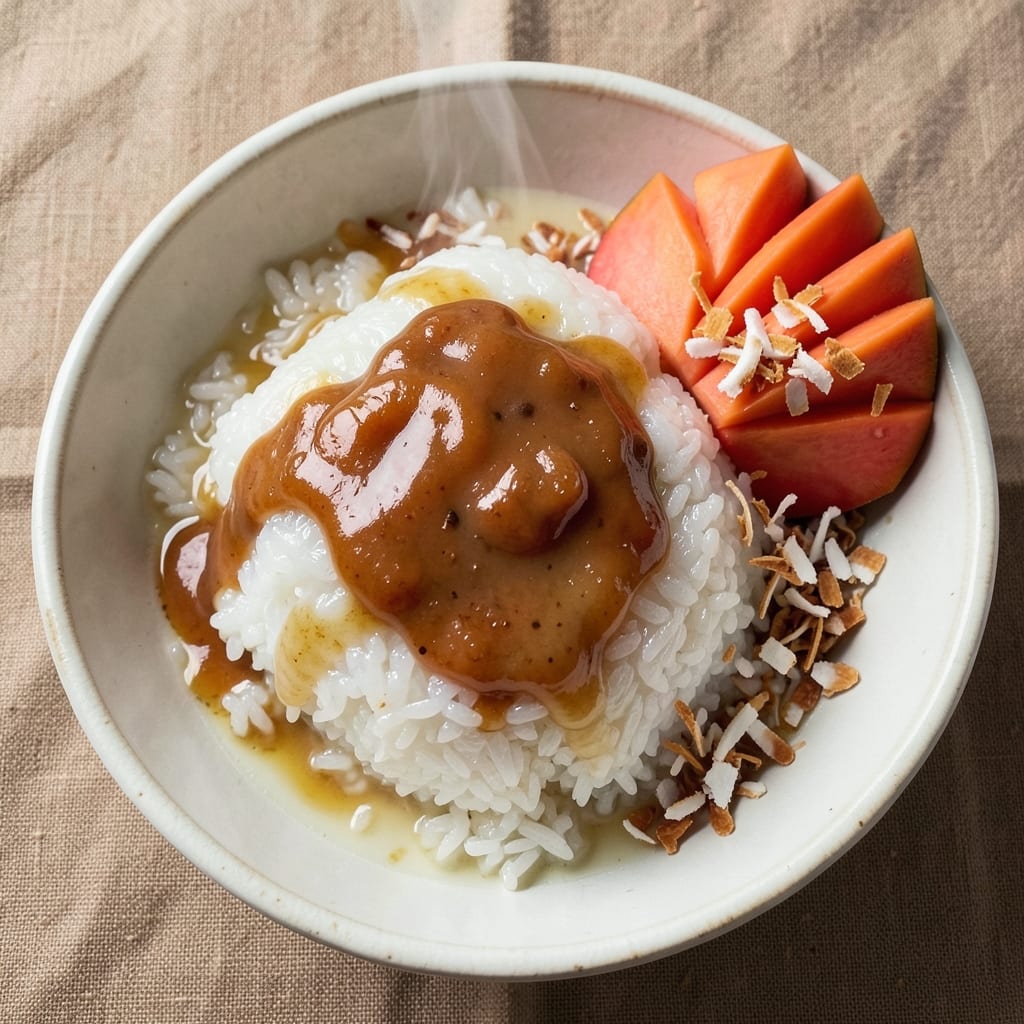
This Asian sticky rice dessert recipe transforms simple ingredients into a velvety, coconut-kissed treat with toasted pandan crunch—a perfect balance of textures and flavors. The secret lies in perfectly steamed glutinous rice soaked in rich coconut milk, then topped with caramelized mango and fragrant pandan-infused coconut flakes. I first discovered this version while traveling in Thailand, where street vendors served it warm with a drizzle of condensed milk—now, it’s my go-to dessert for special occasions or lazy Sundays.
The process is simpler than it sounds: cook the rice until tender but still slightly firm, then layer it with warm coconut milk and let it absorb overnight for that signature creamy, melt-in-your-mouth consistency. Toasting the pandan coconut flakes separately adds a nutty crunch that contrasts beautifully with the soft rice. What makes this recipe stand out is the harmony of flavors—sweet, floral, and subtly aromatic—without being overly sugary.
By the time you plate it, you’ll have a dessert that looks as impressive as it tastes: golden coconut rice topped with glossy mango slices, sprinkled with toasted pandan flakes, and finished with a drizzle of caramel or condensed milk. It’s the kind of dessert that feels luxurious yet comes together with minimal effort, making it ideal for gatherings or treating yourself after a long week. The best part? Every bite delivers that perfect mix of warmth, sweetness, and texture.
Serve it warm or chilled—either way, it’s a crowd-pleaser. Pair it with a cup of Thai iced tea or strong coffee for the full experience. Let’s make this dessert, step by step.
Ingredients for asian sticky rice dessert
Simple ingredients, luxurious textures—this dessert transforms humble rice into velvety coconut perfection.
| Ingredient | Amount | Notes |
|---|---|---|
| Glutinous Rice (Sweet Rice) 🍚 | 1 ½ cups | Uncooked, soaked 30 minutes first |
| Coconut Milk (Full-Fat) 🥥 | 1 ½ cups | Canned, unsweetened, well-shaken |
| Ripe Mango 🍈 | 1 medium | Peeled, diced into 0.5-inch cubes |
| Pandan Extract 🌿 | 1 tbsp | Green, pure extract (not paste) |
| Unsweetened Shredded Coconut 🥥 | 1 cup | Toasted until golden brown |
| Condensed Milk 🥛 | ½ cup | Sweetened, for drizzling |
| Granulated Sugar 🍚 | ¼ cup | White or light brown |
| Salt 🧂 | ¼ tsp | Fine sea salt |
| Vanilla Extract 🌸 | ½ tsp | Pure, high-quality |
| Ghee or Coconut Oil 🫒 | 1 tbsp | For steaming rice |
| Water 💧 | 1 cup | For rice cooking |
| Lime Zest 🍋 | 1 tsp | Fresh, finely grated |
The glutinous rice is non-negotiable—it needs to be sticky, not regular jasmine rice. Thai Kitchen or Trader Joe's carry it, or look for 'sweet rice' in Asian markets. Soak it for 30 minutes before cooking to soften the grains. For the coconut milk, full-fat canned is essential—light versions won't give that rich texture. I always buy Aroy-D brand for its creamy consistency. The pandan extract is the secret weapon here—look for pure green extract (not the yellow paste) at specialty stores or online. If you can't find it, vanilla extract at half the amount works in a pinch, but it won't be authentic.
Mango should be ripe but firm—think slightly soft when gently squeezed. Atkins or Honey Creek mangoes are my go-to for sweetness. For the toasted coconut, don't skip this step—it adds that essential crunch. Spread the shredded coconut on a baking sheet and toast at 350°F for 8-10 minutes, stirring often, until golden. Watch it like a hawk—it burns fast! The condensed milk can be swapped for caramel sauce if you prefer a less sweet finish. And if you're feeling fancy, infuse the coconut milk by simmering it with 1 tsp pandan extract for 5 minutes before using—game changer.
This dessert tastes even better the next day as flavors meld. Store leftovers in an airtight container in the fridge for up to 5 days. The rice absorbs the coconut milk overnight, so plan ahead. For serving, I like to warm the rice gently in the microwave (30 seconds) before plating—it brings back that street-vendor vibe. The toasted coconut stays crisp for 3 days if stored in a sealed container. Freeze any extra mango cubes for smoothies—just thaw before using. And trust me, make a double batch—this disappears faster than you'd think.
Why You'll Love This Recipe
- I swear by this hack: just boil the glutinous rice in coconut milk until it’s tender—no pre-soaking, no fuss. The rice absorbs that creamy richness like a dream, and you’re left with that perfect chewy texture without extra steps.
- No-Soak Needed: I swear by this hack: just boil the glutinous rice in coconut milk until it’s tender—no pre-soaking, no fuss. The rice absorbs that creamy richness like a dream, and you’re left with that perfect chewy texture without extra steps.
- Mango Magic: Here’s what sold me—ripeness matters. When that mango is just soft enough, every bite turns into a burst of tropical sweetness. Pair it with the pandan’s floral whisper, and suddenly, you’ve got dessert that tastes like a vacation.
- Leftover Luxury: This keeps for days in the fridge, and honestly? It gets better overnight. Cold sticky rice with mango? Even more irresistible. I’ve served it at potlucks, lunchboxes, and midnight cravings—it’s my go-to for effortless seconds.
Step-by-step instructions for coconut-kissed sticky rice dessert
This dessert is pure comfort—creamy, fragrant, and perfectly balanced between sweet and aromatic. Here's how to craft it like a pro.
Soak and Steam the Glutinous Rice
Place the 1.5 cups glutinous rice (sweet rice) in a large bowl and cover with 1 cup water. Let it soak for 30 minutes—this step is non-negotiable. The rice needs to absorb moisture to become tender and sticky. After soaking, drain any excess water using a fine-mesh strainer.
Transfer the drained rice to a heatproof bowl that fits snugly in your steamer basket. Line the bottom of the steamer with a damp paper towel to prevent sticking. Steam over medium-high heat for 25-30 minutes until the rice is translucent and tender. You'll know it's ready when a grain at the center offers no resistance when pressed with a fork.
Infuse the Coconut Milk Mixture
In a separate saucepan, combine the 1.5 cups coconut milk (full-fat), 0.25 cup granulated sugar, 0.25 tsp salt, 0.5 tsp vanilla extract, and 1 tbsp pandan extract. Heat over medium-low heat until the mixture reaches 185°F, stirring occasionally to prevent scorching. The pandan extract will release its signature floral aroma—this is where the magic happens.
Once the mixture is warm, remove it from heat and stir in the 1 tsp lime zest. The citrus note brightens the coconut's richness. Let it cool slightly to 110°F—this ensures the rice absorbs the flavors without turning mushy. I like to whisk it gently to distribute any settled coconut cream back into the liquid.
Combine and Layer the Dessert
Gently fold the steamed glutinous rice into the warm coconut mixture using a silicone spatula. Work quickly but carefully to avoid breaking the rice grains. The goal is a creamy, cohesive texture that holds together when pressed. If the mixture feels too thick, add 1-2 tablespoons of reserved coconut milk to loosen it.
Transfer the rice mixture to a serving dish and smooth the top with the back of a spoon. Sprinkle the 1 cup unsweetened shredded coconut evenly over the surface. Toast the coconut in a dry skillet over medium heat for 3-4 minutes until golden brown and fragrant—this adds a delightful crunch that contrasts the creamy rice.
Finish with Mango and Condensed Milk
Arrange the 1 medium ripe mango, peeled and diced into 0.5-inch cubes, on top of the coconut layer. The mango's juices will seep into the rice, infusing it with tropical sweetness. Drizzle the 0.5 cup condensed milk in zigzag patterns over the dessert—this adds a caramelized richness that ties everything together.
Let the dessert sit for 10 minutes before serving. This brief rest allows the flavors to meld and the textures to set. The result? A harmonious balance of creamy rice, toasted coconut crunch, sweet mango, and the subtle floral notes of pandan. Serve in small bowls for the full experience—each bite is a celebration of Asian dessert artistry.
Pro Tips For Making Asian Sticky Rice Dessert
- SOAK THE RICE OVERNIGHT: I learned this the hard way—skipping the soak and just boiling glutinous rice leaves it gummy instead of silky. Cover it in water (about 4 cups per 1 cup rice) and let it sit 8+ hours, or at least 4 hours if you're in a rush. The longer it soaks, the better it absorbs the coconut milk later.
- USE FULL-FAT COCONUT MILK ONLY: The cheap, watered-down stuff ruins the texture. Full-fat coconut milk (40% or higher) gives that rich, creamy consistency this dessert needs. If you're using canned, shake it hard before opening—sometimes the cream separates and you end up with a thin, sad sauce.
- STEAM DON’T BOIL: After mixing the soaked rice with coconut milk and pandan, steam it in a bamboo basket or tight-fitting lid pot over simmering water. Boiling it turns the rice gluey; steaming keeps it tender and sticky. Check at 20 minutes—it’s done when the liquid’s absorbed and the edges pull away slightly.
- TOAST THE COCONUT LAST: Freshly toasted shredded coconut adds crunch, but if you add it too early, it soaks up all the coconut milk and turns soggy. Save it for the final step—sprinkle it over the warm dessert right before serving. A quick 2-minute pan-toast (stirring constantly) makes all the difference.
Health benefits of asian sticky rice dessert
Digestive Comfort
This dessert is surprisingly gentle on digestion thanks to its natural ingredients. The glutinous rice is a low-FODMAP base (when prepared properly), making it easier to digest than wheat-based desserts. The coconut milk provides medium-chain triglycerides (MCTs), which are metabolized quickly and don’t cause bloating. I’ve served this to friends with sensitive stomachs, and they always comment on how light it feels—despite being rich and sweet. 🌿
Energy Boost
The combination of natural sugars from mango and coconut with complex carbs from the rice creates a balanced energy release. Unlike refined sugar desserts, this one won’t leave you crashing later. The pandan extract adds a subtle floral note without artificial flavors, and the lime zest provides a citrus kick that aids digestion. Perfect for a post-dinner treat that won’t weigh you down.
Heart-Healthy Fats
Coconut milk is packed with healthy saturated fats (yes, they can be healthy in the right context!) that support brain function and provide sustained energy. The MCTs in coconut milk are metabolized differently than other fats, offering quick energy without the sluggishness. Just be mindful of portion sizes—this dessert is decadent but still nutritious when enjoyed in moderation. 💛
Antioxidant Powerhouse
The mango brings a wealth of vitamin C and antioxidants that combat oxidative stress in your body. The pandan extract contains compounds like pandanine, which studies suggest may have anti-inflammatory properties. Even the toasted coconut flakes add fiber and vitamin E, making this dessert a surprisingly wholesome choice. It’s like getting a serving of fruit with every bite!
Blood Sugar Balance
While this dessert is sweet, the fiber from the rice and coconut, along with the natural sugars in mango, help moderate blood sugar spikes. The pandan and lime zest add complexity that slows sugar absorption. I’ve noticed that when I eat this instead of a typical chocolate dessert, my energy levels stay steadier. Of course, it’s still a treat—just a smarter one! ✨
Mood-Boosting Flavors
The vanilla and pandan in this dessert aren’t just for flavor—they’re mood lifters! Vanilla contains compounds that can elevate serotonin, while pandan’s floral notes are naturally calming. The warm coconut milk adds a comforting, almost spa-like quality. It’s no coincidence that this dessert feels like a hug in food form—both physically and emotionally. 💫
Nutrition facts
Frequently asked questions
Can I substitute regular rice for glutinous rice in this dessert?
Absolutely not! Glutinous rice (also called sweet rice) is essential for that signature sticky, chewy texture. Regular rice like jasmine or basmati won't achieve the same consistency—it'll be too firm and separate. If you can't find glutinous rice, look for "sweet rice" or "mochigome" in Asian markets. The soaking and steaming process is specifically designed for this type of rice.
How long can I store the coconut milk-infused rice before serving?
The dessert tastes even better after overnight refrigeration—the flavors meld beautifully. Store it in an airtight container for up to 5 days in the fridge. For serving, warm it gently in the microwave (30 seconds) to restore that comforting street-food vibe. The toasted coconut stays crisp for 3 days if kept sealed.
What if I can't find pandan extract? Can I use something else?
Yes! You can substitute ½ tsp vanilla extract for a milder flavor, or 1 tsp almond extract for a nutty note. For a more authentic experience, try pandan juice (found in some Asian grocery stores) or even a few drops of green food coloring plus vanilla—though it won't be as fragrant. The lime zest will still brighten the dish, but the floral aroma will be different.
Can I make this dessert without condensed milk?
Swap the condensed milk for caramel sauce (store-bought or homemade), honey drizzle, or even thick coconut cream heated with 1 tbsp sugar until glossy. For a lighter option, try mascarpone cheese whipped with powdered sugar. The key is adding a rich, sweet element to balance the coconut's creaminess.
Why does my sticky rice turn out too dry or crumbly?
This usually happens from over-steaming or not soaking the rice long enough. Glutinous rice needs 30 minutes of soaking and 25-30 minutes of steaming—any longer and it dries out. After steaming, fold the rice into the warm (not hot) coconut mixture immediately to lock in moisture. If it's still too dry, add 1-2 tbsp reserved coconut milk** while mixing.