
Main Courses
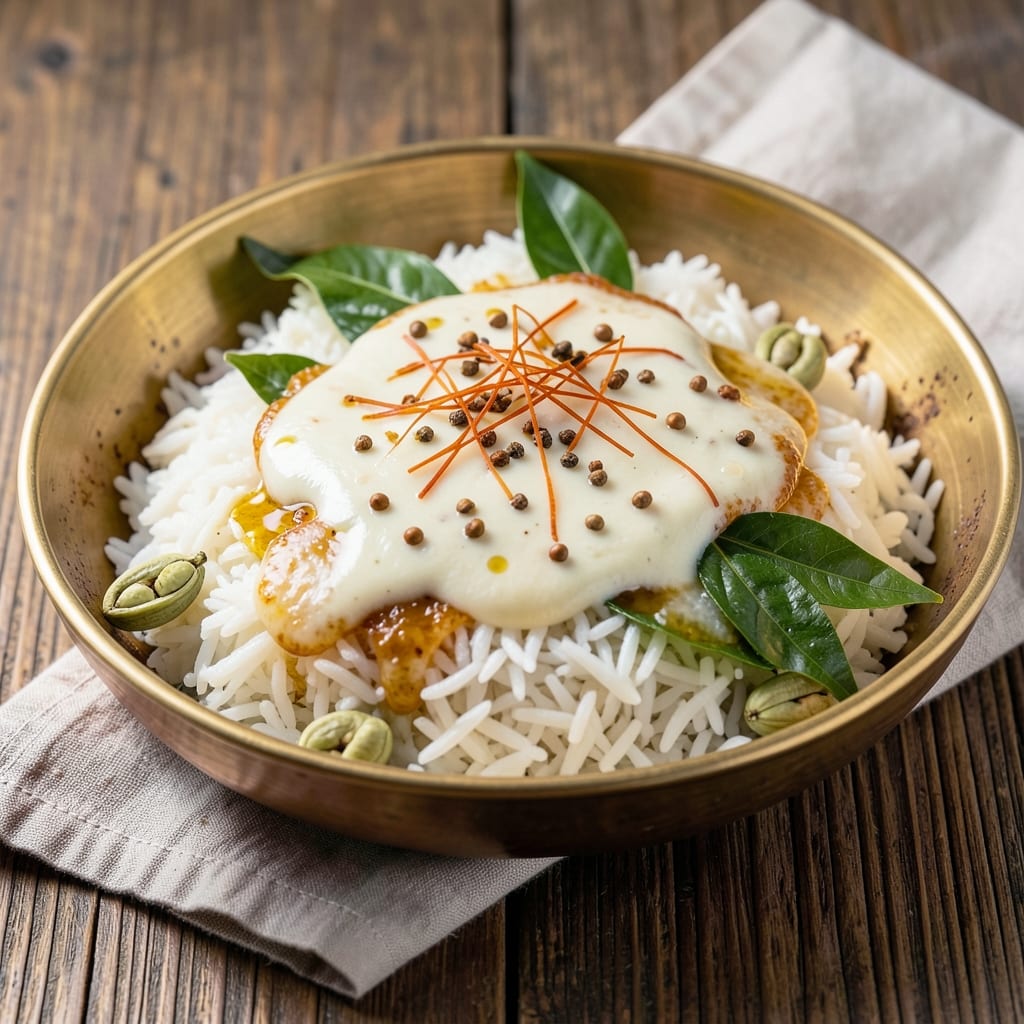
This Anglo-Indian coconut rice recipe bridges centuries of colonial history with vibrant flavors, transforming simple basmati rice into a fragrant, golden side dish. The fusion of British colonial techniques with Indian spices creates a dish that's both comforting and sophisticated—perfect for pairing with curries or grilled meats. The key lies in toasting whole spices until they release their aromatic oils, then simmering coconut milk until it thickens into a velvety sauce that coats each grain.
What sets this recipe apart is its authenticity without complexity: no special equipment, just a pot and patience. The rice absorbs the rich coconut milk and saffron, turning into tender, fragrant grains with a subtle golden hue. Toasted mustard seeds and curry leaves add a smoky depth that elevates the dish beyond ordinary coconut rice. This method preserves tradition while adapting to modern kitchens, where time and simplicity matter as much as flavor.
The result is a dish that's as visually stunning as it is delicious—each bite delivers the creamy sweetness of coconut, the warmth of spices, and the delicate floral notes of saffron. It's the kind of side that turns an ordinary meal into a celebration, whether served alongside a hearty curry or as a standalone vegetarian delight. The technique is straightforward, but the flavors are anything but.
For those new to Anglo-Indian cuisine, this recipe offers a gentle introduction to the fusion of British and Indian culinary traditions. The dish pairs beautifully with mild curries, biryanis, or even grilled chicken for a full meal. Leftovers reheat well, making it ideal for meal prep. Ready to bring a taste of history to your table?
Ingredients for anglo indian coconut rice
Simple ingredients that transform into fragrant, golden coconut rice with saffron and toasted spices.
| Ingredient | Amount | Notes |
|---|---|---|
| Long-Grain Basmati Rice 🍚 | 1 ½ cups | Uncooked, rinsed thoroughly |
| Full-Fat Coconut Milk 🥥 | 13 ½ oz | Canned, full-fat variety |
| Saffron Threads 🌼 | 0.1 tsp | High-quality, soaked in 1 tbsp warm water |
| Mustard Seeds 🌿 | 1 tbsp | Whole, yellow variety |
| Curry Leaves 🌿 | 8 whole | Fresh, dried if unavailable |
| Green Cardamom Pods 🌿 | 4 whole | Lightly crushed |
| Cinnamon Sticks 🌿 | 2 whole | 1-inch pieces |
| Fresh Ginger 🧄 | 1 tbsp | Grated, finely |
| Garlic Cloves 🧄 | 4 cloves | Peeled, minced |
| Vegetable Oil 🫒 | 3 tbsp | Light or neutral oil |
| Salt 🧂 | 1 ½ tsp | Kosher or sea salt |
| Bay Leaves 🌿 | 2 whole | Fresh or dried |
| Turmeric Powder 🌶️ | ½ tsp | Freshly ground preferred |
The coconut milk is non-negotiable here—full-fat canned delivers the richest flavor. Thai Kitchen or Goya brands are reliable, but check for no additives. Saffron is the secret weapon; splurge on a small amount from a specialty store—it makes a difference. Fresh curry leaves add that signature smoky depth, but dried works in a pinch. For the spices, whole cardamom and cinnamon toast better than ground—they release their aromatic oils when heated, creating that authentic Anglo-Indian aroma. Toast them in the oil until fragrant, about 30 seconds each.
No fresh ginger? Substitute with 1 tsp ground ginger, but it won't have the same zing. Short on saffron? Turmeric adds color but no floral notes. The coconut milk can be swapped for light coconut milk if needed, though the texture will be lighter. For a quicker version, use pre-toasted spices from an Indian grocery store—just add them directly to the pot. The rice must be rinsed thoroughly to remove excess starch, which prevents the grains from sticking together. If you're using basmati rice from a bulk bin, pick the longest grains for the best texture.
This rice reheats beautifully—just add a splash of water and warm through. Keeps in the fridge for 4-5 days and freezes for 3 months. For meal prep, cook a double batch and portion into containers. The saffron-infused milk can be made ahead and stored separately for 2 days in the fridge. To intensify the flavor, let the rice sit covered for 10 minutes after cooking—the steam redistributes the spices and coconut milk evenly. Serve with a sprinkle of fresh cilantro if you're feeling fancy.
Why You'll Love This Recipe
- One-Pot Magic: I swear by this recipe when I’m too tired to wash pots—just rice, coconut milk, and a few spices simmered together until fragrant. The mustard seeds and curry leaves pop in the pan while the rice soaks up all that creamy, spiced richness.
- Golden Luxury: That first whiff of saffron steeping in warm coconut milk? Instant mood booster. The rice turns out tender with just a hint of nutty sweetness, and the full-fat coconut milk makes every bite feel like a little treat—not heavy, just right.
- Lunchbox Champion: Between us, this is my go-to for meal prep. The flavors only get better the next day (yes, even on a Tuesday night), and it reheats like a dream. Pack it cold for work or serve it warm with curry—either way, it’s a crowd-pleaser.
- Budget Bright Spot: I buy basmati rice in bulk, and coconut milk lasts forever in the pantry. A few strands of saffron and a handful of spices stretch across multiple meals, so I’m not breaking the bank for something this indulgent. Frugal? Absolutely. Delicious? Ridiculously.
Step-by-step instructions for Anglo-Indian coconut rice
This fragrant one-pot dish combines toasted spices, saffron, and coconut milk for restaurant-quality results.
Toast the Whole Spices and Aromatics
Heat the 3 tablespoons vegetable oil in a heavy-bottomed pot over medium heat. Add the 2 whole cinnamon sticks, 4 whole green cardamom pods, and 2 whole bay leaves. Toast for 1 minute until the spices release their aroma and begin to sizzle gently.
Add the 1 tablespoon whole mustard seeds and toast for another 30 seconds until they pop and turn golden. Immediately add the 8 whole curry leaves and 1 tablespoon finely grated fresh ginger. Stir constantly for 1 minute until the curry leaves turn crisp and the ginger releases its fragrance. This toasting step builds the complex spice foundation that defines Anglo-Indian cuisine.
Sauté Garlic and Bloom the Turmeric
Add the 4 minced garlic cloves to the pot and sauté for 30 seconds until fragrant but not browned. Reduce heat to medium-low and stir in the 0.5 teaspoon turmeric powder. Cook for 1 minute until the turmeric dissolves completely and the mixture smells earthy and aromatic.
Here's where the magic happens: the turmeric should bloom fully, creating a vibrant yellow base for your rice. If you notice any uncooked turmeric particles, stir for another 30 seconds to ensure complete incorporation. This step prevents any bitter turmeric flavor that can develop if it's not properly bloomed.
Add Rice and Toast Before Cooking
Increase heat to medium-high and add the 1.5 cups long-grain basmati rice. Stir vigorously for 2 minutes until the rice becomes translucent at the edges and develops a slight golden color. This toasting step enhances the nutty flavor of the rice and prevents it from becoming mushy during cooking.
Add the 1.5 teaspoons salt and stir for another 30 seconds to distribute evenly. You'll notice the rice begins to separate slightly—this is perfect. If any grains stick together, gently break them apart with your spoon. This thorough toasting ensures each grain cooks uniformly and absorbs the coconut milk perfectly.
Cook with Coconut Milk and Saffron
Pour in the 13.5 ounces full-fat coconut milk and stir gently to combine. Bring the mixture to a gentle boil over medium-high heat, then immediately reduce to low heat. Cover the pot with a tight-fitting lid and simmer for 15 minutes without stirring.
After 15 minutes, remove the lid and stir in the 0.1 teaspoon saffron threads (previously soaked in 1 tablespoon warm water). The saffron should dissolve completely, infusing the rice with its signature golden hue and floral aroma. Return to low heat and cook uncovered for another 5 minutes to allow any excess moisture to evaporate.
Rest and Fluff to Perfection
Turn off the heat and let the rice sit covered for 10 minutes. This resting period allows the steam to redistribute, resulting in perfectly fluffy grains. Use a fork to gently fluff the rice, separating any clumps and creating that signature light, airy texture.
The finished rice should have a delicate golden color from the saffron, with each grain distinct and tender. Serve immediately while still warm, garnished with additional curry leaves if desired. The aroma alone will transport you to an Anglo-Indian restaurant—this is where the real magic happens.
Pro Tips For Making Anglo Indian Coconut Rice
- Bloom the Saffron: Steep the saffron threads in 2 tablespoons of warm coconut milk for 10 minutes before adding to the rice—this extracts the color and aroma without bitterness. I used to toss it in dry; now the rice looks golden and tastes richer.
- Temper Mustard Seeds Low: Start mustard seeds on medium-low heat with coconut oil—high heat burns them before they pop. After burning three batches, I finally figured out: let them sizzle gently for 30 seconds before adding curry leaves.
- Rinse Rice Twice: Swirl basmati rice in cold water twice to remove excess starch—this prevents mushy rice when cooking in coconut milk. (Yes, even if the water looks clear the first time.)
- Use Half the Water: Coconut milk is thick—reduce water by 25% compared to standard rice ratios. The rice absorbs flavor better, and you won’t end up with a soup. (Your future self will thank you.)
Dietary considerations for anglo indian coconut rice
Vegetarian-Friendly Base
This coconut rice recipe is naturally vegetarian, making it a perfect side for plant-based curries or veggie-based meals. The dish relies entirely on coconut milk, spices, and rice—no animal products are needed. For extra protein, pair it with chana masala (chickpea curry) or paneer tikka (grilled Indian cheese). The saffron and coconut add richness that satisfies even meat lovers. 🌱
Gluten-Free Assurance
All ingredients in this recipe are inherently gluten-free, so it’s safe for those with celiac disease or gluten sensitivity. The basmati rice, coconut milk, and spices contain no wheat or gluten-containing additives. Always check labels on pre-packaged items like Thai Kitchen coconut milk or Goya spices to confirm they’re certified gluten-free. Cross-contamination is rare but possible if shared equipment is used. ✨
Dairy-Free and Nut-Free
Unlike many Anglo-Indian dishes that include yogurt or ghee, this recipe avoids dairy entirely, making it ideal for lactose-intolerant individuals. It’s also nut-free, as the only nutty flavor comes from toasted spices—not actual nuts. For extra caution, use a dedicated pot and utensils if your kitchen handles nuts frequently. The coconut milk provides creaminess without dairy or nut-based ingredients. 🥥
Allergen Substitutions
If you must avoid coconut, substitute the 13.5 oz full-fat coconut milk with 1 cup light coconut milk plus ½ cup vegetable broth—though the texture will be lighter. For mustard seed allergies, omit them entirely; the dish still shines with cardamom, cinnamon, and curry leaves. Always taste as you go to adjust seasoning. The saffron and ginger remain safe for most allergies. 💡
Vegan Adaptations
This recipe is already vegan, but you can enhance its depth by adding 1 tsp smoked paprika or ½ tsp asafoetida (hing) for an umami boost. For a smoky twist, toast ½ tsp cumin seeds alongside the mustard seeds. The dish pairs beautifully with vegan curries like baingan bharta (smoky eggplant mash) or tofu tikka masala**. 🌿
Nutrition facts
Frequently asked questions
What makes this coconut rice recipe distinctly Anglo-Indian?
The fusion of British colonial techniques with Indian spices defines this dish. The key lies in toasting whole spices like cardamom and cinnamon until they release aromatic oils, creating that signature Anglo-Indian depth. Unlike traditional Indian coconut rice, this version incorporates saffron for its floral notes and a longer cooking process with coconut milk to achieve that velvety texture. The tempering with mustard seeds and curry leaves adds a smoky complexity that bridges both culinary traditions.
Can I use regular basmati rice or do I need specialty rice?
Regular long-grain basmati rice works perfectly—just make sure it's uncooked and rinsed thoroughly to remove excess starch. The recipe doesn't require specialty rice like jasmine or parboiled varieties. For best results, choose grains that are at least 5-6 inches long when uncooked, as these will stay separate and fluffy. If you're using basmati from a bulk bin, pick the longest grains available for that signature light texture.
How do I prevent the rice from becoming mushy?
Three key steps prevent mushy rice: toasting the rice before adding liquid, using the correct rice-to-liquid ratio (1:1 with coconut milk), and letting it rest covered for 10 minutes after cooking. Never stir the rice while it simmers—this breaks the grains. Also, avoid lifting the lid during cooking to maintain consistent steam. If your rice turns out slightly sticky, fluff it gently with a fork and let it sit uncovered for 5 minutes to evaporate excess moisture.
What's the best way to store and reheat leftovers?
Store cooked coconut rice in an airtight container in the fridge for up to 4-5 days or freeze for 3 months. To reheat, add 1-2 tablespoons of water per cup of rice and warm through on low heat. For best texture, cover the pot and let it steam gently for 3-4 minutes—this restores the fluffy consistency. Avoid microwaving as it can make the rice dry out. The saffron-infused coconut milk can be made ahead and stored separately for 2 days in the fridge.
Can I make this recipe without saffron?
Yes, but the dish will lose its signature golden color and floral aroma. For a visual substitute, use ½ teaspoon turmeric powder (but it won't have the same flavor). For depth, add 1 teaspoon rose water or ½ teaspoon orange blossom water—these provide floral notes similar to saffron. The coconut milk and spices will still create a delicious dish, though the color will be more yellow than golden. For a budget-friendly option, use ½ teaspoon turmeric + ¼ teaspoon annatto powder for color.