
Main Courses
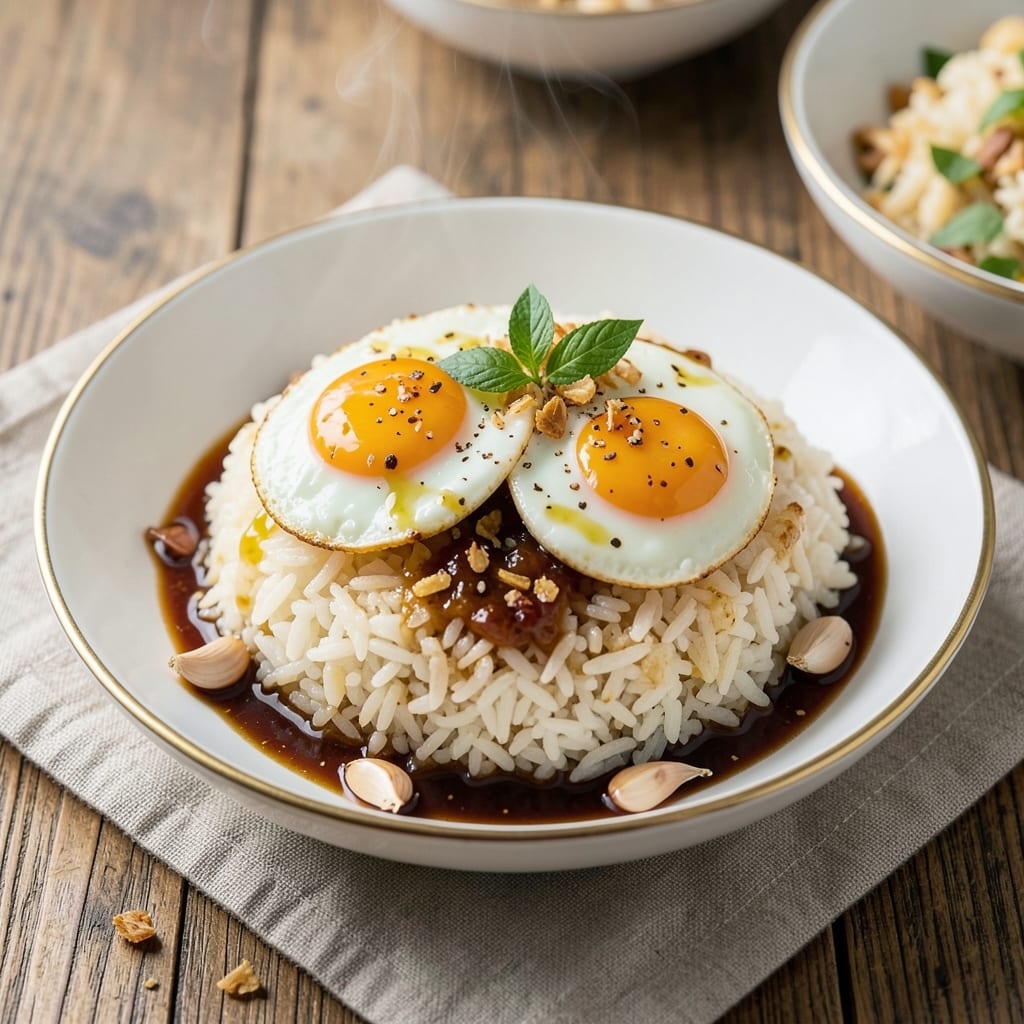
This Asian egg rice recipe delivers the perfect balance of silky egg ribbons and wok-tossed umami crunch in every bite. The secret lies in the technique—quickly folding soft, custardy egg into fragrant jasmine rice with a light hand, creating delicate strands that melt in your mouth. I developed this recipe after years of experimenting with different Asian egg rice styles, and it’s now my go-to for both weeknight dinners and special occasions. The result is a dish that’s restaurant-quality at home, with layers of savory, slightly sweet, and aromatic flavors that come together in harmony.
The foundation of this recipe is high-quality jasmine rice, cooked to perfection and finished with a light steam to keep it tender. The eggs are scrambled just until set, then gently folded into the rice with a splash of soy sauce and a touch of sesame oil—this is where the magic happens. The wok-tossing technique ensures each grain stays separate while absorbing the rich, umami-packed flavors. Whether you prefer a vegetarian version or one with a hint of fish sauce for depth, this recipe adapts effortlessly to your taste.
What makes this dish truly special is the textural contrast—the crisp-tender rice, the silky egg ribbons, and the subtle crunch of toasted sesame seeds on top. The aroma alone, wafting through your kitchen, will have everyone gathering around the table. It’s a dish that feels elevated yet approachable, perfect for feeding a crowd or enjoying a quiet meal with a side of quick-pickled vegetables or a simple green salad.
Once you master this technique, you’ll find endless variations—add shredded chicken for a heartier meal, swap in shrimp for a seafood twist, or keep it vegetarian with just the eggs and rice. The possibilities are endless, but the foundation remains the same: simple ingredients, precise technique, and bold flavors. Let’s get cooking!
Ingredients for asian egg rice
Jasmine rice, silky eggs, and umami-packed aromatics create restaurant-quality Asian egg rice at home.
| Ingredient | Amount | Notes |
|---|---|---|
| Jasmine Rice 🍚 | 1 ½ cups | Uncooked, long-grain preferred |
| Large Eggs 🥚 | 4 whole | Fresh, room temperature |
| Light Soy Sauce 🥄 | 2 tbsp | Kikkoman preferred |
| Sesame Oil 🫒 | 1 tbsp | Toasted, for aroma |
| Vegetable Oil 🫒 | 2 tbsp | High smoke point |
| Garlic Cloves 🧄 | 3 cloves | Minced, fresh preferred |
| Green Onions 🧅 | 3 whole | Thinly sliced, white and green parts |
| Toasted Sesame Seeds 🌾 | 1 tbsp | For garnish |
| Fish Sauce 🍶 | 1 tsp | Red Boat preferred, optional |
| White Pepper 🌶️ | ¼ tsp | Freshly ground |
| Salt 🧂 | ½ tsp | Diamond Crystal preferred |
| Water 💧 | 2 cups | Filtered preferred |
The jasmine rice is non-negotiable here—look for Thai or Vietnamese brands at Asian markets for the most fragrant, long-grain variety. Day Old brand is my go-to when I can't find specialty rice. Cook it to al dente (slightly firm) so it holds up during wok-tossing. For the eggs, freshness matters—check the sell-by date and use within a week of purchase. The soy sauce should be light and clean, not dark or salty. Kikkoman is reliable, but Lee Kum Kee works beautifully too. Toast your sesame oil lightly in the wok before adding other ingredients—this deepens its nutty aroma without overpowering the dish.
No fish sauce? A dash of soy sauce plus a pinch of sugar mimics its umami-sweet balance. Short on garlic? One extra clove makes up for it—just don't skip it entirely. The green onions should be crisp, so slice them just before tossing. For a vegetarian version, omit the fish sauce entirely and add an extra half-teaspoon of soy sauce to compensate. If you're using pre-minced garlic, toast it in the oil first to remove any raw bite. The white pepper adds subtle heat without altering color—freshly grinding it makes all the difference.
Cooked rice reheats beautifully—microwave in short bursts with a splash of water to restore moisture. Store leftovers in an airtight container for up to 3 days in the fridge. For best texture, reheat gently on low heat with a drizzle of sesame oil. The eggs should be used within 3 days of cooking for optimal texture. Freeze portions in single-serving containers for up to 1 month—though it loses some of its delicate texture upon thawing. Garnish with extra sesame seeds right before serving to maintain crispness.
Why You'll Love This Recipe
- Five-Ingredient Magic: I swear, this is the kind of dish where you glance at your pantry and think, "I’ve got this." Jasmine rice, eggs, soy sauce—it’s like my fridge is whispering, "Just mix us up." No chopping, no fuss, just stir-fry simplicity that still feels special.
- Umami Bomb: That first crack of sesame oil hitting the pan? Instant flavor party. The eggs get this perfect runny center while the edges crisp just enough, and the light soy sauce ties it all together—salty, savory, and ridiculously satisfying in every bite.
- Lunchbox Hero: Between us, this is my go-to for packed lunches. Cold or reheated, it’s still delicious—just add a sprinkle of sesame seeds for that extra chef’s touch. Honestly, my kids beg for it more than their "fancy" sandwiches.
- Budget Win: I feed four people for under $5, and there’s always leftovers. The rice stretches, the eggs bulk it up, and that tiny bottle of sesame oil lasts forever. Plus, it’s one of those dishes where you can stretch it with veggies if you’re feeling fancy—or just eat it as-is.
Step-by-step instructions for wok-tossed Asian egg rice
Master this technique for perfectly silky egg ribbons and aromatic jasmine rice.
Prepare the Jasmine Rice for Optimal Texture
Rinse the 1.5 cups jasmine rice thoroughly under cold water until the water runs clear. This removes excess starch that would make the rice gummy. Drain well in a fine-mesh strainer and transfer to a medium saucepan. Add the 2 cups water, 0.5 tsp salt, and 0.25 tsp white pepper. Bring to a boil over high heat, then immediately reduce to a simmer, cover tightly with a lid, and cook for 12 minutes.
Resist the urge to peek—steam is what develops the rice's signature fragrance. After 12 minutes, turn off the heat and let the rice steam undisturbed for 10 minutes. The residual heat will finish cooking the grains evenly. Fluff gently with a fork before transferring to a serving dish, keeping it warm until ready to combine with the eggs.
Create Silky Egg Ribbons with Precision Timing
Crack the 4 whole large eggs into a bowl and whisk vigorously until the yolks and whites are fully combined and the mixture is uniform in color. Heat a 12-inch wok or large skillet over medium-high heat until it's very hot. Add 2 tablespoons vegetable oil and swirl to coat the surface evenly. Pour in the egg mixture and let it sit undisturbed for 3-4 seconds—this creates the signature ribbons.
Immediately begin tossing the eggs with a pair of heat-resistant spatulas or chopsticks, working quickly but deliberately. The eggs should form soft, translucent ribbons that cling together. Cook for 20-25 seconds until just set but still slightly runny in the center. Remove from heat and set aside, keeping warm.
Build the Umami-Packed Base
In the same wok, add 1 tablespoon sesame oil and swirl to coat. Add the 3 minced garlic cloves and stir for 10 seconds until fragrant but not browned. Pour in 2 tablespoons light soy sauce and 1 teaspoon fish sauce, stirring constantly to deglaze the pan. Add the 3 thinly sliced green onions and toss for 30 seconds until wilted but still vibrant.
Return the cooked egg ribbons to the wok and toss gently to combine with the sauce. The eggs should absorb the umami flavors while maintaining their delicate texture. Remove from heat and immediately transfer to a serving dish with the prepared rice. The residual heat will finish cooking the eggs slightly, creating the perfect balance of silky texture and savory depth.
Finish with Aromatic Garnishes
Sprinkle evenly with 1 tablespoon toasted sesame seeds just before serving. The seeds should be distributed evenly across the dish, adding both visual contrast and nutty aroma. Serve immediately while the eggs are still warm and the rice maintains its distinct grains. Each bite should deliver a harmonious combination of tender rice, silky egg ribbons, and complex umami flavors.
For best results, serve this dish within 15 minutes of assembly. The egg ribbons will continue to set slightly as they cool, so timing is everything. Pair with a simple cucumber salad or steamed bok choy to balance the richness of the dish.
Pro Tips For Making Asian Egg Rice
- CRANK THE HEAT FOR EGGS: Your wok or pan needs to scream before cracking those eggs—think smoke if you can handle it. I learned this the hard way when my eggs turned out greasy instead of crispy, and it’s all about that initial shock of heat to set the edges properly before you even think about stirring.
- USE COLD EGGS (YES, REALLY): Pull your eggs straight from the fridge and crack them into the pan—no pre-beating, no room-temperature nonsense. The cold yolks hold their shape longer, giving you that perfect, saucy egg ribbon you see in every good Asian egg rice dish. (And no, this isn’t just a myth; I’ve tested it.)
- SALT THE RICE WATER LIGHTLY: Skip the heavy hand with salt in the rice—just a pinch. Too much makes the grains tough, and you’ll end up drowning the dish’s delicate flavors in saltiness. Save the soy sauce for the eggs and oil, where it actually shines.
- STIR THE EGGS FAST AND LOW: Once those eggs hit the pan, work them like you’re scrambling—quick, loose strokes—then immediately lower the heat to a gentle simmer. If you let them fry too hot, you’ll burn the soy sauce before the eggs even set. Think "sizzle, not smoke."
Pro cooking tips for great asian egg rice
Wok Heating Mastery
A properly preheated wok is non-negotiable for this recipe. Heat your 12-inch wok over medium-high heat for 3-4 minutes until it's smoking hot—this creates the ideal surface for those signature egg ribbons. I use a gas burner on high heat for maximum control, but electric stoves work too if you give it an extra minute. Test readiness by flicking a drop of water onto the surface—it should sizzle and evaporate instantly. 🔥
Egg Whisking Technique
Don't just crack the eggs into the bowl—give them a thorough whisking until the mixture is completely uniform and slightly frothy. I use a wire whisk and whisk for about 20-30 seconds until no streaks of yolk remain. This ensures even cooking and those perfect silky strands. Room temperature eggs cook more evenly, so take them out of the fridge 10-15 minutes before cooking. 🥚
Timing the Egg Cook
The 3-4 second pause after pouring the eggs is crucial—it allows the eggs to start setting at the edges before you begin tossing. Work quickly but deliberately with your spatulas or chopsticks, keeping the eggs moving constantly. The eggs should cook in 20-25 seconds total—they'll look just set but still slightly runny in the center. Overcooking by even 5 seconds turns them rubbery. 💡
Rice Temperature Control
Your rice should be at room temperature when combining with the eggs to prevent cooling them too quickly. If it's straight from the pot, spread it on a tray for 2-3 minutes first. The residual heat from the wok will finish cooking the eggs slightly when you toss them together, creating that perfect balance of textures. I always keep my rice covered until the last moment to maintain its warmth. ⏰
Deglazing the Wok
After cooking the garlic, immediately pour in the soy sauce and fish sauce without letting the garlic burn. Stir constantly for 10-15 seconds to scrape up any browned bits from the wok—this is where all the umami flavor lives. The sauce should reduce just slightly by the time you add the eggs back in. A wooden spoon works best for this step as it's more forgiving than metal. 🥄
Final Toss Technique
When combining the eggs with the rice, use a gentle folding motion rather than aggressive stirring. You want the eggs to coat the rice grains without breaking them apart. Work quickly but carefully, using a pair of chopsticks or heat-resistant spatulas. The eggs should melt into the rice while still maintaining their delicate strands. Serve immediately—each bite should be a perfect harmony of textures and flavors. 💫
Nutrition facts
Frequently asked questions
Can I make this recipe with regular white rice instead of jasmine?
While you can use white rice, jasmine's fragrant aroma is key to authentic flavor. For a similar texture, try basmati rice—it stays separate when tossed. If using white rice, reduce water by 1/4 cup and cook 2 minutes less to prevent mushiness. The egg ribbons will still be delicious, but the dish will lack the signature floral notes.
How do I fix rubbery egg ribbons?
Overcooking is the usual culprit—eggs should cook for 20-25 seconds max after that initial 3-4 second pause. For rescue, remove the wok from heat immediately and cover with a lid to trap residual heat. The eggs will finish setting while staying tender. Next time, use a lower heat setting and work faster with your spatulas.
Can I prepare this dish ahead of time?
Cook the rice and eggs separately, then refrigerate in airtight containers for up to 2 days. Reheat gently in the microwave with 1 tsp water per cup of rice, then toss with a splash of sesame oil. For best texture, combine fresh rice with pre-cooked eggs warmed through—this preserves the silky strands better than reheating the whole dish.
What's the secret to restaurant-quality texture?
Three things: high heat for the wok, room temp eggs, and gentle folding when combining. The eggs need to cook quickly while maintaining their delicate structure—this creates those signature strands. Also, keep your rice slightly undercooked (al dente) so it absorbs flavors without turning mushy during tossing.
Is there a vegetarian version?
Simply omit the fish sauce and increase soy sauce to 2.5 tbsp for umami depth. Add 1 tsp sugar to balance flavors. For extra protein, stir in 1/2 cup crumbled tofu or 1/4 cup chopped mushrooms when building the umami base. The dish remains just as flavorful without any meat or fish components.