
Main Courses
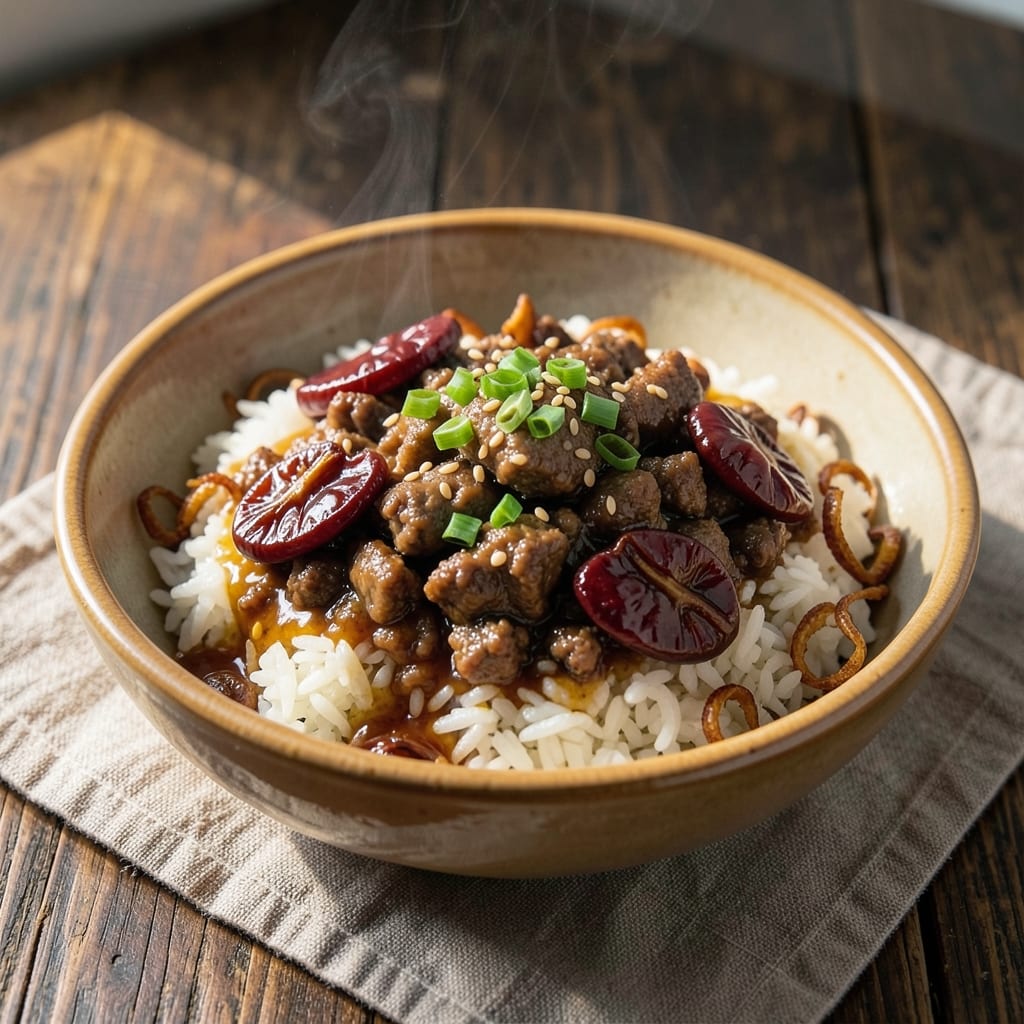
This Asian ground beef and rice recipe delivers restaurant-quality umami crunch and fragrant jasmine rice in under 45 minutes. The secret lies in wok-searing the beef for that signature caramelized texture while keeping the rice perfectly fluffy—no takeout needed. I developed this version after years of perfecting stir-fry techniques, and it’s now my go-to weeknight dinner that impresses even skeptical guests.
The dish starts with high-heat stir-frying ground beef until deeply browned, creating a flavorful crust that locks in juices. A blend of soy sauce, oyster sauce, and a touch of sesame oil builds the savory foundation, while garlic and ginger add aromatic depth. Meanwhile, jasmine rice cooks up light and fragrant, absorbing just enough of the beef’s rich sauce to tie everything together.
What you’ll end up with is a perfectly balanced meal—tender, caramelized beef with crisp edges, paired with fragrant rice that’s neither sticky nor dry. The umami punch from the wok-seared beef elevates simple white rice into something extraordinary, making this dish feel like a gourmet experience without the fuss. It’s the kind of meal that disappears fast, leaving everyone asking for seconds.
Best of all, this recipe adapts effortlessly: swap in brown rice for a heartier version, add veggies for extra color, or serve it in lettuce wraps for a low-carb twist. The technique is simple, but the results are undeniably impressive—proof that home cooking can rival your favorite Asian bistro. Let’s get started.
Ingredients for asian ground beef and rice
High-heat seared beef meets fragrant jasmine rice—just 15 ingredients for restaurant-style flavor at home.
| Ingredient | Amount | Notes |
|---|---|---|
| Lean Ground Beef 🥩 | 1 ¼ lb | 80/20 fat ratio preferred |
| Jasmine Rice 🍚 | 1 ½ cups | Uncooked, long-grain preferred |
| Low-Sodium Soy Sauce 🍶 | ¼ cup | Kikkoman preferred for balance |
| Oyster Sauce 🦪 | 2 tbsp | Lee Kum Kee brand recommended |
| Sesame Oil 🫒 | 1 tbsp | Toasted sesame oil for aroma |
| Fresh Garlic 🧄 | 4 cloves | Minced, aromatic quality |
| Fresh Ginger 🌿 | 1 tbsp | Finely grated, peeled |
| Green Onions 🧅 | ¼ cup | Sliced, white and green parts |
| Neutral Oil 🫒 | 1 tbsp | Avocado or vegetable oil |
| Vegetable or Chicken Broth 💧 | ½ cup | Low-sodium preferred |
| Cornstarch 🌾 | 1 tbsp | For thickening sauce |
| Sesame Seeds 🥜 | 1 tbsp | Toasted for garnish |
| Salt 🧂 | 1 tsp | Kosher or sea salt |
| Black Pepper 🌶️ | ½ tsp | Freshly ground |
| White Pepper 🌶️ | ¼ tsp | For subtle heat |
The ground beef is where the magic happens—80/20 fat ratio gives that perfect caramelized crust without greasiness. Costco or Trader Joe's usually carry pre-grinded 80/20, but if you're buying whole, look for bright red meat with good marbling. Jasmine rice needs to be uncooked long-grain—the short-grain stuff makes sticky rice, not fluffy. I always buy Lotus Foods brand when I can, but any jasmine rice works. The garlic and ginger? Fresh is non-negotiable here—dried or jarred won't cut it for that aromatic depth. Toast your sesame seeds in a dry pan for 30 seconds before using—trust me, it makes all the difference.
No oyster sauce? Substitute with 1 tbsp soy sauce plus 1 tbsp hoisin—it won't be identical, but close enough. Running low on sesame oil? Swap for 1/2 tbsp toasted sesame seeds (finely ground) plus 1/2 tbsp neutral oil. The cornstarch is key for that silky sauce—don't skip it. If you're serving this with veggies, bell peppers or snap peas stir-fry beautifully alongside the beef. For extra umami, add 1/2 tsp fish sauce (if you eat fish) or 1/2 tsp soy sauce to the beef while searing. The white pepper adds subtle heat without changing color—great for garnish.
Rice keeps best in an airtight container in the fridge for 4-5 days, though it reheats beautifully—just add a splash of water and microwave. The beef sauce reheats well too, but if it thickens too much, thin with a splash of broth. I always make extra rice—it's perfect for fried rice the next day. For meal prep, portion the beef and rice separately and reheat together. The sesame seeds can be toasted ahead and stored in a jar for up to 2 weeks—just keep them in a dark place to preserve their flavor. Freeze the sauce separately if you want to extend its life for 3 months.
Why You'll Love This Recipe
- One-Pan Magic: That’s right—just one pan, no chopping, no fuss. Brown the beef, stir in the rice, and let the soy and oyster sauce work their magic while you toss a salad or set the table. Honestly, I’ve made this with my hands in the sink while waiting for the rice to cook.
- Umami Bomb: The combo of low-sodium soy and oyster sauce? Chef’s kiss. That deep, savory punch turns simple ground beef into something dangerously addictive—especially when you finish with a drizzle of sesame oil. It’s the kind of flavor that makes you forget it’s a weeknight dinner.
- Lunchbox Hero: This keeps perfectly for days, so I make a big batch on Sunday and pack it for lunches. Cold or reheated, the rice stays fluffy, and the beef stays juicy—no sad, dry leftovers here. My kids actually ask for this in their bento boxes.
- Budget Win: Lean beef stretches far with the rice, and a splash of soy/oyster sauce goes a long way. Between us, this feeds four for under $10 and still feels like a restaurant dish. That’s my kind of meal—filling, flavorful, and kind to my wallet.
Step-by-step instructions for wok-seared ground beef with jasmine rice
Here's how to create restaurant-quality Asian ground beef and rice with deep umami flavor and perfectly fragrant grains.
Prepare the Jasmine Rice for Maximum Fragrance
Rinse the 1.5 cups jasmine rice thoroughly under cold water until the water runs clear. This removes excess starch that can make the rice gummy. Drain well in a fine-mesh strainer and return it to the pot. Add 2 cups water (double the rice measurement) and bring to a boil over high heat. Once boiling, reduce to low heat, cover tightly with a lid, and simmer for 15 minutes.
Here's the thing—don't peek or lift the lid during cooking. The steam buildup is what creates those fragrant aromas. After 15 minutes, turn off the heat and let it steam for another 10 minutes before fluffing with a fork. The rice should be tender but still slightly firm with a slight bite—this ensures it won't turn mushy when mixed with the beef later.
Create the Umami-Packed Ground Beef Mixture
In a large bowl, combine the 1.25 lb lean ground beef, 1 tbsp neutral oil, 1 tbsp sesame oil, 1 tsp salt, 0.5 tsp black pepper, and 0.25 tsp white pepper. Mix gently with your hands until the oil is evenly distributed but the beef remains in large chunks—this creates better texture when seared. Let it sit at room temperature for 10 minutes while you prep the aromatics.
While the beef rests, finely mince the 4 cloves fresh garlic and grate the 1 tbsp fresh ginger using a microplane. Slice the 0.25 cup green onions into ¼-inch pieces, separating the white and green parts. These aromatics will form the flavor base of your dish, so take your time getting them finely chopped—you'll taste the difference.
Build the Flavor Base in the Wok
Heat a wok or large skillet over high heat until it's smoking hot. Add the beef mixture in small batches, breaking it up with a wooden spoon as it cooks. Don't overcrowd the pan—work in 2 batches if needed. Let the beef sear undisturbed for 2-3 minutes until it develops a deep brown crust. This caramelization is what gives the dish its rich umami flavor.
Once the beef is browned, push it to one side of the wok and add the 1 tbsp neutral oil. When the oil shimmers, add the minced garlic and ginger, stirring constantly for 30 seconds until fragrant but not browned. Add the white parts of the green onions and cook for another 30 seconds, then stir the beef back in to combine.
Develop the Sauce and Thicken the Mixture
Pour in the 0.25 cup low-sodium soy sauce and 2 tbsp oyster sauce, stirring to coat the beef evenly. Let it simmer for 2 minutes until the raw sauce smell disappears. Add the 0.5 cup vegetable or chicken broth and bring to a gentle boil. In a small bowl, whisk together the 1 tbsp cornstarch with 2 tablespoons water until smooth, then pour it into the wok while stirring constantly.
The mixture will thicken dramatically within 1-2 minutes—this is your signal to remove it from heat. The sauce should coat the back of a spoon but still be pourable. If it's too thick, add 1 tablespoon water at a time until you reach the perfect consistency. The green parts of the green onions can be added now for freshness and color.
Combine and Finish with Toasted Sesame Seeds
Gently fold the cooked jasmine rice into the beef mixture using two spatulas. Work carefully to distribute the sauce evenly throughout the rice without mashing it. The goal is to create a dish where every bite has both rice and beef. If the mixture seems dry, add 1-2 tablespoons of the reserved rice cooking water to maintain moisture.
Transfer the dish to a serving platter and sprinkle with 1 tbsp toasted sesame seeds. Serve immediately while the rice is still warm and the sesame seeds are crisp. The contrast between the fragrant jasmine rice and the wok-seared beef creates a perfect balance of textures and flavors in every bite. This dish delivers authentic Asian restaurant quality right in your home kitchen.
Pro Tips For Making Asian Ground Beef And Rice
- BREAK THE BEEF FIRST: Pulse that ground beef in the food processor for 10 seconds before cooking—it keeps the texture finer and prevents clumping. I learned this the hard way after serving a batch where the beef had little "snowballs" of overworked fat. ---
- SALT THE RICE WATER: Add ½ teaspoon of salt to the jasmine rice cooking water—it makes the grains fluffier and prevents that bland, starchy taste. (Yes, even if your soy sauce is low-sodium, the rice needs its own seasoning.) ---
- COOK THE SAUCE SEPARATELY: Simmer the soy sauce, oyster sauce, and sesame oil together in a small pan for 2 minutes before tossing with the beef—this deepens the flavor and avoids diluting the sauce with raw meat juices. I used to just dump everything in, and the dish always tasted flat. ---
- REST THE BEEF HALFWAY: Let the cooked beef sit off heat for 3-4 minutes before mixing with rice—it redistributes juices and keeps the dish from turning soggy. (Your future self will curse you if you skip this.)
Regional styles of these flavors
Japanese Teriyaki Twist
For a Japanese-inspired version, replace the soy-oyster sauce blend with 3 tbsp teriyaki sauce and add 1 tbsp mirin to the beef mixture. Use ½ cup chicken broth instead of vegetable, and finish with 1 tsp grated daikon radish for brightness. Serve with steamed bok choy on the side—this combo mimics the flavors of a classic Japanese beef donburi. 🌟
Thai Basil Stir-Fry
Transform this into a Thai-inspired dish by adding ¼ cup chopped Thai basil and 1 tbsp fish sauce to the beef mixture. Swap the jasmine rice for jasmine rice with a splash of coconut milk (½ cup) in the cooking water. Top with crushed peanuts and lime wedges for a fresh, aromatic finish. The basil adds that signature Thai flavor while keeping the dish light and vibrant.
Korean Bulgogi-Inspired
Give it Korean flair by marinating the beef in 2 tbsp gochujang (Korean chili paste) and 1 tbsp brown sugar before searing. Use ½ cup pineapple juice instead of broth for sweetness, and garnish with sesame seeds and thinly sliced scallions. Serve with kimchi on the side for a tangy kick. The caramelized beef pairs perfectly with the sweet-spicy sauce, creating a fusion of textures and flavors.
Vietnamese Caramelized Beef
For a Vietnamese-inspired take, add 1 tbsp fish sauce and 1 tsp sugar to the beef mixture, then finish with fresh cilantro and jalapeño slices. Use jasmine rice with a splash of fish sauce in the cooking water for extra depth. Serve with pickled carrots and daikon for a refreshing contrast. The caramelized beef takes on a sweet-savory profile that’s quintessentially Vietnamese.
Chinese Five-Spice Fried Rice
Turn this into a Chinese-style fried rice by adding ½ tsp five-spice powder to the beef mixture and 1 tbsp light soy sauce to the rice cooking water. Stir-fry ½ cup diced bell peppers and snap peas with the beef, and finish with crushed peanuts and extra green onions. The five-spice adds warmth, while the veggies bring freshness—perfect for a hearty, flavorful meal. 🔥
Modern Fusion Lettuce Wraps
For a low-carb twist, serve the beef mixture in butter lettuce or romaine leaves instead of rice. Add 1 tbsp hoisin sauce and 1 tsp sriracha to the beef for extra depth. Top with crushed peanuts and cilantro for a fresh, crunchy texture. This fusion of Asian flavors in a modern format is perfect for a light lunch or appetizer that still packs a punch.
Nutrition facts
Frequently asked questions
Can I use ground turkey or chicken instead of beef?
Ground turkey or chicken works beautifully—just reduce cooking time by 1-2 minutes per batch since poultry cooks faster. For extra flavor, add ½ teaspoon smoked paprika to the oil before searing. The texture will be slightly lighter, but the technique remains the same.
Why does my rice turn out mushy when mixed with the beef?
Mushy rice happens when it absorbs too much sauce or gets overworked. Always cook the rice to slightly firm (not fully tender) and use two spatulas to gently fold it into the beef. If needed, add 1-2 tablespoons of reserved rice cooking water to maintain moisture without making it gummy.
Can I make this dish ahead of time?
Yes, but separate the components! Cook the rice and beef sauce separately, then refrigerate in airtight containers for up to 4 days. Reheat the sauce with a splash of water, then mix with rice just before serving. For best texture, avoid reheating sesame seeds—sprinkle them fresh after warming.
What's the best way to get that wok-hei flavor at home?
Wok-hei (breath of the wok) comes from high heat and proper airflow. Use a carbon steel or cast-iron skillet on the hottest burner setting. Work in batches to avoid crowding, and keep the beef moving constantly. A gas stove** works best—electric stoves may not get hot enough.
How can I make this dish spicier?
Add ½ teaspoon chili flakes or 1 teaspoon gochujang to the beef mixture, or serve with sriracha or chili oil on the side. For heat without color, swap white pepper for ½ teaspoon black pepper plus a pinch of cayenne. Always taste as you go!