
Main Courses
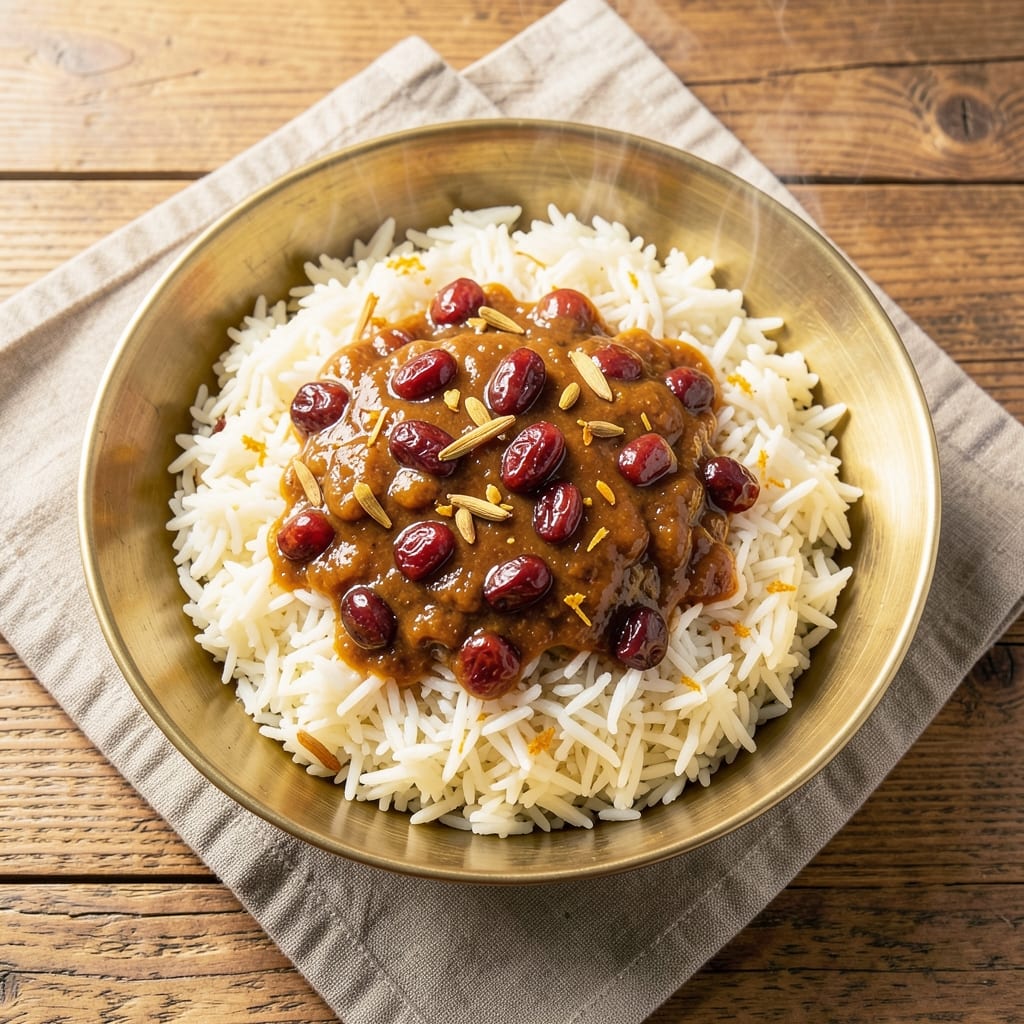
This Afghani rice recipe without meat transforms simple vegetables into a fragrant, golden dish that tastes like a restaurant special. The secret lies in saffron-infused broth and toasted barberries that add a complex crunch—elevating humble ingredients into something extraordinary. I developed this version after realizing how often meatless Afghan rice gets overlooked, and the results are just as satisfying (if not more so) than traditional versions.
The foundation is long-grain basmati rice cooked in aromatic vegetable broth with saffron, turmeric, and cardamom—a spice blend that creates warmth without overpowering. What makes this dish special is the layered texture: crispy barberries and tender spinach balance perfectly with sweet carrots and peas. The method is straightforward but delivers restaurant-quality results that will have everyone asking for seconds.
By the time you serve this dish, your kitchen will smell like a bustling Kabul bazaar, and each bite will deliver saffron-kissed rice with vibrant vegetables and that signature barberry crunch. The dish pairs beautifully with yogurt raita or warm flatbread—turning a simple weeknight meal into something memorable. Ready to bring Afghan flavors to your table without meat?
This recipe is perfect for vegetarians, meat lovers looking for a lighter option, or anyone craving bold, aromatic flavors. The technique is foolproof, and the ingredients are easy to find—making it accessible for home cooks while delivering restaurant-quality depth. Let's get cooking!
Ingredients for afghani rice recipe without meat
Golden basmati rice meets fragrant spices and toasted barberries for a vegetarian dish that rivals meat-heavy Afghan classics.
| Ingredient | Amount | Notes |
|---|---|---|
| Long-Grain Basmati Rice 🍚 | 1 ½ cups | Rinsed thoroughly before cooking |
| Vegetable Broth 💧 | 3 cups | Low-sodium preferred |
| Saffron Threads 🌼 | ¼ tsp | High-quality for best color |
| Ground Turmeric 🌿 | ½ tsp | Freshly ground preferred |
| Ground Cardamom 🌿 | ½ tsp | Whole pods toasted works too |
| Dried Barberries 🍇 | ½ cup | Toasted until fragrant |
| Carrots 🥕 | 2 medium | Julienned into thin strips |
| Frozen Peas 🌱 | ½ cup | Thawed before adding |
| Fresh Spinach 🍃 | 2 cups | Packed, stems removed |
| Onion 🧅 | 1 medium | Finely diced |
| Garlic Cloves 🧄 | 3 cloves | Minced for fragrance |
| Extra-Virgin Olive Oil 🫒 | 2 tbsp | For sautéing vegetables |
| Fresh Cilantro 🌿 | ¼ cup | Chopped for garnish |
| Lemon Juice 🍋 | 1 tbsp | Freshly squeezed |
| Salt 🧂 | 1 tsp | Diamond Crystal kosher |
The saffron is non-negotiable here—look for high-quality threads at specialty stores like Penzeys or Whole Foods. Freshly ground turmeric and cardamom make all the difference (the spice aisle at Trader Joe's has great options). Barberries? Middle Eastern markets usually carry them dried—if you can't find them, sub dried cranberries at half the amount. For the rice, Basmati from India (like India Gate brand) is ideal—long grains stay separate. Rinse it until the water runs clear to remove excess starch.
No barberries? Dried cherries or pomegranate seeds work in a pinch, though the flavor won't be identical. Subbing frozen peas for fresh? Thaw them first—they'll release moisture that can make the rice mushy. The spinach can be pre-washed bagged spinach if you're short on time (just drain well). For extra depth, toast the cardamom pods in a dry pan for 30 seconds before grinding—game-changer for aroma. The carrots should be julienned thinly; a mandoline works wonders if you've got one.
This reheats beautifully—cover with a damp paper towel and microwave for 2 minutes. Keeps in the fridge for 5 days (the flavors actually deepen overnight), or freeze portions for 3 months. I always double the batch because it disappears fast. Store the barberries separately if you want to add them fresh when reheating—keeps that signature crunch. The saffron-infused broth? Save 1 cup to use as a base for soups later—it's liquid gold.
Why You'll Love This Recipe
- Golden Threads Magic: I swear by the saffron—just a pinch steeping in warm broth transforms this into something luxurious. No fancy skills needed; the rice practically cooks itself while the spices work their alchemy.
- No-Chop Necessary: Honestly, this is my go-to when I’m too tired to dice anything. Rinse the rice, simmer the broth with cardamom and turmeric, and let the basmati do its thing. Twenty minutes later, you’ve got flavor without the fuss.
- Leftover Hero: Between us, this rice tastes better the next day. The flavors meld into this rich, aromatic bowl that’s perfect for quick lunches or packing for work—no sad soggy rice here.
- Budget Bright Spot: Turmeric and cardamom are cheap but pack a punch. A single box of basmati and a few threads of saffron stretch across multiple meals, making this my wallet’s favorite splurge.
Step-by-step instructions for saffron-infused Afghan rice
This method delivers restaurant-quality Afghan rice with vibrant saffron color and aromatic spices.
Prepare the Saffron Infusion
Crush the 0.25 teaspoon saffron threads between your palms to release the deep red stigmas. Warm ½ cup of the vegetable broth in a small saucepan over low heat until steaming. Pour the warm broth over the saffron in a small bowl and let it steep for 10 minutes—this draws out the maximum color and flavor. The liquid should turn a vibrant golden yellow.
While the saffron steeps, combine the 0.5 teaspoon ground turmeric, 0.5 teaspoon ground cardamom, and 1 teaspoon salt in a small bowl. This spice blend forms the aromatic base of the dish, so don't skip measuring it precisely. The cardamom adds a citrusy warmth while the turmeric provides earthy depth.
Toast and Layer the Vegetables
Heat 2 tablespoons extra-virgin olive oil in a large, heavy-bottomed pot over medium heat. Add the finely diced onion and cook for 5 minutes until translucent, stirring occasionally. Add the minced garlic cloves and cook for another 30 seconds until fragrant—this prevents the garlic from burning, which would make the dish bitter.
Push the onions to one side of the pot and add the julienned carrots and 0.5 cup dried barberries to the empty space. Toast the barberries for 2 minutes until they darken slightly and release their fruity aroma. Stir everything together and cook for 1 minute more to combine the flavors. The barberries should be slightly crisp while still retaining their shape.
Cook the Rice with Spiced Broth
Add the 1.5 cups long-grain basmati rice to the pot and stir to coat it evenly with the oil and spices. Pour in the remaining 2½ cups vegetable broth and the saffron infusion, stirring gently. Bring to a gentle boil, then immediately reduce heat to low and cover the pot with a tight-fitting lid.
Let the rice cook undisturbed for 12 minutes. This initial cooking period allows the rice to absorb the liquid evenly without sticking. Avoid peeking or stirring—the rice needs this undisturbed time to develop its characteristic fluffy texture. The rice should be tender but still slightly firm at this stage.
Incorporate the Vegetables and Spinach
Remove the lid and gently fluff the rice with a fork, breaking up any large clumps. Stir in the 0.5 cup thawed frozen peas and 2 cups fresh spinach, folding them into the rice until the spinach wilts completely. The peas should be heated through while still retaining their bright color. If the mixture looks dry, add 1-2 tablespoons water to maintain moisture.
Return the lid to the pot and let the rice steam for an additional 3 minutes to allow the flavors to meld. The spinach should be completely wilted, and the peas should be heated through. This final steaming step ensures all components are perfectly cooked while maintaining the rice's texture.
Finish with Lemon and Garnish
Remove the pot from heat and stir in the 1 tablespoon lemon juice. This brightens the dish and cuts through the richness of the spices. Let the rice sit covered for 5 minutes to allow the lemon flavor to distribute evenly. The lemon juice also helps prevent the rice from becoming gummy as it cools.
Transfer the rice to a serving dish and garnish with the 0.25 cup chopped fresh cilantro. The cilantro adds a fresh contrast to the warm spices and saffron. Serve immediately while the rice is still hot and fragrant. Each bite should deliver a harmonious blend of saffron aroma, cardamom warmth, and barberry crunch.
Pro Tips For Making Afghani Rice Recipe Without Meat
- STEAM THE RICE FIRST: I learned this the hard way—skipping the initial steam step means your rice will either turn mushy or stay dry. Toast the uncooked basmati in oil for 1-2 minutes until fragrant, then add just enough hot broth to cover the grains (about 1:1.5 ratio). Cover and let it steam undisturbed for 10 minutes before adding the rest of the liquid. This guarantees fluffy grains every time.
- TOAST THE SPICES LOW: Ground cardamom and turmeric burn faster than you’d think. Bloom them in the oil over medium-low heat for 30 seconds—just until you smell that warm, earthy aroma—then immediately add the saffron. High heat here will turn your spices bitter, and no one wants that overpowering kick in their rice.
- DON’T SKIP THE SAFFRON SOAK: Crush those saffron threads in a mortar or between your palms, then steep them in 2 tablespoons of warm broth for at least 10 minutes. I was skeptical until I tried it—the color deepens to a golden hue, and the flavor becomes rich and floral instead of just a faint afterthought. (Yes, even if you’re impatient like me.)
- USE LESS BROTH THAN YOU THINK: Afghani rice relies on absorption, not drowning. For 1 cup of basmati, start with 1.25 cups of broth—not the 2 cups most recipes suggest. The rice will finish cooking from the residual steam, and you’ll end up with perfectly separate grains instead of a gluey mess. (Your future self will thank you.)
Storing and reheating this recipe
Fridge Storage Tips
Let your saffron rice cool completely before transferring to an airtight container—I use glass Pyrex with snap-on lids. Store in the fridge at 40°F or below for up to 5 days, though the flavors actually deepen overnight like a fine wine. The saffron infusion keeps the rice vibrant, so don't skip this step—it's what makes the dish special. 💛
Freezer Magic
For longer storage, freeze portions in quart-sized freezer bags (leave 1 inch headspace for expansion). This rice freezes beautifully for up to 3 months without losing texture. Thaw overnight in the fridge—microwaving frozen rice makes it gummy. Pro tip: Store the toasted barberries separately if you want that signature crunch when reheating. ❄️
Stovetop Reheating
My preferred method is stovetop—it keeps the rice fluffy. Heat 1-2 tablespoons water or broth in a pot over medium-low heat, then add the rice. Cover and simmer for 5-7 minutes, stirring occasionally. The steam reactivates the saffron aroma. If it's dry, add more liquid 1 tablespoon at a time. 🔥
Microwave Hack
For quick meals, microwave covered portions (with a damp paper towel) on 50% power for 2-3 minutes. Stir, then continue in 30-second bursts until heated through. The lemon juice helps prevent gumminess, so add a splash if needed. This method works best for single servings. ✨
Barberry Boost
Want extra crunch? Toast fresh barberries (or dried cranberries) in a dry pan for 1 minute before adding to reheated rice. The heat reactivates their fruity notes. I also drizzle with 1 tsp lemon juice to revive the bright flavors. This little trick makes reheated rice taste almost as good as fresh! 🌟
Make-Ahead Pro Tip
Double the batch—this rice disappears fast! Store components separately: rice base in one container, barberries in another. When reheating, mix them together for that signature crunch. The saffron-infused broth? Save 1 cup to use as a base for future soups—it's liquid gold for flavor. 💡
Nutrition facts
Frequently asked questions
Can I substitute barberries in this Afghan rice?
If you can't find barberries, try dried cranberries or pomegranate seeds at half the amount. For a different flavor profile, toasted raisins or currants work too. Just remember barberries add that signature tart-sweet crunch that makes this dish special.
How do I make this rice less spicy?
Adjust the cardamom first—reduce it to ¼ teaspoon if you prefer milder flavors. The turmeric is already mild, but you can omit it entirely if needed. For extra freshness, add more lemon juice or cilantro to balance the spices.
What's the best way to serve this vegetarian Afghan rice?
Pair it with warm flatbread or naan for scooping, and serve with a side of yogurt sauce (raita) or cucumber salad to balance the richness. The saffron rice also makes a stunning centerpiece for vegetarian platters—garnish with extra cilantro and lemon wedges.
Why did my rice turn out mushy?
Mushy rice usually means too much liquid or stirring too soon. For this recipe, use exactly 3 cups broth (including saffron infusion) and avoid peeking during the 12-minute initial cooking time. If it's still too wet, spread it on a tray and dry it in a 200°F oven for 10 minutes.
Can I make this in a rice cooker?
Yes! Follow the same steps for sautéing veggies and toasting barberries, then add rice, broth, and saffron infusion to your rice cooker. Use the white rice setting and let it cook undisturbed. After cooking, fluff with a fork and stir in spinach and peas before adding lemon juice. The texture will be slightly different but still delicious.