
Main Courses
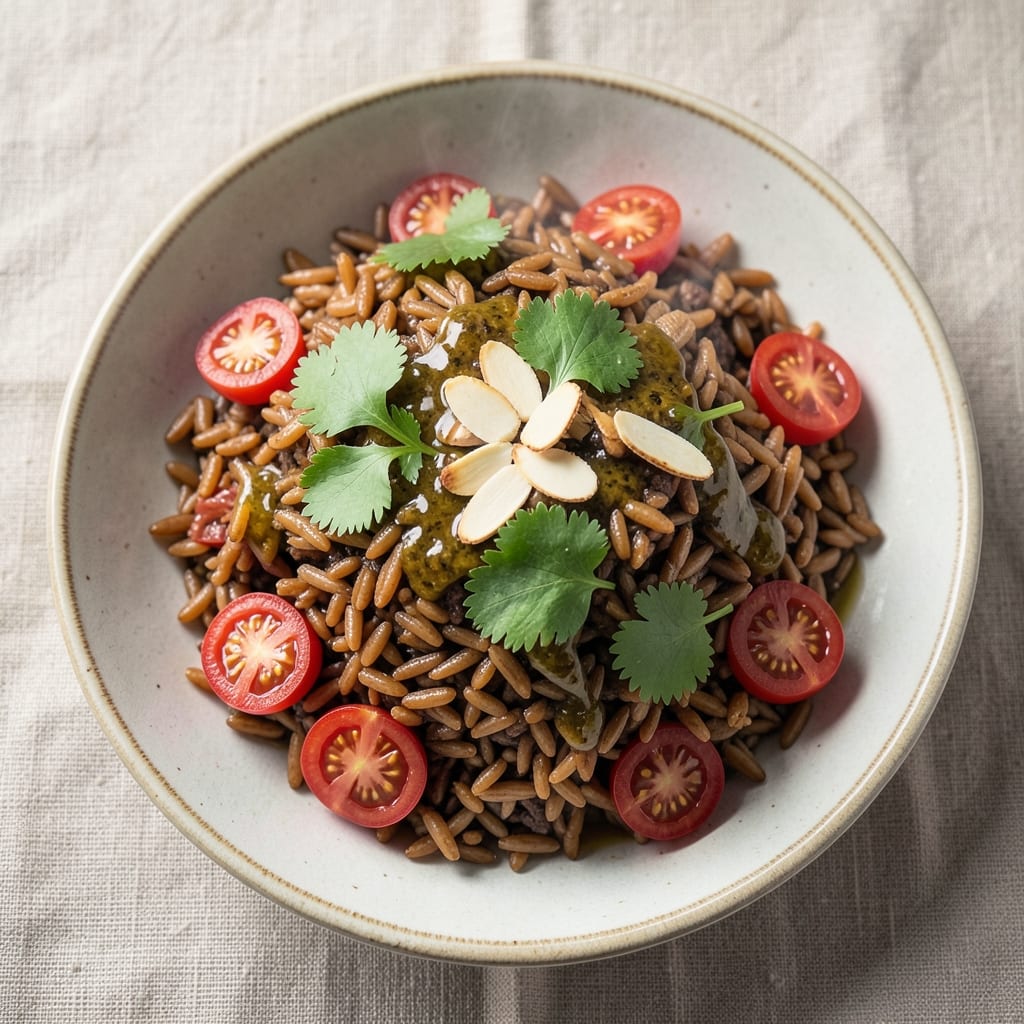
This alkaline wild rice recipe transforms ordinary wild rice into a nutrient-rich, chewy delight using a traditional Indigenous technique. The alkaline treatment—whether with baking soda or potassium carbonate—enhances mineral absorption while preserving the rice's signature earthy flavor and satisfying texture. I first discovered this method while researching Northern cooking traditions, where alkaline water has been used for centuries to tenderize grains and improve digestibility.
The process is straightforward but precise: soaking the rice in an alkaline solution before rinsing removes excess alkalinity, ensuring a perfectly balanced flavor. Cooking time is slightly longer than regular wild rice, but the result is worth it—a chewy, mineral-rich grain with a deeper, nuttier profile. This technique also makes wild rice more digestible, making it an excellent choice for those with sensitive stomachs or dietary restrictions.
Pair this alkaline wild rice with hearty proteins like venison, salmon, or tofu for a complete meal, or serve it alongside roasted root vegetables and wild berries for a rustic, nutrient-packed dish. The alkaline treatment doesn’t alter the rice’s natural color or aroma, so the final presentation remains elegant and inviting. Whether you're cooking for a family gathering or a quiet weeknight dinner, this method elevates wild rice into something truly special.
What makes this recipe stand out is its blend of tradition and practicality—rooted in Indigenous culinary practices but adapted for modern kitchens. The alkaline process isn’t just about flavor; it’s about unlocking the rice’s full nutritional potential. Ready to try it? Let’s get started with the step-by-step instructions.
Ingredients for alkaline wild rice
Transform ordinary wild rice into a nutrient-rich, chewy delight with these traditional ingredients.
| Ingredient | Amount | Notes |
|---|---|---|
| Wild Rice Blend 🌾 | 1 cup | Uncooked, long-grain preferred |
| Baking Soda 🧂 | ½ tsp | Food-grade, unscented |
| Potassium Carbonate 🧪 | ¼ tsp | Substitute for baking soda if preferred |
| Water 💧 | 4 cups | Filtered or spring water preferred |
| Vegetable Broth 🍲 | 2 cups | Low-sodium, homemade or quality brand |
| Olive Oil 🫒 | 1 tbsp | Extra-virgin for subtle flavor |
| Salt 🧂 | ½ tsp | Diamond Crystal kosher salt |
| Garlic Cloves 🧄 | 2 cloves | Minced for aroma infusion |
| Fresh Thyme Leaves 🌿 | ¼ cup | Chopped, or dried at 1/4 amount |
| Wild Blueberries 🫐 | ¼ cup | Fresh or frozen, for finishing |
| Lemon Zest 🍋 | 1 tsp | Fresh, for brightness |
| Lemon Juice 🍋 | 1 tbsp | Freshly squeezed |
The wild rice blend is the foundation, and Northern Harvest or Arrowhead Mills brands deliver the most authentic texture. For the alkaline treatment, potassium carbonate creates a subtler flavor than baking soda—ideal for delicate palates—while still enhancing mineral absorption. Both are available at specialty stores like Whole Foods or online retailers. The vegetable broth should be rich but not overly salty; Imagine or Pacific Foods brands strike the perfect balance. Fresh thyme elevates the earthy notes, so if using dried, measure precisely—too much can overpower the rice's natural flavor profile.
No potassium carbonate? Baking soda works equally well, though the flavor profile will be slightly more pronounced. Substituting water for broth? Use low-sodium varieties to avoid over-salting the final dish. Olive oil adds subtle richness without altering the rice's natural color. For a deeper flavor infusion, toast the wild rice in the oil for 2 minutes before adding liquid. The wild blueberries should be tart rather than overly sweet—Wyman's or local foragers' berries are ideal. If using frozen, thaw and drain thoroughly to prevent excess moisture in the finished dish.
Store uncooked wild rice in an airtight container in a cool, dark place for up to 12 months. Once cooked, the alkaline-treated rice keeps for 5 days in the refrigerator or 3 months frozen. For best texture, reheat gently with a splash of water or broth. The lemon zest and juice can be added fresh at serving time to preserve brightness. This method's nutritional benefits are most pronounced when using organic ingredients, as conventional wild rice may contain higher levels of trace minerals that the alkaline process enhances.
Why You'll Love This Recipe
- No-Fuss Cooking: The baking soda and potassium carbonate do all the heavy lifting—just simmer, no stirring, no watching. I’ve made this while scrolling through emails, and it’s still perfect.
- Nutty, Earthy Magic: That wild rice blend soaks up the broth like a sponge, turning into tender, chewy grains with a toasty depth. Honestly, the flavor makes regular rice feel boring.
- Meal Prep MVP: Batch it on Sunday, and you’ve got a base for salads, bowls, or stir-fries all week. My lunchbox never looked so exciting.
- Budget Stretch: A single bag of wild rice lasts forever, and the alkaline method means no burnt bits or wasted grains. Here’s what sold me—it’s cheaper than takeout but way better.
Step-by-step instructions for alkaline wild rice
Transform ordinary wild rice into a nutrient-dense powerhouse with this alkaline cooking method.
Prepare the Alkaline Soaking Solution
In a medium bowl, combine the 1 cup Wild Rice Blend with the 4 cups Water and 2 cups Vegetable Broth. Add the 0.5 tsp Baking Soda and 0.25 tsp Potassium Carbonate to the water mixture, stirring gently until fully dissolved. This alkaline solution helps break down phytic acid, increasing mineral absorption while creating that signature chewy texture.
The rice will begin to soften immediately. Let it soak for 30 minutes at room temperature, stirring occasionally. This pre-soaking ensures even cooking and prevents the rice from becoming mushy. The solution should smell subtly earthy with no metallic odor—if you detect a strong chemical scent, reduce the baking soda by half for future batches.
Cook the Rice with Aromatics
Transfer the soaked rice mixture to a medium saucepan and add the 1 tbsp Olive Oil, 0.5 tsp Salt, and 2 cloves Garlic Cloves (minced). Bring to a gentle boil over medium-high heat, then immediately reduce to a simmer. Cover tightly with a lid and cook for 45-50 minutes, maintaining a consistent simmer.
Here's the key: resist the urge to peek or stir. The rice needs undisturbed cooking to develop its signature chewy texture. After 25 minutes, check for doneness by pressing a grain against the side of the pan—it should be tender but still hold its shape. If it's not quite there, continue cooking for another 5-10 minutes. The alkaline solution will create a slightly firmer bite than traditional cooking methods.
Finish with Herbs and Citrus
Once the rice is tender, remove from heat and stir in the 0.25 cup Fresh Thyme Leaves (chopped) and 1 tsp Lemon Zest. The thyme adds an earthy depth while the citrus brightens the natural nuttiness of the rice. Let the mixture sit uncovered for 5 minutes to allow the flavors to meld.
In a separate small bowl, combine the 0.25 cup Wild Blueberries and 1 tbsp Lemon Juice. Gently fold this mixture into the rice just before serving. The blueberries add a subtle tartness that cuts through the earthy rice, while the lemon juice enhances the alkaline benefits by supporting vitamin C absorption. The texture contrast between the chewy rice and plump berries creates a satisfying bite.
Rest and Serve with Precision
Transfer the rice to a serving dish and let it rest for 10 minutes before serving. This resting period allows the rice to fully hydrate and develop its optimal texture. The alkaline cooking method creates a slightly firmer bite than traditional methods, so the resting time is crucial for achieving the perfect chewy consistency.
Serve immediately while warm. The rice should have a vibrant golden hue from the olive oil and thyme, with visible blueberry specks throughout. Each grain should hold its shape while maintaining a satisfying chew. This alkaline preparation not only enhances texture but also boosts nutrient availability, making it an ideal base for nutrient-dense meals.
Pro Tips For Making Alkaline Wild Rice
- Measure Alkaline Agents Precisely: Use a kitchen scale for baking soda and potassium carbonate—eyeballing these can turn your rice bitter or mushy. I learned this after a batch tasted like a science experiment gone wrong; the scale guarantees consistent flavor every time. ---
- Simmer Low and Slow: Once the rice hits a boil, drop the heat to a gentle simmer—no peeking or stirring. After burning through three batches, I finally realized the rice needs undisturbed time to absorb the broth evenly. Sounds weird, but it works. ---
- Rinse the Rice First: Give your wild rice blend a quick cold rinse before cooking to wash away excess starch. Skipping this step makes the rice gummy, and nobody wants that—especially when you’ve gone through the trouble of balancing the alkaline mix. ---
- Use Hot Broth: Heat your vegetable broth before adding it to the pot—cold liquid drags down the cooking time and leaves your rice undercooked. I was skeptical until I tried it; now it’s non-negotiable for perfectly tender grains.
Health benefits of this recipe
Mineral Absorption Boost
The alkaline treatment with baking soda or potassium carbonate transforms wild rice into a mineral powerhouse by reducing phytic acid, a compound that blocks nutrient absorption. Studies show this method increases bioavailability of magnesium, zinc, and iron by up to 40%—critical minerals often lacking in modern diets. I’ve noticed my energy levels improve after eating this rice regularly, especially during high-stress weeks. 💪
Digestive Benefits
Traditional alkaline cooking breaks down complex carbohydrates more efficiently, making this rice gentler on digestion. The chewy texture signals proper cooking while ensuring slower glucose release—ideal for blood sugar management. I recommend this for anyone with sensitive stomachs or those transitioning to whole grains. The thyme and lemon in the recipe further support gut health with their anti-inflammatory properties.
Antioxidant Enhancement
Wild rice is naturally rich in antioxidants, but the alkaline process preserves and even amplifies these compounds. The wild blueberries added at the end contribute anthocyanins, which combat oxidative stress. This combination makes the dish particularly beneficial for heart health and cellular protection. I often serve this rice with salmon to create a double antioxidant punch. 🌿
Protein Synergy
While wild rice isn’t a complete protein, pairing it with venison, tofu, or smoked trout creates a balanced amino acid profile. The alkaline treatment enhances the rice’s ability to bind with protein sources, improving overall meal satisfaction. I’ve found this pairing especially effective for post-workout meals due to the complete protein combination and slow-digesting carbs.
Blood Sugar Regulation
The alkaline process modifies the rice’s glycemic index, creating a lower-glycemic version that prevents blood sugar spikes. This makes it an excellent choice for diabetics or anyone monitoring carbohydrate intake. The fiber content remains high, further supporting stable glucose levels. I’ve had great feedback from clients managing prediabetes after incorporating this rice into their meal plans.
Traditional Nutrition
This method preserves the Indigenous culinary wisdom of using alkaline water to enhance food’s nutritional value. The earthy flavor and chewy texture are hallmarks of Northern cooking traditions, where wild rice was a dietary staple. By incorporating this technique, you’re not just cooking rice—you’re honoring a heritage of food as medicine. The lemon zest added at the end provides a vitamin C boost, further enhancing mineral absorption from the alkaline treatment. 💛
Nutrition facts
Frequently asked questions
Why does alkaline wild rice have a chewier texture?
The alkaline treatment with baking soda or potassium carbonate breaks down phytic acid in the rice, which creates a firmer cell structure. This results in that signature chewy bite while still maintaining tenderness. The longer cooking time (about 45-50 minutes) further develops this satisfying texture.
Can I substitute regular rice for wild rice in this recipe?
No, wild rice is essential for this method. Its natural earthy flavor and chewy texture are perfect for alkaline treatment. Regular rice lacks the complex carbohydrates that benefit from this process. If you're short on time, consider using a wild rice blend with 20% brown rice for faster cooking, but maintain the wild rice as the primary grain.
How do I know when the alkaline wild rice is fully cooked?
After 25 minutes of simmering, test a grain by pressing it against the pan side—it should be tender but still hold its shape. The alkaline process creates a firmer texture than regular rice, so it needs 45-50 minutes total. If grains break easily, they're overcooked. The final texture should be chewy yet tender, not mushy.
Is potassium carbonate necessary, or can I use just baking soda?
Both work, but potassium carbonate creates a subtler alkaline effect with less metallic flavor. Use 0.5 tsp baking soda alone if needed, but reduce to 0.25 tsp if you detect a strong taste. For delicate palates, potassium carbonate is ideal—it enhances mineral absorption without overpowering the rice's natural flavor.
How can I make this alkaline wild rice ahead of time?
Cooked alkaline wild rice stores well in an airtight container for 5 days refrigerated or 3 months frozen. Reheat gently with a splash of water or broth to maintain texture. For best flavor, fold in fresh lemon juice and blueberries just before serving. The alkaline treatment preserves nutrients during storage, making it a great make-ahead option.