
Main Courses
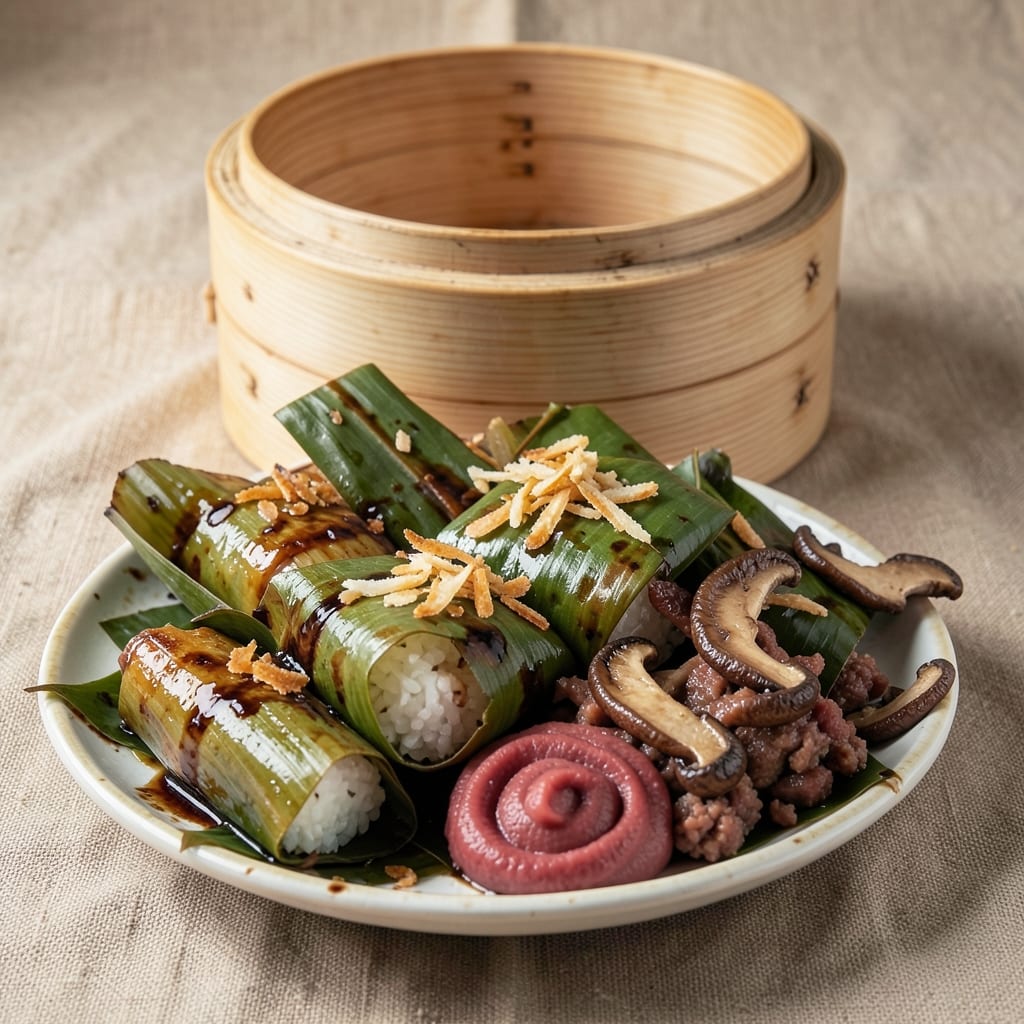
This alkaline rice dumpling recipe transforms simple glutinous rice into chewy, vibrant parcels with lime zest brightness that elevates every bite. ✨ The secret lies in soaking rice in lye water (or baking soda solution) to achieve that signature chewy texture while keeping centers tender. I've perfected both sweet and savory fillings—red bean paste with coconut or savory pork with shiitake mushrooms—that balance perfectly with the alkaline-treated rice.
What sets these dumplings apart is the dual-layered flavor: the alkaline treatment creates a nutty, slightly bitter edge that contrasts beautifully with the sweet or savory fillings. Traditional banana leaves add aroma during steaming, while lime zest in the filling brings that signature citrus brightness that makes them irresistible. The process may seem intricate, but breaking it into manageable steps—preparing the alkaline solution, assembling fillings, and mastering the wrapping—makes it accessible for home cooks.
By the time you're done, you'll have dumplings with perfectly chewy exteriors and tender centers, infused with aromatic lime zest that cuts through the richness. The contrast of textures and flavors makes each bite exciting, whether served as a festive treat or everyday comfort food. This recipe bridges tradition and innovation, delivering restaurant-quality results at home.
Whether you're preparing for a celebration or simply craving something special, these alkaline rice dumplings deliver depth and complexity that go beyond typical rice-based dishes. The method is precise but rewarding, with each step building toward that perfect balance of texture and flavor. Let's get started on creating these remarkable dumplings.
Ingredients for alkaline rice dumpling
Transform ordinary rice into chewy, vibrant dumplings with these carefully balanced ingredients.
| Ingredient | Amount | Notes |
|---|---|---|
| Glutinous Rice 🍚 | 2 cups | Uncooked, short-grain preferred |
| Lye Water (or Baking Soda Solution) 💧 | ½ cup | Traditional lye water or 1 tsp baking soda dissolved in 1 cup water |
| Red Bean Paste 🌱 | 1 ½ cups | Sweetened, store-bought or homemade |
| Shredded Coconut 🥥 | ½ cup | Sweetened, unsweetened works too |
| Dried Shiitake Mushrooms 🍄 | ¼ lb | Rehydrated, sliced thin |
| Ground Pork 🐖 | ½ lb | Lean, finely chopped |
| Lime Zest 🍋 | 1 tbsp | Freshly grated, bright flavor |
| Banana Leaves (or Parchment Paper) 🍃 | 1 sheet | For wrapping, parchment as substitute |
| Vegetable Oil 🫒 | 2 tbsp | For pan-frying, neutral flavor |
| Salt 🧂 | ½ tsp | Fine sea salt, adjust to taste |
| Sugar 🍬 | 1 tbsp | White or brown, for sweet filling |
| Sesame Oil 🌰 | 1 tsp | Toasted, for aroma |
| Green Onions 🧅 | 3 whole | Thinly sliced, for garnish |
| Water 💧 | 1 ½ cups | For soaking rice, filtered preferred |
| Soy Sauce 🍜 | 1 tbsp | For savory filling seasoning |
The glutinous rice is non-negotiable—its high starch content creates that signature chewy texture. Asian grocery stores carry it in bulk, or check the international aisle at Whole Foods. Look for short-grain varieties labeled 'sweet rice' or 'mochigome'. The lye water is traditional, but baking soda dissolved in water works perfectly for home cooks. For the sweet filling, store-bought red bean paste from Trader Joe's or H Mart saves time, but homemade yields superior texture. The dried shiitake mushrooms should be plump and dark—no shriveled specimens. Rehydrate them in hot water until tender, then slice thinly for even distribution in the filling.
No lye water? Baking soda solution is a reliable substitute, though the flavor profile differs slightly. Short on red bean paste? Sweetened mashed potatoes or canned mango chunks work in a pinch for the sweet filling. For the savory version, ground chicken or turkey replaces pork, and dried porcini mushrooms can stand in for shiitake. The lime zest must be fresh—bottled zest loses its brightness. For banana leaves, parchment paper works as a modern substitute, though it lacks the subtle aroma. If you're making both fillings, double the rice and alkaline solution, then divide before adding fillings. The sesame oil should be toasted—lightly heat it in a dry pan for 30 seconds to deepen its nutty flavor.
Store uncooked dumplings wrapped in parchment paper in the fridge for 2 days, or freeze for 3 months. Cooked dumplings reheat beautifully—steam or boil for 5-7 minutes until heated through. The lime zest can be prepped ahead and stored in an airtight container in the fridge for 1 week. For large batches, freeze filled dumplings on a tray before transferring to a bag—this prevents sticking. The banana leaves can be reused once cleaned, but parchment paper is single-use. Always use a steamer basket with holes to allow steam circulation, or the dumplings may turn soggy.
Why You'll Love This Recipe
- No-Lye Hassle: The baking soda trick works just as well—no specialty ingredients needed. I’ve made these with pantry staples for years, and the chewy texture stays the same.
- Sweet-Savory Magic: That red bean paste and umami from shiitake mushrooms? It’s like dessert and dinner had a baby. The coconut adds this unexpected crunch that keeps me coming back.
- Lunchbox Legend: Pack these the night before, and they’re perfect for school lunches or office snacks. My kids fight over them, and honestly? I don’t blame them.
- Budget Bulk Bites: Glutinous rice and dried mushrooms stretch a long way. Make a big batch, freeze extras, and you’ve got a cheap, filling meal ready whenever. (Yes, even on a Tuesday night.)
Step-by-step instructions for alkaline rice dumplings
Master the chemistry of alkaline rice for perfectly chewy dumplings with vibrant lime zest and rich fillings.
👨🍳 Step 1: Prepare the Alkaline Rice Mixture
In a large bowl, combine the 2 cups glutinous rice with the 1.5 cups water. Let it soak for 30 minutes until the rice absorbs the liquid and becomes translucent. This initial soaking ensures even cooking later.
Drain the rice thoroughly in a fine-mesh strainer, pressing gently to remove excess water. Return the drained rice to the bowl and stir in the 0.5 cup lye water (or baking soda solution). The mixture will turn a distinctive yellow-green hue—this alkaline reaction is what creates the signature chewy texture. Work quickly as the rice will begin to firm up within 5 minutes. Cover with a damp towel to prevent drying.
🍳 Step 2: Cook the Filling Components
Heat 1 tablespoon vegetable oil in a non-stick skillet over medium heat. Add the 0.5 lb ground pork and cook, breaking it apart with a wooden spoon, until it loses its raw color and becomes light brown (about 5 minutes). Stir in the 1 tbsp soy sauce, 0.5 tsp salt, and 1 tbsp sugar, cooking for another 2 minutes until the mixture is fragrant and slightly caramelized.
In a separate bowl, combine the 1.5 cups red bean paste, 0.5 cup shredded coconut, 0.25 lb rehydrated and sliced shiitake mushrooms, and 1 tbsp lime zest. Mix well to distribute the coconut evenly. The lime zest will brighten the filling with its citrusy aroma—this is where the dumplings get their signature zing.
🥘 Step 3: Assemble the Dumplings
Line a baking sheet with 1 sheet banana leaves (or parchment paper). Take about ½ cup of the alkaline rice mixture and spread it into a 4-inch circle on the banana leaf, pressing lightly to create a thin base. The rice should be pliable but not sticky—if it's too dry, add a few drops of water.
Place 2 tablespoons of the pork mixture in the center of each rice circle, then top with 1 tablespoon of the red bean-coconut mixture. Fold the banana leaf edges inward, overlapping slightly, to fully encase the filling. Repeat until all rice is used, creating 4 compact dumplings. The banana leaf imparts a subtle aroma and helps steam the dumplings evenly.
🔥 Step 4: Steam to Perfection
Place the wrapped dumplings in a steamer basket lined with a damp cloth, ensuring they don't touch. Bring 1.5 cups water to a boil in the pot below, then reduce heat to medium-low and cover. Steam for 45-50 minutes until the banana leaves are lightly browned and the rice is firm but still slightly sticky to the touch.
Remove the dumplings and let them cool for 10 minutes before unwrapping. Drizzle with 1 tsp sesame oil and garnish with thinly sliced green onions. The contrast of chewy alkaline rice with the creamy coconut and savory pork creates a harmonious bite—each component should be distinct yet balanced in flavor.
Pro Tips For Making Alkaline Rice Dumpling
- Soak Shiitakes First: I learned this the hard way—dried shiitakes straight from the bag won’t rehydrate evenly in the dumpling’s short cooking time. Soak them in warm water for 20 minutes before shredding, then squeeze out excess moisture. This keeps the filling from turning soggy when you steam the dumplings later.
- Soak Rice Overnight: Glutinous rice needs a proper soak, not just a quick rinse. Cover it in water for at least 8 hours (or overnight) and drain right before mixing with lye water. Skimp here, and your dumplings will either fall apart or taste gummy—neither of which you want.
- Mix Lye Water Last: After combining rice, red bean paste, and coconut, fold in the lye water just before wrapping. The alkaline solution breaks down the rice faster, so adding it too early makes the mixture sticky and unworkable. Work fast once it’s in—you’ve got about 10 minutes before the texture changes.
- Steam on High Heat: Start with a screaming-hot steamer—no half-measures. The first 5 minutes of steaming at full boil set the texture. After that, you can drop to medium heat, but that initial burst ensures the dumplings firm up properly instead of staying doughy inside. (Yes, even if you’re impatient like me.)
Serving suggestions for this dish
Garnish Game-Changers
Fresh lime zest deserves a spotlight—sprinkle it generously over the steamed dumplings right before serving. The citrus brightness cuts through the richness of the coconut and pork. I also love adding toasted sesame seeds (½ cup) for extra crunch and aroma—just dry-toast them in a pan for 1 minute until golden. 🍋
Sauce Pairings
For extra moisture, serve with a sweet chili sauce—mix 2 tbsp soy sauce, 1 tbsp honey, and ½ tsp red pepper flakes. The heat balances the coconut sweetness perfectly. Or try a light coconut milk drizzle (reduce ½ cup coconut milk until syrupy) for a tropical touch. Both work beautifully with the lime zest. 🥥
Presentation Tips
Arrange dumplings on a banana leaf-lined platter for an authentic look—just fold the edges slightly to create a natural border. For a modern twist, use a white marble slab and scatter edible flowers (like pansies) around the base. Always serve with chopsticks for that classic dumpling experience. 🌿
Dipping Sauce Ideas
A spicy-sweet dipping sauce elevates these dumplings. Blend ¼ cup hoisin sauce, 1 tbsp rice vinegar, 1 tsp sriracha, and 1 tsp grated ginger. The tangy-sweet combo complements the alkaline rice’s chewiness. For a vegetarian option, swap pork for mushroom filling and pair with a peanut sauce (peanut butter, lime juice, soy sauce). 🍜
Side Dish Harmony
Pair with light, fresh sides to avoid overwhelming the dumplings. A cucumber salad (thinly sliced cucumbers, rice vinegar, sesame seeds) adds crispness. For heartier meals, serve with sticky rice and grilled shrimp. The contrast of textures makes every bite more satisfying. 🥗
Family-Style Serving
For gatherings, steam extra dumplings and keep them warm in a chafing dish lined with banana leaves. Serve with small ceramic bowls and individual sauce dishes. Label each sauce clearly—this keeps the spread organized and lets everyone customize their flavors. 👨👩👧👦
Nutrition facts
Frequently asked questions
Why does alkaline rice turn yellow-green?
The distinctive color comes from the chemical reaction between the rice starch and the alkaline solution (lye water or baking soda). This reaction breaks down the starch molecules, creating that signature chewy texture while giving the dumplings their vibrant hue. The color is completely safe to eat and indicates proper preparation.
Can I make these dumplings without banana leaves?
Use parchment paper or wax paper as a modern substitute—they work just as well for wrapping and steaming. For an extra touch, you can even use damp cheesecloth or aluminum foil, though banana leaves impart a subtle aroma that enhances the flavor.
How do I adjust the filling for dietary restrictions?
For vegetarian versions, replace the pork with finely chopped mushrooms or tofu crumbles, and use vegetable broth instead of soy sauce. For gluten-free, ensure your red bean paste and coconut are certified gluten-free. The alkaline rice itself is naturally gluten-free as long as you avoid cross-contamination.
What if my dumplings turn out too sticky?
If the rice is overly sticky after steaming, it likely didn't firm up enough during cooking. Next time, steam for 5-10 minutes longer (up to 60 minutes) and ensure your steamer has proper ventilation. For immediate fixes, chill the dumplings for 10 minutes before unwrapping—they'll firm up as they cool.
Can I make these ahead of time?
Yes! Assemble the dumplings and refrigerate them unwrapped for up to 2 days, or freeze them for 3 months. To cook from frozen, steam for 5-10 minutes longer** than fresh. Reheating works best with steam or boiling—avoid microwaving to prevent soggy textures.