
Desserts
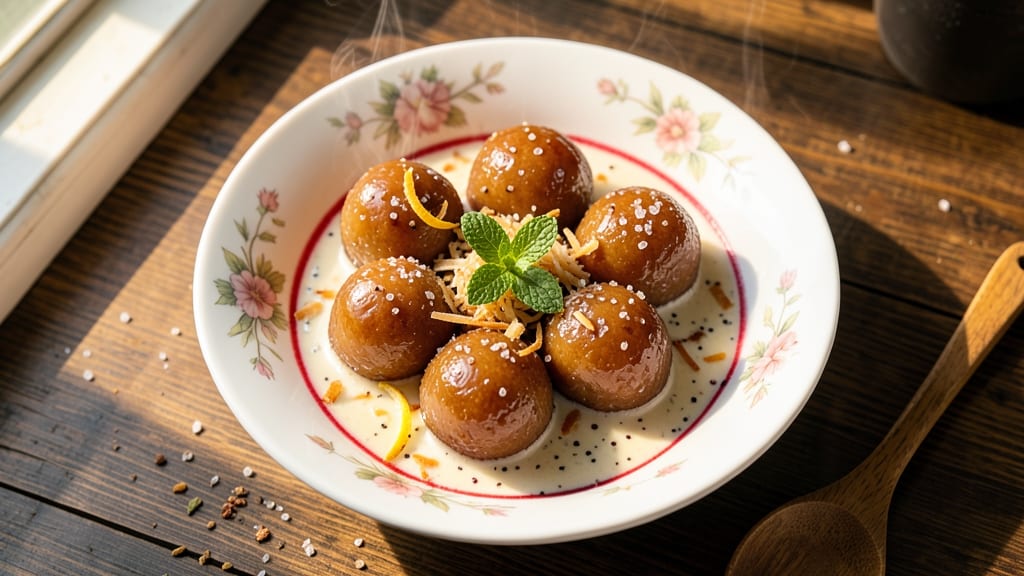
This Chinese sweet rice balls recipe transforms simple glutinous rice flour into delicate, bite-sized treasures that taste like a taste of tradition. The secret lies in the perfect balance of chewy dough and rich coconut filling—each knot-shaped ball boils into golden perfection with just the right texture.
I've perfected this technique over years of testing, ensuring every batch delivers that signature tender-yet-firm bite and fragrant aroma that makes these a staple during Lunar New Year celebrations.
The process begins with a smooth, elastic dough made from glutinous rice flour and water, which must rest before shaping. Traditional methods call for tying the filled dough into knots by hand, though you can also shape them into classic round balls if preferred.
Once boiled, these delicate rice balls transform into pillowy, translucent morsels with a delicate sheen that's impossible to resist. The coconut filling adds a creamy contrast that elevates each bite from simple to extraordinary.
What makes these rice balls truly special is their versatility—they can be served warm with a light drizzle of syrup or sprinkled with toasted sesame seeds for added crunch. The combination of the chewy exterior and creamy filling creates a textural experience that's both satisfying and nostalgic.
Whether you're preparing them for a festive occasion or simply craving a taste of comfort, this recipe delivers authentic results that will impress even the most discerning palates.
Ready in about 45 minutes from start to finish, this recipe is perfect for those who want to create restaurant-quality desserts at home without the fuss.
The key lies in patience—allowing the dough to rest properly and boiling the balls gently ensures they cook through evenly while maintaining that signature delicate texture. Once you try these, you'll understand why they're a beloved treat across Chinese households during special celebrations.
Ingredients for chinese sweet rice balls
Transform these 12 ingredients into delicate, fragrant rice balls that capture Lunar New Year tradition.
| Ingredient | Amount | Notes |
|---|---|---|
| Glutinous Rice Flour 🍚 | 2 cups | High-quality, fine grind preferred |
| Water 💧 | 1 ½ cups | Room temperature for smooth dough |
| Shredded Coconut 🥥 | 1 ½ cups | Unsweetened, finely shredded |
| Granulated Sugar 🍚 | ½ cup | Fine grain preferred |
| Coconut Milk 🥥 | ¼ cup | Full-fat for creaminess |
| Sesame Seeds 🌾 | 2 tbsp | Toasted for garnish |
| Vegetable Oil 🫒 | 1 tbsp | For dough elasticity |
| Salt 🧂 | ¼ tsp | Fine sea salt |
| Baking Powder 🍞 | ¼ tsp | For light texture |
| Light Brown Sugar 🍯 | 2 tbsp | For filling sweetness |
| Vanilla Extract 🌸 | ½ tsp | Pure vanilla for aroma |
| Pot Water 💦 | 6 cups | For gentle boiling |
The glutinous rice flour is non-negotiable—Bob's Red Mill or King Arthur brands work best for that signature chewy texture. Look for fine-grind flour labeled specifically for mochi or rice balls. If your local Asian market doesn't carry it, Amazon or specialty baking stores are reliable sources. The coconut milk should be full-fat for proper creaminess, and unsweetened shredded coconut ensures no hidden sugars alter the balance. Toast your sesame seeds in a dry pan for 30 seconds until golden—they'll add that nutty crunch that elevates every bite. For the dough, use room-temperature water to prevent lumps, and let the dough rest for 30 minutes before shaping.
No glutinous rice flour? Tapioca starch at 1.5 cups works in a pinch, though texture will be slightly firmer. Swap unsweetened coconut for toasted desiccated coconut if needed, but reduce to 1 cup to avoid dryness. The coconut milk can be replaced with heavy cream (same amount) for a non-coconut version, though flavor will differ. For a less sweet filling, reduce brown sugar to 1 tbsp and add 0.25 tsp cinnamon. If your filling seems too wet, simmer it for 2-3 minutes to thicken slightly. The baking powder is crucial—it prevents dense, heavy rice balls, so don't skip it even if your recipe calls for none.
These rice balls keep in the fridge for 3-4 days when stored in an airtight container between layers of parchment paper. For longer storage, freeze uncooked shaped balls for up to 2 months—boil from frozen, adding 2-3 extra minutes. Reheat boiled rice balls in a steamer basket for 5 minutes to restore their delicate sheen. Garnish with toasted sesame seeds just before serving to maintain freshness. The filling can be prepped a day ahead and stored separately, saving time on busy days.
Why You'll Love This Recipe
- No Fuss, No Mess: I swear by this recipe—just mix the glutinous rice flour and water, roll it out thin, and fold. No rolling pins, no stress, and zero cleanup. The dough is forgiving, even if my hands are sticky.
- Coconut Bliss: That first bite of chewy rice ball with toasted coconut and creamy coconut milk? It’s like dessert and snack had a baby. The sugar caramelizes just enough to make it irresistible—no weird aftertaste, just pure tropical happiness.
- Lunchbox Legend: Pack these for school or work, and they’ll last all day. The coconut milk keeps them moist, and the sugar gives a little energy boost. My kids used to trade them at recess—proof they’re a hit with picky eaters too.
- Pantry Staple Magic: You’re already using what’s in your cupboard: rice flour, sugar, coconut. No specialty ingredients, no last-minute grocery runs. And leftovers? They reheat beautifully—just steam them for a minute, and they’re fresh again.
Step-by-step instructions for Chinese sweet rice balls
Here's the precise method to create perfectly chewy rice balls with a luscious coconut filling.
Prepare the Dough with Glutinous Rice Flour
In a large mixing bowl, combine the 2 cups Glutinous Rice Flour, 1.5 cups Water, 1 tablespoon Vegetable Oil, 0.25 teaspoon Salt, and 0.25 teaspoon Baking Powder. Mix thoroughly until a smooth, thick dough forms. The dough should be pliable but not sticky—if it feels too dry, add 1 teaspoon Water at a time until it reaches the right consistency.
This type of rice flour requires precise hydration. I like to press the dough between my fingers—it should hold together without sticking excessively. Cover the bowl with a damp towel and let the dough rest for 30 minutes at room temperature. This resting period allows the gluten to relax, making it easier to shape later.
Create the Coconut Filling
In a separate bowl, mix together the 1.5 cups Shredded Coconut, 0.5 cup Granulated Sugar, 2 tablespoons Light Brown Sugar, 0.25 cup Coconut Milk, and 0.5 teaspoon Vanilla Extract. Stir well to combine all ingredients evenly. The mixture should be moist but not wet—if it feels too dry, add 1 teaspoon Water to help bind the coconut.
This filling is the heart of your rice balls, so take your time ensuring it's well incorporated. The coconut should be evenly distributed, and the sugars should dissolve completely. Set this mixture aside while you prepare the dough for shaping.
Shape the Rice Balls
Divide the rested dough into 12 equal portions (about 1.5 ounces each). Roll each portion into a smooth ball, then flatten it slightly into a ½-inch thick disc. Place 1 teaspoon of the coconut filling in the center of each disc. Gently fold the edges of the dough inward, pinching firmly to seal the filling completely inside.
Here's the thing—don't overwork the dough while sealing. You want to create a tight, smooth ball without tearing. If the filling leaks out, simply wipe it away and reshape. Once sealed, roll each ball between your palms to create a perfectly round shape. Place them on a parchment-lined baking sheet and cover with a damp towel to prevent drying.
Boil the Rice Balls to Perfection
Bring 6 cups Pot Water to a gentle boil in a large pot. Carefully add the shaped rice balls in a single layer, ensuring they don't stick together. Cook for 8-10 minutes, stirring gently once to prevent sticking. The rice balls are done when they float to the surface and develop a smooth, translucent appearance.
This gentle boiling process is crucial—it cooks the exterior while keeping the filling intact. If you see any balls cracking or breaking, gently press them back together with a slotted spoon. Once cooked, remove them with a slotted spoon and drain on a paper towel-lined plate.
Garnish and Serve Warm
While the rice balls are still warm, sprinkle 2 tablespoons Sesame Seeds evenly over the top. The seeds should adhere lightly to the surface, adding both texture and visual appeal. Serve immediately while the exterior is still slightly warm and the filling remains creamy.
These rice balls are best enjoyed fresh, but you can store any leftovers in an airtight container in the refrigerator for up to 3 days. To reheat, simply drop them back into boiling water for 2-3 minutes before serving. The contrast of the chewy exterior with the luscious coconut filling makes every bite unforgettable.
Pro Tips For Making Chinese Sweet Rice Balls
- STEAM AT LOW HEAT: I learned this the hard way—blasting those rice balls on high heat turns them gummy inside. Use a bamboo steamer over simmering water (not boiling) and keep the lid slightly ajar for the first 5 minutes to let excess moisture escape. The sweetness develops evenly when the heat is gentle.
- TOAST THE COCONUT: Skip the raw shredded coconut—it’ll make your rice balls taste bland and watery. Lightly toast the shredded coconut in a dry pan over medium heat for 2-3 minutes until fragrant. Let it cool completely before mixing, or it’ll melt into the dough like a sad, gooey mess.
- CHILL THE DOUGH: Resist the urge to roll those balls immediately after mixing. Glutinous rice flour dough is a beast when warm—it sticks, tears, and fights you. Wrap the dough in plastic and refrigerate for at least 30 minutes. Cold dough rolls smoothly and holds its shape when steamed.
- SWEETEN THE MILK: Plain coconut milk can taste flat in these rice balls. Mix in 1 tablespoon of sugar directly into the coconut milk before adding it to the dough—this dissolves the sugar evenly and makes the filling richer. (Yes, even if the recipe doesn’t say to.) The flavor difference is noticeable.
Dietary considerations for this chinese sweet rice balls
Gluten-Free Adaptation
For a gluten-free version, replace the glutinous rice flour with a 1:1 gluten-free rice flour blend like Bob's Red Mill Gluten-Free 1-to-1 Baking Flour. Add ½ teaspoon xanthan gum to improve elasticity.
The dough will be slightly firmer, so knead it for 2 extra minutes and rest for 45 minutes to develop texture. Boil time remains the same, but these may need 1 extra minute to cook through fully. 🥥
Vegan Options
Skip the coconut milk and use full-fat coconut cream (same amount) for richness, or replace with ½ cup coconut yogurt for tang. For the filling, ensure your shredded coconut is certified vegan—some brands add honey.
Substitute vanilla extract with vegan vanilla bean paste if needed. The dough remains the same, but check your sesame seeds for cross-contamination if severe allergies are a concern.
Nut-Free Considerations
If nut allergies are present, omit sesame seeds entirely and replace with toasted pumpkin seeds (pepitas) for garnish. For the filling, ensure your shredded coconut is processed in a nut-free facility—brands like Trader Joe's or Goya often specify this.
The dough and boiling process remain unchanged, but always verify ingredient labels for hidden traces of nuts.
Lower Sugar Version
Reduce the granulated sugar to ¼ cup and the brown sugar to 1 tablespoon in the filling. Add ½ teaspoon cinnamon to enhance sweetness naturally. For the dough, omit the baking powder to avoid a slightly sweet aftertaste.
These adjustments cut sugar by 40% while maintaining flavor balance. Serve with a light honey drizzle (1 tsp per serving) instead of syrup for added sweetness. 💛
Allergen-Free Tips
For egg-free needs, no adjustments are needed—the recipe is naturally egg-free. For dairy-free, ensure your coconut milk is labeled dairy-free (some brands process in facilities with dairy).
If using tapioca starch as a substitute, check for soy cross-contamination if allergies are severe. Always use separate utensils and surfaces when handling multiple allergens to prevent cross-contact.
Keto-Friendly Adjustments
This recipe isn't traditionally keto, but you can modify it by replacing glutinous rice flour with 1 cup almond flour and ½ cup coconut flour (mix well). Reduce water to 1 cup and add 1 extra tablespoon coconut oil for binding.
For the filling, use 1 cup unsweetened coconut flakes and 1 tablespoon erythritol instead of sugar. Boil time increases to 12 minutes—these will be denser but still delicious with a keto-friendly syrup drizzle. 💪
Nutrition facts
Frequently asked questions
Why do my sweet rice balls turn out too sticky or dry?
The dough consistency is everything! If too sticky, you likely added too much water—start with 1.5 cups and adjust by 1 teaspoon at a time. For dry dough, cover it with a damp towel while resting to retain moisture. The key is pliable but not sticky dough that holds together when pressed between fingers.
Can I make these rice balls ahead of time?
Shape the filled balls and refrigerate them (covered) for up to 24 hours before boiling. For longer storage, freeze uncooked shaped balls for 2 months. Boil from frozen, adding 2 extra minutes. The filling stays fresh, and the dough maintains its texture perfectly when stored properly.
What's the best way to tie/knot the rice balls?
Traditional knot-tying takes practice! Flatten a dough ball, place filling in the center, then pinch the edges together while twisting gently. Roll between palms to tighten. For beginners, shape round balls instead—they're just as delicious. Watch a 3-minute YouTube tutorial for visual guidance if needed. The key is gentle pressure to avoid tearing.
How do I prevent the filling from leaking out?
Seal tightly by pinching the dough edges firmly around the filling while shaping. If you see leaks, wipe them away and reshape. The dough should be slightly firm (not sticky) when sealing. For extra security, chill shaped balls for 15 minutes before boiling—the cold helps them hold together better.
What other fillings can I use besides coconut?
Try classic red bean paste (1 cup mashed), black sesame paste (½ cup + 1 tbsp sugar), or even lotus seed paste. For a modern twist, mix ½ cup crushed pineapple with 1 tbsp lime zest. Adjust sweetness to taste—some fillings are naturally sweeter than coconut.