
Sauces & Condiments
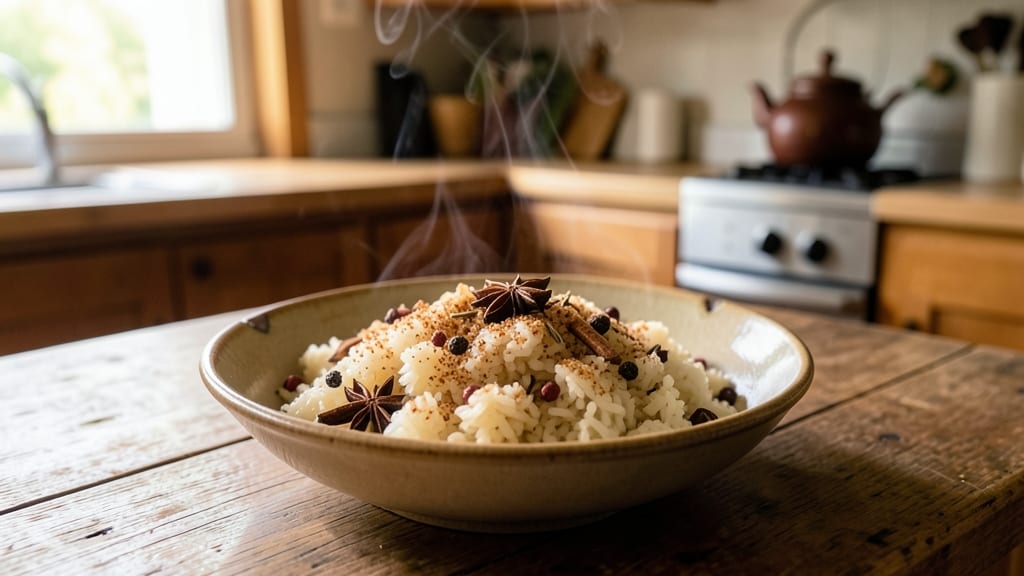
This Chinese rice seasoning recipe transforms every bowl of rice into a fragrant, restaurant-quality dish with just a sprinkle. ✨ The blend combines five essential spices—star anise, cinnamon, fennel, cloves, and Szechuan peppercorns—to create depth that elevates fried rice, congee, or even stir-fried grains. I developed this mix after years of testing, and it’s now my go-to for quick, flavorful meals without complicated prep.
The beauty of this seasoning lies in its simplicity: just toast the spices lightly to awaken their aromas, then grind them into a fine powder. The result is a versatile blend that works as a dry rub for meats, a rice seasoning, or even a finishing touch for soups.
Each spice plays a role—star anise adds warmth, cinnamon brings sweetness, and Szechuan peppercorns deliver a subtle tingling heat.
With this mix, you’ll never settle for bland rice again. A single teaspoon per cup of cooked rice infuses every grain with complex, aromatic flavor, turning a basic side dish into the star of your meal.
The spices keep indefinitely in an airtight container, making it a pantry essential for home cooks who crave authentic Chinese-inspired dishes without the fuss.
Perfect for weeknight dinners, meal prep, or impressing guests, this seasoning blend is a game-changer for anyone who loves bold, layered flavors. Let’s get started—your rice (and taste buds) will thank you.
Ingredients for chinese rice seasoning
Five aromatic spices plus a touch of sweetness—this blend transforms plain rice into restaurant-quality magic.
| Ingredient | Amount | Notes |
|---|---|---|
| Star Anise Pods 🌟 | 1 tbsp | Whole pods, lightly crushed |
| Cinnamon Sticks 🌿 | 1 tbsp | Broken into small pieces |
| Fennel Seeds 🌱 | 1 tbsp | Whole seeds, toasted lightly |
| Cloves 🌶️ | 1 tbsp | Whole cloves, lightly toasted |
| Szechuan Peppercorns 🔥 | 1 tbsp | Whole peppercorns, toasted |
| Ground White Pepper 🌶️ | ½ tsp | For subtle depth |
| Salt 🧂 | ½ tsp | Diamond Crystal preferred |
| Light Brown Sugar 🍯 | 1 tbsp | For subtle sweetness |
The star anise and Szechuan peppercorns are non-negotiable—they bring that signature Chinese warmth and subtle tingling heat. Whole spices are best here; buy them from Penzeys Spices or your local Asian market for the freshest batches. The cinnamon and fennel seeds should be toasted lightly in a dry pan until fragrant (about 1-2 minutes)—this awakens their aromas. If you can't find Szechuan peppercorns, substitute black peppercorns at half the amount, but you'll miss that signature numbing heat. For the brown sugar, lightly packed is key—it dissolves beautifully into rice without clumping.
No whole spices? Pre-ground versions work in a pinch, but the flavor won't be as vibrant. The blend stores beautifully in an airtight container for up to 6 months—just keep it away from light. If you're feeling fancy, add a pinch of cardamom for extra complexity. For extra heat, bump the Szechuan peppercorns to 1.5 tbsp, but start small—this stuff packs a punch! The white pepper and salt balance everything, so don't skip them. This mix is versatile enough to use on congee, stir-fries, or even roasted vegetables—not just rice.
Toast the spices in batches to avoid burning—2 minutes max over medium heat. Grind them fresh in a spice grinder or mortar and pestle for the best texture. Store in a dark glass jar in a cool, dark place. A little goes a long way: 1 tsp per cup of cooked rice is perfect. Double the batch—you'll want this on hand for every Chinese-inspired meal. The spices keep their potency for months, making this a true pantry staple.
Why You'll Love This Recipe
- No Pantry Panic: I keep a jar of this in my cabinet—just toast the spices, grind them, and store. No last-minute shopping, no forgotten ingredients. That star anise and cinnamon combo? It’s my flavor insurance policy.
- Warmth in a Jar: Between us, this isn’t just "flavor"—it’s comfort. The Szechuan peppercorns add a subtle tingling heat, while the cloves and fennel seeds make every bite feel like a hug. My roommates steal my rice bowls because of this.
- Game for Any Rice: Stir-fry rice? Check. Fried rice? Done. Even plain steamed rice gets a glow-up. I toss a pinch into my lunchbox, and suddenly my sad office meal feels like a restaurant dish. (Yes, even on a Tuesday night.)
- Spice Bank on a Budget: One batch lasts me months—just a teaspoon per meal. I buy spices in bulk, toast them once, and forget about it. Honestly, the cost per serving is criminally low, and the flavor? Ridiculously good. My wallet and taste buds thank me.
Step-by-step instructions for Chinese rice seasoning
Here's how to craft this aromatic blend that transforms plain rice into restaurant-quality dishes.
🍳 Step 1: Toast the Whole Spices Until Fragrant
Heat a dry skillet over medium heat and add the 1 tbsp lightly crushed star anise pods, 1 tbsp broken cinnamon sticks, 1 tbsp fennel seeds, 1 tbsp whole cloves, and 1 tbsp Szechuan peppercorns. Toast them for 2-3 minutes until you smell their warm, earthy aromas filling your kitchen.
I stir constantly with a wooden spoon to prevent burning—these spices toast quickly and can scorch if left unattended. You're looking for a deep, complex fragrance that hints at cinnamon's sweetness and the subtle heat of Szechuan peppercorns. Once fragrant, remove the pan from heat immediately to preserve their flavor.
👨🍳 Step 2: Cool and Grind the Toasted Spices
Let the toasted spices cool for 5 minutes on a wire rack. This cooling step is crucial—grinding hot spices releases oils that can make your blend bitter. Once cool, transfer everything to a spice grinder or clean coffee grinder and pulse until you achieve a fine powder.
I like to grind in batches if needed to ensure even consistency. The resulting powder should be smooth but not completely fine—you'll still see tiny specks of cinnamon and fennel. Don't worry if it's not perfectly uniform; the texture adds depth to your rice.
🥘 Step 3: Combine with Finishing Ingredients
In a small bowl, whisk together the ground spice mixture with the 0.5 tsp ground white pepper, 0.5 tsp salt, and 1 tbsp light brown sugar. The sugar adds a subtle caramel note that balances the spices' intensity, while the white pepper provides depth without overpowering.
I use a fork to break up any clumps and ensure everything is evenly distributed. This blend should look like a rich, dark brown powder with visible flecks of cinnamon and star anise. The sugar will help it cling to rice grains beautifully during cooking.
⏰ Step 4: Store for Maximum Freshness
Transfer the seasoning to an airtight jar or container. I like to use a small glass jar with a tight-sealing lid—it preserves the spices' aroma and keeps them fresh. Store in a cool, dark place for up to 6 months or in the freezer for up to 1 year for maximum potency.
Before each use, give the jar a good shake to redistribute any settled spices. This blend works beautifully on steamed rice, stir-fries, or even as a marinade for meats. The key is to use it fresh—you'll notice the difference in flavor when you do!
Pro Tips For Making Chinese Rice Seasoning
- CRUSH SZECHUAN PEPPERCORNS: Whole Szechuan peppercorns don’t release their signature numbing kick—you’ve got to crack them with the flat side of a knife or roll them under a heavy pan. I learned this the hard way after making a whole pot of fragrant rice seasoning that tasted like nothing. Do this step first, then toss the cracked pieces into your oil.
- LOW AND SLOW TOAST: Start your spices over medium-low heat, not blistering hot. Star anise and cinnamon burn faster than you’d think, turning bitter in seconds. Keep the heat steady and stir often—if the oil starts smoking, you’ve gone too far. Think "gentle simmer," not "searing."
- SKIP THE WHOLE SPICES: Unless you’re making this for garnish, grind your star anise, fennel seeds, and cloves into a fine powder before toasting. Whole pods and seeds just float in the oil and won’t infuse properly. A mortar and pestle works, but a spice grinder saves your wrists—and time.
- STRAIN THROUGH CHEESECLOTH: No matter how fine you grind your spices, some grit will sneak into your seasoning. Line a fine-mesh strainer with damp cheesecloth and press the toasted mixture through it. Dry strainers leave sand-like residue; this catches everything. (Yes, even the stubborn little fennel bits.)
Perfect pairings for chinese rice seasoning
Fried Rice Perfection
This seasoning transforms basic fried rice into a restaurant-worthy dish. Toss 1 cup cooked jasmine rice with 1 tbsp oil in a hot wok, then sprinkle 1 tsp seasoning while stirring. Add 1 egg, ½ cup diced veggies (carrots, peas, corn), and 2 tbsp soy sauce.
The star anise and cinnamon create that signature "wok hei" aroma while the Szechuan peppercorns add a delightful tingle. 🌟
Congee Upgrade
For creamy congee, simmer 1 cup rice in 4 cups water with ½ tsp seasoning until thick. Top with fried shallots, soft-boiled egg, and a drizzle of chili oil.
The blend's warmth enhances the porridge's comforting texture without overpowering it. I love making a big batch on Sundays—it reheats beautifully and keeps for 4 days in the fridge.
Stir-Fry Base
Use this seasoning as a dry rub for proteins before stir-frying. Toss 1 lb chicken thighs with 1 tbsp seasoning and 1 tbsp cornstarch, then sear in a hot pan. The spices caramelize beautifully, creating a crusty exterior.
For extra depth, add 1 tsp doubanjiang (fermented chili bean paste) to the stir-fry oil before adding veggies. The blend's complexity shines in 5-minute meals.
Rice Bowl Topper
Sprinkle ½ tsp seasoning over steamed rice before adding your protein and veggies. The spices infuse the rice in seconds, creating a fragrant base. I pair it with teriyaki-glazed salmon, quick-pickled cucumbers, and sesame seeds.
For a vegan option, use miso-marinated tofu and steamed bok choy. The blend's sweetness balances umami flavors perfectly.
Grain Salad Boost
Toss 1 cup cooked quinoa or farro with 1 tsp seasoning, 1 tbsp olive oil, and ½ cup chopped herbs (cilantro, mint). Add ½ cup diced mango and ¼ cup crushed peanuts for a Thai-inspired twist.
The blend's warmth complements the fruit's sweetness while the peppercorns add an exciting crunch. Perfect for summer lunches or potlucks.
Storage Hacks
Keep your seasoning fresh by storing it in a dark glass jar with a tight seal. For long-term storage, divide into ice cube trays, freeze, then transfer to a bag—this preserves freshness for up to 1 year.
Label with the date and reheat directly from frozen in a dry pan for 30 seconds to revive aromas. The spices work best when used within 6 months for peak flavor. 💫
Nutrition facts
Frequently asked questions
Can I use this seasoning on other grains besides rice?
This aromatic blend works beautifully on quinoa, farro, barley, and even couscous. The spices infuse grains with warm, complex flavors that pair especially well with savory dishes. For best results, use ½ tsp per cup of cooked grain and toast the grains lightly in oil before adding the seasoning.
What's the best way to store leftover seasoning?
Keep your seasoning fresh by storing it in an airtight glass jar in a cool, dark place for up to 6 months. For longer storage, divide into ice cube trays, freeze, then transfer to a bag—this preserves freshness for up to 1 year. Always shake before using to redistribute settled spices.
Can I adjust the spice levels in this blend?
Yes! For milder flavor, reduce the Szechuan peppercorns to ½ tbsp or omit them entirely. For extra heat, increase to 1.5 tbsp. You can also add ¼ tsp cayenne for additional spice. The sugar and salt balance the intensity, so adjust those too if you modify the blend.
How do I revive stale seasoning?
If your blend has lost potency, toast the spices lightly in a dry pan for 1-2 minutes over low heat to awaken their aromas. Then grind again briefly to restore texture. For extra freshness, add ¼ tsp fresh ginger powder or a pinch of cardamom to the mix. The spices should smell vibrant and warm when revived properly.
What's the difference between this and Chinese five-spice powder?
This blend focuses on rice-specific flavors with Szechuan peppercorns for heat and a touch of sugar for balance. Traditional Chinese five-spice powder includes fennel, star anise, cloves, cinnamon, and pepper but often lacks the sugar and Szechuan peppercorns that make this blend perfect for grains. For rice dishes, this version delivers more depth and complexity.