
Side Dishes
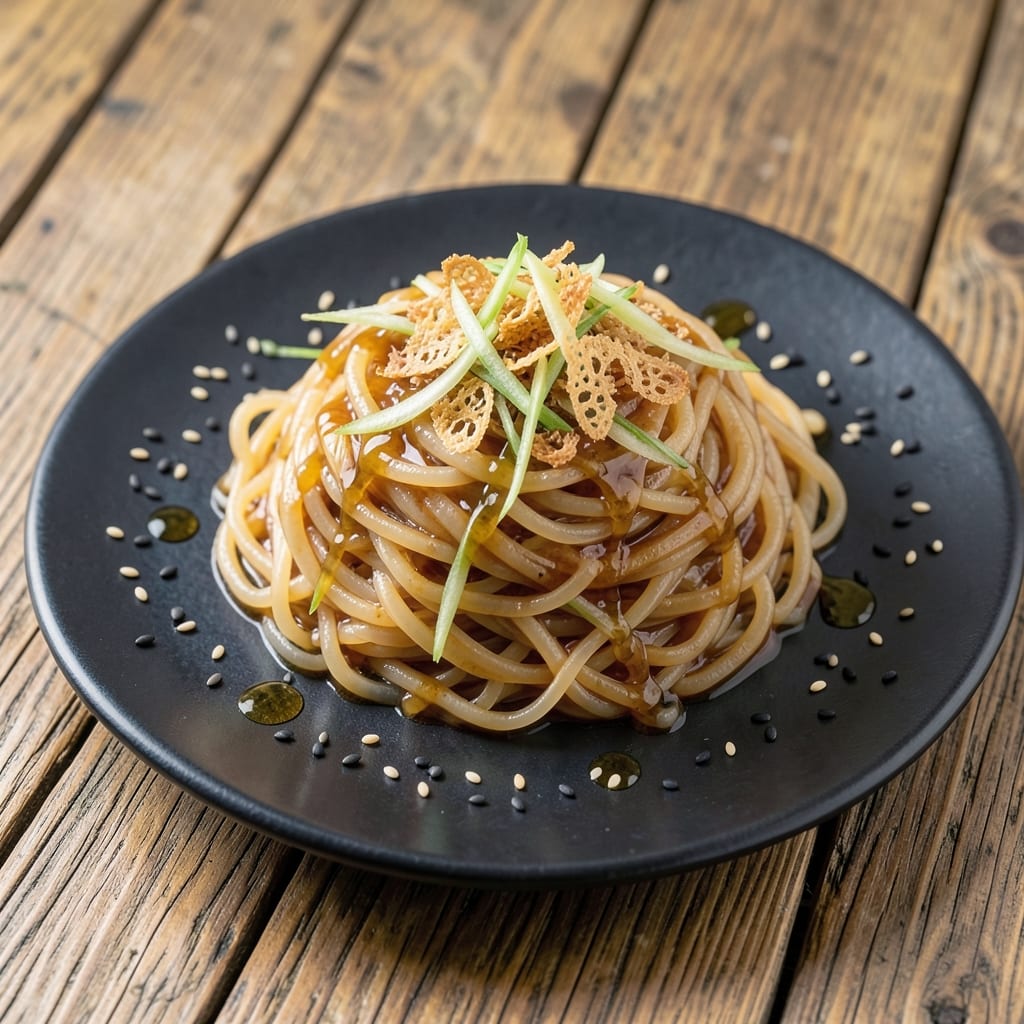
This Asian rice noodle side dish transforms simple ingredients into a silky, aromatic masterpiece that elevates any meal. 🌟 The secret lies in perfectly cooked rice noodles tossed with a vibrant sesame-ginger dressing that delivers a perfect balance of toasty, tangy, and umami flavors. I developed this recipe after years of experimenting with Asian-inspired dishes, and it's become a staple in my kitchen for its versatility and restaurant-quality results.
The beauty of this dish is its simplicity—just a handful of ingredients come together in 15 minutes to create something that tastes like it took hours to prepare. We'll start with delicate rice noodles that soak up the dressing beautifully, then build layers of flavor with fresh herbs, toasted sesame seeds, and a touch of chili for heat. The key technique is cooking the noodles just right so they remain tender yet hold their shape.
What you'll end up with is a dish that's elegant enough for dinner parties but simple enough for weeknight meals. The silky noodles glisten with a glossy sesame dressing, while the toasted sesame seeds add texture and aroma that fills your kitchen. This side dish pairs perfectly with grilled proteins, stir-fries, or even as a light main course when served with fresh vegetables.
The best part? This recipe scales effortlessly—double it for a crowd or halve it for a light lunch. Whether you're serving it alongside sizzling wok dishes or using it to bulk up a salad, this Asian rice noodle side dish delivers restaurant-quality flavor with minimal effort. Let's get started!
Ingredients for asian rice noodle side dish
Simple ingredients that come together in minutes for restaurant-quality Asian noodle magic.
| Ingredient | Amount | Notes |
|---|---|---|
| Rice Noodles 🍜 | 8 oz | Flat rice noodles, not round |
| Sesame Oil 🫒 | 2 tbsp | Toasted sesame oil preferred |
| Fresh Ginger 🧄 | 1 tbsp | Finely grated, fresh only |
| Rice Vinegar 🍶 | 2 tbsp | Seasoned preferred for depth |
| Soy Sauce 🍶 | 1 ½ tbsp | Low-sodium preferred |
| Sesame Seeds 🌾 | 1 tbsp | Toasted in dry pan first |
| Red Chili Flakes 🌶️ | ½ tsp | Adjust for heat preference |
| Fresh Cilantro 🌿 | ¼ cup | Stems removed, chopped fine |
| Green Onions 🧅 | 3 whole | Thinly sliced, white parts |
| Peanuts 🥜 | ¼ cup | Crushed, for crunch |
| Lime Juice 🍋 | 1 tbsp | Freshly squeezed |
| Salt 🧂 | ½ tsp | Kosher or sea salt |
| Sugar 🍚 | 1 tsp | White or brown sugar |
Rice noodles are the star here—flat, not round. Asian markets have the best selection, but Thai Kitchen brand works in a pinch. Look for packages labeled 'rice noodles' or 'vermicelli'—they're delicate and cook fast. Fresh ginger is non-negotiable (dried lacks punch), but if you must use dried, double the amount. Toast your sesame seeds in a dry pan for 2 minutes—they'll smell amazing and add serious texture. I grab mine at Trader Joe's in the bulk section.
No sesame oil? Vegetable oil plus 1 tsp toasted sesame seeds works, but you'll miss that nutty aroma. Red chili flakes giving you pause? Substitute with 0.25 tsp cayenne or skip entirely. Fresh cilantro? Dried cilantro (oregano) at 1/4 the amount is better than nothing. The peanuts can be skipped if you're nut-free, but they add that perfect crunch. For extra umami, add 1 tsp fish sauce (if not vegetarian) or soy sauce instead.
Cooked noodles reheat beautifully—just toss with a splash of water and microwave 30 seconds. Store leftovers in an airtight container for up to 3 days. The dressing keeps for 5 days in the fridge, but the sesame oil separates—just whisk before using. Double the recipe for a crowd, but halve it for a light lunch. The dressing makes enough for 2 servings—adjust to taste.
Why You'll Love This Recipe
- No-Soaking Needed: I swear by this trick—just boil the rice noodles for 2 minutes, drain, and toss them in the pan. No waiting around for them to soften properly, no slimy texture. They absorb the sesame oil and ginger like a dream.
- Umami Bomb Combo: That little splash of rice vinegar and soy sauce? It’s the secret weapon. The vinegar brightens everything while the soy adds this deep, savory punch—like a tiny flavor explosion in every bite. Honestly, I’ve tried skipping it, and I always regret it.
- Lunchbox Hero: Between us, this is my go-to for packed lunches. Cold or warm, it holds up perfectly for days. Toss in some leftover grilled chicken or quick-pickled veggies, and you’ve got a meal that’s basically a flavor upgrade on takeout.
- Pantry Staple Magic: Five ingredients, none of which cost more than a few bucks. The ginger and sesame oil might seem fancy, but a little goes a long way—and they last forever. I’ve made this for date night, lazy Sundays, and even as a quick snack after work. It’s my budget-friendly sidekick.
Step-by-step instructions for Asian rice noodle side dish
Here's how to create silky, flavor-packed noodles that'll steal the show as a side.
🍳 Step 1: Toast the Peanuts and Sesame Seeds
Heat a dry skillet over medium heat and add the 0.25 cup peanuts. Toast them for 3-4 minutes until they're golden brown and smell nutty. Watch closely—they burn fast! Transfer to a plate and let cool slightly, then roughly crush them with a rolling pin or heavy pan.
In the same pan (no need to clean it), add the 1 tablespoon sesame seeds and toast for 1 minute until fragrant and lightly golden. Remove from heat immediately—they'll keep toasting from residual heat. Let both cool completely before adding to your noodles later.
👨🍳 Step 2: Prepare the Flavor Base
In a small bowl, whisk together the 2 tablespoons rice vinegar, 1.5 tablespoons soy sauce, 1 tablespoon lime juice, 1 teaspoon sugar, 0.5 teaspoon salt, and 0.5 teaspoon red chili flakes. This is your noodle's flavor foundation—taste it now and adjust seasoning if needed. I like to add a pinch more salt or sugar if the vinegar seems too sharp.
In a separate small bowl, grate the 1 tablespoon fresh ginger using a microplane or fine grater. Add it to the flavor mixture and stir. The ginger will mellow out the acidity from the lime and vinegar while adding that signature zing. Let this mixture sit while you prep the noodles.
🍳 Step 3: Cook the Rice Noodles Perfectly
Bring a pot of water to a gentle boil (not rolling boil—rice noodles cook fast and can turn mushy). Add the 8 ounces rice noodles and cook for exactly 2 minutes. They should be tender but still slightly firm to the bite—think al dente pasta. Drain immediately in a colander and rinse under cold water for 10 seconds to stop the cooking process.
Here's the thing—rice noodles turn gummy fast. Don't overcook them! The moment they float to the surface is your cue to drain. Once drained, give them a quick shake in the colander to separate any clumps before tossing with your sauce.
🥘 Step 4: Combine Everything for Maximum Flavor
In a large bowl, gently toss the drained noodles with 2 tablespoons sesame oil and half of the ginger-vinegar mixture. The oil will coat the noodles, preventing them from sticking while adding that nutty depth. Add the 0.25 cup chopped cilantro and 3 sliced green onions (white and green parts) and toss again.
Now add the remaining ginger-vinegar mixture and toss everything together until the noodles are evenly coated. The texture should be silky but still have a slight bite—this is where those perfectly cooked noodles pay off. Fold in the toasted peanuts and sesame seeds, reserving a few for garnish if you're feeling fancy.
⏰ Step 5: Rest and Serve Immediately
Let the noodles sit for 2-3 minutes before serving. This resting time allows the flavors to meld together—you'll notice the noodles soften slightly and absorb all that delicious sauce. The peanuts will get crunchier as they cool, and the sesame seeds will release their full aroma.
Serve while still warm, garnished with any reserved peanuts and sesame seeds. The contrast of silky noodles, crunchy peanuts, and nutty sesame seeds makes this side dish irresistible. If you're serving with grilled meats or stir-fried veggies, the tangy-sweet sauce will cut right through the richness.
Pro Tips For Making Asian Rice Noodle Side Dish
- SOAK NOODLES SEPARATELY: I learned this the hard way—dumping raw rice noodles into boiling water with other ingredients turns them into a mushy mess. Soak them in warm (not hot) water for 5-7 minutes first, then drain and rinse with cold water to stop cooking. This keeps them firm and ready to absorb flavors without falling apart.
- JULIENNE GINGER FAST: Skip the peeler and just hack it—my grandmother swore by this, and it works. Use a chef’s knife to smash the ginger root flat, then slice thin strips against the grain. No fancy technique, just quick and effective. (Yes, even if you’re impatient like me.)
- SAUCE IN STAGES: Don’t toss everything in at once—build the sauce in layers. First, toast the minced ginger in sesame oil until fragrant (30 seconds max), then add soy sauce and vinegar separately. This keeps the balance sharp and prevents a muddy flavor from over-mixing.
- FINISH WITH COLD VINEGAR: Sounds weird, but it works: add rice vinegar after the pan’s off the heat. The acid cuts through the richness of sesame oil and soy sauce without cooking off. Stir it in, let it sit for 30 seconds, then toss with noodles. The contrast makes the dish taste brighter.
Make-ahead tips for this asian rice noodle side dish
Prep Ahead Strategy
Make the dressing up to 5 days in advance and store it in an airtight container in the fridge. The flavors deepen over time, and you can adjust seasoning right before using. I like to prep this on Sunday for quick weeknight meals—just toss with freshly cooked noodles. The sesame oil may separate, so give it a quick whisk before using. 🧂
Noodle Prep Shortcut
Cook and rinse the noodles 1 day ahead and store them in an airtight container with a damp paper towel to prevent drying. Reheat by tossing with 1 tablespoon hot water and microwaving for 30 seconds. This saves you 10 minutes of prep time when you're ready to serve. The texture stays perfect if stored properly.
Portion Control Tips
Divide the dressing into 4 small containers (about 2 tablespoons each) for easy portioning. Keep the containers in the fridge, and when ready to serve, simply toss with freshly cooked noodles. This ensures consistent flavor in every serving and prevents over-saucing. I use ramen-style containers for this purpose—they stack neatly in the fridge. 🥥
Freezer-Friendly Hack
For long-term storage, freeze the cooked noodles in a single layer on a tray for 1 hour to prevent clumping. Transfer to a freezer bag with 1 tablespoon oil to preserve texture. Thaw overnight in the fridge, then reheat with the dressing. The noodles will be slightly softer but still delicious—great for meal prep when you're short on time.
Dressing Variations
Double the dressing recipe and freeze half in ice cube trays. Once frozen, transfer to a bag for easy single-serving use. This works perfectly for customizing flavors—add 1 tsp fish sauce to one batch for umami or 1 tsp honey to another for sweetness. Just thaw and toss with noodles when ready to serve. 🍶
Nutrition facts
Frequently asked questions
Can I use other types of noodles instead of rice noodles?
For this recipe, stick with flat rice noodles—they're designed to absorb flavors beautifully while maintaining a silky texture. Round rice noodles (like udon) or wheat noodles won't work as well because they're thicker and don't cook as quickly. If you're gluten-free, ensure your rice noodles are certified—some brands process in wheat facilities.
How do I prevent the noodles from turning mushy?
The key is cooking them for exactly 2 minutes in gently boiling water, then rinsing with cold water for 10 seconds to stop the cooking process. Overcooking releases too much starch, making them gummy. Also, avoid stirring them while cooking—just let them float and cook evenly. Drain immediately when they're tender but still slightly firm.
What if I don't have toasted sesame oil?
Use neutral oil like vegetable or peanut oil plus an extra 1 teaspoon toasted sesame seeds for aroma. The flavor won't be identical, but you'll still get that nutty depth. For extra authenticity, toast 1/2 teaspoon sesame seeds directly in your pan while cooking the peanuts and sprinkle them on top at the end.
Can I make this dish ahead of time?
Cook the noodles and store them in an airtight container with a damp paper towel for up to 1 day. Reheat by microwaving with 1 tablespoon hot water for 30 seconds. The dressing can be made 5 days ahead—just whisk before using. For longer storage, freeze the dressing in ice cube trays and thaw as needed.
How can I adjust the heat level?
Start with 0.5 teaspoon red chili flakes for mild heat, or reduce to 0.25 teaspoon for no spice. For extra kick, add 1/4 teaspoon cayenne pepper or a dash of Sichuan peppercorn powder (which adds a numbing tingle). For a sweeter profile, increase the sugar to 1.5 teaspoons or add 1/2 teaspoon honey to the dressing.