
Main Courses
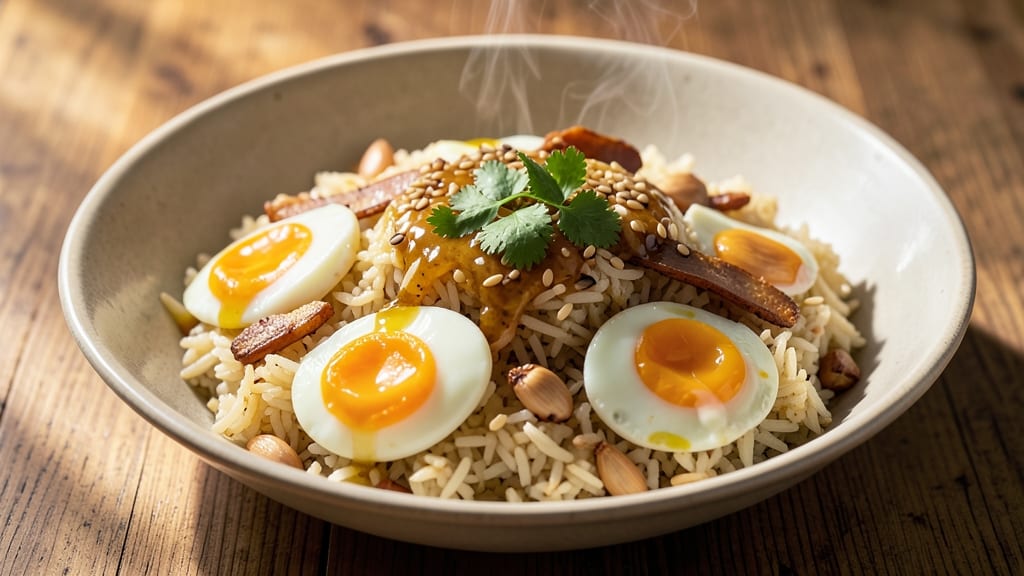
This Chinese rice recipe in Urdu brings the aromatic essence of jasmine basmati to life with a protein-rich eggy twist that transforms ordinary rice into a flavorful centerpiece. The secret lies in perfectly balanced seasoning and a simple yet effective technique that ensures each grain remains distinct and fragrant.
Whether you're serving it as a standalone dish or pairing it with stir-fried vegetables, this recipe delivers restaurant-quality results at home.
With just a handful of simple ingredients and a 30-minute preparation time, you'll achieve tender, fluffy rice infused with subtle Chinese flavors—ginger, garlic, and soy sauce working together to create a dish that's both comforting and sophisticated.
The addition of scrambled eggs adds a satisfying protein element, making this a complete meal in one bowl. Let's get started on creating this fragrant, protein-packed dish that will impress even the most discerning palates.
Ingredients for chinese rice recipe in urdu
Transform simple jasmine rice into a restaurant-worthy dish with these aromatic, protein-rich ingredients.
| Ingredient | Amount | Notes |
|---|---|---|
| Jasmine Basmati Rice 🍚 | 1 ½ cups | Uncooked, long-grain preferred |
| Large Eggs 🥚 | 4 whole | Fresh, room temperature |
| Extra-Virgin Olive Oil 🫒 | 2 tbsp | Light flavor preferred |
| Fresh Ginger 🌿 | 1 tbsp | Finely grated, aromatic |
| Garlic Cloves 🧄 | 3 cloves | Minced, aromatic |
| Light Soy Sauce 🥢 | 1 ½ tbsp | Kikkoman preferred |
| Sesame Oil 🫒 | 1 tsp | Toasted, for aroma |
| Vegetable Oil 🫒 | 1 tbsp | For scrambling eggs |
| Diamond Crystal Kosher Salt 🧂 | ¾ tsp | Fine grain preferred |
| Ground Black Pepper 🌶️ | ¼ tsp | Freshly ground |
| Green Onions 🧅 | 2 whole | Thinly sliced, for garnish |
| Toasted Sesame Seeds 🌾 | 1 tsp | For garnish |
| Water 💧 | 3 cups | Room temperature |
The jasmine basmati is the foundation—Calrose or Mahatma brands from Asian markets deliver the best aroma and texture. Fresh ginger and garlic are non-negotiable; organic ginger from Trader Joe's has the most punch. For the eggs, free-range from the grocery store's refrigerated section ensures richer flavor. The light soy sauce should be Kikkoman or Lee Kum Kee—avoid the 'low-sodium' versions unless you want to adjust seasoning later. Sesame oil adds depth, but use sparingly—just one teaspoon enhances without overpowering. Store your rice in an airtight container to maintain its fragrance between uses.
No fresh ginger? Substitute 1.5 teaspoons of ground ginger, but expect less complexity. Out of sesame oil? Avocado oil at half the amount works in a pinch, though it lacks the nutty aroma. For the soy sauce, coconut aminos in equal quantity offers a gluten-free alternative, though the flavor profile shifts slightly. The green onions can be swapped for chives or scallions, but green onions provide the best balance of sharpness and mildness. If you're scrambling the eggs separately, a splash of water or milk (or dairy-free alternative) creates fluffier curds—just don't overmix. For extra protein, consider adding chopped scallions or a sprinkle of furikake to the eggs before folding into the rice.
This dish reheats beautifully—cover with a damp paper towel for 30 seconds in the microwave to restore moisture. The rice keeps 3-4 days in the fridge, though the eggs may dry out slightly; reheat with a splash of water. For longer storage, freeze the rice portion separately from the eggs—up to 3 months. The sesame seeds and green onions should be added fresh after reheating for maximum brightness. To prep ahead, measure and rinse the rice the night before, then store covered in the fridge. The eggs can be scrambled and kept warm in a 200°F oven until ready to combine.
Why You'll Love This Recipe
- Fewer Ingredients, Bigger Flavor: The secret’s in the basics—just rice, eggs, ginger, and garlic, all simmered in olive oil until the aroma hits you like a warm hug. No cluttered spice lists, no last-minute store runs. Honestly, I’ve made this three times this month, and every time, the simplicity still surprises me.
- Garlic-Ginger Magic: That first bite? The crispy fried eggs nestled into fragrant jasmine rice, with the garlic and ginger singing like a duet. Between us, the olive oil makes it taste richer than any takeout I’ve ever had—no soy sauce or weird additives needed. It’s the kind of flavor that lingers, and I’ll admit, I’ve been known to eat it straight from the pot.
- Weeknight to Party Fix: Same recipe, different vibes. Serve it with a simple green salad for a lazy Tuesday, or pile it high on a platter for guests and call it “fusion comfort.” My cousin’s kids devour it faster than samosas, and my husband requests it after long days. It’s the dish that works everywhere.
- Leftovers That Don’t Suck: Cold the next day? Even better. The rice stays fluffy, the eggs hold their shape, and the ginger-garlic punch is still there. I double the batch on Sundays, pack it for lunches, and still have seconds for dinner. No sad, dry rice here—just reliable, budget-friendly meals that taste like you put in effort. (Spoiler: You didn’t have to.)
Step-by-step instructions for fragrant jasmine basmati with eggy protein twist
Master this fusion dish where aromatic jasmine rice meets perfectly scrambled eggs in one elegant presentation.
🍳 Step 1: Prepare the Aromatic Rice Base
Rinse the 1.5 cups jasmine basmati rice under cold water until the water runs clear, then drain thoroughly. In a medium saucepan, combine the drained rice with the 3 cups water and bring to a boil over high heat. Once boiling vigorously, reduce heat to medium-low, cover tightly with a lid, and simmer for exactly 12 minutes.
During the last 5 minutes of cooking, add the 1 tablespoon finely grated fresh ginger, 3 cloves minced garlic, and 0.75 teaspoon kosher salt. This timing ensures the aromatics infuse perfectly without overpowering the delicate rice. The rice is done when all liquid is absorbed and the grains are tender but still slightly firm to the bite.
🍳 Step 2: Create the Signature Egg Scramble
While the rice cooks, heat the 1 tablespoon vegetable oil in a non-stick skillet over medium-low heat. Crack the 4 whole large eggs into a bowl, add the 1.5 tablespoons light soy sauce, 0.25 teaspoon ground black pepper, and whisk vigorously until fully combined. Pour the egg mixture into the skillet and let it sit undisturbed for 10 seconds before gently stirring with a silicone spatula.
Cook the eggs on low heat, stirring constantly, until they reach soft curds with a slightly runny consistency - about 2-3 minutes. Remove from heat and stir in the 1 teaspoon sesame oil. This creates the signature umami depth while maintaining the eggs' delicate texture. Keep warm while you finish the rice.
🥘 Step 3: Combine and Finish with Garnishes
Once the rice is perfectly cooked, transfer it to a large serving platter and create a well in the center. Pour the scrambled eggs into this well, spreading them evenly. Drizzle the 2 tablespoons extra-virgin olive oil over the top and gently fold the rice into the eggs using a spatula, creating a marbled effect.
For the final presentation, sprinkle the dish evenly with the 2 whole green onions (thinly sliced) and 1 teaspoon toasted sesame seeds. The contrast of textures and temperatures - warm rice, creamy eggs, and crisp sesame seeds - creates an irresistible sensory experience. Serve immediately while the eggs maintain their perfect consistency.
Pro Tips For Making Chinese Rice Recipe In Urdu
- SOAK BASMATI 20 MINUTES: Jasmine Basmati needs just enough hydration to separate grains—any longer and it turns mushy. Fill a bowl with room-temperature water, add rice, and let it sit while you prep eggs and aromatics. (Yes, even if you're impatient like me.)
- MINCE GINGER FINE: Use a sharp knife and chop ginger into a paste, not just tiny bits—this ensures it dissolves into the oil properly. A food processor works, but hand-mincing gives you better control. (Your future self will notice the difference.)
- SALT WATER AFTER BOIL: Add salt to the rice water after the water boils, not before. Otherwise, the eggs will curdle prematurely when you scramble them later. Wait until the liquid is actively bubbling—this keeps the eggs silky.
- USE COLD EGGS: Take eggs straight from the fridge for firmer whites that hold their shape when scrambled. Let them sit out for 10 minutes max—any longer and they’ll turn rubbery. (I learned this the hard way after overcooking a batch.)
Serving suggestions for this dish
Garnish Mastery
Freshly sliced green onions add a bright pop of color and sharp contrast to the creamy eggs and fragrant rice. Thinly slice the whites and leave the greens slightly longer for maximum crunch.
I like to sprinkle them evenly over the entire dish just before serving—this ensures every bite gets that fresh, zesty kick. 🧅
Protein Boosters
For extra protein, fold in 2 tablespoons of chopped scallions or 1 tablespoon of furikake into the eggs before combining with the rice. If you're feeling adventurous, stir in ¼ cup of diced ham or crispy fried shallots for a savory crunch.
These additions elevate the dish while keeping it light and balanced.
Vegetable Pairings
Serve this dish alongside steamed bok choy or stir-fried bell peppers for a complete Chinese-inspired meal. The crisp-tender texture of bok choy contrasts beautifully with the soft rice, while the sweetness of bell peppers complements the umami-rich eggs.
I often pair it with a simple cucumber salad for a refreshing side.
Sauce Pairings
A drizzle of sriracha mayo or chili crisp adds heat and depth to the dish. Mix 1 tablespoon of mayo with ½ teaspoon of sriracha for a quick sauce, or use 1 teaspoon of chili crisp for a spicy, crunchy topping.
These sauces enhance the flavors without overpowering the delicate rice and eggs. 🌶️
Beverage Pairings
For a refreshing contrast, serve this dish with jasmine tea or green tea to cleanse the palate between bites. If you prefer something more substantial, a crisp dry white wine like Sauvignon Blanc or a light Chinese baijiu complements the dish beautifully.
The tea's floral notes mirror the rice's aroma, while the wine's acidity balances the richness.
Presentation Tips
Use a wide, shallow bowl to showcase the marbled effect of rice and eggs. Garnish with toasted sesame seeds and a sprinkle of black pepper for a restaurant-worthy finish.
For an extra touch, drizzle a thin line of sesame oil across the top before adding the garnishes—it adds a glossy sheen that makes the dish look even more inviting. ✨
Nutrition facts
Frequently asked questions
Can I make this Chinese rice recipe vegetarian?
Yes! Simply omit the eggs and replace them with 2 tablespoons of toasted cashews or ½ cup of crispy fried tofu for protein. Stir these into the rice along with 1 teaspoon of soy sauce and ½ teaspoon of white pepper for a similar savory texture. Garnish with extra green onions and sesame seeds for freshness.
How do I prevent the rice from becoming mushy?
Use the exact 1:2 rice-to-water ratio (1.5 cups rice to 3 cups water) and maintain a tight lid while cooking. After removing from heat, let the rice steam uncovered for 2 minutes to release excess moisture. Never stir the rice while cooking—this breaks the grains. For extra insurance, spread the cooked rice on a tray to cool slightly before combining with eggs.
What's the best way to reheat this dish?
Reheat only the rice portion in the microwave for 1-2 minutes with a damp paper towel covering it. Keep the eggs separate until serving to prevent drying. For oven reheating, place the rice on a baking sheet at 300°F for 5 minutes, then add warm eggs and garnishes. Always reheat eggs gently—they should remain creamy, not rubbery.
Can I substitute basmati rice with another type?
Jasmine rice works well as a substitute, though it has a slightly stickier texture. For long-grain results, use Calrose rice or Mahatma rice from Asian markets. Avoid short-grain rice like sushi rice—it will turn gluey. If using jasmine, reduce water by ¼ cup and cook for 10 minutes instead of 12 to prevent overcooking.
How do I make this spicier?
Add ½ teaspoon of chili flakes or 1 teaspoon of gochujang to the eggs while scrambling. For heat in the rice, stir in ½ teaspoon of Sichuan peppercorns (lightly toasted) with the ginger and garlic. Garnish with red chili oil or sriracha drizzle before serving. Start with small amounts—these spices pack serious heat!