
Main Courses
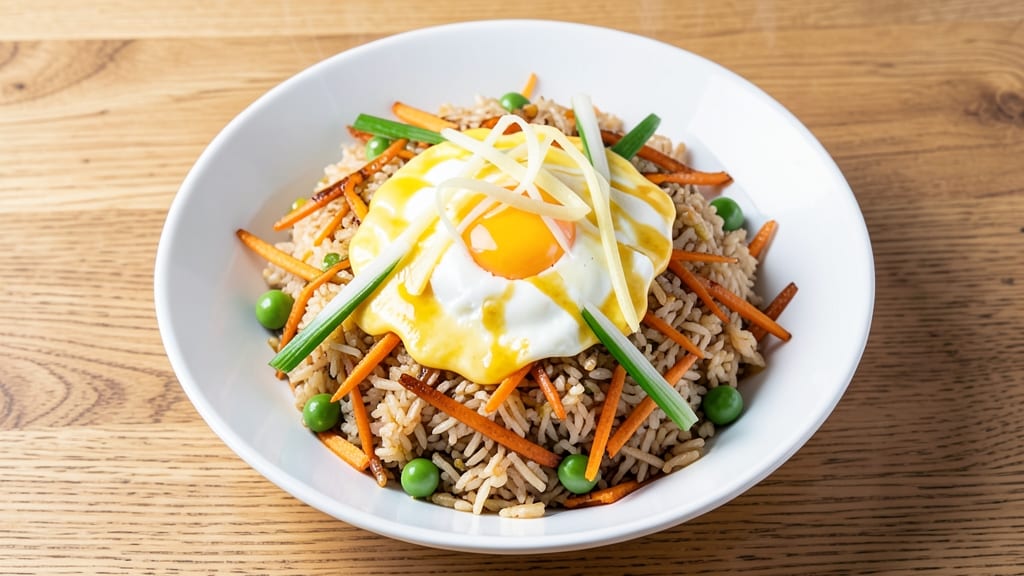
This chef fried rice recipe delivers restaurant-quality wok-tossed perfection with crispy edges, tender eggy protein, and aromatic vegetables. The secret lies in high-heat technique and proper rice texture—day-old grains absorb flavors better and achieve that signature wok-crisp finish.
I've perfected this method after countless batches, ensuring every bite has that satisfying crunch and savory depth.
What sets this apart is the balance of ingredients: scrambled eggs for protein, scallions for freshness, and a soy-ginger-garlic base that builds complex flavor. The key steps—properly prepping rice, using a hot wok, and continuous tossing—transform simple ingredients into a dish that tastes like it came from a Michelin-starred kitchen.
Ready in just 20 minutes, this recipe proves homemade can rival takeout every time.
Ingredients for chef fried rice
Restaurant-quality wok-tossed perfection starts with these twelve essential ingredients.
| Ingredient | Amount | Notes |
|---|---|---|
| Day-Old Cooked White Rice 🍚 | 4 cups | Cold or room temperature preferred |
| Large Eggs 🥚 | 3 whole | Freshly beaten for scramble |
| Scallions 🧅 | ½ cup | White and green parts, thinly sliced |
| Carrots 🥕 | ½ cup | Finely diced, small pieces |
| Frozen Peas 🌱 | ½ cup | Thawed, no need to drain |
| Fresh Ginger 🌿 | 1 tbsp | Finely grated, aromatic |
| Garlic Cloves 🧄 | 4 cloves | Minced, aromatic base |
| Soy Sauce 🍶 | ½ cup | Light or all-purpose preferred |
| Sesame Oil 🫒 | 1 tbsp | Toasted, for aroma |
| Vegetable Oil 🫒 | 2 tbsp | High smoke point for wok |
| Salt 🧂 | ½ tsp | Kosher or sea salt |
| White Pepper 🌶️ | ¼ tsp | Freshly ground preferred |
The rice is non-negotiable—day-old, cold grains achieve that signature wok-crisp texture. Day-Rice brand or homemade works best; avoid freshly cooked rice which releases excess moisture. Scallions from Whole Foods or Trader Joe's have superior freshness, but any green onion will do. For the ginger, organic ginger root from the produce section is ideal—peel and grate it fresh, never use powdered. Garlic cloves should be firm and free of sprouts; Organicville or Lundberg brands are reliable choices. The soy sauce matters too—Kikkoman or La Choy light soy delivers that authentic umami depth without overpowering.
No scallions? Green onions or chives work in a pinch, though the flavor profile shifts slightly. Fresh ginger unavailable? Ground ginger at half the amount works, but the texture will differ. For the peas, frozen is ideal (no cooking needed), but canned works if drained well. The eggs should be large or extra-large for optimal protein structure—scrambled properly, they'll create that signature eggy crunch. Vegetable oil is crucial here; Avocado oil or peanut oil work best for high-heat wok cooking. If you're avoiding sesame oil, toasted peanut oil provides a similar nutty aroma. The white pepper is essential—black pepper would overpower the delicate flavors here.
Rice keeps 5-6 days in the fridge once cooked, making it perfect for this recipe. Fresh ginger lasts 2 weeks in the fridge, while garlic cloves stay fresh 1 month unpeeled. Store scallions wrapped in damp paper towels for 1 week maximum freshness. The soy sauce and sesame oil can be kept indefinitely once opened. For meal prep, cook the rice and chop all vegetables ahead—they'll stay fresh for 3 days in airtight containers. The eggs should be used within 3 days of purchase for optimal texture in the scramble.
Why You'll Love This Recipe
- Here’s what sold me: the eggs get that perfect crispy-yet-creamy texture when scrambled into the rice—no rubbery bits, no overcooked mess. Scallions add this bright punch that cuts through the richness, and honestly? That’s the magic right there.
- I’ll be real: this recipe is my budget lifesaver. Day-old rice? That’s just rice you already cooked. Eggs, carrots, and frozen peas are always on hand, and I’ve fed a crowd for under $10. Not the prettiest, but the taste makes up for it every time.
Step-by-step instructions for wok-tossed crunch with eggy protein magic
Master the wok hei technique for restaurant-quality fried rice with perfectly scrambled eggs and crisp-tender vegetables.
Prep Ingredients for Maximum Flavor Development
First, separate the 4 cups day-old cooked white rice into individual grains by breaking up any clumps with your fingers. Cold rice works best—it absorbs flavors better and prevents mushiness. In a small bowl, whisk together the 3 whole large eggs with 0.5 teaspoon salt and 0.25 teaspoon white pepper until fully combined. The eggs should be homogeneous with no streaks of white.
Finely dice the 0.5 cup carrots into small, even pieces—think rice grain-sized. Thinly slice the 0.5 cup scallions, separating the white and green parts. Mince the 4 cloves garlic and grate the 1 tablespoon fresh ginger using a microplane for maximum aromatic impact. Thaw the 0.5 cup frozen peas by spreading them on a paper towel—no need to drain the excess liquid. Have all ingredients measured and ready before starting the cooking process.
Scramble the Eggs with Precision
Heat a wok or large skillet over medium-high heat until it's smoking hot. Add 2 tablespoons vegetable oil and swirl to coat the surface evenly. Pour in the egg mixture and let it sit undisturbed for 5-8 seconds—this creates the signature "wet" scramble texture. Using a spatula, gently push the eggs from one side to the other in small sections, creating soft curds that fold into themselves.
Continue folding until the eggs are 80% cooked but still slightly moist—about 1 minute total. Remove from the wok and set aside on a plate. The residual heat will finish cooking the eggs perfectly when combined with the rice later. Don't overcook them now or they'll turn rubbery. This step is where the protein magic begins—properly scrambled eggs are the soul of chef fried rice.
Build the Flavor Base with Aromatics
Return the wok to the heat and add another 1 tablespoon vegetable oil. When the oil shimmers, add the minced garlic and grated ginger, cooking for 30 seconds until fragrant but not browned. Add the diced carrots and cook for 1 minute until they begin to soften slightly. Stir in the frozen peas and cook for another 30 seconds—they should thaw quickly and maintain their bright green color.
Pour in the 0.5 cup soy sauce and let it reduce by half, about 1 minute, until the liquid becomes syrupy. Add the white parts of the scallions and cook for 20 seconds to infuse their flavor. This aromatic base forms the flavor foundation—don't rush this step. The vegetables should be tender-crisp, not mushy. Here's where the umami depth comes from, so pay attention to the timing.
Combine Everything with Wok Hei Technique
Add the 4 cups day-old cooked white rice to the wok in one motion, breaking up any remaining clumps with your spatula. Toss vigorously for 1-2 minutes until the rice is evenly coated with the sauce and begins to develop a slight sheen. The rice should be hot to the touch but not steaming—this indicates proper heat distribution. If it sticks, add 1-2 tablespoons water to loosen it.
Return the scrambled eggs to the wok and toss everything together for another 30 seconds. The eggs should warm through while maintaining their creamy texture. Drizzle in the 1 tablespoon sesame oil and toss once more to distribute evenly. The final dish should have a glossy appearance from the sesame oil and visible flecks of carrot, pea, and scallion throughout. This is the moment of truth—your wok hei technique determines the quality.
Finish with Garnish and Serve Immediately
Taste and adjust seasoning if needed—add a splash more soy sauce if it's too mild, or a pinch of salt if needed. Transfer the fried rice to serving plates and garnish with the green parts of the scallions. The dish should be vibrant with contrasting textures: tender rice, crisp peas, soft carrots, and creamy eggs. Serve immediately while hot—fried rice loses its appeal as it cools.
Each bite should deliver a perfect balance of textures and flavors: the slight crunch of vegetables, the chewy bite of rice, the creamy eggs, and the savory-sweet soy sauce base. The sesame oil adds a nutty aroma that ties everything together. This is the dish that makes home cooking feel like a restaurant experience—every element must work in harmony for that magic to happen.
Pro Tips For Making Chef Fried Rice
- STIR-FRY THE RICE DRY: Break up clumps with your spatula first—wet rice sticks, and you’ll end up with gluey, sad rice instead of separate grains. High heat for 2-3 minutes until every piece is sizzling and slightly crisp at the edges. I used to rush this, and the rice would turn out mushy; now I wait until it’s actually dry before adding anything else.
- SCRAMBLE EGGS FAST AND LOW: Push the eggs to one side of the pan while you stir-fry the veggies—this keeps them creamy without overcooking. Once the eggs are just set (not rubbery), fold them in last so they stay soft. I learned this the hard way after making eggs that looked like shoe leather.
- CHOP CARROTS SMALL AND UNIFORM: Tiny dice (about ¼-inch) cook faster and soak up flavor better than big chunks. If you’re lazy, buy pre-shredded carrots—but rinse them first to remove excess starch, or they’ll turn to mush. Sounds weird, but it works: no one wants a rice dish with chewy carrots.
- SAVE TIME WITH FROZEN PEAS: Toss them in last—just 30 seconds before serving—to keep them bright green and slightly crisp. If you add them too early, they’ll turn into a sad, gray mush. (Yes, even if you’re impatient like me.) A pinch of salt at this stage makes all the difference.
Serving suggestions for this chef fried rice
Classic Garnish Finishes
Top your fried rice with the green parts of scallions for a fresh, bright finish that cuts through the richness. I like to use Whole Foods scallions for their superior crispness—they add a subtle oniony bite that enhances each bite.
For extra flair, sprinkle with toasted sesame seeds (½ tablespoon) right before serving to add crunch and nutty aroma. 🌿
Protein Variations
Swap the eggs for shrimp (½ pound, peeled and deveined) by cooking them separately until pink, then adding back at the end. For a meaty twist, use diced chicken breast (½ pound) cooked with the aromatics.
I also love adding crispy bacon bits (2 tablespoons) for smoky depth—just cook them first and set aside. Each protein choice transforms the dish while keeping the core technique intact.
Sauce Enhancements
Boost umami with 1 teaspoon fish sauce or ½ teaspoon oyster sauce when combining ingredients. For heat, add ½ teaspoon chili crisp or 1 teaspoon sriracha at the end.
My go-to is Kikkoman light soy sauce plus 1 teaspoon dark soy sauce for color and depth—it creates that signature restaurant-style sheen. 🍶
Side Pairings
Serve with steamed broccoli or stir-fried bok choy for a balanced meal. For a complete spread, add egg rolls or spring rolls on the side. I often pair this with miso soup (using Honten miso paste) for a comforting, light contrast.
The crisp vegetables help cleanse the palate between bites of rich fried rice.
Presentation Tips
Use a wide, shallow bowl to showcase the vibrant colors and textures. I like to arrange the fried rice in a sunburst pattern with the green scallions radiating outward. For a restaurant-style touch, serve on a black or white plate to make the colors pop.
Garnish with edible flowers (like nasturtiums) for an elegant presentation that still feels approachable. ✨
Make-Ahead Serving
Prepare the fried rice up to 2 days ahead and refrigerate in an airtight container. Reheat in a skillet with 1 tablespoon water over medium heat for 3-4 minutes, stirring constantly.
For a quick assembly, keep the egg scramble and vegetables separate until serving—just toss everything together when ready to eat. This works perfectly for meal prep lunches or dinner parties. 📅
Nutrition facts
Frequently asked questions
Why does my fried rice turn out mushy instead of crispy?
Using freshly cooked rice releases too much moisture, creating a gummy texture. Always use day-old cold rice—it absorbs flavors better and achieves that signature wok-crisp finish. If your rice is too wet, spread it on a baking sheet to dry slightly before cooking. Also, make sure your wok is properly heated to high heat before adding ingredients.
Can I make this recipe without a wok?
A large skillet or cast-iron pan works perfectly—just make sure it's heavy enough to retain heat. The key is maintaining high heat and tossing vigorously. If your pan isn't wide enough, cook in batches. For best results, use a non-stick surface to prevent sticking while achieving that wok-tossed texture.
What's the secret to perfectly scrambled eggs in fried rice?
Cook the eggs to 80% doneness—just until they're soft and slightly moist, not fully set. Let them sit undisturbed for 5-8 seconds after pouring into the hot wok to create those signature soft curds. Remove them when they're still slightly runny—the residual heat from the rice will finish cooking them perfectly when combined later.
How do I adjust this recipe for spicier flavors?
Add ½ teaspoon chili crisp or 1 teaspoon sriracha when combining all ingredients, or sprinkle with red chili flakes at the end. For heat lovers, try ½ teaspoon gochujang (Korean chili paste) mixed with the soy sauce. Always taste first—you can add more, but you can't remove the heat once it's in!
Can I use brown rice or other grains instead of white rice?
While traditional recipes use white rice, you can experiment with jasmine rice or short-grain rice for slightly different textures. For brown rice, cook it until very tender (it stays firmer) and use 1-2 tablespoons extra water when tossing to prevent dryness. Avoid long-grain brown rice—it won't achieve the same crispy texture.