
Main Courses
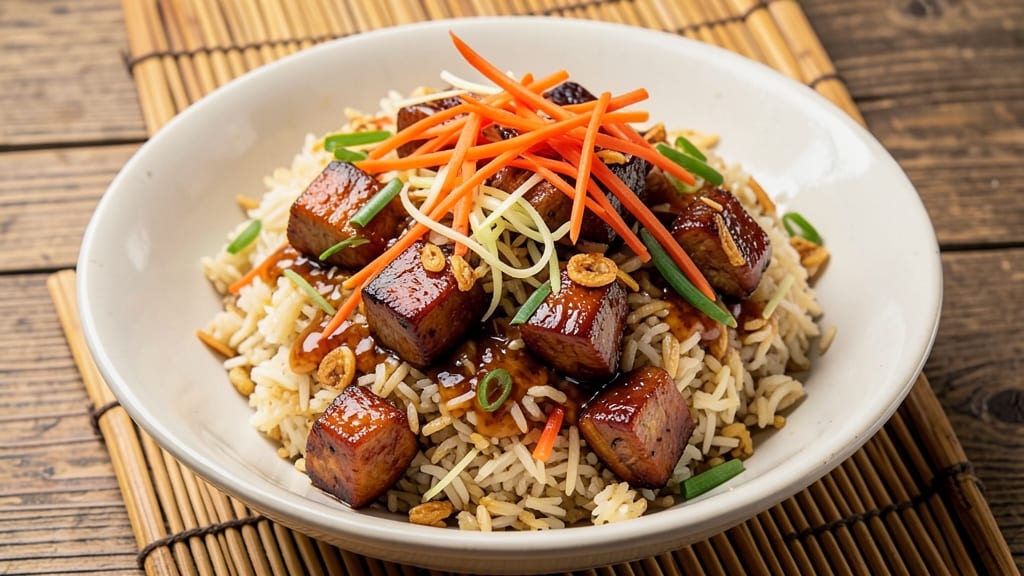
This Chinese restaurant-style pork fried rice delivers the smoky, five-spice crunch and perfectly balanced flavors you crave at home. The secret lies in using day-old rice, high-heat stir-frying, and a precise blend of soy sauce, garlic, and ginger to create that signature wok hei aroma.
I've recreated this dish after years of studying authentic techniques, ensuring every bite has the tender pork, crisp vegetables, and umami depth that make it restaurant-worthy.
What sets this recipe apart is the textural contrast—crispy edges on the pork, slightly chewy rice, and fresh vegetables that stay vibrant. The five-spice powder adds a subtle warmth, while a touch of sesame oil at the end elevates the dish to new heights.
With just a few key ingredients and proper technique, you'll achieve restaurant-quality results in your own kitchen. Let's get started on recreating this classic.
Ingredients for chinese restaurant pork fried rice
Day-old rice, smoky pork bites, and five-spice powder—this is your shortcut to wok hei magic.
| Ingredient | Amount | Notes |
|---|---|---|
| Day-Old Cooked White Rice 🍚 | 4 cups | Cold or room temperature preferred |
| Boneless Pork Shoulder 🥩 | 1 lb | Cut into 1-inch cubes, marinated optional |
| Large Eggs 🥚 | 4 whole | Beaten for stir-fry coating |
| Carrots 🥕 | 1 cup | Julienned or thinly sliced |
| Green Onions 🧅 | ½ cup | White and green parts separated |
| Fresh Ginger 🌿 | 1 tbsp | Finely minced, peeled |
| Garlic Cloves 🧄 | 6 cloves | Minced, peeled |
| Light Soy Sauce 🥫 | ⅓ cup | Low-sodium preferred |
| Dark Soy Sauce 🥫 | 1 tbsp | For color and depth |
| Sesame Oil 🫒 | 1 tbsp | Toasted for aroma |
| Vegetable Oil 🫒 | ½ cup | High smoke point |
| Five-Spice Powder 🌶️ | ½ tsp | Authentic Chinese blend |
| Salt 🧂 | ½ tsp | Kosher or sea salt |
| Black Pepper 🌶️ | ¼ tsp | Freshly ground |
The pork shoulder is your secret weapon—Costco's pre-cut cubes save time, but if you're feeling ambitious, trim the fat yourself. Look for well-marbled cuts at the butcher counter for that restaurant-style tenderness. Five-spice powder? Penzeys or Spicewalla have the best blends, but the Asian market aisle at Walmart or Target usually carries a decent version. Fresh ginger and garlic should smell vibrant, not dusty—if they do, toss them. The day-old rice is non-negotiable; fresh rice turns mushy under high heat.
No five-spice powder? Mix 1/4 tsp each of cinnamon, cloves, fennel, star anise, and black pepper—it's a pain, but works. Running out of light soy sauce? Substitute with coconut aminos, though the flavor won't be identical. The dark soy sauce is purely for color and depth—skip it if you're in a pinch, but your dish will look less impressive. Eggs? Use duck eggs if you can find them—they're richer and hold up better to high heat. The green onions? White parts cook down, green parts stay fresh—save the whites for the stir-fry and garnish with the greens at the end.
Pork cubes keep 3 days in the fridge if marinated, longer if uncooked. Five-spice powder stays potent for 6 months in a cool, dark place. Make a double batch of rice—it reheats beautifully and gives you leftovers for lunch. Store the fried rice in an airtight container with a paper towel to absorb moisture. 3-4 days in the fridge, 3 months frozen. Pro tip: Portion into single servings before freezing for easy reheats.
Why You'll Love This Recipe
- Uses Leftover Rice: I swear by this trick—day-old rice is dryer, so it doesn’t turn mushy when fried. No need to stress over perfect timing or buying special ingredients; just toss in whatever rice you’ve got.
- One-Pan Magic: Honestly, this is my go-to when I’m tired. High heat, quick stir-fry, and boom—crispy pork, silky eggs, and wok-hei (that smoky aroma) all in one pan. Minimal cleanup, maximum flavor.
- Budget-Friendly Protein: Pork shoulder is cheap, but it delivers like a steak—tender and packed with flavor. I’ll be real: it’s the kind of dish where you’re getting restaurant-quality taste without the price tag.
- Crowd-Pleaser Every Time: Between us, this is the dish I make for game nights, lazy Sundays, or when friends drop by unannounced. Kids love the eggs, adults adore the savory pork, and everyone finishes their plate.
Step-by-step instructions for Chinese restaurant-style pork fried rice
Here's how to recreate that perfect balance of smoky pork, wok-hei aroma, and five-spice crunch at home.
Prep and Cook the Pork Shoulder for Maximum Flavor
Cut the 1 lb boneless pork shoulder into 1-inch cubes—this size ensures they render fat beautifully while staying tender. In a bowl, toss the pork with 0.5 tsp five-spice powder, 0.5 tsp salt, and 0.25 tsp black pepper. Let it marinate for at least 15 minutes (up to 2 hours for deeper flavor), though even 15 minutes makes a difference.
Heat 0.25 cup vegetable oil in a wok or large skillet over medium-high heat. Once the oil shimmers, add the pork in a single layer and let it sear undisturbed for 3-4 minutes until the edges turn golden and crispy. Stir occasionally to prevent burning—you want those edges to develop a caramelized crust while keeping the interior juicy. Remove the pork and set aside, leaving the rendered fat in the pan.
Stir-Fry the Aromatics for Deep Flavor
In the same pan with the pork fat, add 0.5 cup vegetable oil (if needed) and set heat to medium-high. Add the 1 tbsp minced fresh ginger and 6 cloves minced garlic, stir-frying for 30 seconds until fragrant but not browned—ginger burns fast, so watch closely. Toss in the 1 cup julienned carrots and stir-fry for 2 minutes until they just begin to soften but still retain a slight crunch.
Here's the thing—don't overcrowd the pan. If your wok is full, work in batches. The goal is to maintain high heat for that signature wok-hei (breath of the wok) aroma. Add the white parts of 0.5 cup green onions (chopped) and stir for another 30 seconds until they wilt slightly. You're building layers of flavor here, so take your time.
Scramble the Eggs for Silky Texture
Push the aromatics to one side of the wok and pour in the 4 whole beaten eggs (use a fork to whisk them first). Let them sit for 5-10 seconds until the edges begin to set, then gently scramble with a spatula, folding the eggs as you go. You want soft, creamy curds—not dry, overcooked egg. Once mostly set but still slightly runny, mix everything together in the wok.
This is where the magic happens: the eggs coat the pork and veggies, creating that signature fried rice texture. If the eggs look dry, add 1 tablespoon water and stir quickly to loosen them. The eggs should be just set but still slightly glossy—this ensures they'll blend perfectly with the rice later.
Combine Everything with the Rice
Add the 4 cups day-old cooked white rice, breaking up any clumps with your hands first. The rice should be cold or at least room temperature—hot rice will turn mushy. Pour in 0.33 cup light soy sauce and 1 tbsp dark soy sauce, then stir-fry for 2-3 minutes on high heat. The dark soy sauce adds that beautiful mahogany color we all love in restaurant-style fried rice.
Here's where it gets fun—toss in the reserved pork and green onion tops (chopped). Stir-fry for another 2 minutes, letting the heat work its way through the rice. You're looking for rice that's heated through but still slightly separate—each grain should be distinct. If it starts to stick, add 1-2 tablespoons water and keep moving it around the wok.
Finish with Sesame Oil and Serve Immediately
Lower the heat to medium and drizzle in the 1 tbsp sesame oil, stirring constantly for 10 seconds until the aroma fills your kitchen. This final step adds that nutty, toasty depth that separates home-cooked fried rice from restaurant-quality. Taste and adjust seasoning—you might need a little more soy sauce or salt, depending on your rice's saltiness.
Serve immediately while the rice is hot and the pork is still crispy around the edges. The five-spice powder gives it that warm, slightly smoky depth you'd expect from a Chinese restaurant, while the sesame oil ties everything together. Leftovers? Reheat gently in a dry pan—microwaving makes fried rice soggy. Enjoy your homemade restaurant-style masterpiece!
Pro Tips For Making Chinese Restaurant Pork Fried Rice
- CRISP THE PORK FIRST: Thinly slice the pork shoulder before cooking it—no thicker than 1/8-inch or it’ll turn rubbery. I used to skip this, and the pork always felt chewy no matter how long I fried it. A sharp knife and a steady hand make all the difference, even if it takes a few extra minutes.
- USE COLD RICE: Grab that day-old rice straight from the fridge—it’s drier and won’t turn mushy. I learned this the hard way after making fried rice with fresh rice and ending up with a sad, gluey pile. Spread it on a tray first to cool faster if you’re short on time.
- SCRAMBLE EGGS SEPARATELY: Push the eggs to the side of the wok after cooking them—don’t mix them into the rice yet. This keeps them creamy and prevents them from turning into tiny, dry crumbles. Stir them in at the very end when everything’s hot.
- SAUTE THE ONIONS LAST: Toss in the green onions and carrots together, but pull the onions out right before serving. Their bright color and fresh bite make the dish pop, but they wilt fast if left in too long. A quick 10-second toss is all they need.
Make-ahead tips for this dish
Prep Ahead for Efficiency
Start by prepping all your ingredients the night before—this is my secret to stress-free cooking. Cut the 1 lb pork shoulder into 1-inch cubes and marinate with 0.5 tsp five-spice powder, 0.5 tsp salt, and 0.25 tsp black pepper. Store in an airtight container in the fridge.
Julienne the 1 cup carrots and separate the 0.5 cup green onions—keep the whites for cooking and save the greens for garnishing. This step takes 15 minutes but saves you 30 minutes on cook day. 💡
Rice Prep is Non-Negotiable
Cook 4 cups white rice the day before and let it cool completely. Spread it on a tray to dry out slightly—this prevents mushy fried rice. Store in an airtight container with a paper towel to absorb excess moisture.
Pro tip: If you're really ahead, freeze the rice in 1-cup portions for quick reheating later. Just thaw overnight in the fridge before using. The texture difference is night and day! ❄️
Pork Cooking Shortcut
Save time by cooking the pork the night before. Sear the cubes as directed, then finish cooking in the oven at 350°F for 15-20 minutes until fully done. Let cool completely, then store in the fridge.
When you're ready to make fried rice, simply reheat the pork in the wok with a splash of water to revive those crispy edges. This two-stage cooking method keeps the pork tender and flavorful without drying out. 🥩
Egg Prep for Perfect Texture
Beat the 4 eggs the night before and store in the fridge. When you're ready to cook, whisk again briefly to combine. This ensures silky, creamy eggs that blend perfectly with the rice.
For extra insurance, add 1 tbsp water to the beaten eggs before cooking—they'll stay moist longer under high heat. Trust me, this small step makes a huge difference in the final texture. 🥚
Flavor Base Assembly
Mix your sauces and aromatics ahead of time to streamline cooking day. Combine 0.33 cup light soy sauce, 1 tbsp dark soy sauce, and 1 tbsp sesame oil in a small bowl. Mince the 1 tbsp ginger and 6 garlic cloves together and store in a separate container.
This prep takes 10 minutes but makes the actual cooking process feel like a breeze. The flavors meld beautifully overnight too. 🌿
Reheating Leftovers Like a Pro
If you end up with leftovers (and you will), store them in airtight containers with a paper towel to absorb moisture. Reheat in a dry skillet over medium heat with 1 tbsp oil and 1 tbsp water per serving, stirring constantly for 3-4 minutes.
This method revives the crispiness and prevents sogginess. For frozen portions, thaw overnight in the fridge first, then reheat as directed. Your fried rice will taste almost as good as fresh! 🔥
Nutrition facts
Frequently asked questions
Why does the recipe call for day-old rice instead of fresh?
Day-old rice is essential because fresh rice contains too much moisture and turns mushy when stir-fried. The slightly dried-out grains absorb the flavors better and create that perfect separate-grain texture you get in restaurants. Spread cooked rice on a tray to cool for 1-2 hours if you don't have leftovers, or refrigerate overnight. This small step makes all the difference!
Can I substitute chicken or shrimp for the pork?
For chicken, use 1 lb boneless thighs or breasts cut into 1-inch pieces, but cook them separately first until just done (they won't need the extra oven time like pork). Shrimp should be peeled, deveined, and cooked through before adding to the fried rice. The cooking time changes slightly, but the technique remains the same. Just adjust seasoning to taste afterward.
What's the secret to getting that restaurant-style wok hei aroma?
Wok hei (breath of the wok) comes from high heat, proper oil, and quick cooking. Use a wok or large skillet, keep the heat at medium-high to high, and avoid overcrowding. The rendered pork fat and sesame oil at the end also contribute to that smoky aroma. Work in batches if needed, and don't rush the stir-frying—patience is key!
How do I fix fried rice that's too dry or too saucy?
For dry rice, add 1-2 tablespoons water or chicken broth and stir-fry for another 30 seconds. If it's too saucy, remove from heat and let it sit for 1 minute to thicken, or spread it on a tray to evaporate excess moisture. The key is balance—taste as you go! For extra insurance, use low-sodium soy sauce and adjust to preference.
Can I make this dish gluten-free?
Yes, but you'll need to substitute the soy sauces. Use 3 tbsp gluten-free tamari or coconut aminos (for light soy) plus 1 tbsp gluten-free dark soy sauce substitute (like gluten-free oyster sauce). The flavor won't be identical, but it'll still be delicious. Also check your five-spice powder for gluten-containing additives. Always taste and adjust seasoning afterward.