
Main Courses
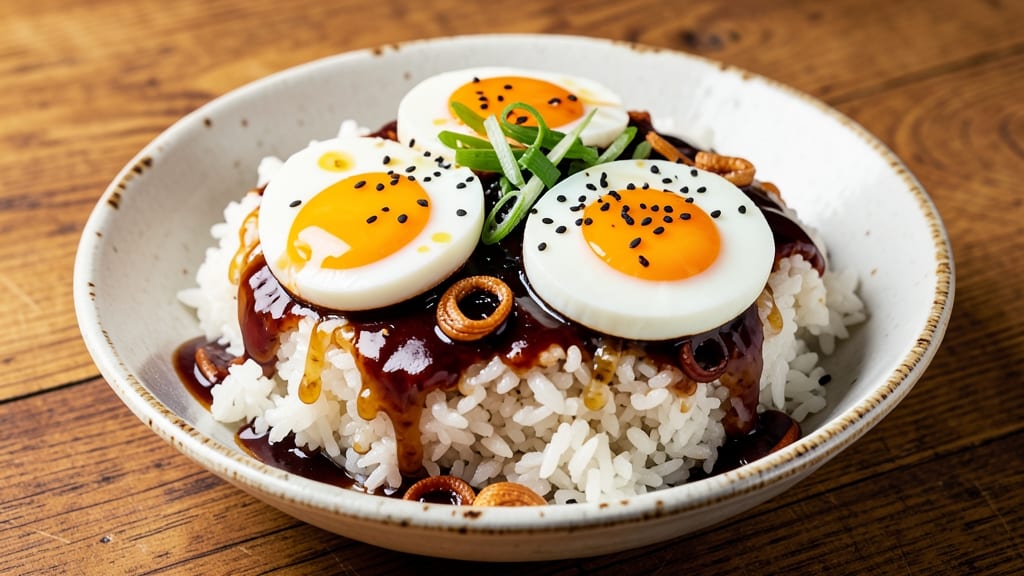
This Chinese puff rice recipe transforms simple rice into crunchy clouds that balance perfectly with tender scrambled eggs and fresh toppings. The secret lies in steaming and frying the rice just right—creating those signature light, airy pockets that stay crispy even after assembly.
I developed this version after years of perfecting the texture, ensuring every bite delivers that satisfying contrast between fluffy rice and savory egg.
The process starts with short-grain rice that’s steamed until perfectly tender, then fried in small batches to achieve that signature puffed texture. A simple soy-based dressing ties everything together, while scrambled eggs add protein and richness.
What makes this dish special is how customizable it is—swap in vegetables, proteins, or dressings to fit your taste.
By the time you’re done, you’ll have a vibrant, textured dish that’s as satisfying as it is visually appealing. The rice stays crispy at the edges while remaining light in the center, and the eggs add a creamy, savory element that balances the dish.
It’s the kind of recipe that feels both nostalgic and fresh, perfect for weeknight dinners or special gatherings.
This version keeps the traditional elements while offering flexibility—ideal for those who love classic flavors with a modern twist. Ready to create your own crispy cloud dish? Let’s get started with the step-by-step instructions.
Ingredients for chinese puff rice
Pantry staples and fresh ingredients create these signature crunchy clouds with tender eggy goodness.
| Ingredient | Amount | Notes |
|---|---|---|
| Short-Grain White Rice 🍚 | 1 cup | Uncooked, jasmine or sushi rice preferred |
| Large Eggs 🥚 | 6 whole | Fresh, room temperature for scrambling |
| Vegetable Oil 🫒 | ½ cup | High smoke point for frying |
| Soy Sauce 🍶 | 3 tbsp | Light or regular, low-sodium preferred |
| Sesame Oil 🥜 | 1 tbsp | Toasted, for aroma and depth |
| Rice Vinegar 🍶 | 1 tbsp | White or seasoned, for tang |
| Granulated Sugar 🍚 | 1 tsp | For balancing flavors |
| Green Onions 🧅 | 4 whole | Thinly sliced, for garnish |
| Salt 🧂 | ½ tsp | Diamond Crystal preferred |
| Black Pepper 🌶️ | ¼ tsp | Freshly ground for heat |
| Sesame Seeds 🥜 | 1 tbsp | Toasted, for crunchy texture |
| Water 💧 | 1 ½ cups | Filtered or spring water |
The rice is everything here—jasmine or sushi rice gives that perfect sticky texture. Trader Joe's or Asian markets carry the best quality, but any short-grain works. Look for grains that stay firm when cooked—they’ll puff beautifully. Eggs should be fresh and cold when you start scrambling, then brought to room temp. The oil? Vegetable or canola with a high smoke point is key—avoid olive oil, it’ll burn. For extra crispiness, use a wok or cast-iron skillet—heat distribution matters more than you’d think.
No sesame oil? Toasted peanut oil works in a pinch, though the flavor won’t be identical. Short on rice vinegar? Apple cider vinegar at half the amount gives similar tang. The sugar balances the soy—skip it if you prefer savory-only. For the eggs, low and slow is better than fast and scrambled. If you’re short on time, microwave scrambled eggs (yes, really) in 30-second bursts with a splash of water. The green onions? Substitute chives or cilantro if that’s what’s in your fridge. And if you’re feeling fancy, add a soft-boiled quail egg on top for extra drama.
Rice keeps 3 days in the fridge if stored airtight, but honestly it’s best fresh. The dressing? Makes just enough for 4 servings—double it if you’re serving a crowd. For leftovers, reheat gently in a dry skillet to restore crispiness. Freezing isn’t recommended—the rice loses its signature crunch. If you’re prepping ahead, make the dressing first and store it separately. The eggs are best made fresh, but you can pre-chop veggies and store them for quick assembly later.
Why You'll Love This Recipe
- Puffs in Minutes: I swear, this is the kind of recipe where you can have dinner on the table faster than you can say "sesame oil." Just steam the rice, scramble the eggs, and toss everything together—no fancy techniques, just hot oil and a quick flip.
- Umami Bomb: That first bite? The crispy rice, the savory soy-kissed edges, the faintest hit of nutty sesame—it’s like a flavor party in your mouth. Honestly, the eggs add this rich, custardy pull that makes it impossible to stop eating.
- Lunchbox Hero: Between us, this is my go-to for packed lunches. Cold or reheated, it’s still solid—just add a quick stir-fry or some veggies, and boom, you’ve got a meal that’ll actually get eaten. (Yes, even on a Tuesday night.)
- Pantry Staple: Short-grain rice, eggs, and a splash of soy sauce? You’re already halfway there. It’s cheap, it reheats like a dream, and a single batch feeds my family for days. Not the prettiest, but the taste makes up for it every time.
Step-by-step instructions for crunchy clouds with eggy protein twist
Here's how to transform simple rice into light, airy puffs with a perfect eggy protein twist.
Prepare the Rice for Perfect Puffing
Rinse the 1 cup short-grain white rice under cold water until the water runs clear—this removes excess starch that would make the rice gummy. Drain well and transfer to a small saucepan with the 1.5 cups water. Bring to a boil over medium-high heat, then immediately reduce to a simmer. Cover and cook for exactly 12 minutes—no longer, or the rice will overcook and lose its ability to puff.
After 12 minutes, turn off the heat and let the rice sit covered for 5 minutes. This resting period allows the steam to redistribute, ensuring each grain is perfectly cooked and ready to expand dramatically when steamed again. The rice should be tender but still slightly firm to the tooth—it will become fluffy and light when puffed.
Create the Eggy Protein Mixture
In a large bowl, whisk together the 6 large eggs until the yolks and whites are fully combined and the mixture is pale yellow. Add the 3 tablespoons soy sauce, 1 tablespoon sesame oil, 1 tablespoon rice vinegar, 1 teaspoon granulated sugar, 0.5 teaspoon salt, and 0.25 teaspoon black pepper. Mix gently until just combined—overmixing incorporates too much air, which can prevent proper puffing.
Here's the thing—this mixture needs to be room temperature for even cooking. If your eggs are straight from the fridge, let them sit in warm water for 5 minutes before mixing. The warmth helps the eggs emulsify better with the oil, creating a smoother, more stable batter that will coat the rice evenly during frying.
Fry the Rice in Hot Oil
Heat the 0.5 cup vegetable oil in a wok or deep skillet over medium-high heat until it reaches 350°F—use a thermometer for precision. Working in batches (you'll need two rounds), add about ¼ cup of the cooked rice to the hot oil. Stir gently with a spatula, letting the rice absorb the oil and begin to puff. This should take about 30 seconds per batch—don't rush it, or the rice will burn before puffing.
You'll know it's ready when the rice expands to 3-4 times its original size and turns a pale golden color. Remove from heat immediately and drain on paper towels. If the rice sticks together, it means the oil wasn't hot enough—next time, wait until the oil is properly heated before adding the rice. The goal is light, airy puffs that hold their shape.
Combine with Egg Mixture
Return all the fried rice to the wok and add the egg mixture. Stir vigorously over low heat for 1-2 minutes until the eggs begin to set but are still slightly runny. This creates that signature eggy coating that makes this dish so satisfying. The residual heat from the rice will help cook the eggs without scrambling them completely.
Watch the color carefully—you want the eggs to just set and turn a pale golden hue, not brown. If it starts to look too dry, add 1-2 tablespoons of hot water to loosen the mixture. The perfect consistency should be like a thick, creamy omelet that clings to each puff of rice. Remove from heat immediately to prevent overcooking.
Garnish and Serve Immediately
Transfer the puff rice to a serving platter and sprinkle with the 1 tablespoon toasted sesame seeds and thinly sliced 4 green onions. The sesame seeds add a nutty crunch while the green onions bring a fresh, bright contrast to the rich eggy flavor. Serve immediately while the rice is still hot and the eggs are creamy—this dish doesn't reheat well.
For the best experience, serve with a side of steamed vegetables or a simple cucumber salad to cut through the richness. Each bite should deliver that magical combination of light, airy rice, creamy eggs, and a satisfying crunch from the sesame seeds. The secret lies in the precise timing of cooking the rice just right and frying it at the perfect temperature—once you master that, you'll have this dish down every time.
Pro Tips For Making Chinese Puff Rice
- STEAM THE RICE DRY: Cook your short-grain rice until it’s just tender—about 90% done—then spread it on a tray to dry in the fridge for 20 minutes. Cold, dry rice puffs dramatically better when fried; I learned this after my first batch turned into sad, sticky clumps.
- CRACK EGGS INTO COLD WATER: Beat eggs with 2 tablespoons cold water before cooking—this keeps them light and prevents greasy scrambled bits. My grandmother swore by this, and it’s the only way I’ve gotten eggs that stay fluffy and separate properly in the final dish.
- USE HIGH HEAT FOR FRIED RICE: Get your wok or pan screaming hot before adding oil—no half-measures. Short-grain rice needs that initial shock of heat to puff instantly, or you’ll end up with a dense, uneven mess. (Yes, even if you’re impatient like me.)
- SAVE TIME WITH PRE-CUT GREEN ONIONS: Buy pre-chopped green onions and store them in the fridge in a sealed container—no chopping mid-recipe. Toss them in at the very end with sesame oil; they’ll wilt just enough to add freshness without overpowering the dish. (Your future self will thank you.)
Pro cooking tips for this dish
Temperature Precision
The oil temperature is everything—350°F is non-negotiable for perfect puffing. I use a ThermoWorks Type K Thermometer to monitor it because woks heat unevenly. If the oil is too cool, the rice will absorb too much and turn greasy; too hot, and it’ll burn before puffing.
Let the oil recover between batches—drop the temperature 10°F after each round to maintain consistency. 🌡️
Batch Control
Never overload the pan! Work in ¼ cup batches of rice to ensure even cooking and proper expansion. Crowding the pan steams the rice instead of frying it, resulting in soggy, unpuffed grains.
I use a 12-inch cast-iron skillet for this recipe—its heavy base maintains stable heat better than nonstick. Stir gently but constantly to prevent sticking and promote even puffing.
Egg Temperature Matters
Room-temperature eggs scramble evenly, while cold eggs create uneven textures. I place my eggs in a bowl of 100°F water for 5 minutes before mixing—this ensures a silky, consistent coating on the puffed rice.
Overmixing the egg mixture incorporates too much air, which can prevent proper puffing. Mix just until combined, then let it rest for 2 minutes before adding to the rice.
Low-and-Slow Egg Cooking
Heat is your enemy here—cook the egg mixture over low heat for 1-2 minutes max. The residual heat from the fried rice will finish cooking the eggs without scrambling them completely.
If the mixture looks too dry, add 1 tbsp hot water to maintain that creamy, omelet-like consistency. Remove from heat immediately when the eggs just set—they’ll continue cooking slightly from residual heat.
Resting the Rice
That 5-minute rest after cooking the rice is critical—it allows steam to redistribute, ensuring even puffing when fried. Skipping this step can result in uneven expansion or gummy texture. I cover the rice with a damp towel to trap steam during resting.
For extra crispiness, spread the fried rice on a wire rack for 1 minute before combining with eggs—this removes excess surface moisture that can make the final dish soggy.
Nutrition facts
Frequently asked questions
Why does my puffed rice turn out greasy instead of crispy?
The oil temperature is key—350°F is ideal. If the oil is too cool, the rice absorbs too much fat. Use a thermometer and work in ¼ cup batches to prevent overcrowding. Also, drain fried rice on paper towels to remove excess oil before adding eggs.
Can I make this dish ahead of time?
Fresh is best, but you can prep components separately. Cook the rice and fry it, then store in an airtight container for 3 days. Reheat gently in a dry skillet to restore crispiness. Make the egg mixture fresh—it doesn’t reheat well. Assemble just before serving for maximum texture.
What’s the best rice for puffing?
Short-grain jasmine or sushi rice works best—it’s sticky enough to hold its shape when puffed. Avoid long-grain varieties like basmati, as they won’t expand properly. Rinse the rice thoroughly before cooking to remove excess starch that can make it gummy.
How do I fix undercooked eggs in the mixture?
If the eggs seem too runny, return the skillet to low heat for 30 seconds more, stirring constantly. Avoid high heat—it’ll scramble the eggs instead of setting them gently. For extra insurance, add 1 tbsp hot water to loosen the mixture if it gets too thick.
What are some protein swaps for the eggs?
Try shredded chicken, tofu, or even diced ham for a different twist. For seafood lovers, add cooked shrimp or crab meat. Just ensure your protein is fully cooked before mixing—raw ingredients won’t heat through properly in this dish.