
Main Courses
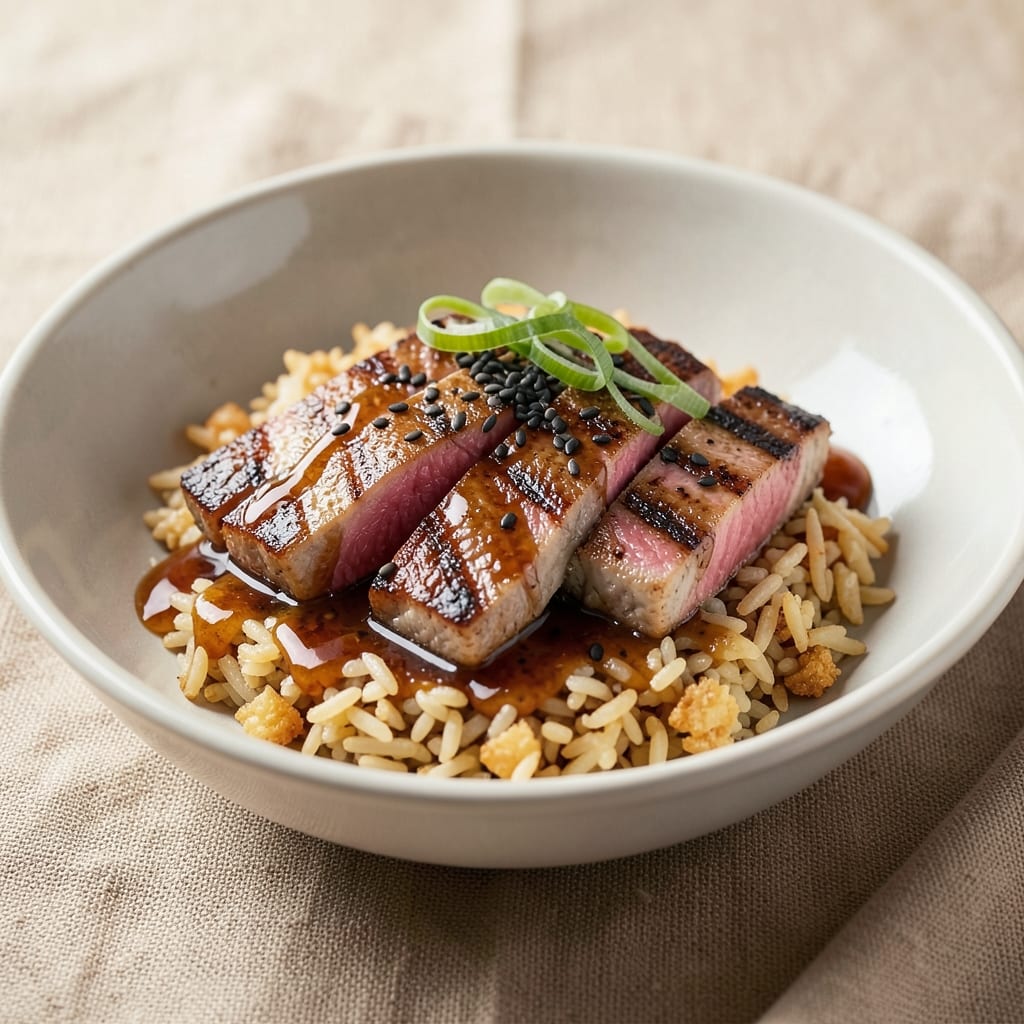
This ahi tuna crispy rice recipe transforms Hawaiian flavors into a restaurant-worthy dish with perfect balance—silky, seared tuna meets smoky sesame rice that crackles with every bite. The secret lies in high-heat searing for tender protein and a crispy rice base that holds its shape, all tied together with a teriyaki-soy glaze. I developed this after years of perfecting textures, ensuring the rice stays crispy while the tuna remains juicy and flavorful.
What sets this dish apart is the fusion of traditional Hawaiian influences with modern twists—think sesame oil for nutty depth, a touch of spicy mayo for heat, and optional avocado mash for creaminess. The recipe delivers a satisfying contrast: the crispy rice provides structure, while the ahi tuna adds delicate, buttery richness. It’s a complete dish that feels both elegant and approachable, perfect for weeknight dinners or special occasions.
The process is straightforward but requires attention to detail—searing the tuna just until medium-rare ensures it stays tender, while frying the rice in sesame oil creates that coveted crunch. The teriyaki glaze adds a sweet-savory balance, and a final sprinkle of sesame seeds elevates the plating. This isn’t just another sushi-inspired dish; it’s a foolproof method for achieving restaurant-quality results at home.
Serve with pickled ginger for brightness or a drizzle of sriracha mayo for extra kick. The combination of textures and flavors makes this dish unforgettable—crispy, silky, and packed with umami. Let’s get cooking!
Ingredients for ahi tuna crispy rice
Restaurant-quality textures start with these Hawaiian-inspired ingredients—crispy rice meets silky tuna.
| Ingredient | Amount | Notes |
|---|---|---|
| Ahi Tuna Steaks 🐟 | 1 ½ lb | Center-cut, 1-inch thick slices |
| Jasmine Rice 🍚 | 2 cups | Uncooked, long-grain preferred |
| Sesame Oil 🫒 | ½ cup | Toasted, for frying |
| Soy Sauce 🥢 | ⅓ cup | Low-sodium preferred |
| Mirin 🍶 | ¼ cup | Sweet rice wine |
| Sesame Seeds 🌾 | ¼ cup | Toasted, for garnish |
| Spicy Mayo 🥫 | ¼ cup | Store-bought or homemade |
| Avocado 🥑 | 1 whole | Ripe, for optional mash |
| Garlic Cloves 🧄 | 6 cloves | Minced, for teriyaki glaze |
| Ginger 🌿 | 2 tbsp | Fresh, grated |
| Olive Oil 🫒 | 2 tbsp | For searing tuna |
| Salt 🧂 | 1 ½ tsp | Kosher, for seasoning |
| Black Pepper 🌶️ | 1 tsp | Freshly ground |
| Pickled Ginger 🍈 | ¼ cup | For serving |
| Sriracha 🌶️ | 1 tbsp | Optional, for drizzle |
The ahi tuna is non-negotiable for this dish—center-cut, 1-inch thick slices ensure perfect searing without overcooking. Look for sushi-grade at Whole Foods or your local seafood market; it should be vibrant red with minimal bruising. Trader Joe's carries excellent pre-sliced options if you're short on time. For the rice, jasmine is ideal—its slightly floral notes complement the smoky sesame. If you can't find it, long-grain white rice works in a pinch, though the texture won't be identical. The toasted sesame oil is crucial; avoid the cheap, flavorless kind—Kadoya or La Choy are reliable brands. Toast your own seeds by dry-toasting in a pan for 2-3 minutes until fragrant.
No mirin? Substitute equal parts sugar and water, though the dish will lose some depth. Fresh ginger is best, but powdered at half the amount works if you're in a hurry. The spicy mayo can be store-bought (like Hellmann's Spicy) or homemade with mayo, sriracha, and a pinch of sugar. For the avocado mash, ripe Hass avocados are essential—underripe ones turn mushy when mashed. If you're avoiding avocado, mashed sweet potato adds creaminess without altering the dish's integrity. The teriyaki glaze should be reduced to a syrupy consistency; simmering it until slightly thickened ensures it coats the rice beautifully.
Store cooked rice in an airtight container with a paper towel pressed on top to prevent sogginess—keeps for 3 days in the fridge. The tuna should be cooked to order; if pre-searing, store it in the freezer for up to 2 months and reheat gently. Sesame seeds lose their crunch over time, so toast fresh before serving. For meal prep, assemble the dish just before eating—the crispy rice loses its texture when reheated. The pickled ginger and sriracha mayo can be made a day ahead, though the avocado mash is best added fresh to maintain its vibrant green color.
Why You'll Love This Recipe
- One-Pan Magic: I swear by this for lazy nights—just sear the tuna, toss in the rice with sesame oil and mirin, and let it all crisp up together. No chopping, no extra bowls, just one pan that does all the work while you sip your drink.
- Umami Bomb: That combo of soy, mirin, and a quick sear on the tuna? It’s like a flavor explosion in your mouth. The rice soaks up the richness, and the crispy edges make every bite worth it—no sad, dry grains here.
- Weeknight to Date Night: Same recipe, totally different vibes. Serve it with a simple salad for a no-fuss weeknight dinner, or add a drizzle of spicy mayo and edible flowers for a restaurant-worthy plate. Honestly, it’s my go-to for when I don’t want to overthink it.
- Leftovers That Don’t Suck: Most crispy rice turns into mush the next day, but not this. The tuna stays tender, the rice holds its shape, and the sesame oil keeps everything tasting fresh. I meal prep this all the time—just reheat and enjoy, no sad textures.
Step-by-step instructions for ahi tuna crispy rice
Master this balance of smoky sesame rice and perfectly seared tuna with precise timing and technique.
Prepare the Teriyaki Glaze and Season the Tuna
In a small saucepan, combine the 0.33 cup soy sauce, 0.25 cup mirin, 6 cloves minced garlic cloves, and 2 tbsp grated ginger. Bring to a gentle simmer over medium heat and reduce by half—about 5-7 minutes—until the mixture thickens slightly and coats the back of a spoon. The aroma will deepen as it reduces, signaling the flavors are melding perfectly.
While the glaze simmers, pat the 1.5 lb ahi tuna steaks completely dry with paper towels. Season both sides generously with 1.5 tsp salt and 1 tsp black pepper, pressing the seasoning into the flesh to ensure even distribution. Let the seasoned tuna sit at room temperature for 15 minutes—this ensures even cooking and prevents overcrowding the pan later.
Cook the Jasmine Rice to Crispy Perfection
Rinse the 2 cups jasmine rice thoroughly under cold water until the water runs clear, then drain well. In a large skillet, heat 2 tbsp olive oil over medium-high heat until shimmering. Add the drained rice in an even layer and toast for 2-3 minutes, stirring constantly, until the grains turn translucent at the edges and release a nutty aroma.
Pour in 3 cups water (or follow package instructions) and bring to a boil. Once boiling, reduce heat to low, cover tightly with a lid, and simmer for 15 minutes without disturbing. After 15 minutes, remove the lid and increase heat to medium-high, spreading the rice in the pan to expose all surfaces to direct heat. Let it crisp for 5-7 minutes, stirring occasionally, until the edges are deep golden brown and the grains are firm to the bite. This crispy texture is what transforms ordinary rice into the star of the dish.
Sear the Tuna and Assemble the Dish
Heat 0.5 cup sesame oil in a clean skillet over high heat until it reaches 350°F—test with a drop of water that sizzles and evaporates instantly. Working quickly, add the seasoned tuna steaks and sear for 1 minute per side for medium-rare (or 1.5 minutes per side for medium). The edges should be deeply caramelized, and the center should remain vibrant pink with a slight resistance when pressed gently with tongs.
Remove the tuna from the pan and let it rest on a wire rack for 5 minutes—this crucial step prevents the juices from escaping when sliced. While the tuna rests, drizzle the reduced teriyaki glaze evenly over the crispy rice, tossing gently to coat. Sprinkle 0.25 cup toasted sesame seeds over the rice and mix lightly to distribute.
Plate with Garnishes and Serve Immediately
Slice the rested tuna into ½-inch thick pieces against the grain. Arrange the crispy rice on a platter, then place the tuna slices on top. Drizzle with an additional 1 tbsp sriracha if desired, and garnish with 0.25 cup pickled ginger and 1 whole avocado, sliced or mashed for a creamy contrast. The pickled ginger adds a bright, tangy counterpoint to the rich tuna and smoky rice.
Serve immediately while the rice is still crisp and the tuna retains its perfect sear. Each bite should deliver a harmony of textures—crunchy rice, silky tuna, and the umami depth of the teriyaki glaze. For an extra touch, offer 0.25 cup spicy mayo on the side for dipping or drizzling over the dish.
Pro Tips For Making Ahi Tuna Crispy Rice
- SEAR THE TUNA HOT: Ahi tuna needs a screaming-hot pan—think 450°F if your stove lets you—to get that perfect crust in under 2 minutes per side. I learned this the hard way when my first batch turned out gray and rubbery; now I preheat the pan for 5 minutes and add just enough sesame oil to coat the bottom before the tuna hits the metal.
- USE COLD RICE: Your jasmine rice should be stone cold before mixing with the soy-mirin glaze. Warm rice turns mushy when tossed—trust me, I’ve made that mistake. Spread the cooked rice on a tray and pop it in the freezer for 10 minutes, or chill it in the fridge for 20. The contrast makes all the difference when you fold in the tuna later.
- SALT THE TUNA TWICE: Season the tuna steaks generously with kosher salt right after patting them dry, then let them sit uncovered for 10 minutes. After searing, give them another light dusting—this two-step process keeps the surface crispy without over-salting the inside. (Yes, it sounds excessive, but it works every time.)
- TOSS RICE WITH WET HANDS: When mixing the rice with the soy-mirin-sesame glaze, wet your hands first. The rice will clump like glue if your fingers are dry, and you’ll end up with a sad, uneven pile. A quick dip in water keeps the grains loose and ensures the glaze coats evenly—no sticky messes here.
Common mistakes when making this dish
Overcooking the Tuna
One of the biggest mistakes is overcooking the ahi tuna, which turns it dry and chewy instead of silky. I’ve ruined many batches by leaving it in the pan too long—medium-rare is key (internal temp of 125°F). Use a meat thermometer to avoid guesswork. For 1-inch thick steaks, sear for 1 minute per side max—any longer and you’ll lose that melt-in-your-mouth texture. 🔥
Underseasoning the Rice
The crispy rice needs more than just teriyaki glaze to shine. I’ve made the mistake of assuming the sauce alone would carry the flavor, but the rice itself needs a salt boost. After toasting the rice, sprinkle ½ tsp salt into the pan before adding water—this enhances the natural nuttiness and prevents blandness. Taste as you go; adjust with extra soy sauce or a pinch of Penzeys’ furikake for depth.
Skipping the Resting Time
Rushing to slice the tuna immediately after searing is a classic error. Without resting, the juices escape, leaving you with a dry, tough piece. Let it rest for 5 minutes on a wire rack—this step is non-negotiable. I once sliced mine too soon and ended up with a sad, stringy result. Trust the process; patience here makes all the difference. ⏱️
Using Low-Quality Sesame Oil
Cheap sesame oil lacks the rich, nutty flavor needed for this dish. I’ve used the generic bottle from the back of the pantry, and the results were disappointing—the rice tasted flat. Invest in Kadoya or La Choy toasted sesame oil (or toast your own seeds). For frying, use light sesame oil—it has a higher smoke point and won’t burn. Reserve the toasted oil for drizzling at the end.
Overcrowding the Pan
Trying to cook multiple tuna steaks at once in a small pan is a recipe for disaster. The heat drops, and the tuna steams instead of searing. Cook one steak at a time in a 12-inch cast-iron skillet (like Lodge) for even heat distribution. If you’re serving four, plan for two batches—it’s worth the extra time to get that perfect crust. 🍳
Ignoring the Rice Texture
Many home cooks stop at steamed rice, but this dish demands crispy edges. After simmering, spread the rice in the pan and dry-fry it on medium-high heat for 5-7 minutes. If the rice sticks or turns mushy, you’ve either added too much water or didn’t toast it long enough. Jasmine rice is your best bet—its starch content holds up better to crisping than basmati or short-grain varieties.
Nutrition facts
Frequently asked questions
Can I substitute white rice for jasmine rice in this recipe?
You can try it, but jasmine rice is ideal for its slightly floral notes and ability to crisp up beautifully. For a substitute, use long-grain white rice—it won’t be identical, but it’ll still work. If you want extra crispiness, spread the cooked rice on a baking sheet and broil for 2-3 minutes after cooking. Just don’t use short-grain rice like sushi rice; it’ll turn mushy.
How do I keep the crispy rice from getting soggy?
The key is to cook it just before serving and avoid reheating. If you need to prep ahead, cook the rice al dente (about 12 minutes instead of 15), spread it on a tray to cool, then refrigerate in an airtight container with a paper towel pressed on top. Re-crisp it in a dry pan over medium-high heat for 3-4 minutes before assembling. Never add extra water when reheating!
What’s the best way to test if the ahi tuna is cooked perfectly?
Use a meat thermometer for accuracy—125°F for medium-rare is ideal. If you don’t have one, press gently with tongs: the edges should be firm, and the center should still feel slightly springy. For 1-inch thick steaks, 1 minute per side on high heat is your target. Overcooking turns it dry, while undercooking risks food safety issues.
Can I make this dish ahead of time?
Only the components—prep the teriyaki glaze, cook the rice al dente, and sear the tuna separately. Store them in airtight containers: rice for 3 days (re-crisp before serving), tuna for 2 days (reheat gently), and glaze for 1 week. Assemble everything fresh to preserve textures. The avocado and pickled ginger should always be added last.
What’s the secret to getting that smoky sesame flavor?
Toast your own sesame seeds in a dry pan for 2-3 minutes until fragrant, then sprinkle them over the rice while it’s still hot. Use toasted sesame oil (not the light variety) for frying and drizzle a little extra at the end. For deeper smokiness, add ½ tsp smoked paprika to the teriyaki glaze. The combination of toasted seeds, oil, and a pinch of gochujang (Korean chili paste) takes it to the next level.