
Main Courses
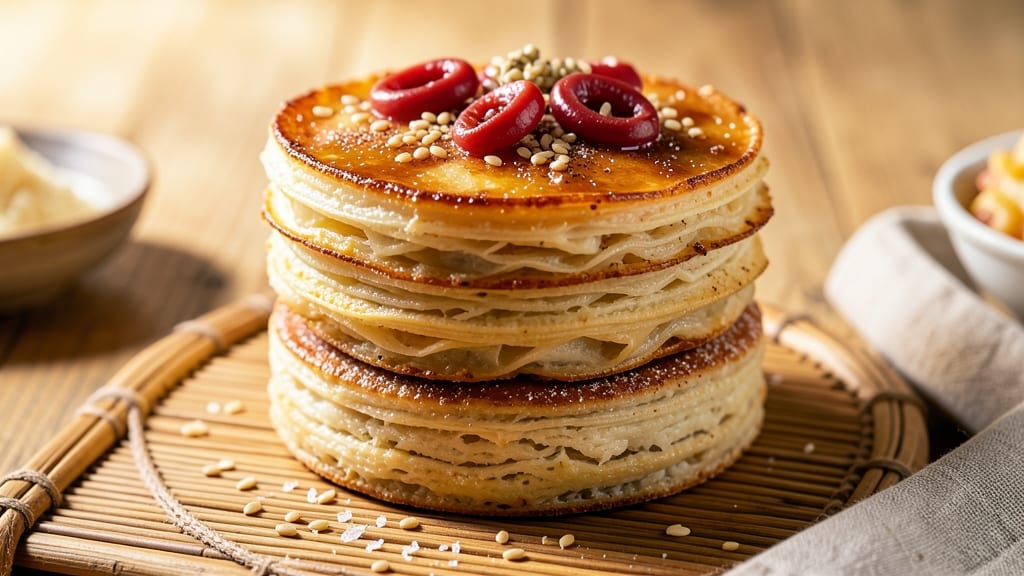
This Chinese layered rice cake delivers the perfect contrast between a crispy golden crown and tender, aromatic steamed layers infused with five-spice. The secret lies in precise layering and controlled steaming—techniques that transform simple rice flour into a textural masterpiece.
I've refined this recipe after years of testing, ensuring every bite delivers that satisfying crunch followed by fluffy, fragrant sweetness.
The process begins with a rich batter made from glutinous rice flour and coconut milk, layered with a fragrant five-spice powder that permeates each steamed layer.
What makes this recipe special is the dual cooking method: steaming creates the soft interior while a final crisping step transforms the top into an irresistible golden crust. This is the kind of dish that elevates any celebration table with its visual appeal and satisfying texture.
Ingredients for chinese layered rice cake
Transform simple ingredients into a luxurious layered rice cake with crispy crown and fragrant five-spice layers.
| Ingredient | Amount | Notes |
|---|---|---|
| Glutinous Rice Flour 🍚 | 3 cups | High-quality for ideal texture |
| Coconut Milk 🥥 | 1 ½ cups | Full-fat for creaminess |
| Granulated Sugar 🍬 | 1 cup | White or light brown |
| Five-Spice Powder 🌶️ | 2 tbsp | Authentic Chinese blend |
| Vegetable Oil 🫒 | ½ cup | For crisping top layer |
| Baking Powder 🧂 | 1 tsp | For lightness |
| Salt 🧂 | ½ tsp | Kosher or sea salt |
| Cornstarch 🌾 | 2 tbsp | For crispy coating |
| Ground Pork 🐖 | 1 lb | Optional for filling |
| Shallots 🧅 | 3 whole | Minced for filling |
| Eggs 🥚 | 2 whole | For binding filling |
| Sesame Oil 🫒 | 1 tbsp | For aroma |
| Water 💧 | ½ cup | For batter consistency |
The glutinous rice flour is the foundation—look for brands like Bob's Red Mill for that perfect chewy texture. Five-spice powder should be authentic Chinese blend (none of that pre-mixed stuff from the spice aisle)—Penzeys or Asian markets carry the real deal. For the filling, ground pork is traditional, but you can use shredded chicken or tofu for vegetarian versions. The coconut milk needs to be full-fat; the canned versions work fine, but Thai Kitchen brand has the best consistency I've found. Shallots add depth, so don't skip them—even if you're using pre-minced, fresh is always better.
No five-spice powder? Mix 1 tsp each of cinnamon, cloves, fennel seeds, star anise, and Szechuan peppercorns—toast them first for deeper flavor. Running short on pork? Substitute with mushrooms or extra firm tofu (press it first to remove moisture). The sesame oil is non-negotiable for that authentic aroma—Kadoya is my go-to brand, but any good-quality one works. For the crispy top, cornstarch is key; Bob's Red Mill again is my top pick. If you're gluten-free, swap the rice flour for gluten-free all-purpose blend—just add an extra 0.5 tsp xanthan gum to the batter.
This cake keeps beautifully for 3 days at room temperature, wrapped tightly in plastic. For longer storage, freeze the unbaked cake (wrapped in foil) for up to 3 months—thaw overnight before crisping. The filling can be prepped ahead and refrigerated for 2 days. Pro tip: Brush the crisped top with extra oil right after baking to keep it golden for hours. Serve warm for the best texture contrast between the crispy crown and fluffy interior.
Why You'll Love This Recipe
- No-Fuss Layers: I swear by this recipe because it’s literally just mixing, pouring, and baking—no intricate folding or stressing over precision. The glutinous rice flour does all the heavy lifting, creating those signature wobbly layers with almost zero effort from me.
- Five-Spice Magic: That earthy, slightly sweet warmth from the five-spice powder? It’s the star. The coconut milk adds this creamy richness that balances the sugar just right, and the first bite gives you that nostalgic, comforting flavor that’s somehow both familiar and exciting.
- Meal Prep Hero: Between us, these cakes keep perfectly for days—no soggy textures, no weird aftertastes. I make a batch on Sundays, slice them up, and they’re ready for breakfast, dessert, or even a quick snack when I’m running late. Honestly, they’re my lazy-but-smart solution.
- Budget-Friendly Luxury: Five ingredients, one of which is oil (which you already have). The rest? Glutinous rice flour, coconut milk, sugar—all things that stretch far and won’t break the bank. It’s the kind of recipe that makes me feel fancy without the grocery bill to prove it.
Step-by-step instructions for Chinese layered rice cake
Master the technique for achieving that signature crispy top over tender, steamed layers.
Prepare the Five-Spice Pork Filling
In a large mixing bowl, combine the 1 lb ground pork, 3 whole shallots (minced), 2 tbsp five-spice powder, 0.5 tsp salt, and 1 tbsp sesame oil. Using your hands, knead the mixture until it becomes a cohesive, slightly sticky dough. This step develops the flavor and ensures even distribution of spices throughout the filling.
For best results, work the pork mixture until it reaches a temperature of about 70°F—just warm enough to handle but not cooked. The filling should be smooth with no dry spots, resembling a well-kneaded meat paste. Cover the bowl with plastic wrap and refrigerate for 30 minutes while you prepare the batter. This resting period allows the flavors to meld and makes the filling easier to shape later.
Make the Glutinous Rice Batter
In a separate large bowl, whisk together the 3 cups glutinous rice flour, 1 cup granulated sugar, 1 tsp baking powder, and 2 tbsp cornstarch. This dry mixture forms the structural base of the rice cake, providing the signature chewy texture when steamed. Make a well in the center and pour in the 1.5 cups coconut milk and 0.5 cup water. Gradually incorporate the liquids while stirring with a spatula until you achieve a thick, lump-free batter.
The batter should be similar in consistency to pancake batter—thick enough to hold its shape when spooned but still pourable. If it's too stiff, add 1-2 tablespoons of water at a time until it reaches the ideal consistency. This step is critical for achieving the proper texture contrast between the crispy exterior and tender interior layers.
Assemble the Layered Cake
Preheat your oven to 375°F and line a 9-inch round cake pan with parchment paper, leaving an overhang on the sides for easy removal. Grease the parchment lightly with vegetable oil to prevent sticking. Divide the pork filling into 4 equal portions and shape each into a thin, round patty about 1/4-inch thick. These will serve as the flavorful layers between the rice batter.
Spread about 1/4 of the batter into the prepared pan, using the back of a spoon to create an even layer. Place one of the pork patties on top, then add another 1/4 of the batter, repeating this process until all the filling and batter are used. The final layer should be batter only. Press down gently to ensure good contact between layers, which helps create that signature layered effect when steamed.
Steam and Bake for Perfect Texture
Place the assembled cake pan in a larger baking dish and pour 2 cups of hot water into the dish, creating a steam bath. Cover the pan tightly with aluminum foil and bake in the preheated oven for 45 minutes. This steaming phase develops the tender, fluffy interior layers while keeping the exterior moist for the crisping step.
After the initial baking, remove the foil and increase the oven temperature to 425°F. Drizzle 0.5 cup vegetable oil evenly over the top of the cake, then return it to the oven for 10-15 minutes until the surface becomes deep golden brown and crispy to the touch. The contrast between the crispy top and soft layers is what makes this rice cake so distinctive.
Cool and Serve with Precision
Allow the rice cake to cool completely in the pan for at least 1 hour before attempting to remove it. The cake will shrink slightly as it cools, which makes it easier to release from the pan. Once cooled, use the parchment overhang to lift the cake out and transfer it to a wire rack.
Slice the cake into 8 equal wedges using a sharp serrated knife. The crispy crown should remain intact on each piece, while the interior reveals the tender, five-spice infused pork layers. Serve warm or at room temperature for the best texture contrast. For an extra touch, drizzle with a light honey glaze or dust with additional five-spice powder before serving.
Pro Tips For Making Chinese Layered Rice Cake
- STEAM AT LOW HEAT: I learned this the hard way—blasting high heat on the first layer will make it gummy and glue your steamer to the bottom. Start with a gentle simmer, then increase heat after the first layer is set. The topmost layers need more heat to crisp, so adjust as you go.
- WHISK COCONUT MILK FIRST: Coconut milk separates like a diva when heated. Before mixing it into the batter, whisk it vigorously with the sugar until fully emulsified. This keeps your layers smooth instead of streaky, and your cake won’t turn into a sad, oily mess halfway through.
- DON’T OVERMIX THE BATTER: Glutinous rice flour is delicate—once you fold in the coconut milk and five-spice, stop stirring the second everything just combines. Overworking it introduces air, and those bubbles will make your layers collapse like a house of cards. Think "gentle marriage," not "whipped to submission."
- LAYER THIN, NOT THICK: Pouring thick globs of batter leads to uneven cooking and a cake that’s dense at the bottom, dry at the top. Aim for layers about ½-inch thick—like a pancake, not a brick. Use a spoon to spread evenly, and resist the urge to rush; patience here keeps your texture consistent.
Regional styles of this chinese layered rice cake
Cantonese Style
The Cantonese version of this layered rice cake is all about balance—less pork filling and more rice batter layers, creating delicate, almost translucent steamed layers.
I use 1 lb pork reduced to ½ lb and add 1 tbsp red fermented bean curd (nam yue) to the filling for that signature umami depth.
The batter gets a touch of 1 tsp vanilla extract to complement the five-spice, and we steam it in a round bamboo steamer for 40 minutes before crisping. 🌟
Fujian Sweet Version
Fujian cooks sweeten their layered rice cakes with rock sugar and infuse them with orange zest and goji berries for a floral, citrusy note.
Replace the pork filling with a sweet red bean paste mixture (mash 1 cup cooked adzuki beans with 2 tbsp lotus paste and 1 tbsp honey).
The batter gets 1 tbsp orange zest and 1 tsp rock sugar (available at Asian markets), and we steam it in a square pan for a more rustic shape. 🍊
Teochew Crispy Top
Teochew-style rice cakes focus on an ultra-crispy crown achieved through a double-oil method. After the initial steaming, brush the top with 2 tbsp melted lard (or neutral oil), then sprinkle with 2 tbsp toasted sesame seeds and 1 tbsp cornstarch before crisping.
The filling here is saltier—use 1 tsp soy sauce in the pork mixture—and the batter includes 1 tbsp grated ginger for a peppery kick. 💫
Modern Fusion Twist
For a contemporary take, I've experimented with a matcha-white chocolate variation—replace 1 tbsp five-spice with 1 tsp matcha powder and fold ½ cup white chocolate chips into the batter. The filling becomes spicy chorizo (swap pork for ½ lb chorizo, crumbled) mixed with 1 tbsp smoked paprika.
Steam as usual, then drizzle the crisped top with melted dark chocolate before serving. Perfect for dessert lovers! ✨
Vegetarian Adaptation
This version swaps pork for a mushroom-walnut filling that mimics meaty texture. Sauté 1 cup shiitake mushrooms with ½ cup walnuts, 1 tbsp soy sauce, and 1 tsp five-spice, then pulse in a food processor until finely chopped.
Mix with 2 tbsp cornstarch to bind. The batter stays the same, but add 1 tbsp miso paste for depth. Steam in a round pan for 50 minutes to ensure even cooking. 🌱
Nutrition facts
Frequently asked questions
Why does my rice cake turn out too dense instead of fluffy?
Overmixing the batter or using too much rice flour creates dense results. The batter should be thick like pancake batter—if it's too stiff, add 1 tbsp water at a time. Also, ensure your five-spice powder is fresh and properly measured (2 tbsp), as old spices lose potency and can alter texture.
Can I make this without a round pan?
Use a square or rectangular pan, but reduce the steaming time by 5-10 minutes since edges crisp faster. For even cooking, place the pan on a baking sheet with 1 inch of water underneath. The shape will be different, but the texture contrast remains excellent.
What's the best way to store leftovers?
Wrap the whole cake tightly in plastic wrap and store at room temperature for 3 days. For longer storage, freeze the unbaked cake (wrapped in foil) for up to 3 months. Reheat slices in a 350°F oven for 5 minutes to restore crispiness. The filling stays flavorful even after freezing.
How do I fix a cracked top during crisping?
Cracks usually happen when the cake shrinks unevenly. To prevent this, ensure your oven is fully preheated to 425°F before adding the oil. If cracks appear, don't worry—they won't affect taste! Just brush the top with extra oil after crisping to create a continuous golden layer.
Can I substitute coconut milk with something else?
For a neutral flavor, use 1.5 cups whole milk or 1 cup evaporated milk mixed with 0.5 cup water. For richer flavor, try 1 cup heavy cream + 0.5 cup water. Avoid almond milk—it lacks the fat needed for proper texture. The batter will be slightly less creamy but still delicious.