
Main Courses
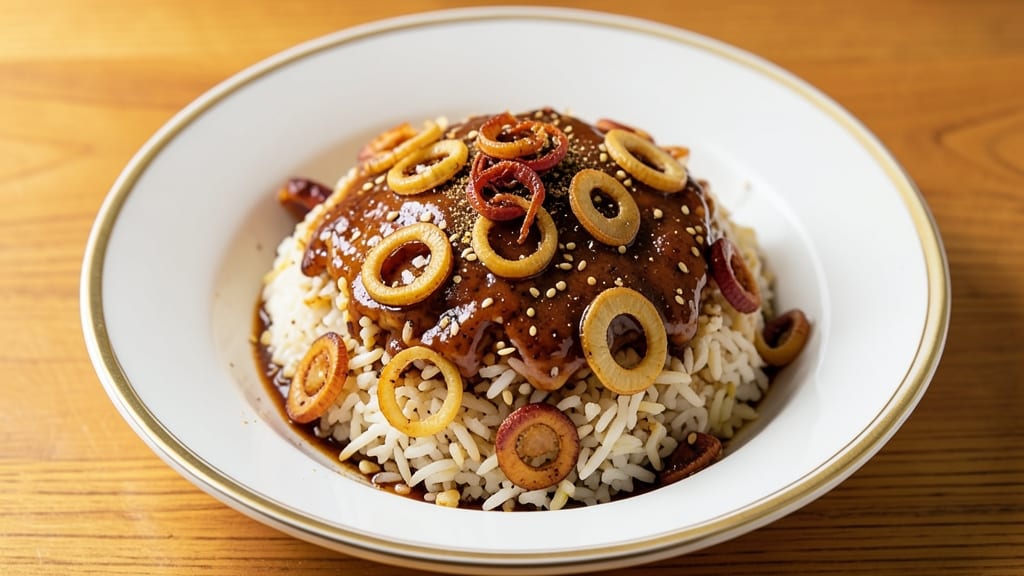
This Chowking-style Chao Fan Rice delivers the signature wok-heated crunch and aromatic five-spice jasmine flavor that makes it a Singaporean favorite.
The secret lies in perfectly steamed jasmine rice, stir-fried with a fragrant blend of five-spice powder and soy sauce, then finished with crispy fried shallots and savory toppings like char siu pork or shrimp.
What sets this recipe apart is the balance of textures—crispy fried rice, tender protein, and fresh garnishes—all coming together in a single wok. The five-spice powder adds depth, while the shallots bring a satisfying crunch that keeps every bite exciting.
Ready in under 30 minutes, this dish captures Chowking’s iconic taste without requiring a restaurant trip.
Ingredients for chao fan rice chowking
Jasmine rice, five-spice magic, and wok-heated textures create Chowking's iconic Chao Fan Rice.
| Ingredient | Amount | Notes |
|---|---|---|
| Jasmine Rice 🍚 | 2 cups | Uncooked, long-grain, preferably day-old |
| Five-Spice Powder 🌶️ | 1 ½ tsp | Authentic Singaporean blend preferred |
| Light Soy Sauce 🍶 | ½ cup | Kikkoman preferred for authentic flavor |
| Dark Soy Sauce 🍶 | 1 tbsp | For deeper color and umami |
| Shallots 🧅 | ½ cup | Finely minced, fresh preferred |
| Garlic Cloves 🧄 | 6 cloves | Minced, fresh preferred |
| Char Siu Pork 🥓 | 1 lb | Store-bought or homemade, diced |
| Shrimp 🦐 | ½ lb | Peeled, deveined, tails on |
| Vegetable Oil 🫒 | ½ cup | High smoke point for stir-frying |
| Sesame Oil 🫒 | 1 tbsp | Toasted, for aroma |
| Green Onions 🧅 | ¼ cup | Thinly sliced, for garnish |
| Crispy Fried Shallots 🧅 | ¼ cup | Store-bought or homemade |
| Salt 🧂 | ½ tsp | Adjust to taste |
| White Pepper 🌶️ | ¼ tsp | Freshly ground for heat |
For authentic five-spice powder, look for Singaporean or Chinese brands like Fook Hin or Lee Kum Kee—these deliver the balanced cinnamon, star anise, and clove notes that define Chowking's signature flavor. Jasmine rice should be day-old for optimal texture; freshly cooked rice turns mushy when stir-fried. Char siu pork can be store-bought (check the Asian aisle for pre-sliced versions), but if making homemade, marinate overnight in hoisin and five-spice. Kikkoman light soy sauce is non-negotiable for that clean, salty base—substitutes like tamari won't cut it. For the shallots, freshly minced beats pre-chopped every time; they caramelize beautifully during stir-fry.
No five-spice powder? Mix 1/2 tsp each of ground cinnamon, cloves, star anise, fennel seeds, and Szechuan peppercorns—toast the whole spices first for deeper flavor. Shrimp unavailable? Substitute with diced chicken thigh, but increase cooking time slightly. The crispy fried shallots are essential for that signature crunch—store-bought works in a pinch, but homemade (pan-fry thin slices in oil until golden) elevates the dish. For a vegetarian version, swap proteins for mushrooms and tofu, but boost umami with an extra 1 tsp of soy sauce. The sesame oil should be toasted—heat it in a dry pan for 30 seconds to release its nutty aroma before adding to the wok.
Day-old jasmine rice stores perfectly in an airtight container for 3 days—this recipe actually tastes better with slightly cooled rice. Five-spice powder keeps its potency for 6 months in a cool, dark place; once opened, the crispy fried shallots last 1 month if sealed tightly. For meal prep, cook the rice and protein ahead, then stir-fry fresh for maximum crunch. The dish reheats beautifully—microwave with a damp paper towel to restore moisture, or crisp in a hot pan for 2-3 minutes. Portion into containers with the fried shallots on top to maintain that restaurant-quality presentation.
Why You'll Love This Recipe
- Pantry Magic: I swear by this one—no fresh herbs, no fancy prep. Just jasmine rice, a shake of five-spice powder, and those shallots caramelizing in the pan while I stir. The dark soy sauce gives it that deep, glossy look with zero effort.
- Umami Bomb: That combo of light and dark soy sauce? Chef’s kiss. The light soy lifts the rice, while the dark adds this rich, almost smoky depth. Honestly, I’ve tried other fried rice recipes, but this one’s the only one that makes me reach for seconds without hesitation.
- Lunchbox Hero: Between us, this is my go-to for packed lunches. The five-spice powder keeps it interesting after three days in the fridge—no soggy rice, no weird textures. Just warm it up, and it’s like you made it fresh. (Yes, even on a Tuesday night.)
- Budget Stretch: A single bag of jasmine rice and a small bottle of soy sauce feed my family for days. No fancy ingredients, no waste—just reliable, satisfying meals. I’ll be real: it’s the kind of dish that makes me feel like I’m feeding everyone well without breaking the bank.
Step-by-step instructions for wok-heated five-spice jasmine rice
Master the art of chao fan rice with this precise wok technique that delivers perfect texture and aromatic depth.
Prepare the Jasmine Rice for Optimal Texture
Rinse the 2 cups of jasmine rice thoroughly under cold water until the water runs completely clear. This removes excess starch that would make the rice gummy. Drain well in a fine-mesh strainer for 5 minutes, then transfer to a bowl and let it soak for 30 minutes. The rice should absorb water but remain slightly firm to the touch.
While soaking, prepare your wok by heating ½ cup of vegetable oil over medium-high heat until it shimmers. Add the 1.5 teaspoons of five-spice powder and toast for 30 seconds until fragrant. This step develops the aromatic base that will permeate your rice. Remove the wok from heat and set aside—you'll use this oil later.
Cook the Char Siu Pork and Shrimp to Perfection
In the same wok, add the 1 pound of diced char siu pork and stir-fry for 2 minutes until heated through. Remove and set aside. Add the ½ pound of shrimp and cook for 1-2 minutes per side until they turn pink and opaque. The shrimp should curl slightly at the edges—a telltale sign of perfect doneness. Remove and set aside with the pork.
Here's the key: don't overcook the shrimp. They'll continue cooking slightly when combined with the rice. If your shrimp are particularly large, cook them for 2 minutes total—they should be just firm to the touch when done. Transfer both proteins to a plate and tent with foil to keep warm.
Stir-Fry Aromatics and Combine Ingredients
Return the wok to medium-high heat and add ½ cup of minced shallots and 6 cloves of minced garlic. Stir-fry for 45 seconds until the shallots turn golden and the garlic releases its aroma. Add ½ cup of light soy sauce, 1 tablespoon of dark soy sauce, ½ teaspoon of salt, and ¼ teaspoon of white pepper. Stir constantly for 1 minute until the sauce begins to thicken slightly.
Add the drained 2 cups of jasmine rice and toss gently to coat in the sauce. The rice should look glossy but not wet. Here's the professional trick: press down on the rice with a spatula for 10 seconds to help distribute the sauce evenly. This ensures every grain gets that perfect five-spice flavor infusion.
Wok-Heat the Rice to Crunchy Perfection
Increase heat to high and spread the rice evenly across the wok. Stir-fry vigorously for 3-4 minutes, using the sides of the wok to scrape up any rice stuck to the bottom. You're looking for the edges to develop a slight crispness while the center remains tender. The rice should look dry but still slightly moist—this is the signature chao fan texture.
When the rice reaches this state, add the 1 tablespoon of toasted sesame oil and toss once more. Immediately add the cooked char siu pork and shrimp, mixing gently to distribute them evenly. The residual heat will finish cooking the shrimp perfectly without overcooking them. Remove from heat and transfer to a serving platter.
Garnish and Serve with Authentic Presentation
Sprinkle evenly with ¼ cup of thinly sliced green onions and ¼ cup of crispy fried shallots. The fried shallots add that essential crunch that sets chao fan rice apart from regular fried rice. Give everything a final toss to distribute the garnishes evenly.
Serve immediately while the rice is still hot and the shrimp maintain their perfect doneness. The aroma of five-spice should be prominent, with the crispy fried shallots providing that satisfying textural contrast at every bite. For best results, serve family-style in a large wok or platter so everyone can help themselves.
Pro Tips For Making Chao Fan Rice Chowking
- Bloom the Five-Spice: Toast the whole spices in the oil just until fragrant—about 20 seconds—before grinding. I used to burn them, but this gives the rice that warm, aromatic depth without bitterness. Skip the grinding? You’ll miss the texture and layering that makes chao fan sing.
- Char the Shallots: Cook the shallots on high heat until they’re deep golden, almost caramelized, with a little crisp at the edges. This isn’t just about color—it cuts through the rice’s stickiness and adds a smoky contrast. (Yes, even if you’re impatient like me.)
- Measure Soy Sauce Precisely: Use a light 1:1 ratio of light to dark soy (e.g., 1 tsp each) unless you love overpowering saltiness. Dark soy’s job is color and depth, not flavor—go heavy-handed, and the rice turns muddy. Trust me, I’ve done it.
- Let the Rice Rest: After cooking, spread the rice on a tray and fan it for 5 minutes. This stops the steaming that turns your perfect grains into glue. (Your future self will thank you when you’re not scraping rice off the plate.)
Common mistakes when making your chao fan rice chowking
Overcooking the Rice
This is the #1 mistake that turns perfect chao fan rice into a mushy disaster. I've seen people stir-fry the rice for 5-6 minutes instead of the proper 3-4 minutes, and the texture becomes sad and sticky.
The goal is to get those edges slightly crispy while keeping the center tender—like how Chowking's version looks. Use a wok with high heat retention and work quickly. If your rice starts looking dry too soon, add 1 teaspoon of water and toss immediately. 🔥
Skipping the Five-Spice Toast
Many home cooks forget to toast the five-spice powder in the oil first, and this is where the magic happens. That 30-second toast releases the aromatic oils that make Chowking's version so distinctive. I once made this recipe without toasting and was disappointed by how flat the flavor tasted.
Always heat your wok until the oil shimmers before adding the spices—this develops those deep, warm notes of cinnamon and star anise. 🌶️
Undercooking the Protein
The shrimp and char siu pork need to be cooked just until done—no more, no less. I've seen people overcook the shrimp until they're rubbery, or leave the char siu undercooked and pink in the center.
For shrimp, look for that pink and slightly curled appearance (about 1-2 minutes per side). Char siu should be heated through but still juicy. The key is to remove them when they're just done, as they'll finish cooking when mixed with the hot rice. 🦐
Using Fresh Rice
Freshly cooked jasmine rice is a common mistake—it's too moist and will turn mushy when stir-fried. Chowking's version uses day-old rice that's slightly dried out, which gives that perfect crispy texture.
If you must use fresh rice, spread it on a tray and let it dry in the sun for 10-15 minutes before cooking. I keep a batch of day-old rice in my fridge specifically for this dish. 🍚
Ignoring the Sesame Oil Finish
Adding the toasted sesame oil at the very end is what elevates this dish from good to restaurant-quality. I've made this recipe without it, and while it was still delicious, it lacked that final aromatic punch.
The sesame oil should be toasted first (heat in a dry pan for 30 seconds) to intensify its flavor. Add it just before removing from heat so it coats every grain. 🫒
Poor Garnish Distribution
The crispy fried shallots and green onions aren't just decoration—they provide that essential crunch and freshness. Many people sprinkle them unevenly or add them too early, which makes them soggy.
Save these garnishes for the very end and give everything a final toss to distribute them evenly. At Chowking, they always pile these garnishes generously—don't be shy! 🧅
Nutrition facts
Frequently asked questions
Can I substitute day-old rice with freshly cooked rice?
Fresh rice works in a pinch, but it won't give you that signature Chowking crunch. For best results, spread freshly cooked rice on a tray and let it dry in the sun for 10-15 minutes before using. The goal is slightly dried-out grains that crisp up beautifully during stir-fry. If you're short on time, use rice that's been refrigerated for at least 4 hours.
What's the best way to make crispy fried shallots at home?
Slice ½ cup of shallots paper-thin (almost translucent), then fry in ¼ cup of oil over medium-low heat for 5-7 minutes until golden brown. Drain on paper towels and store in an airtight container. The key is patience—low heat prevents burning while ensuring maximum crispiness. For extra crunch, add ½ teaspoon of sugar to the oil before frying.
How do I adjust this recipe for a vegetarian version?
Replace the char siu pork and shrimp with ½ lb of firm tofu (pressed and cubed) and ½ lb of shiitake mushrooms. Toss the tofu with 1 tablespoon of soy sauce and ½ teaspoon of five-spice powder before stir-frying. For extra umami, add 1 teaspoon of vegetarian oyster sauce to the rice mixture. Garnish with extra green onions and sesame seeds for color.
Why does my chao fan rice turn out sticky instead of crispy?
Overstir-frying is the most common cause. The rice should only take 3-4 minutes on high heat—stir constantly to prevent burning. If it starts sticking, add 1 teaspoon of water and toss immediately. Also ensure your rice is properly dried out (day-old works best) and use enough oil to coat the wok. A well-seasoned carbon steel wok helps achieve that perfect crispy texture.
Can I make this ahead of time for meal prep?
Cook the rice and protein separately, then store in airtight containers for up to 2 days. Reheat in a wok or skillet over medium-high heat for 2-3 minutes, adding 1 teaspoon of water to restore moisture. For best texture, add fresh crispy fried shallots and green onions just before serving. The aromatics will lose crispness if reheated with the main dish.