
Main Courses
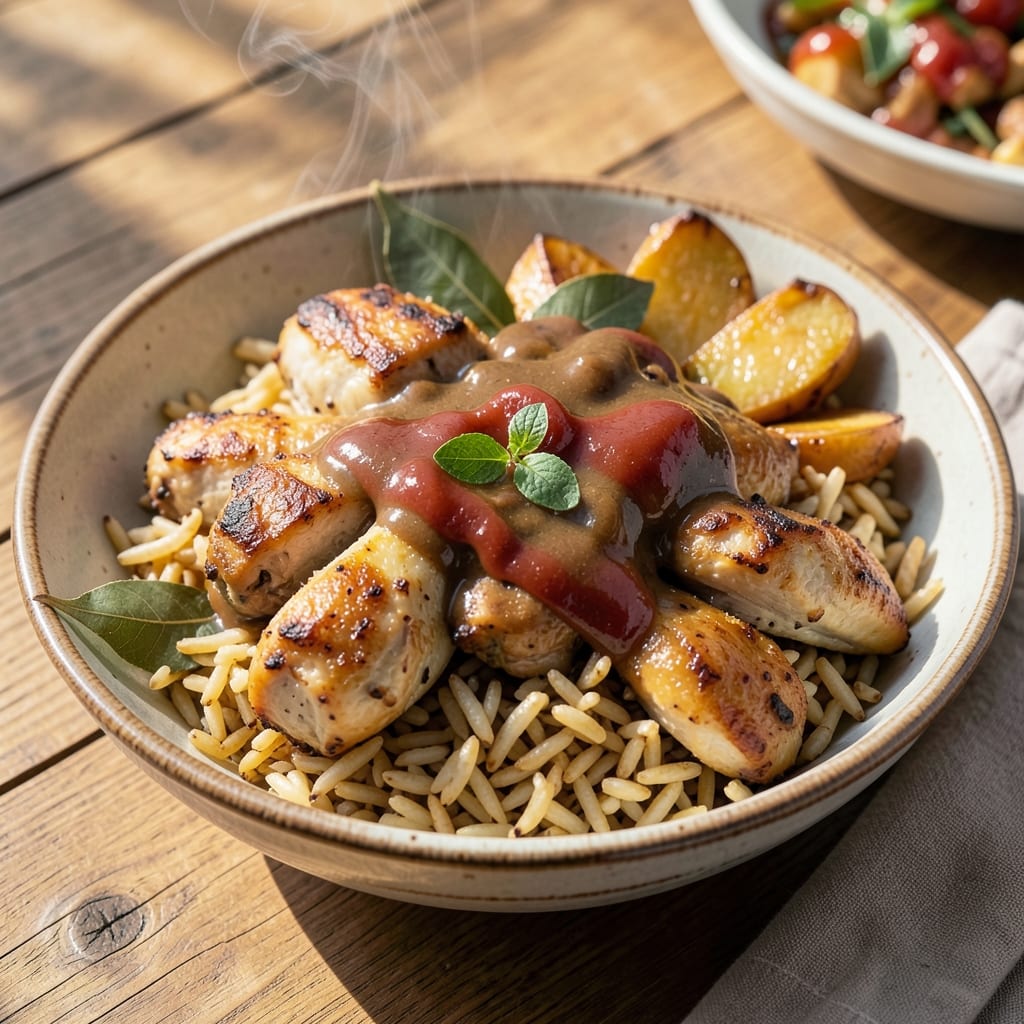
This African dry rice recipe transforms simple ingredients into a fragrant, textured masterpiece where toasted spices and peanuts create unmatched depth. The secret lies in slow-toasting whole spices until they release their oils—this transforms ordinary rice into something vibrant, nutty, and deeply satisfying. I first tasted this dish in a Lagos street market, where the aroma alone drew crowds, and it’s been my go-to for feeding hungry families ever since.
The magic happens in layers: crispy fried plantains add sweet contrast, while peanut butter and tomato paste build a rich, slightly sweet sauce that clings to each grain. Unlike wet rice dishes, this version stays distinct yet cohesive—each bite delivers tender rice, savory protein, and crunchy textures that balance perfectly. The dish is hearty enough for a main course but flexible enough to stretch for leftovers.
What makes this recipe special is its versatility—swap chicken for fish or beef, adjust spice levels to taste, and even use brown rice for extra texture. The result is a dish that feels both comforting and celebratory, perfect for weeknight dinners or special gatherings. Once you master the spice toasting and peanut sauce, you’ll understand why this is a staple across West Africa.
Ready to bring the bold flavors of Africa to your table? This recipe delivers restaurant-quality results with minimal effort—just follow the step-by-step instructions to achieve that perfect harmony of toasted spices, nutty richness, and tender rice. Let’s get cooking!
Ingredients for african dry rice
Sixteen ingredients that turn ordinary rice into a fragrant, textured masterpiece with peanut crunch and toasted spice magic.
| Ingredient | Amount | Notes |
|---|---|---|
| Long-Grain White Rice 🍚 | 2 cups | Uncooked, rinsed thoroughly |
| Natural Peanut Butter 🥜 | ½ cup | Creamy, no added sugar |
| Tomato Paste 🍅 | 2 tbsp | Squeeze tube preferred |
| Chicken Thighs 🍗 | 1 ½ lb | Bone-in, skin-on preferred |
| Ripe Plantains 🍌 | 2 whole | Sliced lengthwise, fried |
| Whole Bay Leaves 🌿 | 2 whole | Crushed lightly |
| Garlic Cloves 🧄 | 6 cloves | Whole, peeled |
| Onion 🧅 | 1 whole | Yellow, chopped |
| Ground Ginger 🌿 | 1 tsp | Freshly grated preferred |
| Ground Cumin 🌶️ | 1 tsp | Toasted for depth |
| Ground Nutmeg 🌿 | ½ tsp | Freshly grated |
| Dried Red Chili Peppers 🌶️ | 2 whole | Crushed, adjust for heat |
| Salt 🧂 | 1 ½ tsp | Kosher or sea salt |
| Vegetable Oil 🫒 | ½ cup | High smoke point |
| Fresh Cilantro 🌿 | ¼ cup | Chopped, for garnish |
The spices are non-negotiable here—toast them whole in oil until fragrant, then grind for maximum flavor. Penzeys Spices or bulk bins at Whole Foods have the best quality whole spices. Look for vibrant color and strong aroma when selecting dried chilies and bay leaves. The peanut butter should be natural—Smucker's or Crazy Richard's are solid choices, but any creamy, unsweetened works. For the plantains, yellow with black spots means perfectly ripe—those are the sweetest and easiest to slice.
No peanut butter? Peanut powder mixed with oil works in a pinch, though texture will differ. Swap chicken for white fish or shrimp—just reduce cooking time to avoid overcooking. The tomato paste can be subbed with blended canned tomatoes, but paste gives that signature thickness. For extra crunch, add toasted peanuts or cashews at the end. If you can't find whole bay leaves, dried thyme at half the amount mimics the earthy notes, though it won't be identical. The ginger and nutmeg are key—skip them at your peril—they're what makes this dish uniquely West African.
Store the dry rice base in an airtight container for 3 days—it actually tastes better the next day as flavors meld. The fried plantains? Eat within 2 hours or they'll get soggy. Freeze the peanut sauce in ice cube trays for easy portioning—3 months in the freezer, no problem. I always double the sauce because it's perfect for drizzling on soups or sandwiches later. The cilantro wilts fast, so store it wrapped in damp paper towels if you're not using it all at once.
Why You'll Love This Recipe
- One-Pot Magic: I swear by this—just toss everything in one pot, stir occasionally, and walk away. The rice absorbs the peanut butter and tomato paste while the chicken cooks through, leaving me with a dish that tastes like it simmered all day (but didn’t).
- Peanut Butter Power: That rich, nutty peanut butter base transforms simple rice into something deeply satisfying—like a hug in a bowl. The ripe plantains add a caramelized sweetness that balances the savory chicken perfectly, and honestly? It’s the kind of flavor combo that makes you go back for seconds without trying.
- Meal Prep MVP: Between us, this is my go-to for busy weeks. The rice holds up for days in the fridge, and the flavors actually get better as it sits—no sad, dry leftovers here. Pack it for lunches, serve it at gatherings, or freeze portions for when you’re too tired to cook.
- Budget-Friendly Feast: Chicken thighs and rice stretch into a hearty meal that won’t break the bank, and you’re using pantry staples like tomato paste and peanut butter. I’ll be real: my grocery bill stays low, but my family’s bellies stay full, and that’s what matters. Plus, the plantains add a touch of indulgence without the price tag.
Step-by-step instructions for African dry rice with toasted spices
Here's how to transform simple ingredients into a fragrant, crunchy-spiced dry rice dish that's all about texture and flavor balance.
🍳 Step 1: Toast the Spices and Prepare the Chicken
Heat the 0.5 cup vegetable oil in a large skillet over medium heat until shimmering. Add the 1.5 lb chicken thighs, skin-side down, and cook for 8-10 minutes until golden brown and crispy. Flip and cook the other side for 5-6 minutes until the internal temperature reaches 165°F. Remove and set aside.
In the same skillet, add the 2 whole dried red chili peppers, 2 whole whole bay leaves, 6 cloves garlic cloves, 1 whole onion (chopped), 1 tsp ground ginger, 1 tsp ground cumin, and 0.5 tsp ground nutmeg. Toast for 2-3 minutes until fragrant and the spices begin to darken slightly. This toasting unlocks their full aroma and depth of flavor.
👨🍳 Step 2: Build the Peanut-Tomato Base
Reduce heat to low and stir in the 2 tbsp tomato paste and 1.5 tsp salt, cooking for 1 minute to blend with the toasted spices. Add the 0.5 cup natural peanut butter and 1 cup water, stirring constantly until smooth and creamy. The mixture should coat the back of a spoon—if it's too thick, add 1-2 tablespoons more water to reach a pourable consistency.
Return the cooked chicken thighs to the skillet and spoon the peanut-tomato mixture over them. Simmer for 5 minutes, letting the flavors meld together. The peanut butter will develop a rich, nutty aroma that pairs perfectly with the spiced chicken.
🍳 Step 3: Cook the Plantains and Prepare the Rice
While the chicken simmers, heat 1 tablespoon vegetable oil in a separate skillet over medium heat. Add the 2 whole ripe plantains (sliced lengthwise) and fry for 3-4 minutes per side until golden brown and caramelized. Remove and set aside to cool slightly.
In a large pot, combine the 2 cups long-grain white rice with 4 cups water and bring to a boil. Add the 2 crushed whole bay leaves and reduce heat to low. Cover and simmer for 15 minutes until the water is absorbed and the rice is tender but still slightly firm. The rice should be dry enough to hold its shape but not crunchy—this is key for the perfect African dry rice texture.
🥘 Step 4: Combine Everything for Maximum Flavor
Remove the skillet with the chicken and peanut-tomato mixture from heat and carefully stir in the cooked rice. The rice will soak up the rich, spiced sauce, creating a harmonious blend of textures and flavors. Fold in the fried plantains, breaking them into bite-sized pieces as you go. The plantains add a sweet, caramelized contrast to the savory-spiced rice.
Transfer the mixture to a serving dish and garnish with the 0.25 cup fresh cilantro, chopped finely. The cilantro adds a bright, fresh finish that cuts through the richness of the peanut and spices. Serve immediately while the rice is still warm and the plantains retain their crispy edges.
⏰ Step 5: Rest and Serve for Perfect Texture
Let the dish rest for 5 minutes before serving. This resting period allows the rice to firm up slightly, ensuring each grain maintains its distinct texture rather than turning mushy. The peanut butter will firm up just enough to create that satisfying crunch with every bite.
Serve the African dry rice in shallow bowls, garnished with additional cilantro if desired. The combination of crispy chicken, nutty peanut sauce, sweet plantains, and aromatic spices creates a dish that's as satisfying to eat as it is to make. Pair with a simple green salad or warm flatbread for a complete meal.
Pro Tips For Making African Dry Rice
- Brown the Chicken First: Skip the urge to toss raw chicken straight into the pot—sear the thighs in batches over medium-high heat until they release from the pan with a dark crust. This step locks in flavor and prevents the peanut butter from turning greasy later (yes, it’s worth the extra 5 minutes). ---
- Toast the Peanut Butter: Heat the peanut butter in the pot before adding tomato paste or broth—just until it smells nutty and fragrant. I used to skip this, and the peanut flavor always felt muted. Do it low and slow to avoid burning, but don’t rush. ---
- Parboil the Plantains: Cut the plantains into chunks, then boil them for 3–4 minutes in salted water before adding them to the rice. This softens them evenly and keeps them from turning mushy later (a mistake I made by adding them raw too many times). ---
- Layer the Rice Dry: Spread the raw rice in a single layer on a baking sheet and toast it in the oven at 350°F (175°C) for 5 minutes before cooking. This removes excess starch and guarantees fluffy, separate grains—no more clumping or gummy texture. (Trust me, your rice will thank you.)
Wine and beer pairings for this african dry rice
West African Craft Beer
For a bold pairing, reach for a West African craft beer like Nigerian Star Lager or Ghanaian Guinness. The crisp, slightly malty notes of these beers complement the peanut butter’s richness while cutting through the dish’s spice. I always keep a Guinness on hand—its roasted maltiness mirrors the toasted spices in the rice, creating a harmonious balance. Serve slightly chilled to enhance the beer’s refreshing quality against the dish’s warmth. 🍺
Fruity White Wine
A light-bodied white wine with tropical fruit notes works surprisingly well. Try a Kenyan Pinot Grigio or South African Chenin Blanc—both offer bright acidity that cleanses your palate between bites. The citrus and stone fruit flavors in these wines echo the ginger and nutmeg in the dish, while their crisp finish prevents the peanut sauce from feeling heavy. Chill to 45-50°F for optimal enjoyment. 🍷
Spiced Rum Cocktail
For a festive twist, serve a rum-based cocktail like a Jamaican Rum Punch (mix 2 oz dark rum, 1 oz pineapple juice, ½ oz lime juice, and ½ oz ginger syrup) or a Nigerian Gin & Tonic with a twist of nutmeg. The rum’s caramel and spice notes amplify the peanut and ginger flavors, while the citrus brightens the dish’s richness. Garnish with a lime wheel for a pop of color. 🥃
Non-Alcoholic Options
For non-drinkers, a hibiscus iced tea (brew 2 tbsp dried hibiscus in 4 cups hot water, then chill) adds a tart, floral contrast to the peanut sauce. Alternatively, a ginger-mint lemonade (mix 1 cup fresh ginger juice, ½ cup mint syrup, and 2 cups sparkling water) mirrors the dish’s spiced profile without alcohol. Both drinks refresh the palate beautifully. 💧
Regional Beer Pairings
In Nigeria, pair with Stout Lager—its toasty notes match the dish’s peanut crunch. For Ghana, try Star Beer, a crisp lager that balances the dish’s richness. In Senegal, Bissau Beer (a local lager) complements the peanut and spice harmony. Each beer reflects the region’s flavor preferences while enhancing the dish’s depth. 🌍
Nutrition facts
Frequently asked questions
Can I substitute peanut butter with another nut or seed butter?
Yes! For a different flavor profile, try almond butter or cashew butter—both work well but will have a milder taste. If you're avoiding nuts entirely, blend 1 cup roasted peanuts with 2 tablespoons oil for a similar texture. The key is to maintain that creamy, slightly thick consistency for the sauce to cling to the rice.
How do I make this recipe less spicy?
Reduce the heat by removing 1 whole dried chili pepper or using ½ teaspoon ground mild chili powder instead. For a completely mild version, skip the chilies entirely and add ½ teaspoon smoked paprika for depth without heat. Always taste the spice mixture before adding it to the peanut sauce.
What's the best way to reheat leftovers?
Gently reheat in a skillet over low heat with 1 tablespoon oil to prevent drying. Add 2 tablespoons water to keep the rice moist and stir for 3-4 minutes until warmed through. Avoid microwaving—it makes the plantains soggy and the peanut sauce greasy. The dish tastes even better the next day as flavors meld!
Can I make this with brown rice instead of white?
Use 2 cups brown rice but increase cooking liquid to 4.5 cups water and simmer for 30-35 minutes until tender. Brown rice absorbs more liquid, so check frequently. The texture will be heartier, but the peanut sauce will still cling beautifully. Toast the spices the same way for maximum flavor.
Why does my peanut sauce separate?
This happens when the sauce cools too quickly or if too much water is added. To fix it, whisk in 1 teaspoon oil while reheating over low heat until smooth. For prevention, keep the sauce warm on the stove until ready to serve, and stir constantly when adding water. The peanut butter should always be creamy, not powdery.