
Sauces & Condiments
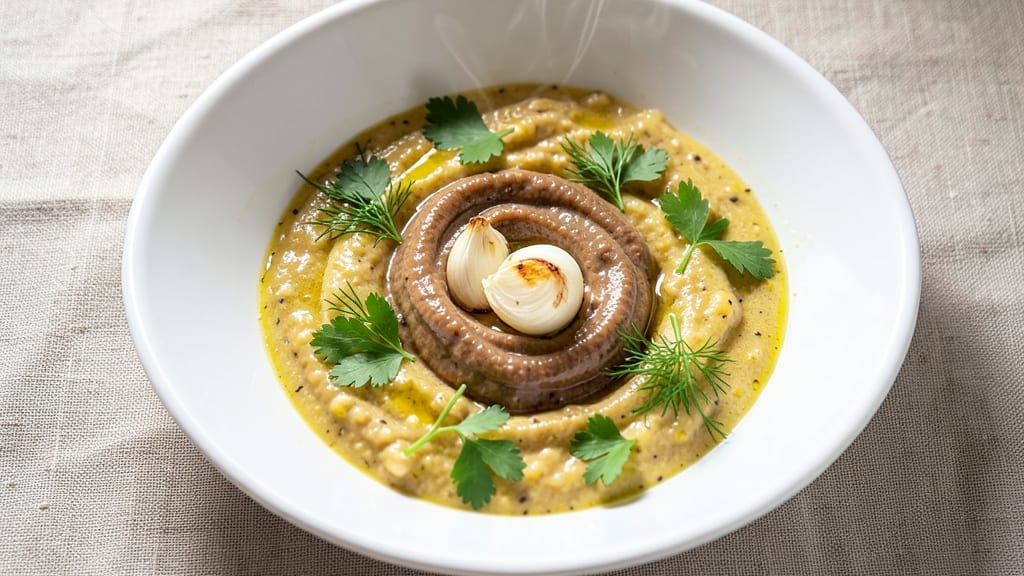
This vegan cauliflower rice dressing recipe transforms simple ingredients into a creamy, herb-infused sauce perfect for lightening up bowls and salads without sacrificing flavor. The secret lies in blending silky tahini with bright lemon and fresh herbs, creating a dressing that clings beautifully to cauliflower rice while adding depth.
What makes this recipe stand out is its versatility—it works equally well as a dipping sauce, stir-fry finish, or grain bowl topping.
With just 7 ingredients and 5 minutes of prep, you'll have a dressing that's rich in texture yet light enough to complement any dish. The tahini base provides creaminess without dairy, while the lemon and herbs keep it fresh and vibrant.
Best of all, it keeps for up to 5 days in the fridge, making it ideal for meal prep. Let's create this dressing that elevates every bite.
Ingredients for cauliflower rice dressing
Seven ingredients blend into a velvety dressing that elevates cauliflower rice bowls effortlessly.
| Ingredient | Amount | Notes |
|---|---|---|
| Raw Tahini 🥜 | ½ cup | High-quality, sesame paste |
| Fresh Lemon Juice 🍋 | ¼ cup | Freshly squeezed, strained |
| Extra-Virgin Olive Oil 🫒 | ¼ cup | Light, fruity variety |
| Fresh Parsley Leaves 🌿 | ¼ cup | Finely chopped, stems removed |
| Fresh Dill Leaves 🌿 | 0.1 cup | Finely chopped, stems removed |
| Garlic Cloves 🧄 | 2 cloves | Minced, fresh preferred |
| Water 💧 | 0.2 cup | Room temperature |
| Sea Salt 🧂 | ½ tsp | Fine grain, Diamond Crystal preferred |
| Black Peppercorns 🌶️ | ¼ tsp | Freshly cracked |
The tahini is the heart of this dressing—look for raw, organic tahini in glass jars at health food stores like Whole Foods or Sprouts for maximum freshness. Fresh herbs are non-negotiable: parsley and dill should be vibrant green with no wilt. Garlic cloves should be firm and free of sprouts. For the olive oil, California avocado oil or Spanish extra-virgin adds a delicate flavor that won't overpower the herbs. The lemon juice should be freshly squeezed—bottled juice lacks the bright acidity needed to balance the richness of the tahini.
No tahini? Silken tofu blended with a splash of lemon juice mimics the creaminess, though texture will differ slightly. Swap fresh herbs for dried parsley and dill at one-third the amount, but flavor won't be as vibrant. Olive oil shortages? Avocado oil or melted coconut oil work in a pinch, though flavor profiles shift. For the garlic, garlic powder at half the amount suffices if fresh isn't available. The water acts as an emulsifier—don't skip it, but if you're making a thicker dressing, reduce by 1 tablespoon. Salt and pepper should be freshly ground for optimal flavor impact.
Store this dressing in an airtight container with a thin layer of olive oil on top to preserve freshness. It remains stable for 5 days in the refrigerator, though herbs may wilt slightly after 3 days. For longer storage, freeze in ice cube trays and transfer to a bag—thaws perfectly for up to 3 months. The dressing thickens when chilled, so stir vigorously before using. Pairs beautifully with roasted vegetables, grains, or as a dip for crudités.
Why You'll Love This Recipe
- Five-Ingredient Magic: I swear by this combo—just tahini, lemon, olive oil, and herbs. No measuring cups, no fancy tools, just a bowl and a whisk. Honestly, it’s the kind of dressing that makes me feel like I’ve actually cooked something, even though I barely moved.
- Bright Tangy Kick: That lemon juice cuts through everything—rich meats, crisp veggies, even grilled fish. The tahini adds this deep, nutty warmth, while the parsley and dill give it a fresh finish. It’s the kind of flavor that sticks with you, like a bright memory you can’t forget.
- Meal Prep MVP: I make a big batch on Sundays and keep it in the fridge for the week. Drizzle it over salads, toss it with roasted veggies, or even use it as a dip. It’s my go-to for lazy nights when I don’t want to think, but I still crave something vibrant and delicious.
- Budget-Friendly Luxury: Tahini is cheap, lemon juice lasts forever, and olive oil stretches far. Fresh herbs might seem pricier, but a little goes a long way—plus, you can buy them in bulk and freeze what you don’t use. It’s fancy enough for a dinner party but won’t break the bank for a weeknight.
Step-by-step instructions for herb-infused tahini dressing
This creamy, vibrant dressing delivers restaurant-quality flavor with minimal effort.
Whisk Tahini and Lemon Juice Until Smooth
In a medium bowl, combine the 0.5 cup raw tahini and 0.25 cup fresh lemon juice. Using a whisk, blend vigorously for 2-3 minutes until the mixture becomes completely smooth and homogeneous. The tahini will initially resist incorporation, but persistent whisking breaks down its natural oils. Add 0.2 cup water gradually while whisking—this prevents the tahini from curdling and creates an ideal base consistency.
Here's the thing—tahini can be stubborn. If the mixture thickens unexpectedly, add 1 tablespoon more water at a time until it reaches a pourable, creamy texture. The goal is a velvety consistency that coats the back of a spoon without being gloppy. This foundational blend carries all the dressing's rich flavor while maintaining lightness.
Incorporate Olive Oil and Aromatics
With the tahini mixture still in the bowl, slowly drizzle in the 0.25 cup extra-virgin olive oil while whisking continuously. This gradual addition prevents the oil from separating. Once fully incorporated, add the 2 minced garlic cloves, 0.25 cup finely chopped parsley, and 0.1 cup finely chopped dill. Stir with a wooden spoon until all herbs are evenly distributed throughout the dressing.
The herbs should be completely submerged in the mixture—no visible flecks remain. I like to press down gently with the spoon to ensure maximum flavor extraction from the dill and parsley. This step builds the dressing's signature herbal brightness that pairs perfectly with cauliflower rice's subtle sweetness. The garlic should dissolve completely; if it doesn't, whisk for another 30 seconds to fully emulsify.
Season and Adjust Consistency
Add the 0.5 teaspoon sea salt and 0.25 teaspoon freshly cracked black peppercorns to the bowl. Taste immediately and adjust seasoning—this is your quality control checkpoint. The dressing should taste vibrantly herby with bright lemon notes, not overly salty or bitter. If needed, add a pinch more salt or a splash of lemon juice to balance flavors.
For texture, check the consistency against your intended use. For drizzling over salads, the current consistency works perfectly. For thicker applications (like dipping sauces), whisk in 1-2 tablespoons more water until it reaches your desired viscosity. The dressing should coat the back of a spoon but still flow smoothly. Real talk: this blend thickens slightly when chilled, so if you plan to refrigerate it, leave it slightly thinner than desired.
Final Emulsification and Resting
Transfer the dressing to a clean jar with a tight-sealing lid. Give it one final whisk to ensure all ingredients are fully integrated. The dressing will naturally separate slightly when first combined—this is normal. To fully emulsify, let it rest for 5 minutes at room temperature before using. During this time, the tahini's natural oils will redistribute, creating a perfectly balanced, creamy texture.
For best results, refrigerate any unused portion for up to 5 days. Before serving, give it a quick whisk to restore its silky consistency. The flavors actually improve after resting—especially the garlic and herbs—which develop deeper complexity. This dressing works equally well as a salad dressing, grain bowl topping, or even a dip for fresh vegetables. The key to its success lies in proper emulsification and balanced seasoning at this final stage.
Pro Tips For Making Cauliflower Rice Dressing
- Whisk the Tahini Slowly: Tahini is thick and stubborn—dumping it in all at once just makes a gloppy mess. Start with a thin stream while whisking constantly, then gradually add lemon juice and olive oil. I learned this the hard way when my first batch looked like peanut butter soup instead of a silky dressing.
- Use a Microplane for Herbs: Chopping parsley and dill with a knife leaves behind tough stems and uneven bits. A microplane shreds them into fine, even flecks that blend seamlessly into the dressing—no straining required. (Yes, even if you’re impatient like me, it’s worth the 30 seconds.)
- Balance Lemon with Salt: Fresh lemon juice is bright, but without salt, the dressing tastes flat. Add a pinch of flaky salt (or ¼ teaspoon table salt) before tasting—it rounds out the tartness and makes the tahini’s richness sing. I used to skip this and wondered why my dressing lacked depth.
- Thin with Warm Water: If your dressing is too thick, resist the urge to grab cold water—it can make the tahini seize up. Use lukewarm water, one teaspoon at a time, and whisk vigorously. It’s the only way to keep the texture smooth without turning it into a paste. (Trust me, I’ve tried the cold-water hack.)
Storing and reheating your cauliflower rice dressing
Refrigerator Storage
Store your herb-infused cauliflower rice dressing in an airtight glass jar with a tight-sealing lid—I prefer wide-mouth mason jars for easy whisking later. Keep it refrigerated at 40°F or below for up to 5 days, though the herbs will start losing freshness after 3 days.
The dressing thickens naturally when chilled, so give it a good whisk before using to restore its silky texture. 💧
Freezer Preservation
For longer storage, freeze the dressing in ice cube trays—this makes it easy to thaw just what you need. Transfer the cubes to a freezer-safe bag and flatten to remove air, then store for up to 3 months.
Thaw overnight in the fridge or quickly in a bowl of warm water. The texture may separate slightly after freezing, but a quick whisk brings it back together perfectly.
Reheating Methods
For stovetop reheating, transfer the dressing to a small saucepan over low heat and add 1-2 tablespoons of water to prevent burning. Warm gently for 2-3 minutes, whisking constantly until fully combined.
Avoid high heat—this dressing is delicate and can break if overheated. The gentle warmth helps restore its emulsified texture while preserving the bright lemon and herb flavors. 🔥
Consistency Adjustments
If your dressing thickens after refrigeration, thin it with 1 teaspoon of water at a time until it reaches a pourable consistency. For a thicker texture (ideal for dipping sauces), whisk in 1 tablespoon of extra-virgin olive oil.
The dressing should coat the back of a spoon but remain smooth enough to drizzle. I find that adjusting consistency right before serving gives the best results—this way, you can tailor it to your dish.
Preservation Tips
To extend freshness, always store the dressing with a thin layer of olive oil on top—this creates a protective barrier against oxidation.
The herbs are the most perishable component, so if you notice wilting after 3 days, strain out the herbs and use the remaining dressing as a base for a new batch. The tahini base actually improves with age, developing deeper, nuttier flavors over time. ✨
Reusing Leftovers
Use leftover dressing creatively—it works beautifully as a marinade for tofu or tempeh, a dip for fresh vegetables, or even a sauce for roasted cauliflower. If the flavors become too mild after refrigeration, boost them with a splash of fresh lemon juice or a pinch of garlic powder.
The dressing's versatility makes it perfect for meal prep—just store it properly and you'll have a flavorful sauce ready whenever you need it.
Nutrition facts
Frequently asked questions
Can I make this dressing without tahini?
Yes! For a similar texture, blend ½ cup silken tofu with 1 tablespoon lemon juice until completely smooth, then proceed with the recipe. The flavor will be slightly milder, but the creamy base will still work beautifully with cauliflower rice. For extra richness, add 1 tablespoon olive oil to the tofu blend before combining with other ingredients.
How do I prevent the dressing from separating?
Emulsification is key! Always whisk ingredients gradually—especially when adding olive oil—and ensure the tahini is fully blended with lemon juice first. If separation occurs, simply whisk vigorously for 1-2 minutes to recombine. For extra stability, add ½ teaspoon Dijon mustard to the tahini-lemon mixture before incorporating other ingredients.
What herbs can I substitute if I don't have parsley and dill?
Try cilantro (½ cup) for a bright, citrusy note or basil (¼ cup) for a sweeter flavor. For a Mediterranean twist, use oregano (1 teaspoon) combined with thyme (½ teaspoon). Fresh herbs work best, but dried versions (at ⅓ the amount) can be used in a pinch—just be prepared for slightly less vibrant flavor.
Can I use this dressing on non-vegan dishes?
The tahini-lemon base pairs wonderfully with grilled chicken, fish, or shrimp. The dressing's bright herbs and creamy texture complement protein-rich dishes beautifully. For seafood, the lemon notes enhance the natural sweetness, while the tahini adds a satisfying richness that balances lighter meats like turkey or pork.
Why does my dressing taste bitter?
Bitter flavors usually come from overcooked garlic or stale herbs. Always use fresh garlic and herbs—wilted greens or browned garlic cloves can introduce bitterness. To fix it, stir in 1 teaspoon honey or maple syrup to balance the flavor, or add a splash of lemon juice to brighten the profile. For prevention, store herbs in the fridge wrapped in a damp paper towel.