
Main Courses
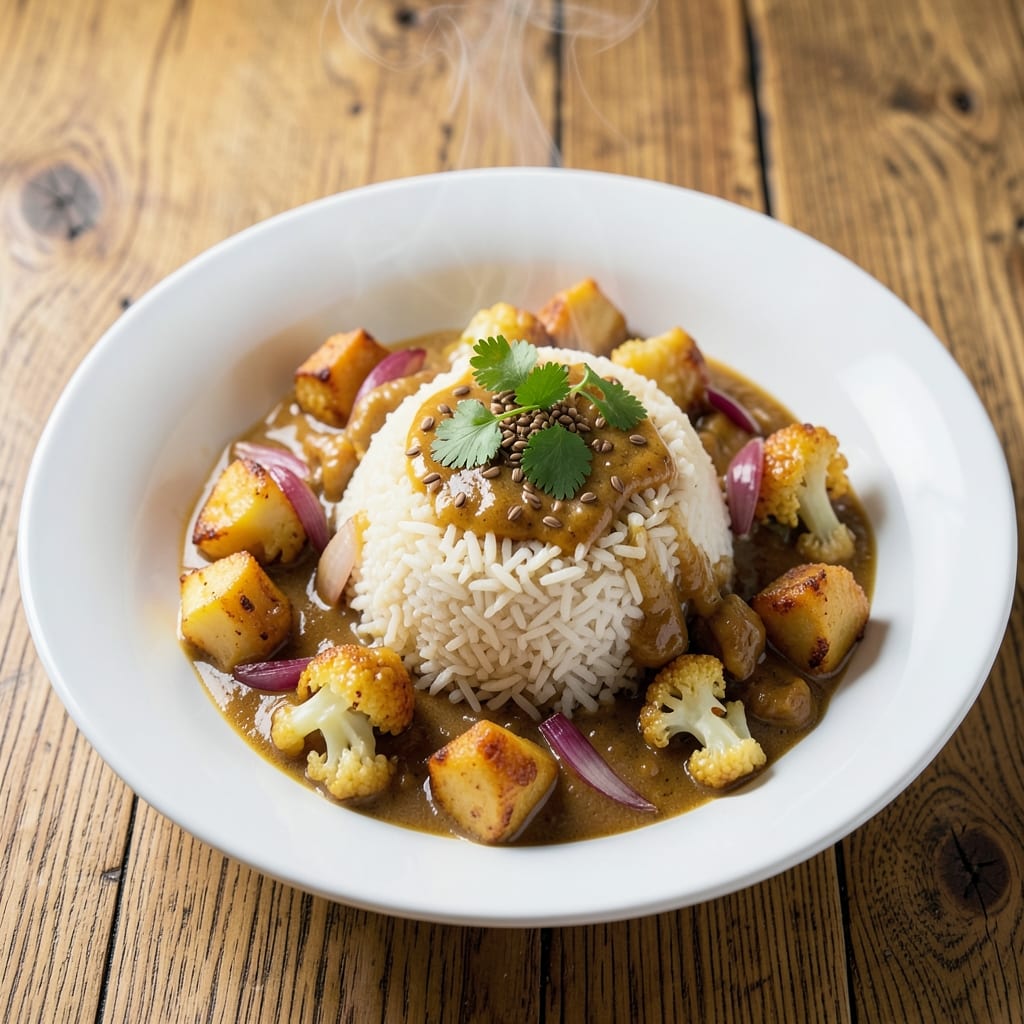
This aloo gobi rice recipe transforms simple potatoes and cauliflower into a fragrant, spiced one-pot wonder that pairs perfectly with fluffy basmati. The secret lies in slow-cooked spices that infuse every bite with warm cumin, garam masala, and a touch of tangy tamarind—creating a dish that’s hearty yet light enough for any meal. I’ve perfected this vegetarian classic to deliver restaurant-quality flavor without the fuss of multiple pans.
The magic happens in the tempering stage, where whole spices sizzle in hot oil until they release their aroma, then bloom into a fragrant paste that coats the vegetables. Potatoes and cauliflower simmer until tender yet retain their texture, absorbing the rich, spiced gravy. This method ensures the rice absorbs the flavors too, turning a simple side into a complete, satisfying dish.
What you’ll end up with is a golden, aromatic bowl of aloo gobi served over fragrant rice, where every spoonful delivers layers of spice, creaminess, and subtle sweetness from the caramelized vegetables. The dish is naturally vegetarian and can easily be made vegan by substituting ghee for oil. Perfect for weeknight dinners or meal prep, this recipe is a crowd-pleaser that feels indulgent yet balanced.
Ready in about 45 minutes, this one-pot approach minimizes cleanup while maximizing flavor—ideal for busy weeknights or when you want to impress with minimal effort. The key to success is patience in cooking the spices and vegetables low and slow, allowing the flavors to meld into a cohesive, comforting dish. Let’s get cooking!
Ingredients for aloo gobi rice
Fifteen simple ingredients transform into a fragrant, spiced one-pot vegetarian masterpiece.
| Ingredient | Amount | Notes |
|---|---|---|
| Basmati Rice 🍚 | 1 ½ cups | Uncooked, long-grain preferred |
| Yellow Onions 🧅 | 1 whole | Medium size, finely chopped |
| Potatoes 🥔 | 1 ½ lb | Yukon gold, peeled and cubed |
| Cauliflower 🥬 | 1 whole | Fresh head, cut into florets |
| Ghee 🧈 | ½ cup | Clarified butter for rich flavor |
| Cumin Seeds 🌿 | 1 tbsp | Whole seeds, toasted lightly |
| Black Cardamom Pods 🌿 | 4 whole | Lightly crushed for aroma |
| Green Cardamom Pods 🌿 | 2 whole | Lightly crushed for balance |
| Bay Leaves 🌿 | 2 whole | Dried for depth of flavor |
| Garam Masala Powder 🌶️ | 1 ½ tbsp | Authentic blend preferred |
| Turmeric Powder 🌶️ | ½ tsp | Freshly ground for vibrant color |
| Red Chili Powder 🌶️ | ½ tsp | Adjust for heat preference |
| Tamarind Paste 🍈 | 1 tbsp | For tangy balance |
| Fresh Coriander Leaves 🌿 | ¼ cup | Chopped for garnish |
| Salt 🧂 | 1 tsp | Diamond Crystal preferred |
The spices are the soul of aloo gobi. Whole spices like cumin and cardamom must be lightly toasted in hot ghee to release their essential oils—skip this step and you’ll miss the depth of flavor. For authentic garam masala, spice shops like Kalustyan’s or Patels carry the best blends. Fresh turmeric root, if available, should be grated and used instead of powder for a more vibrant color. The tamarind paste adds the perfect tang—look for blocks at Indian markets, which are more concentrated than the jarred versions.
No ghee? Coconut oil or vegetable oil works in a pinch, though the flavor won’t be as rich. Substitute 1 tbsp lemon juice if tamarind is unavailable, but the dish will lose some complexity. The potatoes and cauliflower should be evenly sized—cut them into 1-inch cubes for consistent cooking. For extra texture, add 1/2 cup frozen peas during the last 5 minutes of simmering. The rice absorbs the flavors beautifully, so use basmati with a high starch content—Tilda or Mahakali brands are excellent choices.
This dish reheats beautifully—store in airtight containers for up to 4 days. For meal prep, cook the vegetables and spices ahead, then finish with rice when serving. The flavors deepen overnight, so leftovers are even better the next day. Garnish with fresh coriander just before serving, as it wilts quickly when exposed to heat. Freeze portions without rice for up to 3 months—thaw and reheat gently with a splash of water.
Why You'll Love This Recipe
- One-Pot Magic: I swear by this—just one pot, no fuss. Toss in chopped potatoes, cauliflower, and onions with basmati rice, cover with water, and let it simmer. The ghee at the end ties everything together while you’re still scraping the last bites from the pan.
- Creamy Crisp Contrast: That golden-brown cauliflower and potato mix? Chef’s kiss. The potatoes stay tender inside while the cauliflower gets a satisfying crunch, all balanced by the nutty aroma of ghee. It’s the kind of dish where every bite feels intentional.
- Lunchbox Hero: Between us, this is my go-to for meal prep. Cook a big batch on Sunday, and you’ve got flavorful, filling lunches for the week. Pack it in containers—no soggy rice here, thanks to the basmati’s firm texture.
- Budget Win: Potatoes, cauliflower, and onions? Affordable staples that stretch into a satisfying meal. A little ghee makes it feel special without breaking the bank. Honestly, it’s the kind of recipe that makes grocery day less stressful.
Step-by-step instructions for aloo gobi rice
This one-pot wonder transforms simple ingredients into a fragrant, flavorful dish with minimal effort.
Toast the Spices and Prepare the Base
Heat the 0.5 cup ghee in a heavy-bottomed pot over medium heat until it shimmers. Add the 1 tbsp cumin seeds and toast for 30 seconds until they release their aroma and begin to sizzle. Immediately add the 4 whole black cardamom pods, 2 whole green cardamom pods, and 2 whole bay leaves—these will infuse the dish with complex, aromatic notes.
Cook the spices for 1 minute until the cardamom pods darken slightly and the bay leaves turn fragrant. This step is crucial—it develops the foundation of flavors that will carry through the entire dish. Don't rush this; let the spices bloom fully before moving forward. The pot should smell rich and earthy, like a spice market in the morning.
Sauté the Aromatics and Vegetables
Add the 1 whole yellow onion, chopped into small pieces, and cook for 5-6 minutes until softened and golden brown. Stir frequently to prevent burning. The onions should caramelize slightly, adding sweetness that balances the spices. Once they're translucent and starting to turn golden, add the 1.5 lb potatoes, peeled and cubed into 1-inch pieces, and the 1 whole cauliflower, cut into florets.
Toss the vegetables with the onions and spices, coating them evenly. Sprinkle with 0.5 tsp turmeric powder, 0.5 tsp red chili powder, and 1 tsp salt, mixing well to distribute the spices. Cook for 3-4 minutes until the potatoes begin to soften slightly and the cauliflower starts to blanch. This ensures the vegetables absorb the spice mixture before the rice joins the pot.
Add Rice and Tamarind, Then Simmer
Rinse the 1.5 cups basmati rice under cold water until the water runs clear, then add it to the pot. Stir gently to combine with the vegetables and spices, ensuring the rice grains are well-coated. Pour in 3 cups water (or enough to cover the rice by about 1 inch) and add the 1 tbsp tamarind paste. The tamarind adds a subtle tang that brightens the dish—don't skip this step, as it prevents the rice from becoming bland.
Bring the mixture to a boil over high heat, then reduce the heat to low and cover the pot with a tight-fitting lid. Let it simmer for 20 minutes without lifting the lid. This gentle cooking allows the rice to absorb the liquid and the vegetables to tenderize without falling apart. The pot should remain at a gentle simmer—if it boils vigorously, the rice will turn mushy.
Finish with Garam Masala and Rest
After 20 minutes, remove the pot from heat and let it sit, covered, for 5 minutes. This resting period allows the flavors to meld and the rice to finish steaming. Stir in the 1.5 tbsp garam masala powder and mix gently to distribute it evenly. The garam masala adds warmth and depth, tying all the flavors together.
Fluff the rice with a fork, then garnish with the 0.25 cup fresh coriander leaves, chopped finely. Serve immediately while the rice is still hot and fragrant. The dish should have a balance of textures—tender potatoes, slightly crisp cauliflower, and fluffy rice—all infused with the aromatic spices. Each bite should deliver layers of flavor, from the earthy cumin and cardamom to the tangy tamarind and the warmth of the garam masala.
Pro Tips For Making Aloo Gobi Rice
- CUT POTATOES UNIFORM: I learned this the hard way—uneven potato chunks mean some turn mushy while others stay raw. Use a mandoline or sharp knife to slice them into 1-inch cubes, then soak in cold water for 10 minutes to remove excess starch. (Yes, even if you're impatient like me.)
- SWEAT ONIONS LOW AND SLOW: Crank the heat to medium-low when cooking onions in ghee—high heat burns them before they soften properly. Let them sit for 8-10 minutes until translucent and caramelized at the edges. (Your future self will thank you when the dish doesn’t taste bitter.)
- DON’T OVERCOOK CAULIFLOWER: Cauliflower turns to mush faster than you think. Once the florets are tender-crisp (about 8-10 minutes after potatoes), remove them immediately. Overcooking releases bitter compounds—trust your knife: it should pierce easily but still hold shape.
- TOAST RICE IN GHEE: Skip the watery rice by lightly toasting basmati in ghee for 2 minutes before adding liquid. This seals the grains, prevents mushiness, and gives the dish that nutty aroma. (Does it look weird? Yes. Does it work? Every single time.)
Dietary considerations for this dish
Vegetarian-Friendly
This aloo gobi rice recipe is naturally vegetarian and packed with plant-based protein from potatoes, cauliflower, and spices. The dish relies entirely on vegetables and aromatic spices—no meat, poultry, or seafood is required. For extra protein, stir in ½ cup cooked chickpeas during the last 5 minutes of cooking. 🌱
Vegan Adaptations
To make this dish vegan, simply replace the ½ cup ghee with ½ cup coconut oil or vegetable oil. The flavor will be slightly different but still delicious. I also recommend adding 1 tbsp lemon juice to compensate for the lack of ghee's richness. The tamarind paste already provides acidity, so no additional adjustments are needed for balance. 🌿
Gluten-Free
This recipe is naturally gluten-free—all ingredients are inherently free of gluten-containing grains. The basmati rice is a naturally gluten-free grain, and the spices used (cumin, cardamom, turmeric) are also gluten-free. Always double-check spice blends like garam masala, as some commercial brands may contain anti-caking agents with gluten. For extra safety, use certified gluten-free garam masala from brands like Patel Brothers or Spicewalla. ✨
Low-Carb Options
For a lower-carb version, reduce the rice to 1 cup uncooked basmati and increase the cauliflower to 2 heads. You can also replace half the potatoes with zucchini or mushrooms for additional volume and nutrients. The dish will still be flavorful, though the texture will be slightly lighter. This adaptation works well for those following keto or low-carb diets. 🥬
Allergen Awareness
This recipe contains dairy (from ghee) and may also include sulfites (common in tamarind paste). For those with dairy allergies, use coconut oil as mentioned earlier. If sulfite sensitivity is a concern, opt for homemade tamarind paste or substitute with 1 tbsp lemon juice. Always check ingredient labels for hidden allergens, especially in spice blends. 🚨
Nutrition facts
Frequently asked questions
Can I use frozen cauliflower instead of fresh?
Yes, but thaw it completely first and pat it very dry with a paper towel. Frozen cauliflower releases more moisture, which can make the rice soggy. For best results, drain excess water after thawing and squeeze out any liquid. The texture will be slightly different but still delicious.
How do I make this dish less spicy?
Reduce the red chili powder to ¼ tsp or omit it entirely. For extra mildness, add ½ cup plain yogurt when mixing the spices with the vegetables—it cools the heat while adding creaminess. Taste as you go, adjusting gradually.
Can I prepare aloo gobi rice in an Instant Pot?
Sauté the onions and spices first, then add potatoes, cauliflower, and rice with 2 cups water. Cook on high pressure for 8 minutes, then quick-release. Stir in garam masala and let sit covered for 5 minutes. The Instant Pot version cooks faster but requires careful monitoring to avoid mushy rice.
What if my rice turns out mushy?
This usually happens from too much water or lifting the lid too soon. For next time, use 2.75 cups water (instead of 3) and resist peeking! If it's already mushy, spread the rice on a tray, let it cool slightly, then refrigerate for 1 hour. The rice will firm up and be perfect for fried rice later.