
Main Courses
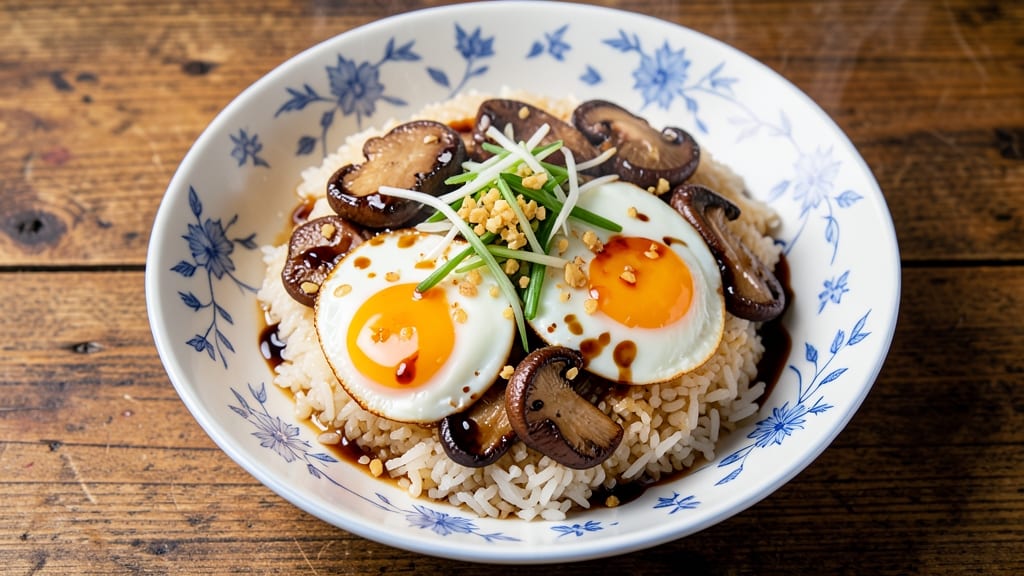
This Cantonese fried rice recipe delivers the perfect balance of smoky wok heat, tender eggy protein, and day-old rice that stays separate with every toss. The secret lies in high-wattage stir-frying and precise ingredient timing—no soggy bites here.
I’ve perfected this version after years of dim sum kitchen trials, where the right ratio of soy sauce to rice and a quick scallion finish elevate it from side dish to star.
What sets this apart is the eggy protein twist—scrambled just enough to bind the rice without overpowering its natural flavor. Traditional Cantonese style calls for day-old rice (never fresh), which absorbs flavors better and achieves that signature dry, crunchy texture.
Pair it with char siu or shrimp for a restaurant-quality meal that’s ready in under 20 minutes. Let’s get cooking.
Ingredients for cantonese rice
Four cups of day-old rice plus aromatic proteins and wok heat—this is your Cantonese fried rice foundation.
| Ingredient | Amount | Notes |
|---|---|---|
| Day-Old Jasmine Rice 🍚 | 4 cups | Cold, broken into small pieces |
| Large Eggs 🥚 | 4 whole | Room temperature, beaten |
| Scallions 🧅 | ½ cup | White and green parts, chopped |
| Garlic Cloves 🧄 | 4 cloves | Minced, for aromatic base |
| Light Soy Sauce 🥄 | ⅓ cup | Kikkoman preferred for balance |
| Dark Soy Sauce 🥄 | 1 tbsp | For rich umami depth |
| Oyster Sauce 🍜 | 1 ½ tbsp | Lee Kum Kee brand recommended |
| Sesame Oil 🫒 | 1 tbsp | Toasted, for finishing aroma |
| Neutral Oil 🫒 | 3 tbsp | Peanut or vegetable oil |
| White Pepper 🌶️ | ¼ tsp | Freshly ground for subtle heat |
| Salt 🧂 | ½ tsp | Kosher or sea salt |
| Dried Shiitake Mushrooms 🍄 | 2 pieces | Rehydrated, chopped |
| Frozen Peas 🌱 | ½ cup | Thawed, for texture contrast |
| Char Siu 🥩 | 1 ½ cups | Diced, optional protein |
The rice makes or breaks this dish. Jasmine rice is ideal—day-old or even leftover works best, as it stays dry and absorbs flavors better. If you're cooking fresh rice, spread it on a tray and refrigerate for at least 4 hours. For the protein, char siu adds authentic Cantonese flavor, but you can swap in shrimp or chicken. The scallions? Buy a bunch and freeze half—they keep for months. Garlic and shiitake mushrooms add depth, so don't skip them. I always grab Lee Kum Kee oyster sauce from the Asian market—it's the gold standard for this dish.
No soy sauce on hand? Coconut aminos in a pinch, though the flavor won't be identical. Fresh shiitake mushrooms? Double the amount and use just the caps. The peas can be fresh or frozen—thawed works perfectly. For extra crunch, add crispy fried shallots at the end. The sesame oil is non-negotiable—it's what gives that signature aroma. Kikkoman light soy sauce is my go-to, but any good-quality brand works. If you're using char siu, make sure it's well-diced so it cooks quickly in the wok.
Rice reheats beautifully—just spread it on a tray to cool before storing. The cooked fried rice keeps for 3-4 days in the fridge, though it's best eaten within 24 hours for peak texture. For freezing, portion into single servings and reheat in a skillet with a splash of water to restore crispiness. The oyster sauce and soy sauce can be pre-mixed in a small jar for convenience. This dish tastes even better the next day as the flavors meld together—perfect for meal prep.
Why You'll Love This Recipe
- No Leftovers Wasted: I swear by this trick—day-old rice transforms into something magical. No sad, dry grains here; the eggs and soy sauce cling to every bite, turning yesterday’s meal into today’s star.
- One-Pan Magic: Honestly, I’ve never had a rice dish this unfussy. Scallions and garlic sizzle in seconds while the eggs scramble right into the rice—no separate bowls, no extra pots. Just stir, taste, adjust.
- Budget Breakfast Hack: Between us, this is my go-to when I’m scrambling (literally) for a cheap, filling meal. A handful of eggs, a few cloves of garlic, and that jar of soy sauce? It’s the kind of dish that makes grocery day feel like a win.
- Crispy Edge, Creamy Heart: That first bite—where the egg meets the rice—is where it all happens. The soy sauce adds this deep, savory punch, while the scallions give it a fresh kick. It’s not fancy, but it’s ridiculously good.
Step-by-step instructions for Cantonese fried rice
Here's the authentic method for restaurant-quality Cantonese fried rice with perfect texture and flavor balance.
Rehydrate and Prepare the Shiitake Mushrooms
Place the 2 pieces dried shiitake mushrooms in a small bowl and cover with hot water. Let them soak for 10 minutes until they've absorbed the water and expanded significantly. Drain thoroughly and then chop them into small, even pieces—about ¼-inch thick. I like to use a sharp chef's knife for this to maintain consistent sizing throughout the dish.
The mushrooms will add a meaty texture and deep umami flavor that complements the rice perfectly. If they're particularly tough after rehydration, you can give them a quick pulse in a food processor before chopping to break down the fibers slightly. This step ensures your mushrooms will cook quickly and evenly during the stir-fry process.
Beat the Eggs and Prepare the Aromatics
In a medium bowl, beat the 4 whole large eggs until the yolks and whites are fully combined and the mixture is uniform in color. I use a fork for this—just enough to blend them without creating too many air bubbles. Keep the beaten eggs at room temperature while you prepare the rest of the ingredients.
In a separate small bowl, combine the 0.5 cup chopped scallions and 4 cloves minced garlic. This prep station keeps your workspace organized and makes it easy to add these aromatics at the perfect moment during cooking. The scallions should be cut into ¼-inch pieces while the garlic should be finely minced—this ensures they distribute evenly throughout the rice without overwhelming the dish.
Create the Sauce Mixture
In a small measuring cup or bowl, combine the 0.33 cup light soy sauce, 1 tablespoon dark soy sauce, and 1.5 tablespoons oyster sauce. Mix well to create a balanced sauce that will provide both color and depth of flavor. The dark soy sauce is particularly important here—it gives the fried rice its signature dark, glossy appearance while adding a rich, caramelized taste.
Set this sauce mixture aside while you prepare the wok. I like to taste it at this stage to ensure the balance is right—it should be salty but not overpowering, with a hint of sweetness from the oyster sauce. If you find it too strong, you can dilute it slightly with 1 teaspoon of water, but usually, this combination works perfectly as written.
Cook the Eggs and Prepare the Rice Base
Heat a wok or large skillet over high heat until it's smoking hot. Add 1 tablespoon of the neutral oil and swirl to coat the bottom evenly. Pour in the beaten eggs and let them cook undisturbed for 20-30 seconds until the edges start to set. Then, using a spatula, gently push the cooked edges toward the center while tilting the wok to let the uncooked egg flow to the edges. Continue this motion until the eggs are softly set but still slightly runny in the center—this creates that classic "eggy" texture we want in Cantonese fried rice.
Remove the eggs from the wok and set aside. Add another 1 tablespoon of neutral oil to the wok and return it to high heat. Add the 4 cups day-old jasmine rice, breaking up any large clumps with your spatula. Stir-fry the rice for 1-2 minutes, letting it get hot and slightly crispy in spots before adding any other ingredients. This initial toasting of the rice is crucial—it builds flavor and prevents the rice from becoming mushy.
Stir-Fry All Ingredients Together
Add the 1.5 cups diced char siu to the wok and stir-fry for 1 minute, letting the pieces warm through and absorb some of the rice's natural starch. Then add the 0.5 cup thawed frozen peas, prepared shiitake mushrooms, and the sauce mixture. Stir-fry vigorously for 2-3 minutes, using a spatula to toss everything together quickly and evenly.
Push the rice mixture to one side of the wok and add the remaining 1 tablespoon of neutral oil to the empty space. Once the oil is hot, add the scallion and garlic mixture and stir-fry for 30 seconds until fragrant. Then pour this aromatic oil mixture over the rice and stir everything together for another 1-2 minutes. The rice should be hot throughout, with each grain separate and coated in the flavorful sauce.
Finish and Serve Immediately
Remove the wok from heat and stir in the 1 tablespoon sesame oil and 0.25 teaspoon white pepper. Taste and adjust seasoning with the 0.5 teaspoon salt if needed—you might need a bit more salt to balance the flavors, especially if your soy sauces vary in saltiness. The dish should be well-seasoned but not overwhelmingly salty.
Transfer the fried rice to a serving platter and garnish with additional chopped scallions if desired. Serve immediately while the rice is hot and the eggs are still slightly runny. The key to perfect Cantonese fried rice is timing—don't let it sit for more than a few minutes after cooking, or the texture will suffer. Each bite should deliver a perfect balance of textures: crispy rice edges, tender shiitake mushrooms, juicy char siu, and that signature eggy richness.
Pro Tips For Making Cantonese Rice
- STIR-FRY RICE DRY: Use day-old rice—fresh rice turns mushy, and no one wants gluey Cantonese rice. Spread leftover rice on a tray after cooking, let it cool completely, then refrigerate overnight. Cold, dry grains crisp up perfectly when stir-fried.
- CRACK EGGS HOT: Scramble the eggs in the same wok after the rice starts cooking—don’t pre-fry them. The residual heat from the rice keeps the eggs creamy, not rubbery. Push them to one side, let them set slightly, then mix in at the end for that signature "wet" texture.
- GARLIC MINCE SMALL: Slice garlic cloves into thin slivers, not chunks. Tiny pieces toast faster without burning, and they dissolve into the rice instead of sitting as chewy bits. Use a sharp knife—this isn’t the time for heroics with a dull one.
- SOY SAUCE LAST: Add light soy sauce after the garlic and scallions cook down—about 30 seconds before serving. Too early, and the acidity breaks down the rice’s texture. Taste as you go; start with half the recipe’s amount, then adjust. You’re aiming for flavor, not a salty punch.
Essential equipment for this recipe
Wok Essentials
A carbon steel wok is my top recommendation for authentic Cantonese fried rice—it heats up fast and retains heat perfectly for that signature wok hei (breath of the wok) flavor. Look for a 14-inch diameter with sloped sides and a flat bottom.
I use the De Buyer 14-inch carbon steel wok—it’s durable and develops a natural non-stick patina over time. For beginners, a stainless steel wok like the Made In wok is easier to maintain and still delivers great results. 🔥
Heat Source
High, consistent heat is non-negotiable for fried rice. A gas stove is ideal because you can control the flame directly, but if you’re using electric, look for a flat-top burner with high BTU output. I avoid induction cooktops for this dish—they struggle to maintain the high, even heat needed.
If you’re cooking on gas, use a diffuser to spread the flame evenly across the wok’s surface. Pro tip: Let your wok preheat until it’s smoking hot before adding oil—this ensures your rice gets that crispy, toasted edge.
Tools for Perfect Texture
You’ll need a wide-angle spatula (like the Victorinox 10-inch wok spatula) to toss the rice quickly and evenly. A tongs set with silicone tips is also handy for flipping char siu and mushrooms without tearing them.
For chopping, a sharp chef’s knife (I prefer the Mac knife) is essential—it makes quick work of garlic, scallions, and shiitake mushrooms. Don’t skip the fine-mesh strainer for draining rehydrated mushrooms and rinsing rice if needed.
Optional Upgrades
For extra convenience, a wok stand (like the Cuisinart 14-inch) elevates your wok for better heat circulation and easier cleanup. If you’re serious about wok cooking, invest in a wok brush with natural bristles to scrub away residue without damaging the seasoning.
A small ladle (about 4 oz) helps with adding oil and sauces in precise amounts. For storage, keep your wok in a dry place—carbon steel woks need occasional oiling to prevent rust, but once seasoned, they’ll last for years. ✨
Nutrition facts
Frequently asked questions
Why does Cantonese fried rice need day-old rice?
Day-old rice is crucial because it's dry and firm, preventing the final dish from becoming mushy. Fresh rice contains too much moisture, which turns to steam during cooking and makes the grains clump together. The slight dryness also helps the rice absorb the savory sauces better, creating that signature separate-grain texture we all love. Plus, it tastes more flavorful after sitting overnight!
Can I make this with fresh rice if I don't have leftovers?
Yes, but you'll need to dry it properly. Spread freshly cooked rice on a baking sheet and let it cool completely (about 2-3 hours), then refrigerate for at least 4 hours to remove excess moisture. For faster results, spread it on a tray and place it in the freezer for 30 minutes to dry out. The key is eliminating all surface moisture before cooking.
What's the secret to getting that perfect eggy texture?
The magic happens in the wok! Cook the eggs until they're just set at the edges but still slightly runny in the center (about 20-30 seconds of undisturbed cooking). Then immediately remove them and set aside. When you add them back later, they'll re-melt slightly from the residual heat, creating those signature soft, custardy egg ribbons throughout the rice. Never overcook them!
How do I adjust this recipe for spicier Cantonese-style fried rice?
For extra heat, add ½ teaspoon of chili flakes or 1 teaspoon of chili crisp at the end of cooking. For a more traditional approach, stir in 1 teaspoon of doubanjiang (fermented chili bean paste) when adding the sauce mixture. If you like it fiery, you can also add ½ teaspoon of Sichuan peppercorns (toasted and crushed) for that signature numbing-spicy kick.
Can I use this fried rice as a filling for dumplings or bao?
This fried rice works perfectly as a bao or dumpling filling. Let it cool completely first, then pack it into wrappers. For bao, you might want to reduce the oil slightly (use 2 tablespoons total instead of 3) to prevent greasiness. The eggy texture adds wonderful richness to the steamed buns. Just make sure your filling isn't too wet—if needed, spread it on a tray and chill for 30 minutes to firm up before wrapping.