
Main Courses
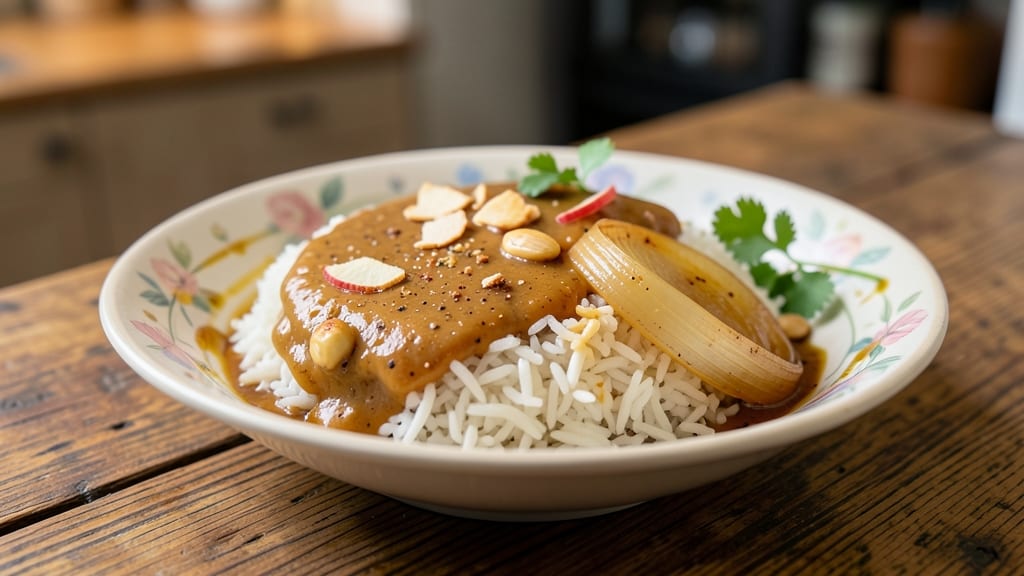
Cameroon coconut rice transforms simple rice into a fragrant, creamy masterpiece where spice and coconut milk create an irresistible harmony. This dish is the heart of Cameroonian feasts, where tender rice absorbs rich flavors while maintaining its perfect texture. The secret lies in layering spices and coconut milk just right—no shortcuts, just authentic depth.
What makes this recipe special is its balance: fragrant basmati rice meets velvety coconut milk, all infused with warm spices that linger on the palate. The result is a dish that feels both comforting and celebratory, perfect for special occasions or weeknight dinners when you crave something extraordinary.
Every bite delivers creamy coconut essence with a hint of spice, making it a standout centerpiece.
Ingredients for cameroon coconut rice
Fragrant basmati rice meets velvety coconut milk and aromatic spices for a dish that's both comforting and extraordinary.
| Ingredient | Amount | Notes |
|---|---|---|
| Long-Grain Basmati Rice 🍚 | 1 ½ cups | Uncooked, rinsed thoroughly |
| Coconut Milk (Full-Fat) 🥥 | 13 ½ oz | High-quality, no additives |
| Vegetable Oil 🫒 | ¼ cup | Light, neutral flavor preferred |
| Onion 🧅 | 1 whole | Yellow or red, finely diced |
| Fresh Ginger 🌿 | ½ cup | Finely grated, about 2 inches |
| Garlic Cloves 🧄 | 6 cloves | Minced, fresh preferred |
| Ground Turmeric 🌶️ | 1 tsp | Bright yellow, freshly ground |
| Ground Cumin 🌿 | 1 tsp | Toasted for deeper flavor |
| Ground Coriander 🌿 | 1 tsp | Freshly ground preferred |
| Salt 🧂 | 1 ½ tsp | Diamond Crystal kosher salt |
| Bay Leaves 🍃 | 2 whole | Fresh preferred, dried works |
| Fresh Cilantro 🌿 | ¼ cup | Chopped, for garnish only |
| Fresh Lemon Juice 🍋 | 1 tbsp | Freshly squeezed, bright flavor |
The coconut milk is non-negotiable—full-fat only delivers that authentic creamy texture. Thai Kitchen or Aroy-D brand are my go-tos, but any high-quality canned coconut milk works. Fresh ginger and garlic are where the magic happens: grate the ginger while it's still firm, and mince the garlic finely—no chunks. For the rice, basmati is essential—its long grains hold up better to the coconut milk's richness. If you can't find basmati, jasmine is a close second, but it'll be slightly stickier. Rinsing the rice thoroughly removes excess starch, preventing gummy texture.
No fresh ginger? Substitute with 1/2 teaspoon ground ginger, but you'll lose that bright, zesty punch. Running out of bay leaves? Dried thyme at half the amount works in a pinch, though it won't be identical. The spices—turmeric, cumin, and coriander—are the soul of this dish. Toast them lightly in the oil first to deepen their flavors. For the oil, vegetable or canola oil is neutral enough not to compete with the coconut. If you're using dried bay leaves, crush them lightly before adding to release their essential oils—trust me, it makes a difference.
This dish tastes even better the next day as the flavors meld together. Store leftovers in an airtight container in the fridge for up to 5 days. For longer storage, freeze portions for up to 3 months. The rice reheats beautifully—just add a splash of water or coconut milk and cover tightly. Garnish with fresh cilantro right before serving, as it wilts quickly. Double the batch if you're feeding a crowd—it disappears fast, especially when served with grilled meats or fish.
Why You'll Love This Recipe
- One-Pot Magic: I swear by this recipe because it’s literally one pot—no rice cooker, no extra bowls, just you, a deep skillet, and 20 minutes of hands-off cooking. The rice soaks up the coconut milk while the onions caramelize, and by the time you’re stirring in that fresh ginger, the whole kitchen smells like a tropical vacation. (Yes, even on a Tuesday night.)
- Creamy Without Guilt: Here’s what sold me—the full-fat coconut milk makes it ridiculously rich, but the basmati rice keeps it light and fluffy. No heavy cream, no weird aftertaste, just that perfect balance of sweet, spicy, and umami from the ginger and onions. It’s the kind of dish where you take the last bite and immediately want to make it again.
- Leftovers That Shine: Between us, this rice tastes better the next day—like it’s been marinating in its own coconut goodness. I make a big batch on Sundays, and by Thursday, it’s still my go-to for quick lunches or pairing with grilled fish. (Pro tip: Reheat with a splash of water to keep it from drying out.)
- Budget Luxury: Honestly, this is my secret weapon for fancy-feeling meals without breaking the bank. Coconut milk is cheap in cans, basmati rice lasts forever, and the other ingredients? Basic pantry staples. Yet somehow, it feels like you’re serving something special—great for potlucks, date nights, or just when you want to impress without stress.
Step-by-step instructions for Cameroon coconut rice
Master this aromatic technique for perfectly balanced rice—creamy yet distinct, infused with West African spices.
Toast the Aromatics in Vegetable Oil
Heat the 0.25 cup vegetable oil in a heavy-bottomed pot over medium heat. Add the 1 whole onion and cook for 5-6 minutes until softened and translucent, stirring occasionally. This foundational step develops flavor without burning.
Add the 0.5 cup fresh ginger and 6 cloves garlic cloves, cooking for another 2-3 minutes until the raw aroma disappears and the mixture becomes fragrant. The ginger should darken slightly at the edges—this indicates proper toasting. Remove from heat temporarily to avoid burning the delicate spices.
Bloom the Spices and Build the Base
Return the pot to medium heat and add the 1 tsp ground turmeric, 1 tsp ground cumin, 1 tsp ground coriander, and 1.5 tsp salt. Stir continuously for 30 seconds to bloom the spices—you'll see their essential oils release and fill the kitchen with warm, earthy aromas. This step prevents bitter flavors from developing later.
Add the 2 whole bay leaves and stir for another 10 seconds. The spices should now coat the onions and aromatics evenly. This aromatic layer forms the flavor foundation for the entire dish, so don't rush this critical step. The mixture should look vibrant and smell deeply spiced.
Add Rice and Toast for Even Color
Increase heat to medium-high and add the 1.5 cups long-grain basmati rice, stirring vigorously for 2 minutes to coat each grain with the spice mixture. The rice should develop an even golden hue—this ensures consistent flavor distribution throughout the dish. If you notice any dry spots, add 1 tablespoon water and stir until fully incorporated.
Pour in the 13.5 oz full-fat coconut milk and bring to a gentle boil. Once boiling, reduce heat to low and cover the pot with a tight-fitting lid. The liquid should come just to the top of the rice grains—this ensures proper hydration without making the rice mushy. Let it simmer undisturbed for 15 minutes before checking for doneness.
Steam to Perfect Texture
After the initial 15 minutes, check the rice by lifting a grain with a fork. It should be tender but still slightly firm in the center. If needed, add 2-3 tablespoons water and continue cooking for another 5-10 minutes on low heat. The rice should finish cooking in the residual steam, absorbing all the coconut milk's creaminess while maintaining its distinct texture.
Remove from heat and let the rice sit covered for 10 minutes. This resting period allows the flavors to meld and the rice to finish absorbing any remaining liquid. The result should be grains that are tender yet separate, with a creamy coconut base that coats each one. The spices should be present but not overpowering, creating a harmonious balance.
Finish with Fresh Herbs and Acid
Gently fold in the 0.25 cup fresh cilantro and 1 tbsp fresh lemon juice using a wooden spoon. The lemon juice brightens the dish, cutting through the richness of the coconut milk while enhancing the herbal notes. The cilantro should be distributed evenly throughout—this adds freshness and visual appeal to the finished dish.
Serve immediately, garnished with additional cilantro if desired. The rice should have a subtle golden crust at the bottom of the pot, indicating proper caramelization. Each bite should deliver a perfect balance of creamy coconut, aromatic spices, and bright citrus notes—this is the hallmark of authentic Cameroon coconut rice.
Pro Tips For Making Cameroon Coconut Rice
- Bloom the Onions: Slice your onions paper-thin and cook them in the oil until they’re translucent but not brown—this takes about 5 minutes on medium heat. I used to rush this, and the rice would taste raw and sharp. Let them soften first, or the coconut milk will just sit on top like a sad, unabsorbed blanket.
- Toast the Ginger: Grate the ginger finely (no chunks!) and fry it with the onions until it’s fragrant and just starting to turn golden—about 2 minutes. My grandmother swore by this, and she was right: raw ginger dominates the dish. A quick sear mellows it out and lets the coconut milk shine.
- Use Two Cans: Split the coconut milk into two cans—one for cooking, one for finishing. Stir the first can into the rice halfway through cooking, then fold in the second at the very end. This keeps the rice from turning gluey and gives you that luxurious creaminess at the last second.
- Don’t Stir the Rice: Once the rice hits the coconut milk, stop stirring. Let it sit undisturbed for 3 minutes after the liquid comes to a boil—this lets the grains absorb evenly without turning mushy. I know, I know, it’s weird, but trust the process. Your future self will thank you.
Serving suggestions for this dish
Protein Pairings
Cameroon coconut rice shines alongside tender, spice-marinated meats. Grilled chicken thighs with a blend of paprika, garlic, and ginger complement the dish beautifully. For a seafood twist, try grilled mahi-mahi brushed with a lemon-ginger glaze—the citrus brightens both the rice and fish.
I often serve it with beef stew for a hearty, traditional meal. 🍗
Vegetable Sides
Light, fresh sides balance the richness of the coconut rice. A simple mango-avocado salad with lime and chili adds vibrant contrast. For a cooked option, steamed green beans with garlic and a squeeze of lemon keep things fresh.
Roasted eggplant with cumin and paprika also pairs wonderfully, absorbing the rice's aromatic flavors. 🥑
Beverage Matches
Cool, citrusy drinks cut through the coconut's creaminess. A hibiscus-ginger iced tea with mint is perfect—its tartness refreshes the palate. For beer lovers, a light lager like Guinness or Heineken complements the dish without overpowering it. Sparkling water with lime wedges is my go-to for a non-alcoholic option. 🍹
Garnish Ideas
Fresh garnishes elevate the dish's presentation. A sprinkle of toasted coconut flakes adds texture and depth. Thinly sliced scallions bring a crisp bite, while lime zest brightens the flavors. For extra flair, drizzle with chili oil or a touch of hot honey—both add a subtle kick. 🌶️
Dessert Pairings
End the meal with something light yet satisfying. A coconut sorbet mirrors the rice's flavors without overwhelming it. For a traditional touch, serve plantain chips with a spicy dipping sauce. Fresh mango slices with a sprinkle of chili powder offer a sweet-spicy finish. 🍍
Plating Presentation
Use a white or neutral plate to let the rice's golden hues stand out. Pile the rice slightly off-center and arrange protein or sides around it. A drizzle of coconut cream adds visual appeal, while fresh herbs scattered on top complete the look.
Serve family-style in a large bowl for a communal feel—this dish is meant to be shared. ✨
Nutrition facts
Frequently asked questions
Can I use jasmine rice instead of basmati?
Jasmine rice works in a pinch, but it won't be identical. Basmati's long grains hold up better to the coconut milk's richness, while jasmine will be slightly stickier. If using jasmine, reduce the coconut milk by 2 tablespoons to prevent mushiness. The aroma will be different—jasmine has a floral note while basmati is nuttier.
How do I make this dish less spicy?
Reduce the ground spices by half (0.5 teaspoon each of turmeric, cumin, and coriander) and omit the chili oil garnish. For extra mildness, add 1 extra tablespoon lemon juice at the end—it balances flavors without heat. The coconut milk naturally softens any spice intensity, so don't worry about overpowering the dish.
Can I prepare this ahead of time?
This dish tastes even better the next day as flavors meld together. Store leftovers in an airtight container in the fridge for up to 5 days. Reheat gently with a splash of water or coconut milk, covering tightly. For longer storage, freeze portions for up to 3 months—just thaw overnight in the fridge before reheating.
What's the secret to creamy coconut rice?
The key is using full-fat coconut milk and toasting the spices properly. Bloom the spices in oil for 30 seconds to release their oils, then coat the rice thoroughly before adding liquid. The resting period (10 minutes covered) lets the rice absorb all the coconut creaminess while maintaining texture.
Why does my rice turn out mushy?
Mushy rice usually means too much liquid or insufficient resting time. Check your measurements—rice should be covered by just 1/4 inch of liquid. Always let the rice rest 10 minutes after cooking. If using jasmine rice, reduce coconut milk by 2 tablespoons to compensate for its stickier nature.