
Main Courses
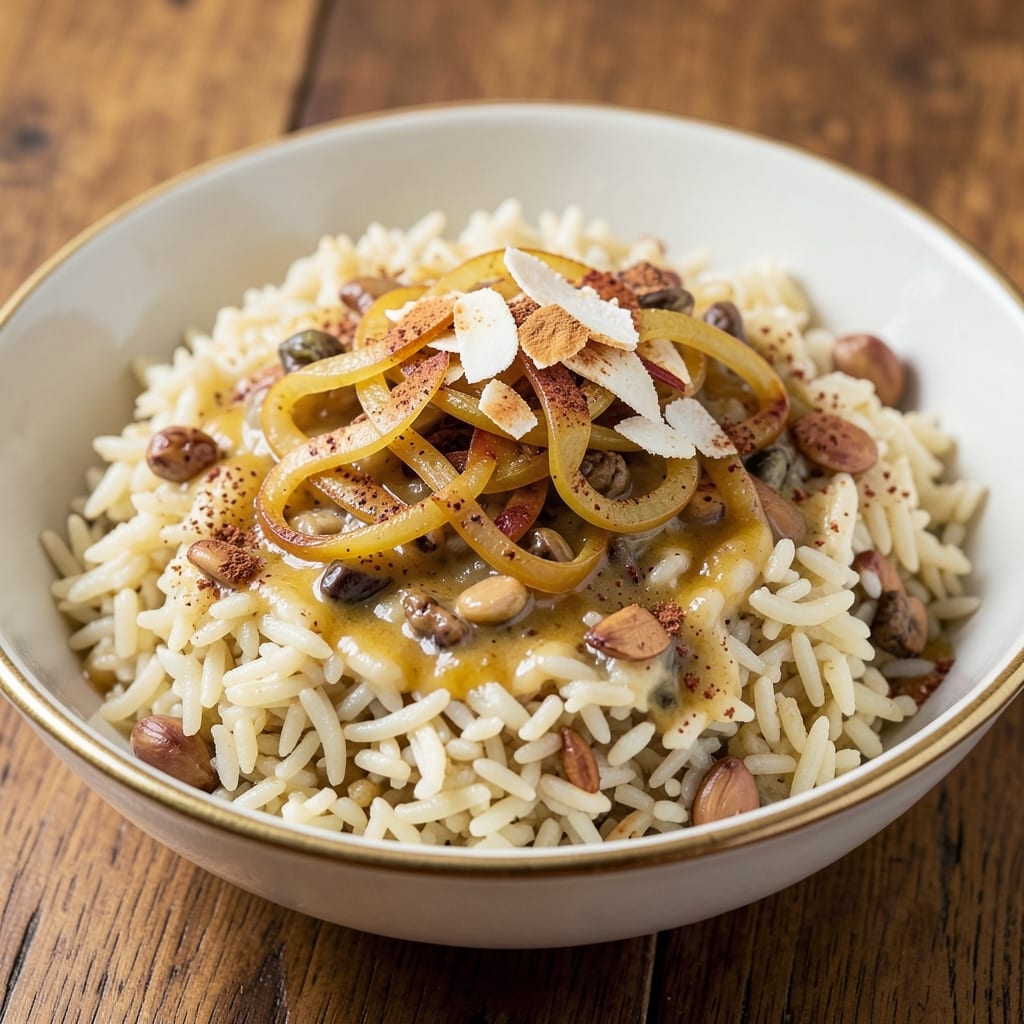
This African coconut rice recipe transforms simple grains into a fragrant, spice-infused masterpiece that bridges West and East African traditions. The secret lies in toasting whole spices—cinnamon, cardamom, and cloves—until their aromas fill your kitchen, then simmering them with coconut milk until the rice absorbs their golden depth. I first made this during a family gathering when we needed a dish that felt both celebratory and comforting, and it became an instant favorite.
The magic happens in layers: first, the spices bloom in coconut cream, releasing their warm, earthy notes before coating each grain of rice. Long-grain basmati or jasmine rice works best here, absorbing the coconut milk without turning mushy. This isn’t just rice—it’s a canvas for bold flavors, where the natural sweetness of coconut meets the complexity of African spices like thyme and bay leaf. The result? A dish that’s creamy, aromatic, and impossible to resist.
What makes this recipe special is its versatility. Serve it as a centerpiece alongside grilled fish or spicy stews, or let it shine as a standalone dish with a side of roasted vegetables. The texture is perfectly tender, with each grain distinct yet bound together by the rich coconut-spice broth. It’s the kind of meal that turns ordinary weeknights into a taste of Africa’s vibrant culinary traditions.
For those who love customization, swap in curry powder for a West African twist or add a pinch of nutmeg for an East African touch. The key is balancing the spices—start with less if you’re unsure, then adjust to taste. This recipe isn’t just about following steps; it’s about creating a dish that tells a story. Let’s get cooking!
Ingredients for african coconut rice
Spices, coconut cream, and fragrant rice—this is where African warmth meets kitchen magic.
| Ingredient | Amount | Notes |
|---|---|---|
| Long-Grain Basmati Rice 🍚 | 1 ½ cups | Uncooked, rinsed well |
| Coconut Milk 🥥 | 1 can (13.5 oz) | Full-fat, unsweetened |
| Yellow Onion 🧅 | 1 whole | Medium, finely chopped |
| Garlic Cloves 🧄 | 4 cloves | Peeled, minced |
| Ground Cinnamon 🌿 | 1 tsp | Freshly ground preferred |
| Ground Cardamom 🌿 | ½ tsp | Freshly ground preferred |
| Whole Cloves 🌶️ | 4 whole | Lightly crushed |
| Fresh Thyme 🌿 | ¼ cup | Leaves only, chopped |
| Bay Leaves 🍃 | 2 whole | Dried, standard size |
| Salt 🧂 | 1 ½ tsp | Kosher or sea salt |
| Black Peppercorns 🌶️ | ½ tsp | Freshly cracked |
| Olive Oil 🫒 | 2 tbsp | Extra-virgin preferred |
| Water 💧 | 2 cups | Filtered or spring water |
The spices are everything here. Whole spices like cinnamon and cardamom need to be toasted in olive oil until fragrant—this releases their oils and makes the difference between good and amazing. Trader Joe's or Whole Foods have the best bulk spice options, but any grocery store's spice aisle will work if the jars are sealed tight. For thyme, fresh is ideal—it adds a bright, herbal note—but dried works in a pinch. The coconut milk should be full-fat—none of that watered-down stuff. And don't skip rinsing the rice—it removes excess starch so the grains stay separate.
No cardamom? Allspice at half the amount gives a similar warmth. Running low on cloves? Nutmeg works too, though it's not identical. The bay leaves can be skipped if you're short, but they add that deep, earthy backbone. For the onion, yellow or red both work—just make sure it's fresh. If your coconut milk smells like coconut but tastes flat, it's past its prime—grab a new can. The rice? Basmati or jasmine are perfect, but any long-grain will do. And if you're feeling adventurous, swap half the coconut milk for light coconut milk to cut costs without sacrificing flavor.
This keeps beautifully—3-4 days in the fridge, covered tightly. The flavors actually deepen overnight, so making it ahead is a great idea. For leftovers, reheat gently with a splash of water or coconut milk to restore moisture. Freezes well for up to 3 months if you portion it into airtight containers. I like to make a double batch—one for dinner, one for lunch the next day. The rice reheats perfectly, and the spices keep it tasting fresh.
Why You'll Love This Recipe
- One-Pot Magic: I swear by this—just rice, coconut milk, and a handful of pantry staples. No extra bowls, no fuss. The onions caramelize right in the pot while the cinnamon infuses the milk, and suddenly, dinner feels like a spa day.
- Creamy Yet Crispy: That golden crust at the edges? Chef’s kiss. The basmati stays separate and fluffy while soaking up the rich coconut milk, but the edges get just crispy enough to make you want to eat it with your hands. (Yes, even on a Tuesday night.)
- Weeknight Workhorse: Between us, this is my go-to when I’m too tired to plan. Toss it with grilled chicken or fish for lunch the next day, or serve it as a side for stews. The cinnamon and garlic give it enough depth to stand alone, but it’s happy playing second fiddle too.
- Budget Luxury: Coconut milk makes everything feel special, but it’s cheaper than you think—especially when you use it for rice. A can lasts me three batches, and the leftovers? Even better reheated with a splash of water to loosen it up. Fancy without the price tag.
Step-by-step instructions for African coconut rice
Here's how to create fragrant, spiced coconut rice that balances sweet and savory perfectly.
Toast the Spices for Maximum Flavor
Heat the 2 tablespoons olive oil in a medium saucepan over medium heat. Add the 1 whole yellow onion and cook for 5 minutes until softened and translucent. Add the 4 cloves garlic cloves and cook for another 1 minute until fragrant.
Now for the star of the show: add the 1 teaspoon ground cinnamon, 0.5 teaspoon ground cardamom, 4 whole cloves, 0.25 cup fresh thyme, 2 whole bay leaves, 1.5 teaspoons salt, and 0.5 teaspoon black peppercorns. Toast the spices for 1-2 minutes until you can smell their warm, aromatic oils being released. This step builds the complex spice foundation that makes this dish special.
Cook the Rice in Coconut Milk
Add the 1.5 cups long-grain basmati rice to the pan and stir to coat it evenly with the spiced oil. Pour in the 1 can (13.5 oz) coconut milk and the 2 cups water, stirring gently to combine. Bring the mixture to a gentle boil over medium-high heat. Once boiling, reduce heat to low and cover tightly with a lid.
Let the rice simmer for 15 minutes without stirring. The coconut milk will create a creamy, fragrant base while the rice absorbs the liquid. If you notice the rice is sticking to the bottom after 10 minutes, gently stir and add 1-2 tablespoons water to maintain the proper consistency. The goal is tender, separate grains with a delicate coconut aroma.
Rest and Fluff to Perfection
After 15 minutes, turn off the heat and let the rice sit covered for 10 minutes. This resting period allows the rice to finish steaming and absorb any remaining liquid. Don't skip this step—it's what transforms good rice into exceptional rice.
Once rested, remove the lid and use a fork to gently fluff the rice, separating the grains. The rice should be tender but still have a slight bite. If it's too moist, uncover and let it sit for another 5 minutes to evaporate excess liquid. The final texture should be creamy from the coconut milk but with distinct grains that don't clump together.
Pro Tips For Making African Coconut Rice
- Bloom the Onion Slow: African coconut rice relies on deep, caramelized onion flavor—don’t rush this. Cook the onions on medium-low heat for 10-12 minutes until they’re soft, golden, and nearly dry. I used to burn them chasing color, but patience here builds the dish’s soul.
- Toast the Cinnamon: Skip the pre-ground cinnamon and toast whole sticks in the oil for 30 seconds until fragrant. Grind fresh in a mortar or spice grinder—this prevents bitterness and makes the aroma pop. (Yes, it’s extra work, but the difference is noticeable.)
- Don’t Stir the Rice: Once the rice hits the coconut milk, resist the urge to stir. Let it sit undisturbed for 2 minutes to bloom evenly, then stir once gently. I learned this after watching my rice clump like glue—now it stays fluffy and separate.
- Use Full-Fat Coconut Milk: The creaminess of full-fat coconut milk (40%+) is non-negotiable here. Light versions water down the texture and dilute the flavor. If you’re out, blend canned coconut milk with a spoonful of coconut cream—it’s a quick fix that saves the dish.
Health benefits of african coconut rice
Heart-Healthy Coconut
The coconut milk in this dish provides medium-chain triglycerides (MCTs), which are metabolized quickly for an energy boost without spiking blood sugar. A 1-cup serving contains about 13 grams of healthy fats, supporting brain function and reducing LDL cholesterol when consumed in moderation. The fiber-rich basmati rice balances this with 4 grams of fiber per serving, promoting digestive health and steady energy levels. 💪
Spice Benefits
The cinnamon and cardamom in this recipe aren’t just for flavor—they’re packed with antioxidants. Cinnamon helps regulate blood sugar, while cardamom aids digestion and may reduce inflammation. Even the whole cloves contribute eugenol, a compound with antimicrobial properties. Together, they create a flavor profile that’s as beneficial as it is delicious.
Protein Boost
While this dish isn’t a protein powerhouse on its own, pairing it with grilled fish (like tilapia or salmon) adds 20-30 grams of lean protein per serving. The combination of coconut’s healthy fats and fish protein makes this a balanced, satisfying meal. For vegetarians, adding lentils or chickpeas (about ½ cup cooked) bumps the protein to 12 grams per serving while keeping the dish hearty and flavorful.
Anti-Inflammatory Power
The thyme and bay leaves in this recipe contain rosmarinic acid and eugenol, compounds that help reduce inflammation in the body. Combined with the antioxidant-rich coconut milk, this dish becomes a natural anti-inflammatory powerhouse. Regularly including such spices in your diet can support long-term health, particularly for those managing chronic conditions like arthritis or heart disease.
Digestive Support
The fiber in basmati rice and healthy fats in coconut milk work together to promote gut health, but the real star here is the ginger-like warmth of the spices. Cardamom, in particular, stimulates digestion and may help relieve bloating. For an extra digestive boost, add a pinch of fresh ginger (about ½ teaspoon grated) to the coconut milk while cooking—it enhances the flavor while supporting digestion. ✨
Blood Sugar Balance
This dish is naturally low-glycemic thanks to the coconut milk and whole spices, which help slow the absorption of carbohydrates. The cinnamon in the recipe further supports blood sugar regulation by improving insulin sensitivity. For those monitoring their blood sugar, this makes it a smart choice—especially when paired with lean protein or vegetables to create a balanced plate.
Nutrition facts
Frequently asked questions
Can I substitute coconut milk with another liquid?
While coconut milk is essential for authentic flavor, you can use half coconut milk and half chicken or vegetable broth for a lighter version. For a dairy-free alternative, try cashew cream (blended soaked cashews with water) in a 1:1 ratio. Avoid full water substitution—the spices need fat to develop properly. The texture will be less creamy but still flavorful.
How do I adjust this recipe for a larger crowd?
Double or triple all ingredients while keeping the same ratios. Use a larger pot (like a Dutch oven) to maintain even cooking. For 6 servings, you'll need 3 cups rice, 2 cans coconut milk, and 4 cups water. Cooking time increases by 5 minutes per additional cup of rice. Stir gently at the 10-minute mark to prevent sticking.
Why does my rice turn out mushy?
Mushy rice usually means either too much liquid or insufficient resting time. Always use 1:1.5 rice-to-liquid ratio (1.5 cups liquid per cup rice). After cooking, let it rest covered for 10 minutes—this crucial step absorbs excess moisture. If still too wet, spread on a tray and bake at 300°F for 10 minutes to evaporate extra liquid.
What's the best way to reheat leftovers?
Gently reheat in a skillet over low heat with 1 tablespoon coconut milk or water to restore moisture. Microwaving works too—cover with a damp paper towel and heat in 30-second intervals, stirring between each. For extra flavor, add a pinch of cinnamon or cardamom while reheating. Never reheat dry—it makes the rice tough.
Can I make this vegetarian or vegan?
Skip the fish pairings and add ½ cup cooked lentils or chickpeas for protein. For vegan coconut milk, use brands without dairy additives. Garnish with toasted coconut flakes or fresh herbs like cilantro. The dish remains rich and satisfying while being completely plant-based.