
Side Dishes
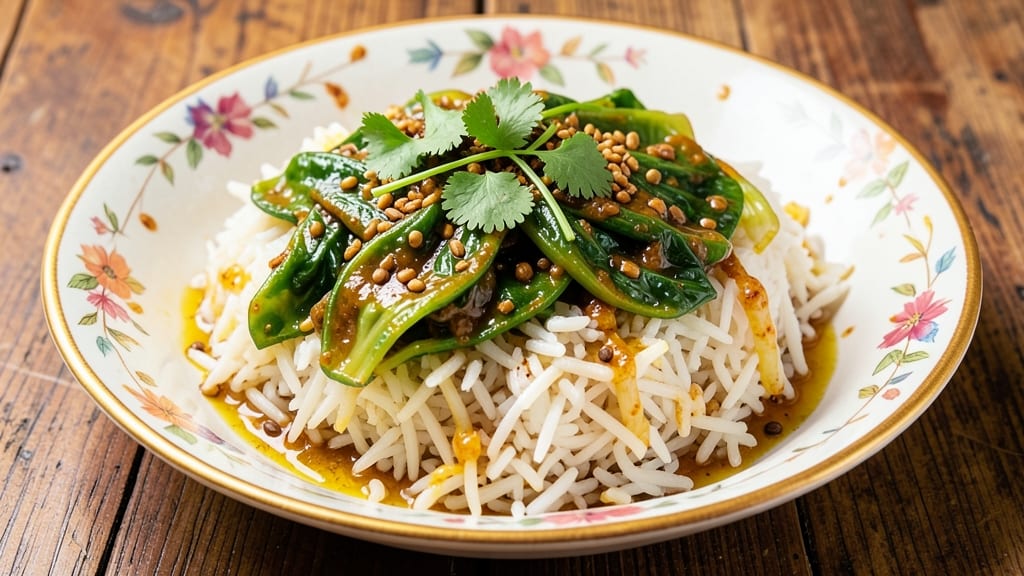
This Indian cabbage rice recipe transforms simple ingredients into a fragrant, one-pot masterpiece where turmeric-infused rice meets crisp-tender cabbage in a symphony of mustard seeds and cumin.
The secret lies in tempering whole spices in hot oil until they sing, then letting them bloom into the rice—creating layers of aroma that turn a basic side dish into something restaurant-worthy.
I’ve perfected this method to balance textures: fluffy rice clings to cabbage that stays crisp at the edges while melting slightly in the center.
The beauty of this dish is its versatility—it works as a standalone meal or pairs perfectly with yogurt-based raita, crisp papad, or a simple dal. South Indian versions often include curry leaves for depth, while North Indian styles might add a touch of garam masala.
What makes this recipe truly special is how the flavors develop during cooking: the mustard seeds pop with their signature crackle, turmeric stains the rice a vibrant yellow, and the cabbage absorbs just enough spice to complement rather than overpower.
Ready in under 45 minutes, this dish delivers the essence of home-cooked Indian comfort without the fuss.
Ingredients for cabbage rice indian
Simple spices, vibrant cabbage, and fragrant rice create this aromatic Indian masterpiece.
| Ingredient | Amount | Notes |
|---|---|---|
| Long-Grain Basmati Rice 🌾 | 1 cup | Uncooked, rinsed thoroughly |
| Green Cabbage 🥬 | 4 cups | Shredded, core removed |
| Mustard Seeds 🌿 | 1 tbsp | Whole, yellow variety |
| Cumin Seeds 🌶️ | ½ tsp | Whole, toasted lightly |
| Turmeric Powder 🌿 | ½ tsp | Freshly ground preferred |
| Ginger-Garlic Paste 🧄 | 1 tbsp | Freshly prepared blend |
| Curry Leaves 🌿 | ¼ cup | Fresh, lightly crushed |
| Vegetable Oil 🫒 | ½ cup | High smoke point preferred |
| Water 💧 | 2 cups | Room temperature preferred |
| Salt 🧂 | 1 tsp | Adjust to taste |
| Red Chili Powder 🌶️ | ½ tsp | Adjust for heat preference |
| Fresh Cilantro 🌿 | ¼ cup | Chopped, for garnish |
| Lemon Juice 🍋 | 1 tbsp | Freshly squeezed |
| Garam Masala Powder 🌶️ | ½ tsp | Toasted for depth |
The mustard seeds are the star here—yellow mustard seeds from Indian grocery stores or bulk bins deliver that signature crackle. Whole spices like cumin and curry leaves add depth, so don’t substitute pre-ground versions. For cabbage, look for firm heads with crisp leaves—avoid any with wilted outer layers. The ginger-garlic paste should be freshly made (store-bought works in a pinch) since it carries the aromatic base for the entire dish. Basmati rice is essential for its long grains that stay separate—Tilda or India Gate brands are reliable options.
No mustard seeds? Substitute with 1 tsp mustard oil for a similar aroma, though the texture will differ slightly. Pre-ground spices lose potency quickly, so toast whole spices briefly in oil before adding to revive their flavors. For extra heat, add 1/4 tsp cayenne pepper alongside the red chili powder. The cabbage can be swapped for green beans or broccoli florets if preferred, though the texture will change. Fresh curry leaves are ideal, but dried curry powder at half the amount works if you're in a hurry.
Rice and cabbage keep best when stored separately. Cooked rice lasts 3-4 days in the fridge, while shredded cabbage stays fresh for 5 days if wrapped tightly in damp paper towels. The garam masala powder should be stored in an airtight container away from light—it stays potent for up to 6 months. For meal prep, cook the rice and cabbage separately, then combine when ready to serve. This dish reheats beautifully—just add a splash of water to prevent drying out.
Why You'll Love This Recipe
- One-Pot Magic: The cabbage and rice cook together in the same pot—no separate pans, no extra bowls. Just chop, sauté, and simmer while I catch up on my favorite show. Honestly, the cleanup is almost as satisfying as the meal.
- Crispy-Tender Bite: That first crunch of cabbage with the soft, fluffy basmati? It’s the perfect balance. The mustard and cumin seeds pop in your mouth, and the turmeric gives it that warm, golden glow—simple spices, but they pack a punch.
- Lunchbox Hero: Between us, this is my go-to for meal prep. The rice stays light, the cabbage holds its shape, and it reheats like a dream. Pack it in containers, and I’ve got a week’s worth of lunches that don’t taste like they came from a sad office fridge.
- Pocketbook Pleaser: A whole head of cabbage and a bag of rice feed my family for days without breaking the bank. The spices are cheap, the ingredients last, and I swear, no one ever complains about leftovers—because they’re just that good.
Step-by-step instructions for cabbage rice Indian recipe
Here's how to create this aromatic one-pot dish with perfectly balanced flavors.
Prepare the Cabbage and Spice Base
Heat the 0.5 cup vegetable oil in a heavy-bottomed pot over medium heat. Add the 1 tablespoon mustard seeds and 0.5 teaspoon cumin seeds, stirring constantly until they begin to pop and sizzle—this should take about 30 seconds. Immediately add the 0.25 cup curry leaves and 0.5 teaspoon turmeric powder, stirring for another 20 seconds until the spices are fragrant and the oil shimmers.
Next, add the 1 tablespoon ginger-garlic paste and cook for 1 minute until the raw aroma disappears and you can smell the spices fully infused. This step develops the foundation of your dish's complex flavor profile. Keep the heat at medium—too high will burn the spices before they release their aroma.
Cook the Cabbage Until Tender
Add the 4 cups shredded green cabbage and 0.5 teaspoon red chili powder to the pot. Stir well to coat the cabbage evenly with the spice oil. Cook for 8-10 minutes over medium heat, stirring occasionally, until the cabbage softens and releases its moisture. You'll know it's ready when the edges begin to turn slightly translucent and the cabbage can be easily pierced with a fork.
If the cabbage appears too dry during cooking, add 2 tablespoons water to maintain moisture. The cabbage should be tender but still hold its shape—overcooking will make it mushy. This step is crucial for developing the cabbage's natural sweetness while maintaining its texture.
Add Rice and Water for Perfect Texture
Rinse the 1 cup long-grain basmati rice thoroughly under cold water until the water runs clear, then add it to the pot. Stir gently to combine with the cabbage and spices. Pour in the 2 cups water and add the 1 teaspoon salt. Bring the mixture to a gentle boil over medium-high heat, then immediately reduce the heat to low and cover the pot with a tight-fitting lid.
Cook for 15 minutes without lifting the lid. This allows the rice to absorb moisture evenly and prevents the cabbage from becoming waterlogged. After 15 minutes, check the rice—it should be 80% cooked with some liquid still present. If the rice is fully cooked before the cabbage is tender, reduce the heat slightly and let it steam longer.
Finish with Aromatics and Garnish
Once the rice is tender and the cabbage is fully cooked, remove the pot from heat. Stir in the 1 tablespoon lemon juice and 0.5 teaspoon garam masala powder, mixing well to distribute the flavors evenly. Let the dish sit covered for 5 minutes to allow the lemon juice to brighten the flavors and the garam masala to infuse.
Finally, garnish with the 0.25 cup chopped fresh cilantro. The cilantro adds freshness that cuts through the richness of the spices and cabbage. Serve immediately while hot, as the flavors continue to develop even after cooking. This dish tastes best straight from the pot, with the rice perfectly absorbing the cabbage's juices and the spices fully integrated.
Pro Tips For Making Cabbage Rice Indian
- Bloom the Spices: DESCRIPTION: Toss mustard and cumin seeds in a dry pan for 10 seconds before adding oil—this prevents them from splattering everywhere and wakes up their flavor. I learned this the hard way after cleaning mustard off three walls.
- Shred Cabbage Thin: DESCRIPTION: Use a mandoline or sharp knife to slice cabbage into paper-thin shreds—it cooks faster and blends better with the rice. Thick chunks end up soggy, and no one wants mushy cabbage in their biryani.
- Parboil Rice Separately: DESCRIPTION: Cook the rice almost done (about 80% cooked) before mixing it with the cabbage—this keeps the grains distinct and prevents a gluey mess. Drain it well, then fold in the cabbage gently.
- Temper Turmeric Right: DESCRIPTION: Bloom turmeric in hot oil for 30 seconds before adding other spices—this deepens its color and stops it from making the rice taste bitter. Skip this, and your dish will look dull and taste off.
Troubleshooting your cabbage rice indian
Mustard Seeds Not Popping
If your mustard seeds fail to sizzle and crackle, your oil isn’t hot enough. Heat the 0.5 cup vegetable oil until it shimmers slightly before adding seeds—this should take about 2-3 minutes on medium heat.
I’ve found that using a heavy-bottomed pot prevents temperature fluctuations. If seeds burn immediately, reduce heat slightly and stir constantly. 🔥
Rice Turning Mushy
Overcooking rice is the most common issue, but it’s easily fixed by adjusting your 15-minute cooking time. If your rice feels mushy, you likely used too much water or kept the lid off too often.
For perfect texture, use 2 cups water for 1 cup rice and maintain a tight seal on the lid. If you’re unsure, check after 12 minutes—the rice should be 70% cooked with some liquid remaining. 💧
Cabbage Too Dry
If your cabbage loses moisture too quickly, add 2 tablespoons water during cooking and stir well. The key is to keep the heat at medium—too high will dry it out. For extra moisture, cover the pot with a damp towel while cooking.
I also recommend using firm green cabbage with tightly packed leaves, as it retains moisture better than wilted varieties. 🥬
Flavor Too Mild
If your dish lacks depth, your spices may not have bloomed properly. Always toast whole spices (like cumin seeds and mustard seeds) in hot oil for 30 seconds before adding other ingredients.
For extra punch, add 0.25 tsp asafoetida (hing) when cooking the cabbage—it enhances umami without overpowering. Fresh curry leaves also make a huge difference compared to dried versions. 🌶️
Burnt Spices
Burnt spices ruin the dish’s aroma, but you can prevent this by keeping heat at medium and stirring constantly. If you notice smoke, immediately reduce heat and add 1-2 tbsp water to cool the pot.
I recommend adding ginger-garlic paste only after the spices have sizzled for 30 seconds—this prevents burning. For extra safety, use a thermometer to monitor oil temperature at 325°F (ideal for tempering). 🌡️
Uneven Cooking
Uneven cooking often happens when the pot isn’t hot enough or the lid isn’t sealed tightly. Stir the cabbage gently during the first 5 minutes to distribute heat evenly. After adding rice, ensure the lid fits snugly—even a small gap lets steam escape, causing dry spots.
For large batches, consider cooking in two separate pots to maintain even heat distribution. 🔄
Nutrition facts
Frequently asked questions
Can I make this cabbage rice in a pressure cooker?
Pressure cooking reduces the total time to about 10 minutes after adding water. Use the same spice tempering method, then add rice and 1.5 cups water (instead of 2 cups). Cook on high pressure for 4 whistles, then let the pressure release naturally for 5 minutes. The cabbage will soften faster, so check after 3 minutes of cooking time to avoid mushiness.
What's the best way to store leftovers?
Store cooked cabbage rice in an airtight container in the fridge for up to 3 days. Reheat gently with 1-2 tablespoons water to restore moisture. For longer storage, freeze portions for up to 3 months—thaw overnight in the fridge and reheat slowly. The cabbage may get slightly softer after freezing, but the flavors remain intact.
Can I substitute basmati rice with another type?
Jasmine rice works in a pinch but may turn slightly sticky. For best texture, stick with basmati's long grains. If using short-grain rice, reduce water by 1/4 cup and cook for 5 minutes less. Brown rice requires 30% more water and 25 minutes extra cooking time—it absorbs moisture differently.
How do I make this dish spicier?
Double the red chili powder to 1 teaspoon and add 0.25 teaspoon cayenne pepper when cooking the cabbage. For heat depth, stir in 0.5 teaspoon chili flakes at the end. For a smoky kick, add 0.5 teaspoon smoked paprika with the garam masala. Always taste before serving—Indian spices build flavor gradually!
What sides pair best with this dish?
This cabbage rice pairs perfectly with cooling sides like cucumber raita, boondi raita, or yogurt dip. For protein, serve with dal tadka, paneer bhurji, or grilled chicken. Crisp elements like papad or onion rings add texture contrast. The lemony brightness balances the dish's richness beautifully.