
Sauces & Condiments
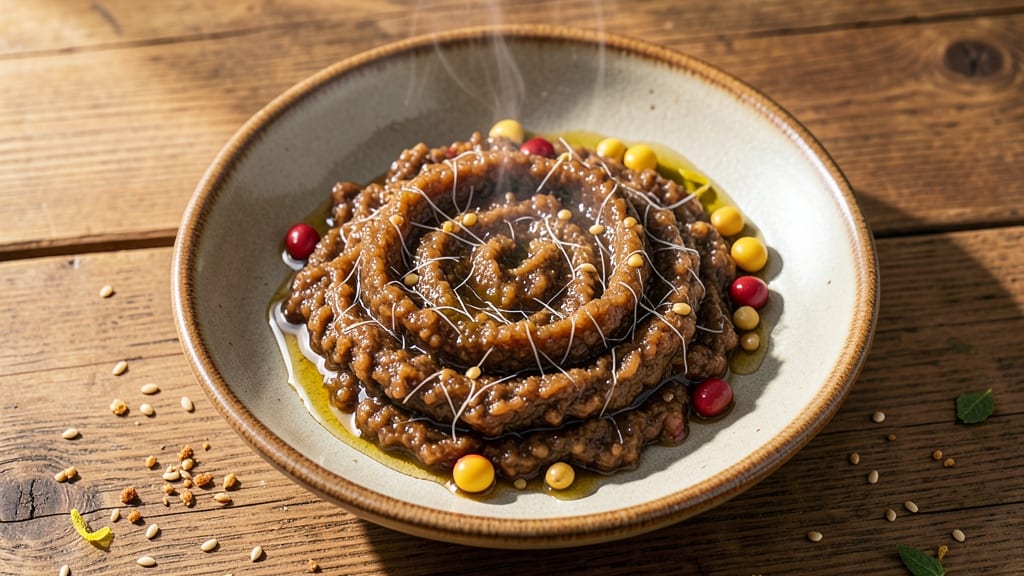
This brown rice miso paste recipe transforms simple ingredients into a deep, fermented umami powerhouse—perfect for elevating stir-fries, bowls, and marinades. The process combines brown rice, soybeans, koji, and salt to create a complex, savory paste with layers of flavor that develop over time.
Unlike store-bought versions, this homemade paste delivers authentic depth and customizable intensity.
Fermentation is the secret—allowing the koji mold to break down the grains and beans creates that signature miso richness. With precise ingredient ratios and a patient 30-day aging period, you’ll end up with a versatile paste that’s both vegan and packed with probiotics.
The result? A glossy, umami-rich sauce that clings to every bite, turning simple dishes into restaurant-quality meals.
Ingredients for brown rice miso paste
Eight ingredients, 30 days of fermentation—this umami-rich paste transforms simple grains into a restaurant-quality condiment.
| Ingredient | Amount | Notes |
|---|---|---|
| Brown Rice 🌾 | 1 ½ cups | Uncooked, short-grain preferred |
| Yellow Soybeans 🌱 | ½ cup | Dried, uncooked, organic preferred |
| Koji Mold (Aspergillus oryzae) 🍄 | ¼ cup | Pre-made koji starter or culture |
| Sea Salt 🧂 | ¼ cup | Non-iodized, fine grain |
| Water 💧 | 1 ½ cups | Filtered or distilled preferred |
| Rice Vinegar 🍶 | 1 tbsp | White or seasoned, unfiltered |
| Non-GMO Soy Flour 🌾 | ¼ cup | Optional for binding |
| Non-GMO Cornstarch 🌽 | 1 tbsp | For smooth texture |
The koji mold is the heart of this recipe—high-quality koji from specialty stores like Koji Culture or Amazon ensures optimal fermentation. If using pre-made koji starter, verify it's Aspergillus oryzae, not the koji used for Amazon miso. Brown rice should be short-grain (like sushi rice) for optimal texture. Yellow soybeans are essential for authentic umami—Azuki or adzuki beans can substitute at half the amount, but flavor will differ. Sea salt should be non-iodized to prevent flavor interference during fermentation. For water, filtered or distilled minimizes impurities that could hinder fermentation.
No koji mold? Miso paste starter from a trusted source (like Miso Master on Etsy) can kickstart fermentation, though results may vary. Substituting soybeans? Lentils or chickpeas work in a pinch, but texture will be denser. The rice vinegar adds acidity—apple cider vinegar can replace it, though flavor will shift slightly. For a smoother paste, blend the final mixture longer (10-15 minutes). If the mixture feels too dry during fermentation, add 1 tsp water to the container. For those avoiding gluten, omit the soy flour entirely—the paste will still ferment, though texture may be slightly grainier.
Ferment in a clean glass jar with a loose lid to allow gases to escape. Store in a cool, dark place (65-75°F) for optimal fermentation. After 30 days, transfer to the fridge to slow fermentation and preserve freshness. Properly stored, this miso paste will keep for up to 2 years in the refrigerator. For long-term storage, freeze in 1-tbsp portions for easy use. Always use clean utensils when scooping to prevent contamination. The paste will continue to develop flavor over time—older batches taste richer, but younger miso (2-3 months) works well for delicate dishes.
Why You'll Love This Recipe
- Ferment in Minutes: I swear, the koji mold does all the heavy lifting here—just mix, wait, and boom, rich umami magic. No fancy equipment, no stress, just brown rice and a little patience while the mold works its charm.
- Umami Bomb Ready: That deep, savory punch from fermented soybeans and koji? It’s the kind of flavor that makes you pause mid-bite. Perfect for drizzling on rice bowls, soups, or even roasted veggies—no one will guess it’s just four simple ingredients.
- Pantry Staple Power: Between us, this stuff lasts months in the fridge, and it’s cheaper than buying pre-made miso. Use a spoonful here, a spoonful there—glazing salmon, boosting broths, or even mixing into dressings. It’s my secret weapon for meals that feel gourmet without the fuss.
- Zero-Waste Win: Brown rice scraps? Yellow soybean hulls? No part goes unused here. The koji mold turns everything into something delicious, and the leftovers? Freeze them for later. Honestly, it’s the kind of recipe that makes me feel like I’m actually using my groceries right.
Step-by-step instructions for brown rice miso paste
Transform simple ingredients into a complex umami bomb with this precise fermentation method.
Prepare the Base Ingredients for Fermentation
Begin by combining the 1.5 cups brown rice and 0.5 cup yellow soybeans in a large mixing bowl. Add the 0.25 cup koji mold (Aspergillus oryzae) and the 0.25 cup sea salt, then mix thoroughly with your hands until the koji is evenly distributed throughout the grains. The koji will appear as a white powdery substance that clings to the rice and soybeans—this is essential for fermentation.
Transfer the mixture to a clean, non-reactive fermentation vessel (I recommend a glass or ceramic container). Add the 1.5 cups water and 1 tbsp rice vinegar, then stir until fully combined. The liquid should be absorbed by the grains, leaving a slightly damp but not soggy mixture. Cover the container loosely with a cloth or lid to allow airflow while preventing contaminants, then let it sit at room temperature for 24 hours. You'll notice the mixture warming slightly as fermentation begins—this is normal and indicates active microbial activity.
Ferment for 3-5 Days with Daily Monitoring
After the initial 24 hours, transfer the container to a warm, dark place (around 70-75°F) for fermentation. Stir the mixture gently once daily to distribute moisture and prevent mold formation. Over 3-5 days, you'll observe the rice and soybeans softening and developing a slightly sour aroma—this is the koji breaking down the grains into miso paste.
Here's the critical checkpoint: The mixture should develop a thick, paste-like consistency with a deep, fermented aroma. If you see any black or green spots, discard the batch immediately—these indicate harmful mold contamination. When the mixture reaches this stage, it's ready for the next processing step. The exact timing depends on your environment, but the paste should be malleable and cohesive when pressed between fingers.
Process into Smooth Miso Paste
Once fermentation is complete, transfer the mixture to a food processor fitted with the metal blade attachment. Add the 0.25 cup non-GMO soy flour and 1 tbsp non-GMO cornstarch to help bind the paste and create a smoother texture. Process in batches if necessary, scraping down the sides as needed to ensure even blending.
Begin processing on low speed to avoid splattering, then gradually increase to high speed for 3-5 minutes until you achieve a completely smooth, glossy paste with no visible grain particles. The paste should be thick enough to hold its shape when spooned but still spreadable. If it's too dry, add 1-2 teaspoons of water at a time until you reach the desired consistency. The final product should have a rich, umami aroma with a slightly tangy, salty taste.
Store and Use Your Homemade Miso
Transfer the finished miso paste to clean, sterilized glass jars, pressing down firmly to remove any air pockets. Seal tightly and store in the refrigerator where it will keep for up to 3 months. For longer storage, freeze the miso in airtight containers for up to 6 months.
Use your brown rice miso paste to elevate stir-fries, ramen broths, or grain bowls. Start with 1-2 teaspoons per serving, adjusting to taste. The paste dissolves beautifully in hot liquids or spreads smoothly over steamed rice. For best results, let the miso warm slightly before adding to dishes—this enhances its complex flavor profile and prevents clumping. The texture should be velvety smooth with no graininess, and the taste should deliver deep umami notes with subtle sweetness from the fermented rice.
Pro Tips For Making Brown Rice Miso Paste
- SOAK THE RICE FIRST: Don’t just toss dry brown rice into the koji mix—soak it for 4-6 hours first. I learned this the hard way when my first batch turned out gummy; soaked rice absorbs water evenly, preventing clumps and ensuring the koji mold spreads smoothly. Use room-temperature water, and drain well before mixing.
- GRIND SOYBEANS COARSELY: Skip the fine powder—grind yellow soybeans to a rough paste, not flour. Too-fine grinding makes the paste watery and weakens fermentation. A food processor with a coarse blade works best, and stop when it’s still slightly textured. (Yes, it’ll look uneven, but that’s how you get real depth of flavor.)
- FERMENT AT 28°C (82°F): If your kitchen’s too cold, this won’t work. Use a fermentation chamber or warm spot (like near the fridge) to keep it steady—any lower, and the koji mold gets lazy. I used to eyeball it and end up with a sad, underdeveloped paste. A cheap thermometer is worth it here.
- SALT IN LAYERS: Add half the sea salt with the koji, then save the rest for the final mix. Too much upfront halts fermentation; too little at the end makes the flavor flat. Sprinkle the remaining salt over the last 24 hours, then let it sit uncovered for 1 hour to balance the moisture. (Trust me, your taste buds will notice.)
Perfect pairings for this recipe
Stir-Fry Gloss
Use your homemade miso paste as a savory glaze for stir-fries—simmer 1 tbsp miso with 1 tbsp honey and 1 tbsp rice vinegar over medium heat for 2-3 minutes.
Toss with sesame oil and fresh ginger for a sticky, umami-rich coating that clings perfectly to tofu, chicken, or shrimp. 🍜
Ramen Broth Base
Dissolve 1 tbsp miso paste in 2 cups hot water (not boiling) to create a rich, fermented broth. Add 1 tsp grated ginger, 1 clove garlic (minced), and ½ tsp white pepper for a Japanese-inspired ramen base. Strain if you prefer a smoother texture.
Grain Bowl Elevator
Spread a thin layer of miso paste over steamed brown rice or quinoa before adding toppings. The umami depth enhances every bite—pair with roasted vegetables, avocado, and pickled radishes for a balanced, restaurant-worthy bowl. Start with ½ tsp per serving and adjust to taste.
Marinade Magic
Combine 2 tbsp miso paste, 1 tbsp soy sauce, and 1 tbsp mirin to create a tenderizing marinade for salmon, beef, or mushrooms. Let proteins marinate for at least 30 minutes (or overnight for deeper flavor). The miso’s fermented richness caramelizes beautifully when grilled or seared. 🔥
Dipping Sauce
Mix 1 tbsp miso paste with 1 tbsp tahini, 1 tsp maple syrup, and a splash of water to create a creamy, tangy dipping sauce. Perfect for spring rolls, dumplings, or grilled skewers. For extra freshness, stir in chopped cilantro or scallions just before serving.
Soup Thickener
Stir 1 tsp miso paste into miso soup, pho, or miso-glazed eggplant dishes to intensify umami without overpowering. The paste dissolves smoothly into hot liquids, creating a velvety texture and complex depth. Use sparingly—start with ½ tsp and adjust to taste.
Nutrition facts
Frequently asked questions
Can I substitute white rice for brown rice in this recipe?
While you can technically use white rice, the texture and flavor will differ significantly. Brown rice provides a nuttier, heartier base that contributes to the authentic miso profile. White rice ferments faster but lacks the earthy depth that makes this paste truly special. If you must substitute, use short-grain white rice and reduce fermentation time by 3-5 days.
What's the difference between this brown rice miso and regular white miso?
Brown rice miso has a milder, sweeter flavor compared to the bold, salty profile of white miso. The longer fermentation period (30+ days) and brown rice base create a smoother, more complex umami without overpowering heat. White miso often uses soybeans exclusively, while this version balances rice and soybeans for a gentler, more versatile condiment perfect for dressings and delicate dishes.
How do I know when my miso paste is properly fermented?
Look for three key signs: the mixture should smell deeply fermented (like tangy soy sauce), feel soft and paste-like when pressed, and develop a glossy sheen. If you see black or green mold spots, discard immediately. The texture should be cohesive enough to hold its shape when spooned but still spreadable. Fermentation time varies by climate—warmer conditions speed it up, while cooler temps slow the process.
Can I speed up the fermentation process?
While you can't drastically reduce the 30-day minimum, you can optimize conditions. Place your container in a 70-75°F environment (like near an oven with the light on) and stir daily to distribute moisture. Avoid direct sunlight, which can create hot spots. For a quicker version, use pre-fermented koji and reduce to 21 days, though flavor development will be less complex. Patience yields the best results!
What's the best way to use leftover fermented mixture that didn't become smooth paste?
Don't waste it! Blend the grainy mixture with 1 tbsp water and ½ tsp soy sauce to create a rustic miso broth. Simmer for 10 minutes to dissolve, then strain for a flavorful base for soups or stews. Alternatively, spread it thinly on toast with avocado or use as a marinade—its texture adds interesting depth to dishes where smoothness isn't critical.