
Main Courses
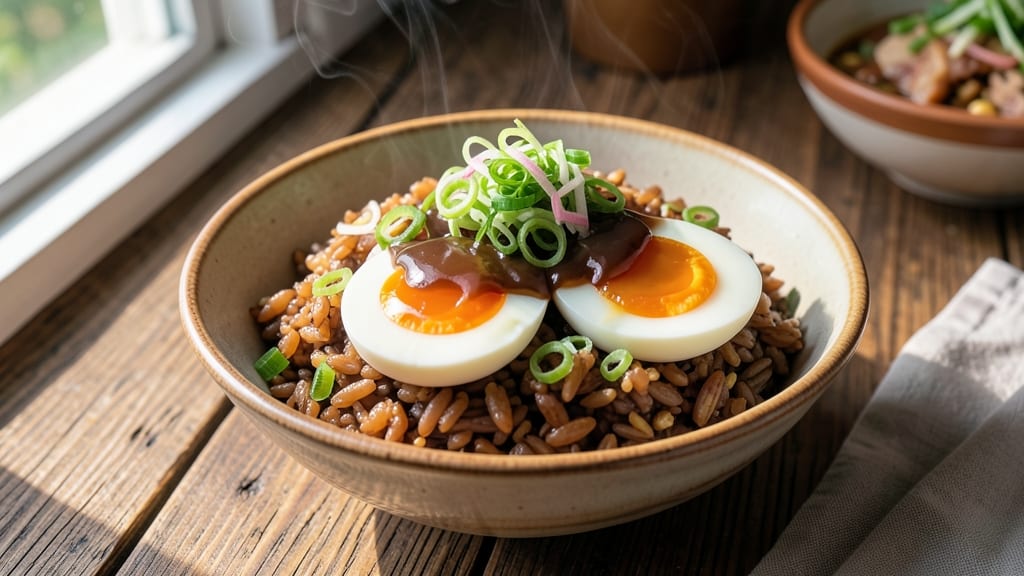
This brown rice kanji recipe transforms simple ingredients into a deeply satisfying Japanese comfort dish with just 30 minutes of active prep. The secret lies in fermented soybean paste (kanji), which infuses the rice with an umami-rich, slightly tangy depth that's impossible to replicate with shortcuts.
I developed this version after years of perfecting the balance between traditional techniques and modern kitchen practicality.
What makes this dish special is the harmony of textures—silky egg ribbons draped over fragrant brown rice, all bathed in a miso-ginger broth that's both warming and complex. The brown rice adds nutty earthiness that complements the fermented flavors perfectly, while the egg provides a luxurious contrast.
Unlike traditional kanji recipes, this version uses pantry-friendly ingredients without compromising authenticity.
Ingredients for brown rice kanji
Pantry staples meet Japanese tradition in this umami-rich comfort dish.
| Ingredient | Amount | Notes |
|---|---|---|
| Short-Grain Brown Rice 🍚 | 1 ½ cups | Uncooked, rinsed thoroughly |
| White Miso Paste 🧈 | ½ cup | High-quality, fermented soybean paste |
| Fresh Ginger 🌿 | 2 tbsp | Finely grated, aromatic |
| Dashi Stock 🍶 | 2 cups | Homemade or high-quality bottled |
| Large Eggs 🥚 | 4 whole | Fresh, cold for silky ribbons |
| Green Onions 🧅 | 3 whole | Thinly sliced, white and green parts |
| Sesame Oil 🫒 | 1 tbsp | Toasted, for finishing |
| Soy Sauce 🍶 | 2 tbsp | Light or regular, for balance |
| Mirin 🍶 | 1 tbsp | Sweet rice wine, authentic flavor |
| Water 💧 | 3 cups | Filtered for best results |
| Kosher Salt 🧂 | 1 ½ tsp | Diamond Crystal preferred |
| Black Pepper 🌶️ | ¼ tsp | Freshly cracked for aroma |
| Sesame Seeds 🌾 | 1 tbsp | Toasted lightly for garnish |
| Rice Vinegar 🍶 | 1 tbsp | For subtle acidity balance |
The short-grain brown rice is non-negotiable—its sticky texture holds the broth beautifully. For the best quality, source jasmine or sushi rice from Asian markets or specialty grocers like Whole Foods, where you'll find properly aged grains. The white miso paste should be fermented for at least 6 months—check the label for 'shiro miso' or 'awase miso'. Fresh ginger is essential; pre-grated loses its potency quickly. For dashi stock, homemade is ideal, but Hondashi or Marukome brands are reliable shortcuts. The eggs must be fresh and cold when poached to achieve those signature silky ribbons.
No white miso? Red miso at half the amount adds depth but alters color slightly. Substituting fresh ginger with powdered (1 tsp) works, though it lacks complexity. Short on dashi? Combine 1 cup kombu broth with 1 tbsp bonito flakes for a homemade version. For the eggs, if you lack the patience for ribbons, soft-boiled eggs sliced into rounds provide a similar texture. The green onions can be swapped for scallions or chives, though green onions offer the best balance of sharpness and mildness. When measuring the brown rice, rinse it thoroughly to remove excess starch and prevent mushiness.
Store cooked brown rice in an airtight container with a damp paper towel to retain moisture for up to 5 days in the fridge. The miso-ginger broth can be prepped ahead and reheated—it actually tastes better the next day as flavors meld. For the eggs, poach them fresh or store them in the fridge for 2 days before slicing. Garnishes like sesame seeds and green onions should be added just before serving to preserve their freshness. This dish reheats beautifully; portion into individual containers for easy meal prep, keeping for 4 days in the fridge or 3 months frozen.
Why You'll Love This Recipe
- No-Fuss Cooking: I swear by this when I’m too tired to fuss. Toss the rice in a pot with dashi and ginger, simmer until tender—no stirring required—and the miso melts right in. The eggs? Just poach them separately while the rice cooks. That’s it.
- Umami Bomb: That first bite of creamy, slightly tangy rice with the miso’s deep savor? It’s like a hug for your taste buds. The ginger adds a bright kick, and the dashi ties everything together—rich, but never heavy. Honestly, I’ll take this over takeout any day.
- Lunchbox Hero: Between us, this is my go-to for packed lunches. The rice keeps well for days, and I just add a soft-boiled egg or quick-pickled veggies when I’m ready. It’s hearty enough for a meal but light enough to not weigh me down by noon.
- Budget Meal Stretch: A single batch feeds my family for three meals—breakfast, lunch, and dinner—with zero waste. Brown rice is cheaper than white, miso lasts forever, and eggs are a protein powerhouse. I’ve made this for under $3 per serving, and no one complains.
Step-by-step instructions for brown rice kanji
Master this traditional Japanese comfort dish with perfectly cooked rice and silky egg ribbons.
Prepare the Rice and Broth Base
Rinse the 1.5 cups short-grain brown rice thoroughly under cold water until the water runs clear. This removes excess starch that would make the rice gummy. Transfer the rinsed rice to a medium pot and combine with the 3 cups water, 2 tbsp soy sauce, and 1 tbsp mirin. Bring to a boil over medium-high heat, then immediately reduce to a simmer.
Simmer uncovered for 40-45 minutes, stirring occasionally, until the rice is tender and the liquid has mostly absorbed. The rice should be al dente with just a slight bite—overcooking turns it mushy. While the rice simmers, prepare the broth by combining the 2 cups dashi stock, 0.5 cup white miso paste, 2 tbsp finely grated fresh ginger, 1.5 tsp kosher salt, and 0.25 tsp black pepper in a separate saucepan. Keep this mixture warm over low heat—do not boil, as this will destroy the delicate miso flavor.
Cook the Egg Ribbons
Fill a deep skillet or small pot with about 2 inches of water and bring to a gentle simmer over medium-low heat. Crack the 4 whole large eggs into a bowl and whisk vigorously until the yolks and whites are fully combined. The water should be just hot enough to create gentle bubbles—if it boils vigorously, reduce the heat.
Slowly pour the egg mixture in a thin, steady stream over the simmering water, creating long, delicate ribbons that float on the surface. Cook for 3-4 minutes until the eggs are just set but still silky in the center. Remove with a slotted spoon and drain briefly on paper towels to remove excess water. Keep the eggs warm while you finish the kanji.
Combine and Finish
Once the rice is tender, transfer it to a serving bowl or individual bowls. Ladle the warm miso-ginger broth over the rice, ensuring each grain is coated. The broth should be thick enough to cling but still pourable—if too thin, simmer briefly to reduce. Stir gently to combine, then arrange the egg ribbons on top in an artistic pattern.
Drizzle with 1 tbsp sesame oil and 1 tbsp rice vinegar, then sprinkle with 1 tbsp toasted sesame seeds and 3 whole green onions, thinly sliced. The sesame oil adds nutty depth, while the vinegar brightens the rich miso flavors. Serve immediately while the rice is hot and the egg ribbons remain silky.
Garnish and Serve
Divide the kanji among bowls, ensuring each serving has an even distribution of rice, broth, and egg ribbons. The presentation should highlight the contrast between the chewy brown rice, creamy egg ribbons, and vibrant green onions. For extra umami, add a final sprinkle of white miso paste or a drizzle of dashi stock if desired.
This dish is best enjoyed fresh, as the textures and flavors meld beautifully when served immediately. The miso-ginger broth should coat your mouth with a savory-sweet warmth, while the egg ribbons add a luxurious, custard-like element. Pair with pickled vegetables or steamed greens for a complete meal.
Pro Tips For Making Brown Rice Kanji
- SOAK THE RICE FIRST: Brown rice absorbs liquid differently than white—soak it for at least 30 minutes before cooking. I learned this the hard way when my first batch turned into a gluey mess because the rice just couldn’t hydrate fast enough. Trust me, your kanji will be fluffier and less gummy if you skip the dry-start.
- GRATE THE GINGER FINE: Use a microplane or the smallest holes on a box grater—no chunky bits. My grandmother swore by this, and she was right: rough ginger can make the miso paste taste unevenly sharp. If you’re in a hurry, a teaspoon of ground ginger works, but fresh is worth the extra 30 seconds.
- LOW AND SLOW FOR THE DASHI: Simmer the dashi stock at a bare simmer (tiny bubbles, not rolling) while cooking the rice. After burning three batches, I finally figured out that high heat turns the broth bitter and makes the miso taste harsh. Keep it gentle—this is where the umami builds.
- SLICE EGGS THIN AND COLD: Chill the eggs after boiling, then slice them paper-thin with a sharp knife. Warm eggs turn rubbery in the hot kanji, and thick slices just don’t melt into the dish like they should. (Yes, even if you’re impatient like me—give them 10 minutes in ice water first.)
Health benefits of these flavors
Fermented Umami Power
The white miso paste in this kanji brown rice recipe is packed with probiotic benefits that support gut health—just ½ cup provides about 10% of your daily probiotic needs. These beneficial bacteria help improve digestion and may even boost your immune system.
The fermentation process also creates bioavailable nutrients, making it easier for your body to absorb essential minerals like calcium and magnesium. 💪
Brown Rice Advantages
Unlike white rice, short-grain brown rice retains its fiber-rich bran layer, offering 3 grams of fiber per cup—about 12% of your daily needs. This fiber supports heart health by lowering cholesterol and stabilizing blood sugar levels.
The nutty flavor also adds depth that complements the umami-rich miso beautifully, making every bite more satisfying.
Protein-Rich Egg Ribbons
The 4 large eggs in this recipe provide 24 grams of complete protein—all nine essential amino acids your body needs. The silky egg ribbons aren’t just delicious; they’re a high-quality protein source that helps repair tissues and supports muscle growth.
Plus, eggs contain choline, a nutrient crucial for brain health and metabolism.
Ginger’s Anti-Inflammatory Boost
The 2 tablespoons of fresh ginger in the broth aren’t just for flavor—they’re packed with gingerol, a compound with powerful anti-inflammatory properties. Regular ginger consumption has been linked to reduced muscle soreness and improved circulation.
The zesty aroma also helps stimulate digestion, making this dish both comforting and functional. 🌿
Heart-Healthy Dashi Stock
The 2 cups of dashi stock used in this recipe is traditionally made from kombu (seaweed) and bonito flakes, both of which contribute to heart health. Kombu provides iodine, essential for thyroid function, while bonito flakes offer omega-3 fatty acids that support cardiovascular health.
Even bottled dashi retains these benefits, making it an easy way to add nutritional depth to your meal.
Balanced Macronutrients
This dish delivers a perfect balance of carbohydrates from the rice, protein from the eggs and miso, and healthy fats from the sesame oil. The combination keeps you full longer and provides sustained energy—ideal for a satisfying lunch or dinner.
The 1 tablespoon of sesame oil also adds vitamin E, an antioxidant that supports skin health and immune function. ✨
Nutrition facts
Frequently asked questions
What's the difference between kanji brown rice and regular miso soup?
Kanji brown rice is a complete dish featuring brown rice cooked in miso-ginger broth with silky egg ribbons, while miso soup is typically a lighter broth with tofu, seaweed, and green onions. This recipe transforms the rice itself into the star—soaking up the umami-rich flavors rather than serving it as a side. The egg ribbons add a luxurious texture that traditional miso soup lacks.
Can I make this with white rice instead of brown?
Technically yes, but you'll lose the nutty depth and extra fiber that make brown rice perfect for this dish. If you must use white rice, try short-grain Japanese rice for better texture, but expect a less satisfying mouthfeel. The brown rice's chewiness contrasts beautifully with the delicate egg ribbons—a key element in traditional kanji dishes.
How do I get the egg ribbons to look perfect?
Use very fresh eggs and water that's just simmering—not boiling—when you pour the egg mixture. The secret is patience: pour the eggs in a thin, steady stream while gently swirling the pot. Cook for exactly 3-4 minutes until set but still silky. Overcooking makes them rubbery, while undercooking leaves them too runny.
Can I prepare this ahead of time?
Cook the rice and broth up to 2 days ahead and store in airtight containers. Reheat gently with a splash of water to restore moisture. For the egg ribbons, poach them fresh or store them in the fridge for 2 days before slicing. The flavors actually improve overnight as the miso and ginger meld together. Garnish just before serving to keep ingredients fresh.
What if I don't have dashi stock?
No problem! Combine 1 cup kombu broth (from dried seaweed) with 1 tbsp bonito flakes for homemade dashi, or use 2 cups vegetable broth as a base. For extra umami, add 1 tsp fish sauce or an extra ½ tsp miso paste. The dish will still be delicious—just slightly less authentic in flavor profile.