
Main Courses
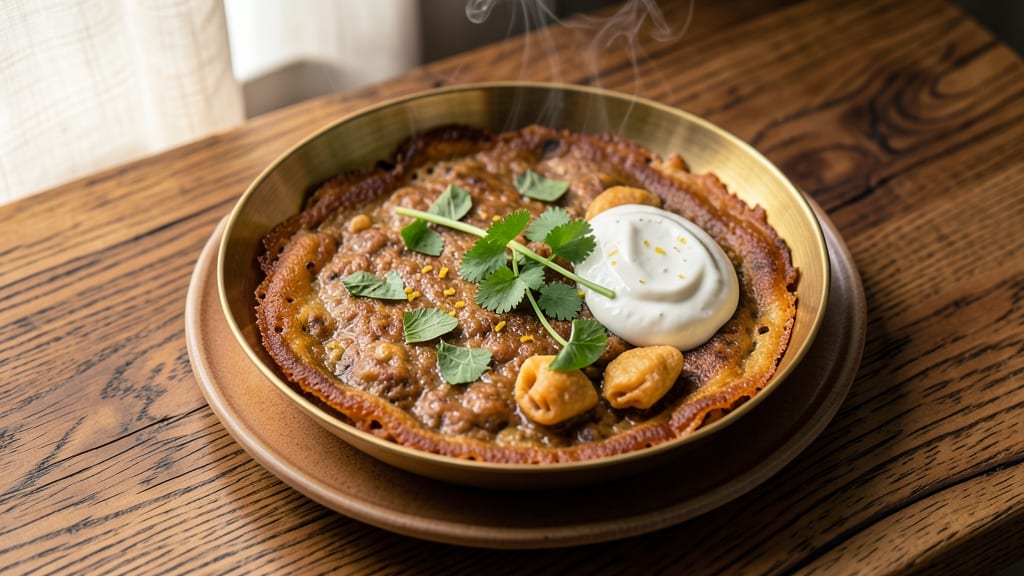
This brown rice dosa recipe delivers crispy layers with nutty depth and a satisfying crunch—perfect for breakfast or brunch. Fermenting the batter of brown rice and urad dal creates a light, fluffy texture while enhancing digestibility and protein content.
The key to success lies in proper fermentation and achieving that signature crispy edge when cooked on a hot skillet.
What sets these dosas apart is their nutritional profile—packed with fiber, protein, and essential nutrients from whole grains and lentils. Serve them with coconut chutney or sambar for a complete meal that's both wholesome and delicious. The recipe is beginner-friendly, with step-by-step instructions to ensure crispy, golden-brown results every time.
Ingredients for brown rice dosa
Fermented brown rice and urad dal create crispy, nutty dosas with protein-rich depth perfect for breakfast.
| Ingredient | Amount | Notes |
|---|---|---|
| Brown Rice 🌾 | 1 cup | Uncooked, rinsed thoroughly |
| Urad Dal (Black Gram Lentils) 🌱 | ½ cup | Split, rinsed thoroughly |
| Rice Flour 🍚 | ½ cup | For crispy texture |
| Fresh Fenugreek Leaves 🌿 | ¼ cup | Chopped finely (methi leaves) |
| Curd (Yogurt Substitute) 🥛 | ½ cup | Vegan coconut yogurt |
| Asafoetida (Hing) 🧂 | ¼ tsp | Pinch for aroma |
| Salt 🧂 | 1 ½ tsp | Adjust to taste |
| Ghee Substitute (Vegan) 🫒 | 1 tbsp | Coconut oil for cooking |
| Coconut Oil 🥥 | ½ cup | For crisping edges |
| Water 💧 | ¾ cup | For batter consistency |
| Cumin Seeds 🌿 | ½ tsp | Toasted lightly |
| Red Chili Powder 🌶️ | ¼ tsp | Adjust for heat |
The brown rice and urad dal are the heart of this recipe—organic or whole-grain varieties from Whole Foods or Indian specialty stores ensure optimal texture and nutrition. Urad dal should be split, not whole, for smoother batter. Fenugreek leaves add a unique flavor; fresh leaves are best, but frozen works in a pinch. For the yogurt substitute, coconut yogurt from So Delicious or homemade cashew yogurt delivers the tangy base needed for fermentation. Fermenting at room temperature for 8-12 hours yields the lightest texture—don't rush this step.
No fenugreek leaves? Fresh spinach or cilantro at half the amount adds freshness without the same depth. Substituting rice flour for besan (gram flour) at equal measure enhances crispiness but alters texture slightly. For the ghee substitute, coconut oil is ideal—it mimics the flavor and crisping properties. If coconut oil isn't available, avocado oil works too. The asafoetida (hing) is non-negotiable for authentic flavor; omit it only if avoiding strong aromas. For heat preferences, adjust the red chili powder—start with 0.25 tsp and increase gradually.
Store the fermented batter in an airtight container in the fridge for up to 2 days. The batter thickens as it ferments—add water gradually to reach a pancake-like consistency. For crispy edges, heat a non-stick skillet until hot and add a thin layer of coconut oil before cooking. Leftover dosas reheat beautifully in a toaster or air fryer for 2-3 minutes at 350°F. Freeze cooked dosas between parchment paper for up to 1 month—reheat directly from frozen for crispy results.
Why You'll Love This Recipe
- No-Soaking Needed: I swear by this trick—just soak the urad dal for 4 hours instead of overnight, then blend it with pre-cooked brown rice and a splash of curd. The batter’s ready while you’re still debating what to watch on TV.
- Crispy-Creamy Magic: That first sizzle in the pan? Pure satisfaction. The fenugreek leaves add a tangy punch, while the brown rice keeps it hearty—not too heavy, not too flimsy. The curd gives it that signature softness, but with a nuttier depth than regular dosa.
- Lunchbox Hero: Between us, this is my go-to for packed lunches. Make a big batch, let them cool, and they stay fresh for days. My kids (and husband) actually ask for it—no sad, soggy sandwiches here.
- Budget Breakfast Win: Urad dal and brown rice are cheap staples, and you’ll use half a bunch of fenugreek for a whole batch. Leftovers? Toss them in the fridge for up to 5 days, or freeze them for lazy mornings. Zero waste, all flavor.
Step-by-step instructions for brown rice dosa
Here's how to achieve perfectly fermented, crispy dosas with nutty depth from brown rice.
Soak and Grind the Base Ingredients
Combine the 1 cup brown rice and 0.5 cup urad dal (black gram lentils) in a large bowl. Rinse thoroughly under cold water, then drain. Add 0.75 cup water and let soak for 6-8 hours (or overnight) until the grains soften noticeably. This extended soaking ensures proper fermentation and prevents a dense batter.
After soaking, drain any excess water and transfer the mixture to a wet grinder or food processor. Add 0.25 cup finely chopped fresh fenugreek leaves and grind into a smooth, slightly sticky batter. The texture should resemble thick pancake batter—if it's too dry, add 1-2 tablespoons water at a time until smooth. This step creates the foundation for your dosas' signature crispy layers and nutty flavor profile.
Prepare the Fermented Batter
Transfer the ground batter to a clean, wide-mouthed bowl. Add 0.5 cup curd (vegan coconut yogurt), 0.25 tsp asafoetida (hing), 0.5 tsp toasted cumin seeds, 0.25 tsp red chili powder, and 1.5 tsp salt. Mix thoroughly using a silicone spatula, ensuring all ingredients are evenly distributed. The batter should be smooth with a slight sheen from the yogurt.
Cover the bowl tightly with a damp cloth or plastic wrap, then let ferment at room temperature for 8-12 hours. You'll know it's ready when the batter rises noticeably, develops a tangy aroma, and bubbles form along the edges. This fermentation step is critical—it creates the dosas' signature crispness and lightness. If your kitchen is warm, fermentation may complete in 6-8 hours; if cooler, extend to 14 hours for optimal results.
Prepare the Batter for Cooking
Once fermentation is complete, give the batter one final mix to redistribute any settled ingredients. The texture should be slightly airy with visible bubbles. If the batter appears too thick, add 1-2 tablespoons water to achieve a smooth, pourable consistency. This adjustment ensures even spreading and proper crisping during cooking.
In a small bowl, mix 0.5 cup rice flour with 1 tbsp ghee substitute (vegan coconut oil). This mixture will be used to create the crispy edges. Add the flour mixture to the batter and fold gently until just combined—overmixing will make the dosas dense. Let the batter rest for 10 minutes before cooking to allow the rice flour to hydrate slightly.
Cook the Dosas to Crispy Perfection
Heat a non-stick skillet or dosa pan over medium-high heat. Add 0.5 cup coconut oil (or as needed) and let it get hot but not smoking. Pour a ladleful of batter (about ¼ cup) into the center of the pan, tilting it slightly to spread the batter into a 6-inch circle. Immediately sprinkle a few drops of coconut oil around the edges.
Cover the pan with a lid and cook for 2-3 minutes until the edges turn golden brown and crispy. Carefully flip the dosa using a spatula and cook the other side for another 1-2 minutes until golden. The dosa should puff slightly in the center while maintaining crisp edges. This balance between crispy exterior and soft interior is what makes brown rice dosas exceptional. Serve immediately with coconut chutney or sambar for the full experience.
Pro Tips For Making Brown Rice Dosa
- SOAK DAL SEPARATELY: Brown rice takes longer to soften, so split the soaking: soak urad dal alone for 4–5 hours (or overnight) while the rice gets a 6–8 hour head start. I learned this the hard way—trying to soak them together leaves the dal gummy and the rice underdone, and neither ferments properly.
- GRIND IN BATCHES: Urad dal and brown rice grind differently—process the dal first until it’s smooth, then mix in the rice and grind again. Skip this, and you’ll end up with a lumpy batter that won’t spread evenly on the tawa. (Yes, even if you’re impatient like me.)
- CHILL THE BATTERY: Let the fermented batter sit in the fridge for at least 2 hours before cooking. The cold tightens the gluten, making the dosas crispier and easier to flip. I was skeptical until I tried it—now I never skip it.
- USE FENUGREEK LAST: Add fresh fenugreek leaves just before cooking to preserve their bright flavor. Toss them in too early, and they’ll turn bitter and slimy, ruining the fresh taste that balances the earthy brown rice. (Your future self will thank you.)
Pro cooking tips for perfect results
Fermentation Mastery
Fermenting your batter is the secret to crispy, fluffy dosas—don’t skip this step! I recommend using a wide-mouthed glass bowl for even fermentation. Place it in a warm spot (like near your oven with the light on) to speed up the process in 6-8 hours.
If your kitchen is cool, extend fermentation to 12-14 hours for maximum tang and lightness. The batter should rise 20-30% and develop a slightly sour aroma—this means it’s ready. 🌡️
Perfect Crispy Edges
Achieving that signature crispy edge requires hot oil and patience. Heat your skillet until a drop of water sizzles instantly—this is the key! Use a non-stick dosa pan (like Presto) for even heat distribution.
Pour the batter, then immediately sprinkle a few drops of coconut oil around the edges. Cover with a lid and let the steam work its magic for 2-3 minutes before flipping. 🔥
Batter Consistency Tips
Your batter should be smooth, slightly sticky, and pourable—like thick pancake batter. If it’s too thick after fermentation, add water 1 tablespoon at a time. For extra crispiness, mix in 0.5 cup rice flour with 1 tbsp coconut oil before cooking.
This creates a crispy lattice on the edges. Avoid overmixing after adding flour—just fold gently to keep the dosas light. ✨
Heat Control Secrets
Medium-high heat is crucial—too low, and your dosas will be greasy; too high, and they’ll burn before crisping. Test your heat by dropping a pinch of batter into the oil—if it sizzles immediately but doesn’t burn, you’re golden.
I use a cast-iron skillet for even heat, but a non-stick pan works too. Keep the flame steady, and resist the urge to flip too soon—wait until the edges are golden brown before turning. 💡
Fenugreek Flavor Boost
Fresh fenugreek leaves add a nutty, slightly bitter depth that’s essential for authentic flavor. If you can’t find them, spinach or cilantro work in a pinch, but the taste won’t be the same.
For extra richness, toast 0.5 tsp cumin seeds in the same oil you use for cooking—this infuses the dosas with warmth. Adjust the red chili powder to taste, but start with 0.25 tsp to avoid overpowering the delicate batter. 🌿
Pro Equipment Upgrades
Invest in a dosa pan (like Hestan or Presto) for perfect circles and even cooking. A wet grinder (like Prestige) is a game-changer for smooth batter—food processors can leave gritty bits. For crispy edges, a silicon spatula helps spread the batter evenly without tearing.
If you’re short on time, a stand mixer can help blend the batter faster, but hand-mixing ensures the best texture. 💪
Nutrition facts
Frequently asked questions
Why does brown rice make dosas healthier than white rice?
Brown rice retains its bran and germ layers, packing 3x more fiber and essential nutrients like magnesium and B vitamins compared to white rice. This creates dosas that are more filling, support digestion, and help stabilize blood sugar. The nutty flavor also adds depth without extra calories! The urad dal adds protein, making this a complete vegan meal.
Can I make brown rice dosas without fermentation?
Fermentation is key for crispy, light dosas—but if you're short on time, you can make a quick version! Skip fermentation and mix 1 cup soaked brown rice batter with 0.5 cup yogurt, then cook immediately on high heat. The result will be denser and less crispy, but still delicious. For best texture, never skip fermentation longer than 6 hours.
How do I fix dosas that turn out too thick or dense?
Over-thick batter usually means under-fermentation or too much rice flour. For next time, ensure fermentation reaches 8-12 hours and add water 1 tbsp at a time until the batter flows like thick pancake batter. If your dosas are already cooked, try reheating them in a toaster for 1-2 minutes at 350°F to restore crispiness.
What's the best way to store leftover dosa batter?
Store fermented batter in an airtight container in the fridge for up to 2 days. The batter will thicken—add 1-2 tbsp water before cooking. For longer storage, freeze cooked dosas between parchment paper for 1 month. Reheat frozen dosas directly in a toaster for crispy edges or microwave for 20 seconds for a softer texture.
Can I add vegetables to brown rice dosa batter?
Finely grate 1 small carrot, ½ zucchini, or ½ cup spinach and mix into the batter after fermentation. For extra flavor, sauté veggies with cumin and ginger before adding. Keep portions small—too many veggies can make the dosas dense. The batter should remain pourable, so adjust water as needed.