
Main Courses
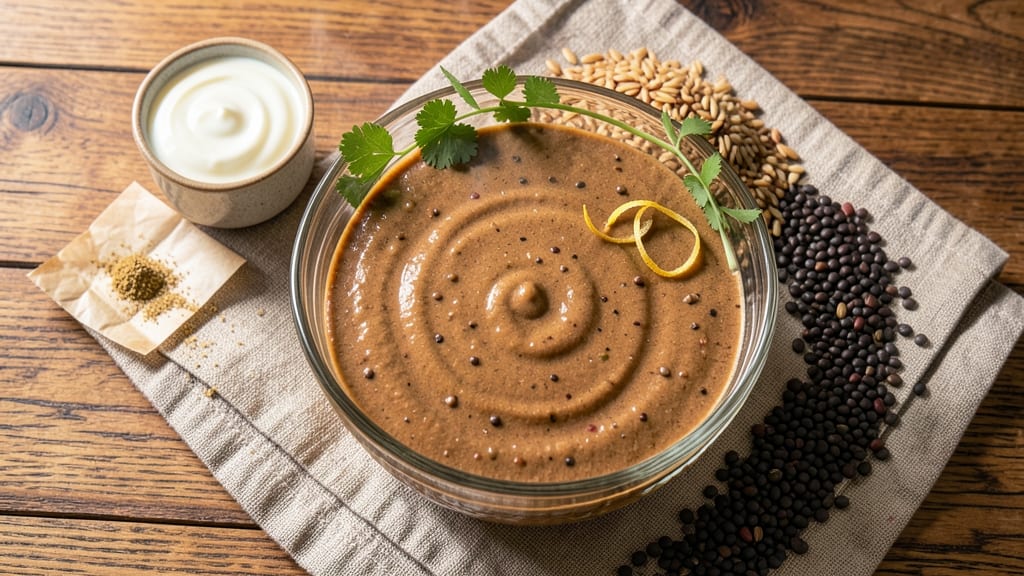
This brown rice dosa batter recipe delivers crispy, fermented layers without a trace of rice flour—just wholesome ingredients and traditional technique. The secret lies in soaking brown rice properly to soften the grains, then grinding them into a smooth, fermentable batter that develops tangy depth overnight.
Unlike white rice dosas, this version keeps all the fiber and nutrients while achieving that signature crispy texture.
What sets this recipe apart is its foolproof fermentation method, which transforms simple ingredients into restaurant-quality dosas. The batter develops just enough tang to complement the crispy edges and tender centers, while the lack of rice flour keeps it light and digestible.
Perfect for a vegan breakfast or brunch, these dosas pair beautifully with coconut chutney, sambar, or a simple tomato-onion salad.
Ingredients for brown rice dosa batter
Wholesome ingredients transform into restaurant-quality dosas with this vegan batter.
| Ingredient | Amount | Notes |
|---|---|---|
| Brown Rice 🌾 | 1 cup | Uncooked, short-grain preferred |
| Urad Dal (Black Gram) 🌱 | ¼ cup | Split, rinsed thoroughly |
| Water 💧 | 2 cups | Filtered or spring water |
| Yogurt (Vegan) 🥛 | ¼ cup | Unsweetened coconut yogurt |
| Salt 🧂 | ½ tsp | Fine sea salt |
| Asafoetida (Hing) 🌿 | ⅛ tsp | Pure powdered form |
| Fresh Fenugreek Leaves 🌱 | ¼ cup | Methi leaves, packed |
| Fresh Cilantro 🌿 | ⅛ cup | Stems included, chopped |
| Lemon Juice 🍋 | 1 tbsp | Freshly squeezed |
| Olive Oil 🫒 | 1 tbsp | Extra-virgin for cooking |
| Ghee (Vegan) 🫒 | 1 tbsp | Coconut oil-based ghee |
The brown rice is the foundation—short-grain varieties like Basmati or Ponni work best, as they soften more evenly. Organic Indian grocery stores like Patel Brothers or local Indian markets carry excellent options. For the urad dal, ensure it's split and rinsed thoroughly to remove impurities, which can hinder fermentation. Freshness matters here: if your fenugreek leaves have yellowing edges, skip them—they lose their potent flavor. The coconut yogurt (like So Delicious brand) adds tang without dairy, and its probiotics kickstart fermentation more effectively than store-bought vegan yogurts with additives.
No urad dal? Substitute with 1/4 cup soaked and ground moong dal, though the texture will be slightly lighter. Short on fenugreek? Fresh spinach at half the amount works in a pinch, but the earthy depth of methi is irreplaceable. For a quicker fermentation, add 1/2 tsp baking soda to the batter just before cooking—it mimics the tang without waiting overnight. The asafoetida is non-negotiable; its umami punch elevates the batter. If you can't find it, garlic powder at 1/4 tsp offers a milder alternative. Store-bought vegan ghee? Miyoko's or Earth Balance brands melt beautifully for crisping.
Ferment the batter for 8-12 hours at room temperature (70-75°F) for optimal tang. Cover with a damp cloth to prevent drying. Once fermented, the batter keeps for 3-4 days in the fridge, though flavor peaks at 24 hours. For long-term storage, freeze portions in ice cube trays—thaw overnight in the fridge before use. The crispy layers develop during the second cook in the pan, so don’t rush this step. Cook on medium-high heat with 1 tsp ghee per dosa for that signature crunch.
Why You'll Love This Recipe
- No-Soaking Hassle: I’ll be real—soaking rice overnight is a pain. This batter skips it: just blend pre-cooked brown rice with urad dal and vegan yogurt, then let it sit for two hours. That’s it. No midnight prep, no forgotten jars in the fridge.
- Nutty Crispy Magic: Brown rice brings that earthy depth urad dal can’t match alone, while the yogurt keeps the edges crispy without burning. Honestly, the first bite—when the center’s still soft but the outside snaps—feels like a reward after a long day.
- Weeknight to Party: Same batter, endless uses. Use it for dosas, savory pancakes, or even stuffed parathas. I’ve made it for lazy Sundays and brunch with friends—just adjust the fillings. The urad dal’s natural tang cuts through anything, so it’s always a crowd-pleaser.
- Budget Meal Prep: Urad dal and brown rice are cheap staples, and this batter lasts five days in the fridge. Split it into portions, freeze extras—no wasted ingredients. My wallet (and my future self) thank me every time.
Step-by-step instructions for brown rice dosa batter
Here's the precise method to create a perfectly fermented, crispy dosa batter using only whole grains and legumes.
Soak the Brown Rice and Urad Dal Separately
Place the 1 cup brown rice in a large bowl and cover with 2 cups water. Let it soak for at least 8 hours or overnight at room temperature. Similarly, rinse the 0.25 cup urad dal thoroughly and soak it separately in a separate bowl with enough water to cover by 2 inches. Soaking times are critical—this ensures the grains soften completely and blend smoothly.
I recommend using two separate bowls because the urad dal absorbs water more quickly than brown rice. After soaking, drain both ingredients through a fine-mesh strainer, reserving the soaking water. The rice should feel pliable between your fingers when pressed, and the dal should be soft but not mushy. If either feels firm, soak for an additional 2-3 hours before proceeding.
Grind to a Smooth Batter
Transfer the drained brown rice and urad dal to a high-powered blender or wet grinder. Add 0.25 cup vegan yogurt, 0.25 cup fresh fenugreek leaves, 0.125 cup fresh cilantro, 0.5 tsp salt, and 0.125 tsp asafoetida (hing). Grind in batches if necessary, adding the reserved soaking water gradually to achieve a smooth, pancake-like consistency—similar to heavy cream but slightly thicker.
This step requires patience. Stop occasionally to scrape down the sides and ensure even grinding. The batter should be lump-free and flow smoothly when poured. If it's too thick, add 1-2 tablespoons of water at a time. For optimal fermentation, the final batter temperature should be around 75°F—warm enough to encourage fermentation but not hot.
Ferment the Batter for Perfect Texture
Transfer the batter to a clean, wide-mouthed jar or bowl. Cover with a damp cloth or plastic wrap to prevent a skin from forming. Let it ferment at room temperature for 8-12 hours, or until it rises by about 50% and develops a slightly tangy aroma. The ideal fermentation time depends on your climate—warmer temperatures (75-80°F) will yield faster fermentation, while cooler environments may require up to 14 hours.
I check for doneness by pressing the surface gently with a finger. If it springs back slowly and leaves a slight indentation, it's ready. Over-fermenting can make the batter too sour, while under-fermenting results in flat, dense dosas. For extra crispiness, I add 1 tbsp olive oil and 1 tbsp vegan ghee to the batter during the last 2 hours of fermentation. This not only enhances flavor but also contributes to the signature crispy layers.
Prepare for Cooking
Once fermented, stir the batter gently to redistribute any settled ingredients. Add 1 tbsp lemon juice and mix well. The batter should now have a slightly bubbly texture and a pleasant, tangy aroma. Let it rest for 15-20 minutes before cooking to allow the flavors to meld.
Heat a non-stick dosa pan or cast-iron skillet over medium-high heat. Pour a ladleful of batter (about ¼ cup) into the center of the pan. Immediately spread it in a circular motion using a second ladle or your fingers, creating a thin, even layer. The key to crispy dosas lies in this step—maintain consistent pressure while spreading to achieve an even thickness of about ⅛ inch.
Cook to Golden Perfection
Drizzle 1 tsp olive oil around the edges of the dosa and let it cook undisturbed for 1-2 minutes until the edges turn golden and bubbles form on the surface. This is when you'll hear a satisfying sizzle—your cue to flip. Gently lift one edge with a spatula and flip the dosa, letting any uncooked batter underneath crisp up.
Cook for another 1-2 minutes until the second side is golden brown and crispy. Serve immediately with coconut chutney or sambar. The dosa should be light, crispy, and slightly fluffy inside with a golden, lacy edge. If the dosa browns too quickly, reduce the heat slightly. If it cooks too slowly, increase the heat and ensure your pan is properly preheated.
Pro Tips For Making Brown Rice Dosa Batter
- SOAK URAD SEPARATELY: DESCRIPTION:
- GRIND IN BATCHES: DESCRIPTION:
- FERMENT COOL, NOT HOT: DESCRIPTION:
- SALT THE BATTER LAST: DESCRIPTION:
Wine and beer pairings for this recipe
Crispy Dosa & Citrus
The tangy, fermented flavor of brown rice dosas pairs beautifully with bright, citrusy wines. A crisp Chenin Blanc from South Africa or Loire Valley—with its honeyed apple and lemon notes—cuts through the richness while complementing the batter's subtle tang.
Look for a wine with 12-13% ABV and acidity around 6.5-7.0 pH to balance the dosa's crispy edges. 🍷
Spiced Beer Pairings
For beer lovers, a German-style Hefeweizen with its banana and clove notes enhances the dosa's earthy fenugreek and nutty brown rice. Alternatively, try a Belgian Witbier like Hoegaarden—its coriander and orange peel flavors mirror the dosa's fresh cilantro and lemon juice.
Serve the beer slightly chilled (45-50°F) to contrast the warm dosas.
Coconut & Cardamom Liqueur
Add a tropical twist with Malibu Coconut Rum (1 oz per serving) mixed with a splash of lime juice. The coconut echoes the vegan yogurt in the batter, while the lime brightens the dish.
For a non-alcoholic option, infuse coconut water with crushed cardamom pods and serve ice-cold. This pairing works especially well with dosas topped with grated coconut and chili flakes.
Herbal Tea Harmony
For a caffeine-free option, brew masala chai with extra cardamom and cinnamon to match the dosa's warm spices. Alternatively, a hibiscus-rose tea (like Turkish çay) adds floral notes that complement the fenugreek's earthiness. Serve the tea hot to enhance the dosa's crispy aroma as you eat.
Dessert Wine Finish
End the meal with a Moscato d'Asti—its light sweetness and pear notes contrast the savory dosas while harmonizing with coconut chutney.
For a stronger finish, a Pedro Ximénez sherry (½ oz per serving) drizzled over warm dosas adds a caramelized depth that pairs surprisingly well with the batter's tangy fermentation. 🍇
Nutrition facts
Frequently asked questions
Why does brown rice dosa batter need longer soaking than white rice?
Brown rice has an intact bran layer that makes it harder, requiring 8+ hours of soaking to soften completely. White rice soaks faster because its hull is removed during processing. The extra time ensures smooth grinding and proper fermentation, which gives those signature crispy layers. Pro tip: Check doneness by pressing a grain—it should feel tender between your fingers.
Can I make this batter without a wet grinder?
Yes! Use a high-powered blender in batches, adding 2-3 tablespoons of water at a time. For best results, pulse until smooth, then let the batter rest 10 minutes to break down any tiny lumps. A food processor works too, but expect slightly less silky texture than a wet grinder. The key is patience—don't rush the blending process!
What if my batter doesn't ferment at all?
Try these fixes: move the batter to a warmer spot (like near the oven with light on), add ½ tsp baking soda 1 hour before cooking to mimic tang, or stir in 1 tbsp yogurt and let rest 30 minutes before cooking. Cold climates? Place the jar in a 75°F spot (like a sunny windowsill). If all else fails, cook it like a crepe—it'll still taste delicious!
How do I store leftover batter?
Transfer batter to an airtight container and refrigerate for up to 3 days . For longer storage, freeze portions in ice cube trays (thaw overnight in the fridge). Before cooking, let it sit at room temp for 30 minutes to soften. Never refreeze thawed batter—it loses texture. The batter thickens when cold, so add 1-2 tbsp water when reheating if needed.
Can I add vegetables to this batter?
Blend in ½ cup grated zucchini or spinach with the wet ingredients, or stir in ¼ cup finely chopped onions and green chilies after grinding. For heartier dosas, fold in ¼ cup cooked mashed potatoes or grated sweet potato just before cooking. Keep additions to 25% of the batter volume to maintain crispiness.