
Desserts
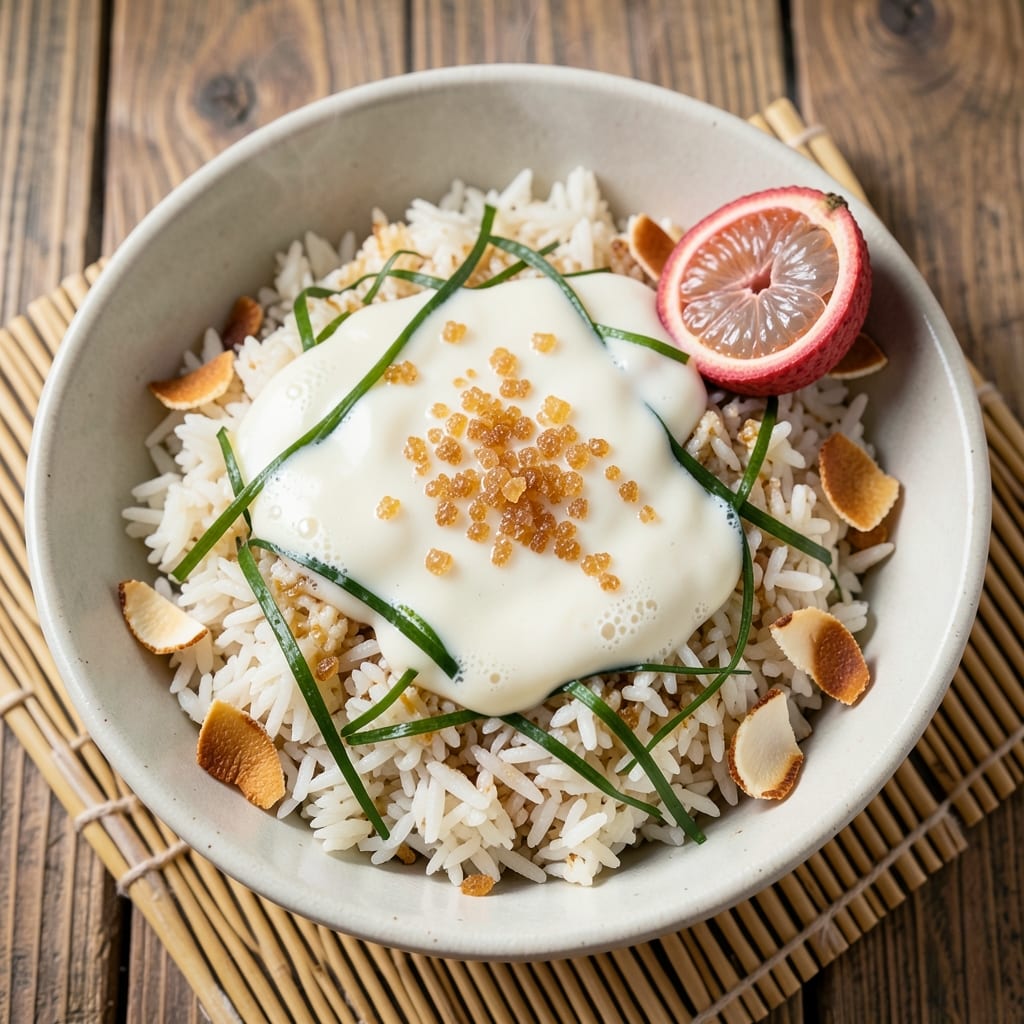
This Asian sweet rice recipe delivers fragrant coconut milk and pandan perfection that captures the essence of Southeast Asian desserts. The secret lies in balancing sticky jasmine rice with rich coconut milk and natural pandan extract, creating a dessert that's both comforting and elegant. I've perfected this version after years of testing, ensuring the rice absorbs just the right amount of coconut sweetness without becoming mushy.
The recipe starts with soaking jasmine rice to achieve that signature sticky texture, then simmering it gently in coconut milk until tender. Natural pandan extract adds that distinctive floral aroma, while palm sugar caramelizes beautifully for a touch of depth. What makes this recipe truly special is the foolproof technique that guarantees perfectly cooked rice every time—no guesswork involved.
By the time you're done, you'll have a pot of golden, fragrant sweet rice that's ready to be plated with fresh mango slices, toasted coconut flakes, or a drizzle of coconut cream. The aroma alone will transport you to tropical destinations, while the texture offers just the right balance of stickiness and bite. This dessert is perfect for special occasions or as a comforting treat any time of year.
Serve it warm for a cozy dessert experience or slightly chilled for a refreshing twist. The recipe scales easily, making it ideal for gatherings or meal prep. Here's how to create this Asian sweet rice masterpiece in your own kitchen.
Ingredients for asian sweet rice
Fragrant coconut milk and pandan extract create this elegant dessert's signature aroma and texture.
| Ingredient | Amount | Notes |
|---|---|---|
| Jasmine Rice 🍚 | 1 cup | Uncooked, long-grain preferred |
| Full-Fat Coconut Milk 🥥 | 13 ½ oz | Canned, no additives |
| Natural Pandan Extract 🌿 | 1 tsp | Pure, no artificial flavors |
| Palm Sugar 🍯 | ½ cup | Finely ground, golden color |
| Water 💧 | 1 cup | Room temperature preferred |
| Salt 🧂 | ¼ tsp | Fine sea salt preferred |
| Toasted Coconut Flakes 🥥 | ¼ cup | For garnish, unsweetened |
| Fresh Mango Slices 🍈 | 1 cup | Ripe, for serving |
| Coconut Cream 🥥 | ¼ cup | Thick, for drizzling |
| Vanilla Extract 🌸 | ½ tsp | Pure, for depth |
| Unsalted Butter 🧈 | 1 tbsp | For richness, optional |
| Lime Zest 🍋 | 1 tsp | Fresh, for brightness |
The jasmine rice is the foundation—Thai Kitchen brand is my go-to for consistent quality, but any long-grain jasmine works. For coconut milk, full-fat canned brands like Thai Kitchen or Aroy-D give the richest flavor. Natural pandan extract is key—avoid imitation extracts, which often taste artificial. Palm sugar adds depth, but if you can't find it, light brown sugar works in a pinch. The water should be room temperature to help the rice soak evenly without shocking the grains.
No pandan extract? Pandan leaves steeped in warm water (1 leaf per 1/4 cup) work as a substitute. Short on coconut milk? Light coconut milk plus 1 tbsp coconut cream mimics the richness. The toasted coconut flakes should be lightly browned for best flavor—skip the pre-sweetened kind. Mangoes can be swapped for ripe pineapple or papaya if you prefer. For extra richness, add the butter at the end—just melt it gently over low heat before stirring through.
This dessert keeps beautifully—3-4 days in the fridge in an airtight container. Reheat gently in the microwave for 20-30 seconds to restore warmth. For meal prep, portion into individual containers with a drizzle of coconut cream on top. The rice thickens as it cools, so add 1-2 tbsp water if it seems too firm when reheating. Garnish with lime zest just before serving to brighten the flavors.
Why You'll Love This Recipe
- One-Pot Magic: I swear by this recipe—just rice, coconut milk, and a few pantry staples. No chopping, no stirring for hours, and honestly? The steam does most of the work while I sip tea.
- Fragrant Obsession: That first whiff of pandan and palm sugar? It’s like a warm hug in rice form. The coconut milk makes it creamy without being heavy, and the jasmine rice soaks up the sweetness like a sponge.
- Weeknight & Celebration: Between us, this is my go-to for lazy Sundays and when I need to impress guests. Serve it plain for a light dessert, or pair it with curry for a full meal—it’s that adaptable.
- Leftovers That Beg: I always make extra because reheated, this rice stays moist and delicious. Plus, the palm sugar keeps it from drying out, so it’s my budget-friendly way to stretch a meal without sacrificing taste.
Step-by-step instructions for fragrant coconut pandan rice
Here's the method for achieving restaurant-quality sweet rice with aromatic coconut and pandan.
Soak the Jasmine Rice
Place the 1 cup jasmine rice in a medium bowl and add the 1 cup water. Gently stir to distribute the rice evenly. Let it soak at room temperature for at least 30 minutes, or up to 1 hour if possible. This soaking step is crucial—it prevents the rice from becoming gummy and ensures each grain absorbs the coconut milk perfectly.
I like to cover the bowl loosely with plastic wrap during soaking to prevent evaporation while still allowing some airflow. The rice should be fully submerged but not packed down. If you're short on time, you can soak it for just 20 minutes, but the longer soak gives you the best texture results.
Prepare the Coconut Milk Mixture
In a separate bowl, combine the 13.5 oz full-fat coconut milk, 0.5 cup palm sugar, and 0.25 tsp salt. Whisk until the sugar dissolves completely. Then add the 1 tsp natural pandan extract and 0.5 tsp vanilla extract, whisking again to fully incorporate. This mixture should be smooth with no visible sugar granules.
The pandan extract gives that distinctive floral aroma, while the palm sugar adds just the right amount of sweetness without overpowering. I always use pure pandan extract here—it makes a noticeable difference compared to artificial versions. If you prefer a slightly stronger pandan flavor, you can add an extra ¼ tsp, but start with the recipe amount first.
Cook the Rice to Perfection
Drain the soaked jasmine rice thoroughly using a fine-mesh strainer, shaking gently to remove excess water. In a medium saucepan with a tight-fitting lid, combine the drained rice with the coconut milk mixture. Stir gently to coat the rice evenly in the liquid.
Bring the mixture to a gentle boil over medium heat, then immediately reduce the heat to low. Cover the pan and cook for 15 minutes without stirring. After 15 minutes, add the 1 tbsp unsalted butter and 1 tsp lime zest, stirring gently to distribute. Continue cooking for another 5-7 minutes until the rice is tender and the liquid has been fully absorbed.
Here's the thing—you'll know it's done when the rice looks creamy and the grains are distinct but tender. If you peek and see liquid still remaining, cover and cook for another 2-3 minutes. The rice should be moist but not soupy, with a delicate balance between the coconut milk and rice texture.
Rest and Garnish for Serving
Remove the pan from heat and let the rice rest, covered, for 5 minutes. This resting period allows the flavors to meld and the rice to finish absorbing any remaining moisture. Then gently fluff the rice with a fork, being careful not to mash the grains.
Transfer the rice to a serving dish and arrange the 1 cup fresh mango slices on top. Drizzle with the 0.25 cup coconut cream and sprinkle evenly with the 0.25 cup toasted coconut flakes. The mango adds a bright contrast to the rich coconut rice, while the toasted coconut flakes provide a delightful crunchy texture.
For the perfect presentation, serve immediately while the rice is still warm. Each bite should deliver a harmonious combination of fragrant coconut, subtle pandan aroma, and sweet mango brightness. The lime zest adds a refreshing citrus note that cuts through the richness beautifully.
Pro Tips For Making Asian Sweet Rice
- SOAK THE RICE: Jasmine rice absorbs liquid like a sponge—give it a 20-minute soak in cold water before cooking. I learned this the hard way when my rice turned out gummy; the extra hydration lets the coconut milk and pandan blend in smoothly without fighting for moisture.
- USE FULL-FAT COCONUT MILK: Skip the light version—full-fat coconut milk adds richness and prevents the rice from drying out. If you’re short on time, warm the can slightly to help it mix faster, but don’t boil it or it’ll curdle.
- STIR ONCE, THEN STOP: After adding the coconut milk and sugar, give it one gentle stir to combine, then walk away. Over-stirring breaks the rice grains and turns your dessert into mush. Let the heat do the work—just peek occasionally.
- TASTE THE LIQUID FIRST: Before pouring the coconut mixture over the rice, taste the liquid for sweetness. Palm sugar varies in intensity, so adjust with a pinch more if needed. Trust your palate—this is where the magic (or disaster) happens.
Dietary considerations for these flavors
Gluten-Free Friendly
This sweet rice recipe is naturally gluten-free—jasmine rice, coconut milk, and all other ingredients are free from gluten-containing grains. Always check your palm sugar and toasted coconut flakes labels to confirm they're processed in gluten-free facilities. I recommend Wholesome Sweeteners palm sugar and Bob's Red Mill coconut flakes for guaranteed safety. 🌱
Vegan Adaptations
To make this dessert fully vegan, simply omit the unsalted butter and replace it with 1 tbsp coconut oil or vegan butter. The coconut milk and palm sugar are already plant-based, so no other substitutions are needed. The texture remains perfectly creamy without dairy. For extra richness, add 1 tbsp coconut cream to the coconut milk mixture.
Diabetic Considerations
For a lower-glycemic version, reduce the palm sugar to 0.25 cup and add 1 tsp cinnamon to enhance sweetness perception. The natural sweetness of ripe mango and coconut will still shine through. Pair with unsweetened Greek yogurt (if not vegan) for added protein and fiber to balance blood sugar. Always monitor portion sizes—this dessert is still indulgent! 🍎
Nut-Free Safety
This recipe is nut-free by default, but always double-check your toasted coconut flakes for cross-contamination warnings. If you're serving guests with severe allergies, opt for certified nut-free brands like Anthony's coconut flakes. The coconut used here is not a tree nut, but processing facilities may handle nuts—when in doubt, verify packaging labels.
Lower-Calorie Options
For a lighter version, use light coconut milk (reduce to 10 oz) and ½ cup water in place of full-fat coconut milk. Replace ½ cup of the palm sugar with powdered erythritol for sweetness without calories. The texture will be slightly less rich, but the tropical flavors remain intact. Serve with fresh berries instead of mango for additional fiber. 🍓
Kid-Friendly Twists
Make it fun for kids by letting them arrange their own toppings! Set out small bowls of mini chocolate chips, crushed graham crackers, and freeze-dried mango bits for customization. Use cookie cutters to shape the rice into fun forms before serving. The natural sweetness and familiar coconut flavor make this dessert universally appealing. 🧒
Nutrition facts
Frequently asked questions
Can I substitute regular rice for jasmine rice in this recipe?
Jasmine rice is essential for that signature sticky texture and delicate aroma. Regular long-grain white rice won't give the same results—it becomes too firm and loses the fragrant quality. For a similar texture, try Thai glutinous rice (though it's technically not gluten-free), but you'll need to adjust the soaking time to 1 hour and reduce the water by 20%. The flavor won't be identical, but the stickiness will improve.
How do I know when the sweet rice is fully cooked?
The rice is done when it's creamy but still has slight resistance when pressed between fingers—not mushy. Look for the grains to be distinct yet tender, with all the coconut milk absorbed. If you peek and see liquid remaining after 20 minutes of cooking, cover and cook 2-3 more minutes. Overcooking turns it gummy, while undercooking leaves it chalky.
Can I make this dessert ahead of time?
Prepare it up to 3 days ahead and store in an airtight container in the fridge. Reheat gently in the microwave for 20-30 seconds with a damp paper towel covering the bowl to restore moisture. For best texture, add 1-2 tbsp water if the rice seems too firm when reheating. Garnish with fresh toppings just before serving to keep them vibrant.
Why does my sweet rice turn out too dry or too wet?
Too dry? You likely drained the rice too thoroughly or cooked it too long. For wet rice, either the coconut milk wasn't fully absorbed (reduce cooking time next time) or you added too much water during soaking. The key ratio is 1 cup rice to 1 cup water for soaking, then 13.5 oz coconut milk—measure carefully! Also, avoid stirring while cooking to prevent breaking the grains.
What's the best way to store leftovers?
Store in an airtight container with parchment paper between layers to prevent sticking. It keeps for 4-5 days in the fridge. For longer storage, freeze individual portions for up to 2 months. Thaw overnight in the fridge and reheat gently. The texture may change slightly after freezing, but the flavors remain delicious. Label containers with dates to track freshness!