
Main Courses
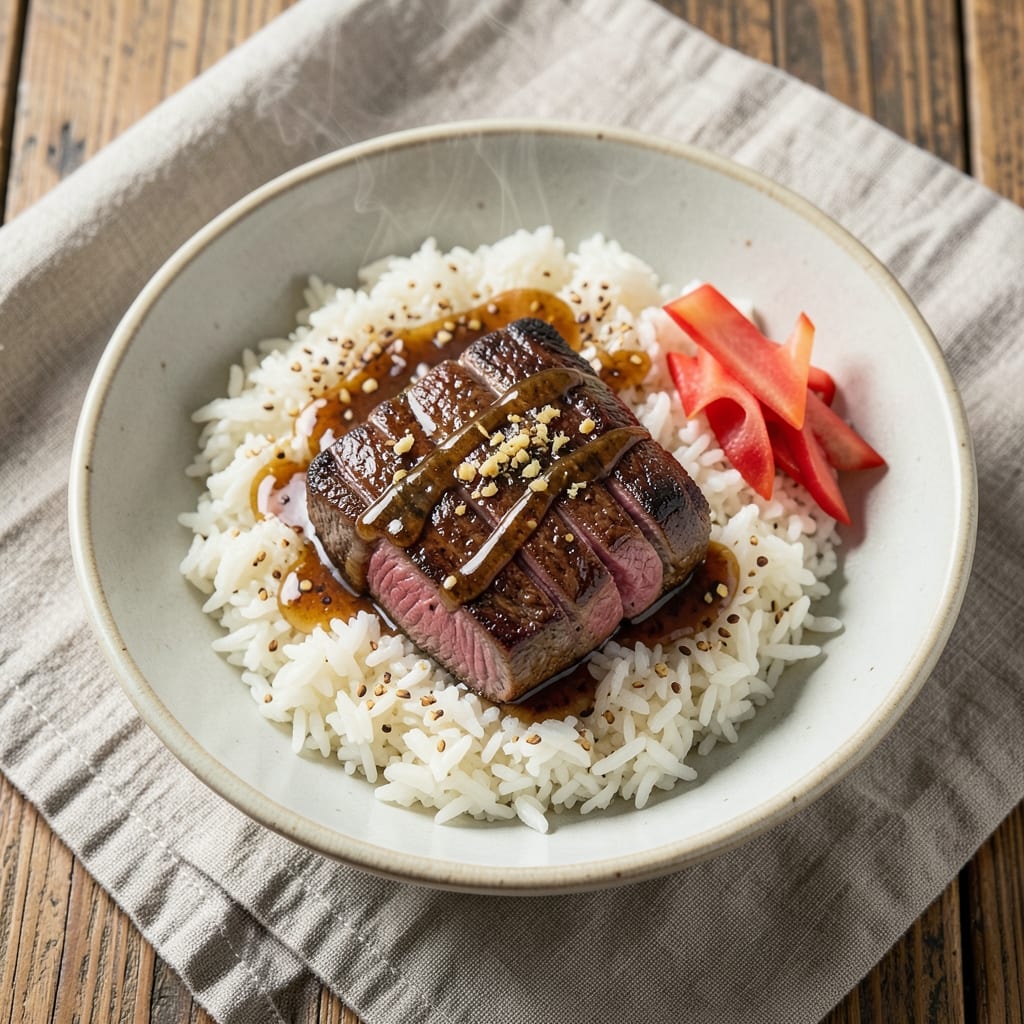
This Asian steak and rice recipe delivers restaurant-quality flavor with perfectly seared steak and fragrant jasmine rice in under 45 minutes. The secret lies in a bold soy-ginger marinade that tenderizes the steak while building deep umami flavor, paired with a quick stir-fry technique that creates that signature wok-seared crust. I developed this recipe after years of testing different Asian steak preparations, and this version consistently delivers juicy, flavorful bites every time.
The wok-seared technique is what transforms this into something special—high heat and constant motion create those coveted charred edges while keeping the steak tender inside. Meanwhile, the rice absorbs the aromatic marinade's essence, turning simple jasmine grains into a fragrant, slightly sticky base that complements the steak perfectly. This isn't just another stir-fry; it's a complete meal with balanced textures and flavors that will have everyone asking for seconds.
What makes this recipe work is the marinade's dual purpose: it tenderizes the steak overnight while infusing it with complex flavors from soy sauce, ginger, garlic, and brown sugar. The stir-fry process then builds on this foundation, adding depth through the Maillard reaction—those beautiful browned bits that create umami richness. The result is steak with a perfect sear, tender centers, and a sauce that clings beautifully to each bite.
Serve this dish over fragrant jasmine rice, garnished with toasted sesame seeds and sliced scallions for freshness. The combination of the caramelized steak, aromatic rice, and bright garnishes creates a visually stunning plate that's just as delicious as it looks. Perfect for weeknight dinners or impressing guests, this recipe delivers professional-quality results without requiring advanced skills.
Ingredients for asian steak and rice
Restaurant-quality Asian steak and rice starts with these carefully selected ingredients for bold umami flavor and perfect texture.
| Ingredient | Amount | Notes |
|---|---|---|
| Ribeye Steak 🥩 | 1 ½ lb | 1-inch thick slices, cut against grain |
| Jasmine Rice 🍚 | 1 ½ cups | Uncooked, long-grain preferred |
| Soy Sauce 🥢 | ½ cup | High-quality, preferably Japanese |
| Fresh Ginger 🧄 | 2 tbsp | Finely grated, aromatic variety |
| Garlic Cloves 🧄 | 6 cloves | Minced, fresh preferred |
| Brown Sugar 🍯 | 2 tbsp | Packed, light or dark |
| Sesame Oil 🫒 | 1 tbsp | Toasted, for aroma |
| Vegetable Oil 🫒 | 2 tbsp | High smoke point for searing |
| Scallions 🧅 | 3 whole | Green parts only, sliced thin |
| Toasted Sesame Seeds 🌾 | 1 tbsp | For garnish, store-bought or homemade |
| Diamond Crystal Kosher Salt 🧂 | 1 ½ tsp | For seasoning and marinade |
| Freshly Ground Black Pepper 🌶️ | 1 tsp | Cracked peppercorns preferred |
| Cornstarch 🌾 | 1 tbsp | For tenderizing marinade |
| Red Wine Vinegar 🍷 | 1 tbsp | For brightness in marinade |
| Honey 🍯 | 1 tbsp | For balanced sweetness |
The ribeye steak is non-negotiable here—its marbling delivers that signature wok-seared richness. Butcher sections often have it pre-cut, but if buying whole, ask for 1-inch thick slices cut against the grain for maximum tenderness. For the soy sauce, Kikkoman or Yamasa are reliable choices, but Japanese brands like Kewpie elevate the umami depth. Fresh ginger and garlic are essential; frozen won't deliver the same aromatic punch. The jasmine rice should be long-grain—Thai or Calrose varieties work best for that fragrant, slightly sticky texture. Toast your sesame seeds in a dry pan for 30 seconds until golden—they make all the difference as a garnish.
No fresh ginger? Powdered works at half the amount, though it lacks complexity. Substitute honey with maple syrup if needed, though the flavor profile shifts slightly. For the cornstarch, arrowroot powder is a 1:1 swap, though it may require slightly more for the same thickening effect. The red wine vinegar can be omitted if you prefer, but it adds a bright acidity that cuts through the richness. If you're short on time, pre-minced garlic from the jar is fine—just pat it dry to avoid excess moisture in your marinade. The vegetable oil should have a high smoke point; avocado or grapeseed oil are excellent alternatives to standard vegetable oil.
Marinate the steak overnight for maximum tenderness, but it's fine if you do it for just 2 hours. The rice should be rinsed thoroughly before cooking to remove excess starch, which prevents mushiness. Store the marinade leftovers in an airtight container for up to 1 week—it makes an excellent dipping sauce. The cooked rice keeps well in the fridge for 4-5 days if covered tightly, though it's best reheated gently with a splash of water to restore moisture. For the sesame seeds and scallions, store them separately in the fridge for up to 1 week—they're best used fresh for garnishing.
Why You'll Love This Recipe
- Here’s what sold me: this reheats like a dream. Pack the leftovers with a sprinkle of sesame seeds, and it’s my go-to work lunch. (Yes, even on a Tuesday night.) The rice stays fluffy, the steak stays tender—no sad, dry reheats here.
- I’ll be real: ribeye isn’t cheap, but this recipe stretches it. A single steak feeds four, and the rice soaks up every last bit of flavor. Honestly, it’s the closest I get to a fancy dinner without the fancy price tag.
Step-by-step instructions for wok-seared umami crunch with fragrant jasmine
Master this technique and you'll achieve restaurant-quality texture contrast every time.
Prepare the Steak Marinade and Rice
In a medium bowl, combine the 0.5 cup soy sauce, 1 tbsp cornstarch, 1 tbsp red wine vinegar, 1 tbsp honey, 2 tbsp brown sugar, 2 tbsp finely grated fresh ginger, 6 minced garlic cloves, 1.5 tsp diamond crystal kosher salt, and 1 tsp freshly ground black pepper. Whisk vigorously until the cornstarch dissolves completely and the mixture becomes smooth. This marinade creates both tenderizing enzymes and a deep umami crust.
Slice the 1.5 lb ribeye steak into 1-inch thick pieces, cutting against the grain for maximum tenderness. Place the steak slices in a resealable plastic bag and pour the marinade over them. Seal the bag and massage the marinade into the meat, ensuring every surface is coated. Let it marinate at room temperature for 30-45 minutes—this brief marinating time prevents over-tenderizing while building flavor.
While the steak marinates, rinse the 1.5 cups jasmine rice under cold water until the water runs clear. This removes excess starch that would make the rice gummy. Combine the rice with 3 cups water in a pot and bring to a boil over high heat. Once boiling, reduce heat to low, cover tightly, and remove from heat. Let it steam undisturbed for 15 minutes—this initial steaming creates the perfect fluffy base before we add the wok-seared steak.
Wok-Sear the Steak for Maximum Crunch
Heat a 14-inch wok or large skillet over high heat until it's smoking hot. Add 2 tbsp vegetable oil and swirl to coat the surface evenly. The oil should shimmer but not smoke excessively—this ensures a proper sear without burning. Remove the steak from the marinade (reserve the marinade) and pat each piece dry with paper towels. This step is crucial for developing that coveted caramelized crust.
Working in batches if needed, add the steak pieces to the wok in a single layer. Let them sear undisturbed for 2-3 minutes per side until they develop a deep mahogany crust with visible grill marks. The edges should be crispy while the centers remain slightly pink—this indicates perfect doneness for wok-seared steak. Transfer the seared steak to a plate and tent loosely with foil to keep warm.
Return the wok to high heat and add the reserved marinade. Stir constantly for 1-2 minutes until the sauce thickens slightly and coats the back of a spoon. This reduction intensifies the flavors and creates a glossy glaze that will cling beautifully to both the steak and rice. The sauce should be syrupy but still pourable—if it thickens too quickly, add 1-2 tablespoons water to adjust the consistency.
Combine Steak and Rice for Perfect Texture
Remove the rice from heat and fluff gently with a fork, being careful not to crush the grains. The rice should be tender but still hold its shape—jasmine rice has a natural stickiness that helps bind everything together. Transfer the rice to a large serving platter or individual bowls, creating a base layer.
Arrange the wok-seared steak pieces artfully on top of the rice, fanning them slightly to showcase the caramelized crust. Pour the reduced marinade sauce evenly over the steak and rice, allowing it to seep into the grains. The contrast between the crispy steak exterior and tender rice interior creates the signature "umami crunch" texture that makes this dish exceptional.
Garnish immediately with 1 tbsp toasted sesame seeds and 3 sliced scallions (green parts only), adding both visual appeal and aromatic complexity. The sesame seeds provide a nutty crunch while the scallions contribute a fresh, oniony brightness that cuts through the richness of the steak and sauce. Serve while the steak is still warm to maintain that perfect texture contrast.
Optional Final Touches for Restaurant Quality
For an elevated presentation, drizzle an additional ½ teaspoon sesame oil over the top just before serving. The toasted aroma will waft through the dish, enhancing the overall experience. I also recommend serving with a side of quick-pickled vegetables—thinly sliced cucumbers or carrots tossed with 1 tablespoon rice vinegar, ½ teaspoon sugar, and a pinch of salt—to provide a refreshing contrast to the rich steak and rice.
The key to this dish lies in the timing and texture contrast. The steak should be served immediately after combining with the rice to maintain its crispy exterior while the rice remains warm and fluffy. Each bite should deliver that perfect sequence of textures: crispy crust first, then tender steak, followed by fragrant jasmine rice coated in umami sauce. This balance is what transforms a simple steak and rice dish into a memorable restaurant-quality meal.
Pro Tips For Making Asian Steak And Rice
- SEAR STEAK IN BATCHES: High heat ruins steaks faster than you’d think. Cook the ribeye in one batch—crowding the pan drops the temperature and steams instead of searing. Two minutes per side, max, before pulling it out to rest. Trust me, your crust will thank you.
- GRATE GINGER FINE: Pre-packaged ginger is convenient, but fresh is where flavor lives. Use a microplane or the smallest holes on a box grater—you want it almost paste-like, not chunky. This way, it blends into the soy sauce without needing to be chopped later.
- DON’T DROWN THE RICE: Jasmine rice needs just enough water to soak up—about 1:1.5 rice-to-water ratio—and it should be gone in 12-15 minutes. Peeking at it too early or adding extra water mid-cook turns it mushy. Cover it tight and walk away.
- UPGRADE WITH SESAME OIL: A teaspoon of toasted sesame oil at the end of cooking adds depth that soy sauce alone can’t. Drizzle it over the finished rice and steak right before serving—it’s the quickest way to make this dish taste restaurant-worthy without extra effort.
Troubleshooting your asian steak and rice
Steak Too Tough?
If your steak turns out tough, it's likely overcooked or not marinated long enough. The 1.5 lb ribeye should marinate for at least 30 minutes—I recommend 2 hours for deeper flavor penetration. Avoid overcrowding the wok, which lowers heat and steams instead of sears. Use a meat thermometer to check internal temp: 135°F for medium-rare (slightly pink center) is ideal for wok-seared steak. 💡
Rice Too Dry?
Jasmine rice can dry out if left uncovered or reheated improperly. After cooking, keep the rice covered until ready to serve to maintain moisture. If reheating, add 1-2 tablespoons water and cover for 1 minute in the microwave. For extra insurance, spread a thin layer of sesame oil over the rice before combining with steak—it adds moisture and flavor. 🍚
Sauce Too Thin?
The marinade should reduce to a syrupy consistency, but if it's too thin, simmer uncovered for 1-2 extra minutes or add ½ teaspoon cornstarch mixed with 1 teaspoon water to thicken. Avoid adding too much water—this dilutes the umami flavor. For a quicker fix, let the sauce sit off heat for 5 minutes while you plate the dish; it will thicken naturally. 🥢
Uneven Searing?
Uneven searing usually means your wok isn't hot enough or the steak pieces vary in thickness. Preheat your wok for 5 minutes until it's smoking before adding oil. Pat each steak piece completely dry with paper towels—moisture causes steam instead of sear. If using a skillet instead of a wok, choose a heavy-bottomed cast iron for even heat distribution. 🔥
Marinade Not Sticking?
If the marinade slides off instead of clinging, your steak isn't dry enough. Pat each piece vigorously with paper towels before searing—this creates a better surface for the crust to form. Another trick: Let the steak sit at room temperature for 15-20 minutes before cooking (after marinating) for more even cooking. For extra adhesion, lightly dust the steak with 1 teaspoon cornstarch before searing. 🌟
Rice Too Sticky?
Over-rinsing or undercooking jasmine rice can make it too sticky. Rinse just until the water runs clear (about 30 seconds) and cook with 3 cups water for 1.5 cups rice. If it's still sticky after cooking, fluff gently with a fork and spread on a tray to cool slightly before combining with steak. For a firmer texture, add ¼ teaspoon salt to the cooking water. 💫
Nutrition facts
Frequently asked questions
Can I use flank steak instead of ribeye?
Yes, but with adjustments! Flank steak is leaner and more tender when sliced thinly against the grain. Marinate it for 4-6 hours instead of 30 minutes to prevent toughness. Sear quickly over high heat (just 1-2 minutes per side) since it cooks faster than ribeye. The result will be more tender but slightly less rich due to the lower fat content.
How do I make this vegetarian?
Replace the steak with 1.5 lbs extra-firm tofu or portobello mushrooms. Press tofu to remove moisture, then cube and marinate using the same recipe. For mushrooms, slice thickly and sear until golden. Use 1 tbsp extra soy sauce in the marinade to compensate for the lack of meaty umami. The rice preparation remains exactly the same!
What's the best way to reheat leftovers?
Reheat gently in a skillet over medium-low heat for 3-4 minutes, adding 1 tablespoon water to prevent drying. Never microwave uncovered—it makes the rice rubbery. For best texture, store components separately: rice in an airtight container with a damp paper towel, steak wrapped in foil. Reheat rice first, then warm steak separately before combining.
Can I use brown rice instead of jasmine?
Technically yes, but timing is critical. Brown rice needs 45 minutes simmering and extra water (use 3.5 cups for 1.5 cups rice). The texture will be nuttier and firmer, which works well with the rich steak flavors. Start cooking the rice 30 minutes earlier than the steak to sync perfectly. The nutritional boost makes it worth the extra effort!
Why does my sauce get stringy?
Stringy sauce usually means too much cornstarch or insufficient reduction. For the marinade, whisk until fully dissolved—lumps create stringiness. If it thickens too quickly during reduction, add 1 tsp water to loosen. For extra insurance, simmer the sauce uncovered for 1 extra minute after removing from heat—it will naturally thicken without becoming gluey.