
Main Courses
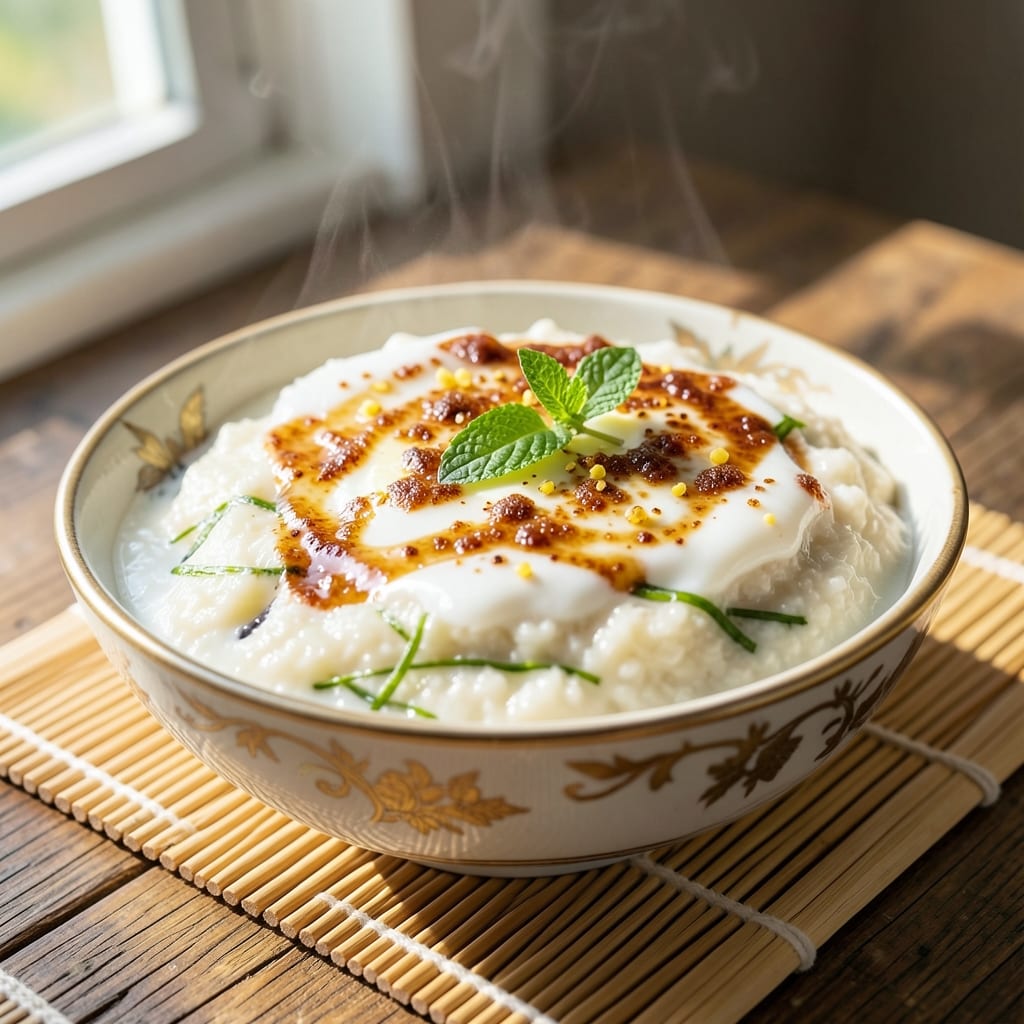
This fragrant coconut pandan rice pudding brings the comforting warmth of Asian desserts to your table with every creamy spoonful. 💛 I first discovered its magic while exploring Thai street food markets, where vendors served it warm with a drizzle of sweetened coconut milk—simple ingredients transformed into something extraordinary. The secret lies in perfectly balanced textures: tender rice grains suspended in velvety coconut milk, infused with the delicate floral notes of pandan and just a hint of vanilla warmth.
The recipe starts with short-grain rice, which absorbs the coconut milk beautifully while maintaining its shape, creating that signature creamy yet distinct texture. Unlike traditional rice puddings, this version incorporates authentic Asian flavors—pandan extract for its signature aroma, toasted coconut milk for depth, and a touch of salt to enhance all the sweetness. The process is straightforward: soak the rice, simmer gently, and let the flavors meld together over time.
What you'll end up with is a dessert that's equally at home served warm with a sprinkle of toasted sesame seeds or chilled with fresh mango slices on top. The pandan essence gives it that unmistakable floral fragrance, while the coconut milk adds richness without overpowering the delicate rice. This isn't just dessert—it's a sensory experience that transports you to bustling Asian markets with every bite.
For those who love to experiment, you can easily adapt this base recipe into Thai khao neeo mamuang with durian or Japanese mochigome with red bean paste. The beauty of this recipe is its versatility—simple enough for weeknight desserts but impressive enough for special occasions. Let's make this fragrant pudding together!
Ingredients for asian rice pudding
Six simple ingredients transform into fragrant coconut pandan rice pudding that tastes like a Thai street market dessert.
| Ingredient | Amount | Notes |
|---|---|---|
| Short-Grain White Rice 🍚 | 1 cup | Uncooked, jasmine or glutinous preferred |
| Full-Fat Coconut Milk 🥥 | 2 cans | 13.5 oz each, unsweetened |
| Pandan Extract 🌿 | 1 tbsp | Pure, not paste, for authentic aroma |
| Pure Vanilla Extract 🍯 | 1 tsp | High-quality, Madagascar preferred |
| Granulated Sugar 🍚 | ¾ cup | Adjust to taste, fine grain preferred |
| Unsalted Butter 🧈 | 2 tbsp | Cold, cut into small pieces |
| Toasted Coconut Flakes 🥥 | ¼ cup | Unsweetened, lightly toasted |
| Toasted Sesame Seeds 🌱 | 2 tbsp | White or black, for garnish |
| Salt 🧂 | ¼ tsp | Fine sea salt, enhances sweetness |
| Fresh Mango Slices 🥭 | ½ cup | Optional, for serving |
| Water 💧 | 1 ½ cups | Filtered preferred for clarity |
The rice is the heart of this dish—jasmine or glutinous rice gives that signature creamy texture. Asian markets carry both, but if you're stuck with regular white rice, just simmer it longer. For the coconut milk, Thai Kitchen brand is my go-to, but any full-fat unsweetened works. The pandan extract is non-negotiable for that authentic floral aroma—look for pure extract, not the green paste. If you can't find it, Amazon or specialty Asian grocery stores always have it. Toast your own coconut flakes in a dry pan for 3-4 minutes until golden—they add a whole new dimension of flavor.
No pandan extract? Squeeze 1 tbsp of fresh lime juice plus 1 tsp vanilla bean paste as a substitute, though it won't be identical. Running low on butter? Coconut oil works 1:1, but keep it cold. The sugar can be swapped for coconut sugar or palm sugar for a deeper caramel note. For a vegan version, use vegan butter and coconut milk (already vegan-friendly). The sesame seeds can be omitted if you're allergic, but trust me—they're worth the extra minute in the pan. Fresh mango isn't essential, but it turns this into a tropical dessert experience.
This pudding tastes even better the next day as the flavors meld. Store leftovers in an airtight container in the fridge for up to 5 days. For a quick dessert, reheat gently in a saucepan with a splash of coconut milk. Freezes beautifully for 3 months—just thaw overnight in the fridge. I like to portion mine into small jars so I can grab a single serving whenever cravings hit. The toasted coconut and sesame seeds keep best in the freezer for 6 months if you want to prep ahead.
Why You'll Love This Recipe
- One-Pot Magic: I swear by this—just rice, coconut milk, and a splash of pandan, simmered until creamy. No fancy gadgets, no extra bowls, and honestly? The kids think I’m a genius when I pull it off.
- Velvet Smooth Texture: That full-fat coconut milk transforms short-grain rice into something ridiculously tender—like biting into a cloud. The pandan gives it this subtle floral note that makes it taste like a dessert you’d pay for at a café.
- Meal Prep Hero: Between us, this is my go-to for lunchboxes or after-school snacks. Make a big batch on Sunday, and you’ve got breakfast, dessert, or a quick snack covered all week. (Yes, even on a Tuesday night.)
- Budget Luxury: Coconut milk and rice are cheap, but the flavor? Pure indulgence. I’ll be real—it’s the kind of treat that feels special without breaking the bank. Plus, leftovers taste just as good reheated the next day.
Step-by-step instructions for fragrant coconut pandan rice pudding
Here's how to create this velvety, aromatic dessert that balances sweetness with tropical notes.
🍳 Step 1: Toast the Rice for Nuttier Flavor
In a medium saucepan, combine the 1 cup short-grain white rice and 1.5 cups water. Bring to a boil over medium-high heat, then immediately reduce to low heat. Let it simmer uncovered for 10-12 minutes, stirring occasionally, until the water is completely absorbed and the rice begins to toast lightly at the edges. You'll see it develop a subtle golden hue and smell nutty—this dry-toasting step is what gives authentic Asian rice pudding its depth of flavor.
I press down gently on the rice with a wooden spoon during the last few minutes to ensure even toasting. This prevents any uncooked pockets while developing that toasty aroma. Once the rice looks dry and slightly crispy in spots, remove it from heat and let it cool for 5 minutes before proceeding. Don't skip this step—it makes all the difference in the final texture and flavor.
🥘 Step 2: Build the Coconut-Pandan Base
In a large mixing bowl, whisk together the 2 cans full-fat coconut milk, 1 tbsp pandan extract, 1 tsp pure vanilla extract, 0.75 cup granulated sugar, and 0.25 tsp salt until the sugar dissolves completely. The mixture should smell intensely tropical with that distinctive pandan aroma—this is where the magic happens. I like to use a whisk for this step to ensure everything is fully emulsified and there are no sugar granules left undissolved.
Add the toasted rice to the coconut mixture and stir gently to combine. The rice will absorb some of the liquid immediately, but don't worry—we'll be cooking this further. For best results, I recommend using a rubber spatula to fold everything together, ensuring the rice is evenly coated. This is the moment that matters: the pandan extract needs to infuse properly, so give it a good stir now. Let the mixture sit at room temperature for 10 minutes while you prepare the garnishes.
🔥 Step 3: Simmer Until Creamy Perfection
Transfer the rice mixture to a heavy-bottomed saucepan. Place over medium-low heat and bring to a gentle simmer, stirring frequently to prevent sticking. The pudding will thicken gradually—this can take 20-25 minutes. You're looking for a consistency where it coats the back of a spoon but still moves smoothly. Here's the thing—don't rush this step. The gentle simmer allows the flavors to meld and the texture to develop properly.
About 5 minutes before the pudding reaches your desired consistency, stir in the 2 tbsp cold unsalted butter, cut into small pieces. This adds richness and helps create that signature creamy texture. Watch carefully as it thickens—it should be thick enough to hold its shape when spooned but still have a luxurious, custard-like consistency. Remove from heat immediately when it reaches this point, as it will continue thickening while it cools.
🍽️ Step 4: Finish and Garnish for Presentation
Spread the warm pudding into serving dishes and let it cool to room temperature. This resting period allows the flavors to fully develop and the texture to set properly. While it cools, toast the 0.25 cup toasted coconut flakes and 2 tbsp toasted sesame seeds in a dry skillet over low heat for 2-3 minutes until golden and fragrant. Stir constantly to prevent burning—you want them to be just crispy enough to add texture contrast.
Once the pudding has cooled slightly, top each serving with the toasted coconut flakes and sesame seeds. For an extra touch, arrange the 0.5 cup fresh mango slices on top or alongside. The contrast of the warm, creamy pudding with the cool, juicy mango creates a perfect balance of temperatures and flavors. Serve immediately while still warm for the best texture experience, or refrigerate for up to 2 hours before serving if you prefer it chilled.
Pro Tips For Making Asian Rice Pudding
- SOAK THE RICE FIRST: I learned this the hard way—skipping the soak means gummy rice even with extra liquid. Toss the short-grain rice in cold water for at least 30 minutes (or overnight if you’re prepping ahead). The starches soften properly, and the pudding gets that silky texture instead of a gluey mess.
- SIMMER LOW AND LONG: This isn’t the time to rush. Once the rice is tender, drop the heat to the lowest setting and let it bubble gently for 45–60 minutes. I used to walk away too soon, and the pudding would either split or stay undercooked. A slow simmer thickens it naturally without burning the coconut milk.
- MEASURE PANDAN PRECISELY: A little goes a long way—start with ¼ teaspoon of pandan extract and adjust. Too much turns your dessert into a perfume bottle. My grandmother swore by this: "Smell the jar first, then taste the spoon." If it’s overpowering, dilute with a splash of coconut milk before adding.
- STIR IN THE VANILLA LAST: Adding vanilla at the end preserves its bright aroma instead of letting it cook off. Heat the coconut milk and sugar until just simmering, then whisk in the rice—hold off on the vanilla until the very last 5 minutes. This keeps the flavor fresh, not bitter or harsh. (Yes, even if you’re impatient like me.)
Serving suggestions for leftovers
Warm Serving Style
This pudding shines when served warm, straight from the pot, with that fragrant coconut-pandan aroma wafting through your kitchen. 🌿 I like to portion it into small ceramic bowls and garnish with toasted coconut flakes and sesame seeds while it's still steaming—this creates a beautiful contrast of textures. The warmth of the pudding against the cool, crisp seeds is pure comfort. For an extra touch, drizzle each serving with a little Thai coconut syrup (available at Asian markets) just before serving. This adds a glossy finish and deepens the tropical flavors.
Chilled Dessert Option
If you prefer your rice pudding cold, let it cool completely in the refrigerator for at least 2 hours before serving. The texture becomes firmer and more custard-like, which pairs beautifully with fresh toppings. I love serving it chilled with sliced kiwi or diced pineapple—the acidity cuts through the richness perfectly. For a restaurant-style presentation, spoon the chilled pudding into individual glasses and top with a scoop of vanilla bean ice cream or a dollop of mango sorbet. The temperature contrast makes every bite feel special.
Asian-Inspired Garnishes
The right garnish can elevate this dessert from homemade to restaurant-quality. For a Thai-inspired touch, sprinkle crushed peanuts and toasted lotus seeds on top—they add a satisfying crunch. In Japan, you might see this pudding topped with kinako (roasted soybean flour) and red bean paste for a traditional twist. I also love adding a few drops of rose water or jasmine tea syrup for an aromatic surprise. Don't forget that fresh pandan leaves can be lightly crushed and placed on top for an elegant presentation.
Modern Twists for Kids
To make this pudding more appealing to kids, try mixing in mini chocolate chips or crushed Oreos during the cooking process. For a fun presentation, serve it in mini mason jars with layers of colored toppings—think blueberry compote on the bottom and whipped cream on top. You can also create "pandan milkshake" versions by blending the cooled pudding with vanilla ice cream and serving it in tall glasses with a whipped cream swirl. The creamy texture and familiar flavors make it a hit with little ones.
Pairing with Coffee
This fragrant rice pudding pairs beautifully with strong black coffee or Thai iced coffee to balance its sweetness. The bitterness of the coffee enhances the pandan and coconut flavors, creating a sophisticated dessert experience. For a dessert course, serve it alongside matcha green tea or jasmine tea—the floral notes complement the pandan perfectly. If you're serving it as a late-night treat, a small cup of espresso or chicory coffee (popular in New Orleans) adds the perfect contrast.
Make-Ahead Presentation
One of my favorite things about this recipe is how well it holds up for make-ahead presentations. Prepare the pudding a day in advance and store it in an airtight container in the fridge. When ready to serve, simply reheat gently in a saucepan with a splash of coconut milk and garnish with fresh toppings. For a party, portion it into individual ramekins and cover with plastic wrap—this keeps it fresh and ready to serve. You can even assemble the garnishes separately and add them just before serving to keep everything crisp and fresh.
Nutrition facts
Frequently asked questions
Can I make this rice pudding without pandan extract?
For a similar floral aroma, try 1 tbsp lime juice + 1 tsp vanilla bean paste or ½ tsp rose water. If you prefer a more neutral version, simply omit it—the coconut and vanilla will still create a delicious dessert. For a nutty depth, add ½ tsp toasted sesame oil during cooking.
Why did my rice pudding turn out too thick or too thin?
Texture depends on simmering time and heat level. For thicker pudding, simmer 5-10 minutes longer—it continues thickening as it cools. If too thin, return to low heat and stir until it reaches your desired consistency. Using less rice or more coconut milk will also affect thickness. The perfect texture coats the back of a spoon but still moves smoothly.
What's the difference between short-grain and long-grain rice for this recipe?
Short-grain rice (like jasmine or glutinous) is essential—it absorbs liquid beautifully while maintaining its shape, creating that signature creamy texture. Long-grain rice becomes mushy and releases too much starch. For a gluten-free option, use arborio rice or sushi rice—they work similarly well.
Can I make this recipe with dairy milk instead of coconut milk?
You can substitute, but the flavor will be completely different. For a milder version, use whole milk + 1 tbsp coconut cream to maintain richness. The pandan and toasted coconut will still shine, but the tropical profile will be less pronounced. For a vegan option, stick with coconut milk—it's already plant-based and adds the authentic flavor.
How do I store leftovers and reheat properly?
Store in an airtight container in the fridge for up to 5 days. To reheat, warm gently in a saucepan with 2 tbsp coconut milk over low heat, stirring constantly. For microwave reheating, cover with a damp paper towel and heat for 30-45 seconds** on medium power. Never microwave uncovered—it can make the pudding rubbery.