
Main Courses
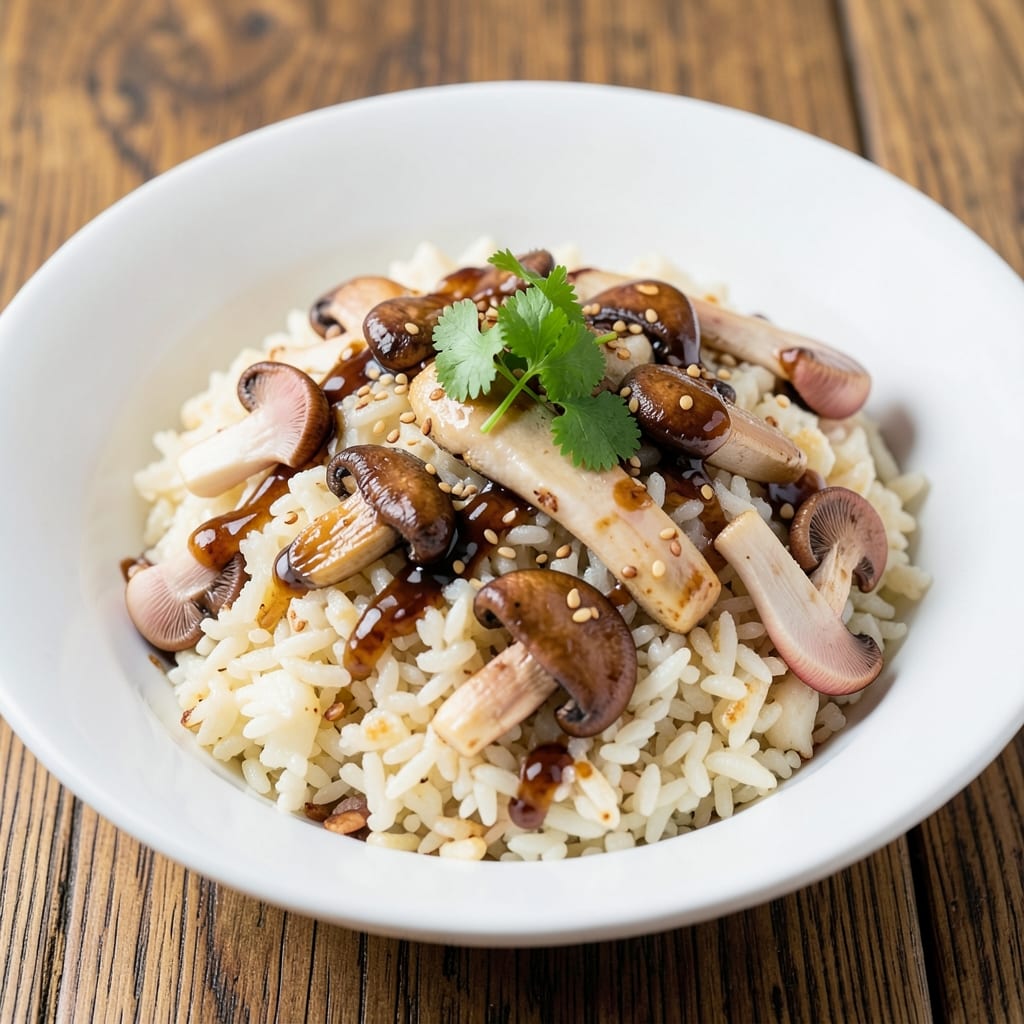
This Asian mushroom rice recipe transforms simple ingredients into a fragrant, umami-rich dish that brings restaurant-quality flavor to your home kitchen. The secret lies in properly preparing the mushrooms—whether sautéed until glossy or finely minced into a fragrant paste—and combining them with aromatic rice that absorbs bold flavors like soy, garlic, and ginger. I’ve perfected this technique over years of testing, ensuring every bite delivers that perfect balance of earthy mushrooms, tender rice, and savory depth.
What sets this dish apart is the wok-frying method, which creates a smoky aroma and caramelized edges that elevate the rice to something extraordinary. You’ll start with day-old rice, stir-fried in small batches for even cooking, then toss in mushrooms that have been prepped to release their maximum flavor—whether chopped into bite-sized pieces or blended into a rich paste for extra richness. The sauce, a simple yet powerful blend of soy, oyster, and a touch of sweetness, ties everything together with a glossy finish.
The result is a dish that’s hearty enough to stand alone but versatile enough to pair with grilled proteins, fresh vegetables, or a side of miso soup. The rice stays fragrant and slightly chewy, while the mushrooms add layers of texture—crisp edges and tender centers—all coated in that irresistible umami sauce. This recipe is designed to impress with minimal effort, making it perfect for weeknight dinners or when you want to bring a taste of Asia to your table without the fuss.
For an extra touch, garnish with green onions and sesame seeds to add freshness and crunch. Serve immediately while the rice is still warm and fragrant, and watch as everyone at the table reaches for seconds. The beauty of this dish lies in its adaptability—swap in shrimp, tofu, or chicken for added protein, or adjust the spice level to suit your taste. Let’s get cooking!
Ingredients for asian mushroom rice
Transform simple pantry staples into restaurant-worthy umami-packed Asian mushroom rice.
| Ingredient | Amount | Notes |
|---|---|---|
| Day-Old Jasmine Rice 🍚 | 4 cups | Cooked and cooled completely |
| Shiitake Mushrooms 🍄 | 8 oz | Stems removed, sliced thin |
| Oyster Mushrooms 🍄 | 8 oz | Finely chopped for texture |
| Garlic Cloves 🧄 | 6 cloves | Minced for aromatic base |
| Fresh Ginger 🌿 | 1 ½ tbsp | Finely grated, peeled |
| Soy Sauce 🥄 | ½ cup | Dark soy preferred |
| Oyster Sauce 🍜 | 2 tbsp | For umami depth |
| Sesame Oil 🫒 | 1 tbsp | Toasted for aroma |
| Neutral Oil 🫒 | 2 tbsp | Vegetable or canola |
| Green Onions 🧅 | 4 whole | Sliced for garnish |
| Toasted Sesame Seeds 🌰 | 1 tbsp | For crunchy finish |
| White Sugar 🍚 | 1 tsp | Balances flavors |
| Salt 🧂 | ½ tsp | Kosher or sea salt |
| Black Pepper 🌶️ | ¼ tsp | Freshly ground |
The mushrooms are non-negotiable here. Shiitake and oyster deliver that deep, earthy flavor—fresh from the market beats dried any day. Look for plump, firm mushrooms with no slimy spots. If you can't find shiitake, cremini or portobello work in a pinch, but they won't have the same complexity. For the rice, jasmine or basmati stays fragrant longer than white rice. Cook a batch ahead and refrigerate overnight—the day-old texture is key for wok-frying. Trader Joe's or Asian markets usually carry the best quality mushrooms and rice.
No oyster sauce? Soy sauce plus a splash of mirin gets you close, though it won't be identical. Fresh ginger is ideal, but powdered works at half the amount if you're in a rush. The sesame oil should smell nutty and toasted—don't use the cheap, flavorless kind. For extra richness, blend half the mushrooms into a paste before cooking. The sugar balances the saltiness, so don't skip it—even a tablespoon of honey would work. If you're adding protein, cook it separately and toss it in at the end to keep it tender.
This dish tastes even better the next day as flavors meld. Store leftovers in an airtight container for up to 4 days. For freezing, portion into single servings—it reheats best in a steamer basket over boiling water. The mushrooms will lose some crispness when reheated, so enjoy fresh whenever possible. Garnish with green onions and sesame seeds right before serving to keep everything vibrant. Double the batch—it disappears fast at dinner parties.
Why You'll Love This Recipe
- Uses Day-Old Rice: I swear by this trick—day-old jasmine rice turns out fluffier and absorbs the savory mushroom sauce like a dream. No wasted fresh rice, no soggy texture, just perfect grains every time.
- Umami Bomb: Shiitake and oyster mushrooms together? That’s the magic. The earthy shiitake meets the briny oyster in a way that makes you reach for seconds, and the garlic-ginger punch ties it all together.
- Meal Prep MVP: This keeps like a champ in the fridge for four days, so I make a big batch on Sundays. Reheat it with a splash of water, and it’s just as good as fresh—ideal for busy weeks or lazy nights.
- Budget-Friendly Luxury: Fresh mushrooms might seem pricier, but they stretch across multiple meals. A single batch feeds four for dinner, then two more lunches, and I’m still saving compared to takeout. (Yes, even on a Tuesday night.)
Step-by-step instructions for Asian mushroom rice
Transform your day-old jasmine rice into a fragrant, umami-rich dish with this wok-fried technique.
Prepare the Mushroom and Aromatic Base
Heat the 2 tablespoons neutral oil in a large wok or skillet over medium-high heat until shimmering. Add the 8 ounces shiitake mushrooms and 8 ounces oyster mushrooms, spreading them evenly in the pan. Cook for 5-6 minutes until the mushrooms release their moisture and begin to brown at the edges.
Push the mushrooms to one side of the wok and add the 6 cloves minced garlic and 1.5 tablespoons finely grated ginger to the empty space. Stir vigorously for 30 seconds until the garlic turns golden and the ginger becomes fragrant. This aromatic base forms the flavor foundation for your dish. If the mushrooms release too much liquid, increase heat to high for 1 minute to evaporate excess moisture before proceeding.
Build the Umami Sauce
Reduce heat to medium and pour in the 0.5 cup soy sauce and 2 tablespoons oyster sauce. Stir well to combine, allowing the sauces to coat the mushrooms completely. Add the 1 teaspoon white sugar and let the mixture simmer for 2-3 minutes until slightly reduced and glossy. The sugar helps balance the savory flavors while adding a subtle caramelization.
Here's where the magic happens: stir in the 1 tablespoon sesame oil and immediately remove the wok from heat. The sesame oil should smell intensely nutty and aromatic. Return to medium heat just until the oil is fully incorporated—about 15 seconds. This prevents the sesame oil from burning while maximizing its flavor impact.
Wok-Fry the Rice
Add the 4 cups day-old jasmine rice to the wok, breaking up any large clumps with a spatula. Drizzle the rice with 1 tablespoon neutral oil and toss gently to distribute evenly. The residual heat from the wok will begin to crisp the rice grains while preventing them from sticking together.
Cook for 3-4 minutes until the rice is heated through and begins to develop golden spots. You'll notice the texture transforming from soft to slightly crispy at the edges. This step is crucial—it reactivates the starches in the rice while incorporating all the mushroom aromatics. If the rice appears too dry, add 1-2 tablespoons water and toss quickly to steam.
Finish and Garnish
Remove the wok from heat and transfer the mushroom rice to a serving platter. Sprinkle evenly with 1 tablespoon toasted sesame seeds and 4 whole sliced green onions. The sesame seeds add a satisfying crunch while the green onions provide a fresh contrast to the rich umami flavors.
Taste and adjust seasoning with the 0.5 teaspoon salt and 0.25 teaspoon black pepper if needed. The dish should balance salty, sweet, and umami notes with a slight peppery finish. Serve immediately while the rice maintains its slightly crisp texture and the mushrooms are still warm and fragrant.
Pro Tips For Making Asian Mushroom Rice
- Sear Mushrooms First: Don’t just toss them in—get that pan screaming hot and sear the mushrooms until they’re deeply browned in spots. That caramelization turns bland shiitake and oyster mushrooms into the star of the dish, and it only takes 3-4 minutes. I used to skip this, and the flavor was always underwhelming. ---
- Slice Ginger Thin: Skip the julienne—go for paper-thin matchsticks or even a quick pulse in the food processor. Fresh ginger loses its bite fast, and thin slices infuse the rice evenly without overpowering. (Yes, even if you’re impatient like me—just don’t skip the salt after adding it.) ---
- Use Cold Rice: Day-old rice is your friend, but make sure it’s cold—spread it on a tray to dry out for 10 minutes before stirring. Cold rice absorbs the mushroom sauce better and stays separate instead of turning gummy. I learned this after one disastrous batch where everything stuck together like glue. ---
- Toast Garlic Low: Add garlic when the mushrooms are halfway done, but keep the heat low. Burnt garlic ruins the dish faster than you can say “soy sauce.” If you’re nervous, pull the pan off the heat for the last 30 seconds—it’ll still cook through from residual heat. (Trust me, your nose will thank you.)
Regional styles of these flavors
Japanese Teriyaki Style
For a Japanese-inspired twist, replace the soy-oyster sauce blend with 2 tbsp teriyaki sauce and 1 tbsp mirin. After wok-frying the mushrooms, add 1 tbsp grated daikon radish for freshness and finish with a drizzle of 1 tsp honey instead of sugar. Garnish with thinly sliced scallions and toasted black sesame seeds for an authentic touch. The teriyaki glaze caramelizes beautifully, creating a glossy finish that coats every grain of rice. 🍶
Thai Basil Stir-Fry
Bring bold Thai flavors to your dish by adding 1 tbsp fish sauce and 1 tsp palm sugar to the sauce mixture. Stir in ¼ cup chopped Thai basil leaves at the very end for a fragrant, aromatic finish. For extra heat, include ½ tsp chili flakes or a few slices of fresh Thai chilies. Serve with a side of lime wedges to brighten the rich umami flavors. The basil leaves wilt slightly but release their signature anise-like aroma when heated. 🌶️
Korean Gochujang Twist
Infuse your dish with Korean flavors by incorporating 1 tbsp gochujang (Korean chili paste) into the sauce mixture. Add 1 tsp honey or maple syrup to balance the spice, and finish with 1 tsp toasted sesame seeds and thinly sliced green onions. For extra depth, include 1 tbsp toasted sesame oil at the end. The gochujang adds a sweet-spicy kick that pairs perfectly with the earthy mushrooms. This version works beautifully with kimchi on the side for a complete Korean meal. 🌿
Chinese Five-Spice Fusion
Elevate your dish with a Chinese-inspired five-spice blend by adding ½ tsp ground star anise, ½ tsp fennel seeds, ¼ tsp cloves, and ¼ tsp cinnamon to the mushrooms while sautéing. These spices add warmth and complexity that complements the umami flavors. Garnish with crushed peanuts and cilantro for a textural contrast. The five-spice blend enhances the mushrooms' natural sweetness while adding a subtle, aromatic depth. Serve with a side of steamed bok choy for a balanced meal. ✨
Vietnamese Lemongrass Version
For a Vietnamese-inspired take, infuse the oil with 2 stalks minced lemongrass and 1 tbsp fish sauce before cooking the mushrooms. Add 1 tsp sugar and 1 tsp fish sauce to the sauce mixture, and finish with fresh cilantro and lime zest. The lemongrass imparts a bright, citrusy aroma that cuts through the richness of the mushrooms. Pair this version with a side of pickled vegetables or a shrimp ceviche for a refreshing contrast. 🍋
Nutrition facts
Frequently asked questions
Why does this recipe use day-old rice instead of fresh?
Day-old rice has firmer grains that absorb flavors better and develop a delightful crispy texture when wok-fried. Freshly cooked rice releases too much moisture, making it difficult to achieve that perfect balance of tender and slightly crispy grains. Plus, the cold rice helps prevent the mushrooms from steaming instead of searing.
Can I substitute other mushrooms besides shiitake and oyster?
For a milder flavor, use cremini or white button mushrooms (chop them finely). For extra earthiness, try enoki or maitake—just adjust cooking time since their textures vary. Avoid watery mushrooms like portobello unless you pat them very dry first. The key is to choose mushrooms with good umami potential.
How do I make this vegetarian if I don't eat soy sauce?
Replace soy sauce with 2 tbsp coconut aminos and 1 tbsp mushroom powder (or finely ground dried mushrooms) for umami depth. Add 1 tsp nutritional yeast for a cheesy note. For extra protein, stir in ½ cup cooked chickpeas or tofu cubes at the end. The dish will still be packed with savory flavor without animal products.
What's the best way to reheat leftovers?
Reheat in a skillet over medium-low heat with 1 tsp sesame oil and 1 tbsp water, stirring constantly for 3-4 minutes until hot. Avoid microwaving—it makes the rice mushy. For extra crispiness, spread reheated rice on a baking sheet and broil for 1-2 minutes until edges crisp up again.
Can I make this in a regular pan instead of a wok?
Yes! Use a large non-stick skillet with high sides. Work in batches if needed, and keep the heat at medium-high to mimic wok-frying. The key is to stir frequently and avoid overcrowding. A cast iron skillet works beautifully for that smoky aroma. Just be patient—it may take slightly longer to get those crispy edges.