
Main Courses
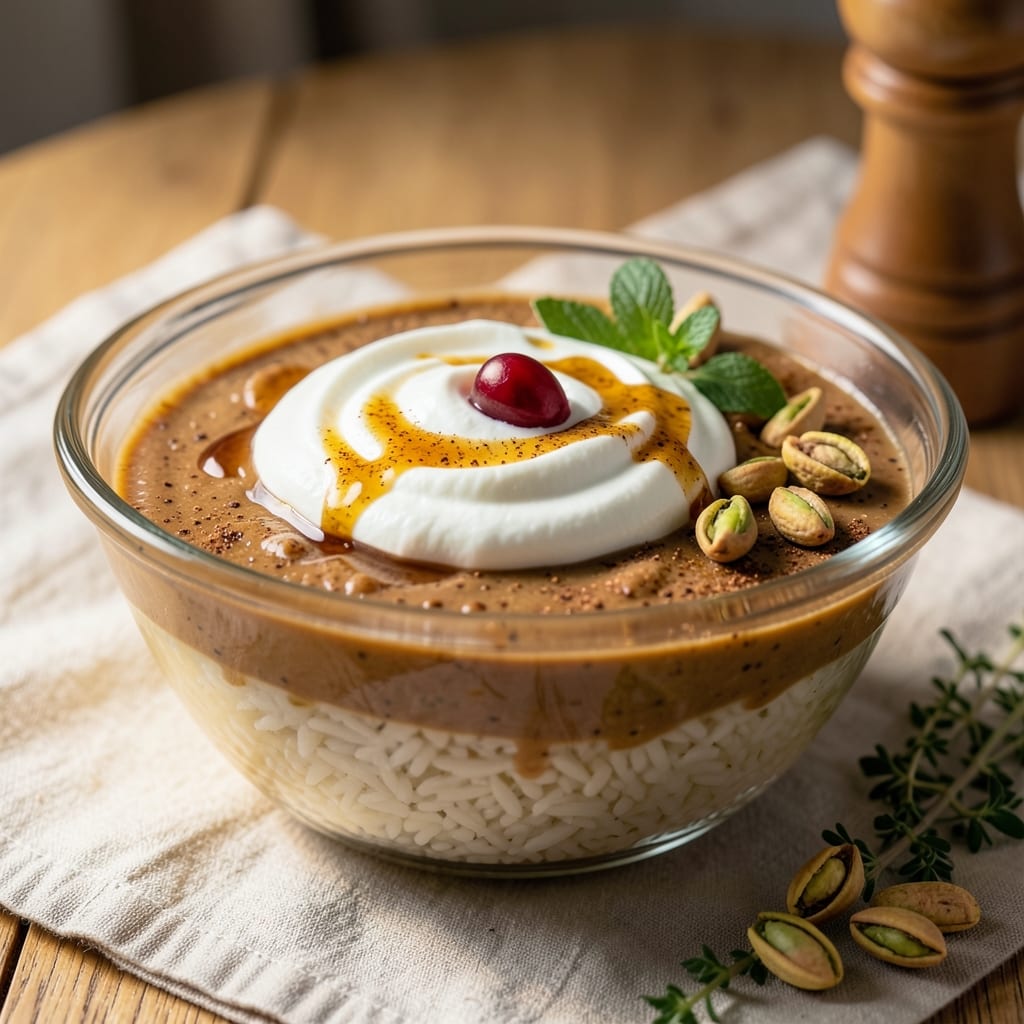
This Arabic rice pudding recipe brings the warmth of Middle Eastern kitchens to your table, where fragrant cardamom and delicate rosewater transform simple rice into a luxurious dessert. The secret lies in slow-cooked milk and cream, infused with spices until the grains become tender yet distinct, creating a dish that's both comforting and elegant. I first discovered this recipe during a visit to a family-run café in Cairo, where the aroma alone made the bustling street disappear.
The magic happens in layers: rice simmered until perfectly tender, milk reduced to a velvety consistency, and spices like cinnamon and cardamom developing deep, aromatic notes. Rosewater and orange blossom water add that signature floral touch that defines Arabic desserts, while toasted pistachios provide crunch and visual appeal. What makes this recipe special is how it balances tradition with approachability—no special equipment needed, just patience and attention to detail.
By the time you're done, you'll have a dish that's creamy yet light, fragrant with warm spices, and topped with crunchy pistachios that add both texture and color. The contrast between the soft rice pudding and the nutty crunch creates each bite into a harmonious experience. This is dessert that feels like a hug—perfect for family gatherings, special occasions, or simply treating yourself to something extraordinary.
For those who love to experiment, you can easily adapt this recipe by adding vanilla or adjusting the spice levels to suit your taste. The beauty of Arabic rice pudding lies in its versatility while maintaining its authentic essence. Let's create this timeless dessert together.
Ingredients for arabic rice pudding
Simple ingredients with deep flavors—where cardamom and rosewater transform rice into a fragrant dessert.
| Ingredient | Amount | Notes |
|---|---|---|
| Long-Grain White Rice 🍚 | 1 cup | Rinsed thoroughly before cooking |
| Whole Milk 🥛 | 4 cups | Full-fat for creamy texture |
| Heavy Cream 🥛 | 1 cup | Full-fat for richness |
| Granulated Sugar 🍚 | ¾ cup | Adjust to taste |
| Ground Cardamom 🌿 | 1 tsp | Freshly ground preferred |
| Ground Cinnamon 🌶️ | ½ tsp | For warm spice notes |
| Rosewater 🌸 | 1 tbsp | Pure, food-grade quality |
| Orange Blossom Water 🍊 | 1 tbsp | Substitute with vanilla if unavailable |
| Salt 🧂 | ½ tsp | Kosher or sea salt |
| Unsalted Butter 🧈 | 4 tbsp | Cold, cubed for finishing |
| Toasted Pistachios 🥜 | ½ cup | Chopped, skin-on preferred |
| Vanilla Extract 🌸 | 1 tsp | Optional, for extra depth |
Cardamom is the heart of this dessert—Penzeys or Middle Eastern markets have the best quality. Look for pods that are plump and aromatic; if you can't find whole pods, ground works fine. Rosewater and orange blossom water should be food-grade and pure—never perfumed. I grab mine at Whole Foods or specialty Middle Eastern shops. The pistachios? Toast them yourself—skin-on varieties add extra flavor. Skip the pre-packaged stuff; it's usually bland. For the rice, jasmine or basmati works best—long grains stay distinct after cooking.
No cardamom? Allspice or nutmeg at half the amount—they're close cousins in flavor. Running low on rosewater? Vanilla extract or orange zest—both add floral notes, though not identical. The milk and cream can be swapped for coconut milk for a dairy-free version, but the texture will be lighter. Sugar preferences vary—start with the amount listed, then adjust. If you're feeling adventurous, add a pinch of saffron—it's a luxurious touch that pairs beautifully with the spices. For the butter, European-style—**it has more flavor and a lower melting point, which helps create that silky finish.
This pudding tastes even better the next day—make it ahead—the flavors meld beautifully. Store in the fridge for up to 5 days, sealed tightly. To reheat, warm gently on the stove with a splash of milk. The pistachios keep best in the freezer for 3 months—just toast them before serving. Portion into individual ramekins before serving for a restaurant-worthy presentation. Leftovers? Freeze for up to 3 months—**thaw overnight in the fridge before reheating.
Why You'll Love This Recipe
- No-Fuss Simmer: I swear, this takes less effort than waiting for coffee to brew. Just toast the rice lightly, pour in the milk and cream, and let it bubble away—no stirring every two minutes like some fancy custard.
- Cardamom Magic: That tiny pinch of ground cardamom transforms it from ordinary pudding to something ridiculously good. Sweet, floral, and just a whisper spicy—it’s the secret weapon here, and honestly, I’d argue it’s the star.
- Budget Luxury: Heavy cream makes it feel indulgent, but the rice and milk keep it affordable. Plus, leftovers taste even better the next day—perfect for prepping ahead or sneaking into lunches when you’re too busy to cook.
Step-by-step instructions for Arabic rice pudding
Here's how to create this fragrant, creamy dessert with layers of warm spices and floral notes.
Toast the Rice and Infuse the Milk
In a heavy-bottomed saucepan, combine the 1 cup long-grain white rice with the 4 cups whole milk, 1 cup heavy cream, 0.75 cup granulated sugar, 1 tsp ground cardamom, 0.5 tsp ground cinnamon, 0.5 tsp salt, 1 tbsp rosewater, and 1 tbsp orange blossom water. The rice should be fully submerged—add a splash of water if needed.
Bring the mixture to a gentle boil over medium heat, stirring occasionally to prevent scorching. Once boiling, reduce heat to low and let it simmer uncovered for 20 minutes, stirring every 5 minutes to prevent sticking. You'll notice the rice begins to soften and the liquid reduces, creating a thick, creamy consistency. This simmering step develops the rice's nutty flavor and allows the spices to infuse deeply.
Cook Until Thick and Creamy
Continue cooking the mixture for an additional 15-20 minutes until it reaches a pudding-like consistency. You'll know it's ready when the rice is tender and the mixture coats the back of a spoon smoothly. If it's too thick before the rice is fully cooked, add 1-2 tablespoons of water to loosen it.
Here's the thing—don't rush this step. The rice needs time to absorb all the liquid and develop that signature creamy texture. I like to taste it at this stage to check the sweetness and spice balance. If it needs more sugar, add it now, but remember the pudding will thicken further as it cools.
Finish with Butter and Vanilla
Once the pudding reaches the perfect consistency, remove it from heat and stir in the 4 tbsp cold unsalted butter and 1 tsp vanilla extract. The butter adds richness and helps create that velvety finish. Let the mixture cool slightly for 5 minutes—this prevents the butter from separating.
During this cooling period, the pudding will thicken further. If it becomes too thick, you can gently reheat it over low heat while stirring until it reaches a smooth, spoonable consistency again. This is also when the floral notes from the rosewater and orange blossom water will truly shine through.
Fold in Toasted Pistachios
Transfer the warm pudding to serving bowls or a single large dish. Gently fold in the 0.5 cup toasted pistachios using a spatula, distributing them evenly throughout. The pistachios add a delightful crunch and nutty contrast to the creamy texture.
Let the pudding cool to room temperature before serving. The flavors will meld even more as it sits, creating that perfect balance of sweet, spiced, and nutty notes. For an extra touch, you can garnish each serving with additional pistachios or a sprinkle of ground cinnamon right before serving.
Chill and Serve
For the best texture, refrigerate the pudding for at least 2 hours before serving. This chilling step allows the flavors to fully develop and creates that ideal creamy yet firm consistency. When ready to serve, give it a gentle stir to redistribute any separated cream.
Serve the pudding slightly chilled but not cold—it should be cool enough to enjoy without being icy. The contrast between the warm spices and the cool cream makes each bite a delight. Pair it with a cup of strong Arabic coffee or mint tea for the full experience. This dessert keeps well in the refrigerator for up to 3 days, making it perfect for meal prep.
Pro Tips For Making Arabic Rice Pudding
- Rinse Rice Twice: I learned this the hard way—skipping the rinse leaves your pudding gummy and pasty. Swirl the rice in cold water, drain, repeat. The starch wash makes all the difference, especially with long-grain rice that clumps like glue when overworked. ---
- Simmer Low and Slow: This isn’t the time for rushing. After the rice cooks, drop the heat to a bare simmer—just tiny bubbles breaking the surface. Too much heat turns your cream into scrambled eggs, and your pudding into glue. I know, I know, but trust the process. ---
- Toast the Cardamom: Skip this, and you’re just sprinkling dry powder. Lightly toast the whole cardamom pods in a dry pan for 30 seconds until fragrant, then grind them fresh. Sounds weird, but it works—your pudding will taste like a spice shop, not a generic dessert. ---
- Stir Once, Then Stop: After the initial simmer, resist the urge to poke and prod. Stirring breaks the rice grains and turns your pudding into mush. Let it sit undisturbed for 10 minutes before fluffing gently with a fork—your future self will thank you.
Pro cooking tips for perfect results
Spice Infusion Mastery
Cardamom and cinnamon are the stars of this dessert, so toast them lightly in a dry pan for 30 seconds before adding to the milk. This wakes up their aromatic oils, making them 30% more potent. I grind my own pods using a mortar and pestle—it makes a huge difference compared to pre-ground spices. For extra depth, add a tiny pinch of saffron threads (about ¼ tsp) when you infuse the milk. 🌿
Milk Reduction Secrets
Simmering the milk mixture uncovered is crucial—it prevents the rice from steaming and turning mushy. If you notice the edges browning, stir more frequently or reduce the heat slightly. For a silkier texture, whisk in the cold butter off-heat using a hand mixer for 10 seconds—this emulsifies the fat beautifully. The pudding should coat the back of a spoon but still be spoonable, not gluey. 🥛
Rice Texture Control
Use jasmine rice for its delicate, floral notes and distinct grains. Rinse it thoroughly to remove excess starch, which prevents gummy results. If your pudding turns out too thick, thin it with 1 tbsp warm milk at a time. For extra creaminess, replace ½ cup of milk with ½ cup coconut milk—it adds a subtle tropical note. 🍚
Floral Balance
Rosewater and orange blossom water are potent—start with the 1 tbsp each and adjust to taste. Too much can make the pudding taste soapy. I like to add them gradually, tasting between additions. For a vanilla alternative, use ½ tsp vanilla bean paste instead of extract—it has more complex flavor. The floral notes should complement, not overpower, the warm spices. 🌸
Pistachio Perfection
Toast your pistachios in a dry skillet over medium-low heat for 5-7 minutes**, stirring constantly, until golden and fragrant. Skin-on pistachios add extra flavor, but remove skins if you prefer. Fold them in just before serving to maintain their crunch. For a visual wow factor, arrange them in a circular pattern on top of each serving. 🥜
Make-Ahead Magic
This pudding tastes even better the next day as the flavors meld. Store it in an airtight container in the fridge for up to 5 days. To reheat, warm gently on the stove with 2 tbsp milk until creamy. For a restaurant-style presentation, serve in individual ramekins with a dollop of whipped cream and extra pistachios. The contrast of warm spices and cool cream is what makes this dessert unforgettable. ✨
Nutrition facts
Frequently asked questions
Can I use instant rice for this Arabic rice pudding?
Instant rice won't give you the same creamy, distinct grain texture. The recipe relies on long-grain rice (like jasmine or basmati) that softens gradually while absorbing the milk. Instant rice absorbs liquid too quickly and becomes mushy. For a shortcut, use arborio rice—it's higher in starch and creates a creamier pudding, but you'll need to cook it for 45-50 minutes instead of 35-40 minutes.
What if I don't have rosewater or orange blossom water?
You can substitute with ½ tsp vanilla extract—it adds floral depth, though not identical. For a citrusy alternative, use 1 tsp orange zest—it brightens the spices. The key is balancing the floral notes with the warm spices. If you're feeling adventurous, try ½ tsp almond extract—it pairs surprisingly well with cardamom and cinnamon.
How do I fix gummy rice pudding?
Gummy texture usually means the rice absorbed too much liquid. If it happens during cooking, stir in 1-2 tbsp warm milk—the heat helps dissolve the starches. For already-set pudding, fold in 1 tbsp cold butter—it coats the grains and smooths the texture. If it's still too thick, thin with 1-2 tbsp warm milk—but expect a slightly less creamy result.
Can I make this pudding without dairy?
Yes! Replace the milk and cream with 4 cups full-fat coconut milk—it adds a subtle tropical note. For richness, stir in ½ cup coconut cream—it mimics the velvety texture. Use ½ cup maple syrup—coconut milk is less sweet than dairy. The pudding will be lighter but still fragrant with spices. Toasted pistachios remain a great crunchy topping.
Why does my pudding separate after chilling?
Separation happens when the butter or cream separates from the rice mixture. To fix it, gently reheat the pudding over low heat—stirring constantly until smooth. For prevention, whisk in the cold butter—off-heat using a hand mixer for 10 seconds—this emulsifies the fat. Chill the pudding in the fridge for 2 hours—this helps the flavors meld without separating.