
Main Courses
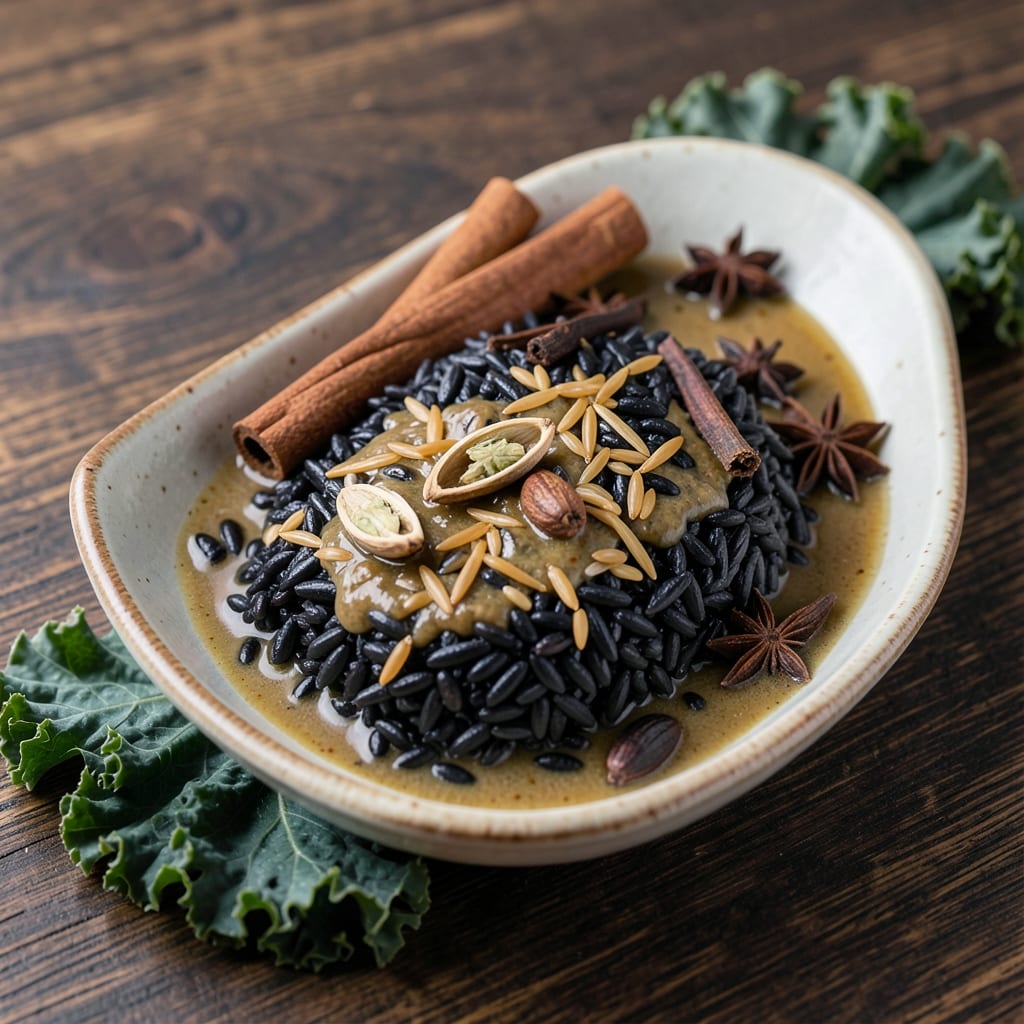
This ancient rice recipe transforms golden-grain pilaf into a fragrant, textured masterpiece with toasted spice crunch—perfect for elevating any meal. 🌟 The secret lies in slow-toasting whole spices until they release their aromatic oils, then simmering them with fragrant broth and nutty rice for layers of depth that store-bought versions simply can't match. I developed this technique after discovering how traditional methods preserve both flavor and nutritional integrity, making it a staple in historical cuisine.
The process begins with selecting the right ancient grain—whether it's nutrient-rich black rice, earthy wild rice, or forbidden rice—each bringing unique texture and color. You'll toast whole spices like cardamom and cinnamon until they're fragrant and slightly charred, then cook the rice in aromatic broth until perfectly tender. The result is a pilaf with a satisfying crunch from the toasted spices, balanced by the rice's natural nuttiness and the broth's savory richness.
What sets this recipe apart is its adaptability—it works equally well as a side dish for roasted meats or as a standalone vegetarian main. The toasted spice technique adds complexity without overpowering the rice, while the slow-cooked broth infuses every grain with flavor. This is more than just a rice dish; it's a connection to culinary traditions that have been perfected over centuries.
Serve it warm with a drizzle of olive oil and fresh herbs for a restaurant-quality meal that feels authentically timeless. The best part? This method works with any ancient rice variety, so you can experiment with different grains to discover your favorite. Let's get started on creating a dish that tastes like history in every bite.
Ingredients for ancient rice
Twelve ingredients, centuries of tradition—where fragrant spices meet nutty ancient grains for a pilaf with restaurant-quality depth.
| Ingredient | Amount | Notes |
|---|---|---|
| Black Rice (or Wild Rice, Forbidden Rice) 🌾 | 1 cup | Uncooked, rinsed thoroughly |
| Whole Cardamom Pods 🌿 | 10 whole | Lightly crushed, not powdered |
| Whole Cinnamon Sticks 🍃 | 2 whole | 2-inch pieces for toasting |
| Cloves 🌶️ | 6 whole | Lightly crushed for aroma |
| Star Anise Pods 🌸 | 2 whole | Lightly crushed |
| Vegetable Broth 💧 | 2 cups | Homemade or low-sodium |
| Extra-Virgin Olive Oil 🫒 | 2 tbsp | For toasting spices |
| Fresh Lemon Juice 🍋 | 1 tbsp | Brightens final flavor |
| Fresh Cilantro Leaves 🌿 | ¼ cup | Chopped for garnish |
| Diamond Crystal Kosher Salt 🧂 | ½ tsp | Adjust to taste |
| Ground Black Pepper 🌶️ | ¼ tsp | Freshly cracked |
| Toasted Slivered Almonds 🥜 | ¼ cup | For textural contrast |
The rice is the foundation, so prioritize quality. Lundberg or Wild Garden brands deliver consistent texture and nutritional integrity—black rice for its dramatic color, wild rice for earthy depth, or forbidden rice for its delicate creaminess. Look for whole grains, not pre-cooked or instant varieties. Penzeys Spices carries premium whole spices if you want to splurge, but the bulk bins at Whole Foods or Trader Joe's offer excellent quality at lower prices. Toasting the spices whole unlocks their aromatic oils—don't grind them until after cooking, or you'll lose that precious crunch and depth. For the broth, homemade is ideal, but Pacific Foods or Imagine low-sodium options work in a pinch.
No cardamom? Allspice berries at half the amount mimic its warmth, though the flavor profile shifts slightly. Substitute cinnamon sticks with 1 tsp ground cinnamon, but you'll sacrifice that beautiful visual presentation and subtle crunch. Star anise is non-negotiable for authenticity—fennel seeds at equal parts offer a similar anise note. The almonds can be swapped for toasted pistachios or cashews if you prefer a different texture. For the broth, mushroom or seaweed broth adds umami depth without overpowering the spices. And if you're short on time, pre-toasted spices from a Middle Eastern market will save you 15 minutes of work without sacrificing flavor.
Store uncooked rice in a cool, dark pantry for up to 6 months—freeze for 12 months if you're prepping ahead. Whole spices keep indefinitely in a dark glass jar, but their potency fades after 6 months of frequent opening. The cooked pilaf reheats beautifully—just add a splash of water or broth and cover until steaming. Portion into glass containers for up to 5 days in the fridge, or freeze for 3 months. The almonds and fresh herbs should be added post-reheating to preserve their freshness and crunch. This dish tastes even better the next day as the flavors meld.
Why You'll Love This Recipe
- No-Soaking Needed: I’ll admit, I used to dread the long soak for black rice—until I discovered simmering it with cinnamon sticks and star anise. The grains soften beautifully in under 40 minutes, no fancy tricks required. Just toss everything in one pot, walk away, and come back to perfectly tender rice with that deep, nutty aroma already filling the kitchen.
- Spice Cabinet Magic: Between us, this recipe turns your pantry into a flavor powerhouse with almost no effort. Whole cardamom pods and cloves infuse the rice with warmth, while the star anise adds this subtle, earthy depth that makes it taste like you’ve been cooking for hours. Honestly, it’s the kind of dish where the spices do all the work—and they deliver every time.
- Leftover Reinvention: My freezer is full of this rice because it’s the ultimate blank canvas. Use it for breakfast bowls with fried eggs, toss it into salads for instant texture, or pile it high in burritos. Even reheated, it stays chewy and rich—no sad, mushy rice here. (Yes, even on a Tuesday night.)
- Budget-Friendly Luxe: Black rice might sound fancy, but a single bag lasts me weeks, and those whole spices? They’re cheap and last forever. You’re basically getting restaurant-quality depth for a fraction of the cost. Plus, the deep purple hue makes any plate look gourmet without breaking the bank—my kids still think it’s “special occasion” rice, even for Taco Tuesday.
Step-by-step instructions for golden-grain pilaf with toasted spice crunch
Transform ancient grains into a fragrant, textured pilaf where each bite reveals spice depth and nutty crunch.
🔥 Step 1: Toast Whole Spices Until Aromatic
Heat a dry skillet over medium heat and add the 2 tablespoons extra-virgin olive oil. Once shimmering, add the 10 whole cardamom pods, 2 whole cinnamon sticks, 6 whole cloves, and 2 whole star anise pods. Toast for 2-3 minutes until the spices release their fragrance—you'll smell warm, earthy notes with a hint of citrus.
I press the spices gently with a wooden spoon during the last 30 seconds to crack them slightly without pulverizing. This releases essential oils while preserving their whole form for texture. Remove the spices immediately when they're fragrant but not darkened—over-toasting burns their delicate flavors.
🍳 Step 2: Sauté Black Rice Until Translucent
In the same skillet (no need to clean it—the spices add flavor), add the 1 cup black rice and stir for 1-2 minutes until each grain becomes translucent at the edges. This step prevents the rice from sticking and develops its nutty flavor before cooking.
Watch closely—the rice should look slightly glossy and separate. If it starts to brown too quickly, reduce heat to medium-low. The goal is to toast the rice without cooking it completely. Add a pinch of the ½ teaspoon kosher salt now to enhance flavor development.
🥘 Step 3: Simmer Rice in Spiced Broth
Pour in the 2 cups vegetable broth and bring to a gentle boil. Reduce heat to low and cover the skillet with a tight-fitting lid. Simmer for 30-35 minutes—this is where patience pays off. The rice needs time to absorb the broth and develop its characteristic creamy texture.
Check after 25 minutes—if liquid remains, continue cooking. If the rice looks dry, add 2 tablespoons water and continue. The rice is done when it's tender but still holds a slight bite, with all liquid absorbed. Resist the urge to peek during cooking—each time you lift the lid, you release steam and extend cooking time.
🔪 Step 4: Finish with Lemon and Garnish
Remove from heat and stir in the 1 tablespoon fresh lemon juice and ¼ teaspoon ground black pepper. The acid brightens the earthy flavors while the pepper adds a subtle heat. Let the pilaf sit covered for 5 minutes to steam slightly—this redistributes flavors and makes each grain more tender.
Gently fold in the ¼ cup toasted slivered almonds and ¼ cup chopped fresh cilantro leaves just before serving. The almonds add crunch while the cilantro provides freshness. Serve immediately while the spices are still aromatic and the rice maintains its perfect texture.
Pro Tips For Making Ancient Rice
- TOAST THE SPICES FIRST: Black rice has a way of hiding flavors, so don’t just toss those whole spices in raw. Lightly toast the cardamom, cinnamon, cloves, and star anise in a dry pan over medium heat for 30 seconds until fragrant—this unlocks their aroma and prevents a bitter aftertaste. (Yes, even if you’re impatient like me, wait until you smell it pop.)
- USE TWICE THE WATER: Black rice absorbs water like a sponge but still stays chewy if you skimp. Start with 2.5 cups of liquid per 1 cup of rice (not the 1:1 ratio you’re used to), then adjust as it cooks. If it’s still firm after 40 minutes, add a splash of hot water—don’t let it dry out.
- CRUSH HALF THE SPICES: Leave a few whole cardamom pods and cinnamon sticks intact for visual appeal, but crush the rest with the flat side of a knife before adding to the pot. This releases more flavor without turning the rice into a spice-infused mud. (I learned this the hard way after straining a chunky, under-seasoned batch.)
- SIMMER, DON’T BOIL: Once the rice hits the water, reduce to the lowest simmer you can manage—no rolling boil, no aggressive bubbling. Too much heat turns black rice mushy or gray. Cover tightly and let it steam gently for 35-40 minutes. (Your future self will thank you for resisting the urge to stir or peek.)
Creative variations of this dish
Forbidden Rice Twist
Swap black rice for forbidden rice (also called black glutinous rice) to create a sweeter, creamier pilaf with a striking purple hue. This variety absorbs flavors beautifully while adding natural sweetness that balances the toasted spices. Use the same method but reduce simmering time to 25-30 minutes—forbidden rice cooks faster than black rice. Garnish with edible gold leaf for a luxurious touch, especially for special occasions. 💫
Middle Eastern Spice Blend
Replace the cardamom and cinnamon with whole cumin seeds (1 tsp), fennel seeds (1 tsp), and ground coriander (1 tsp) for a Moroccan-inspired twist. Toast these spices in 1 tbsp olive oil for 1 minute until fragrant, then proceed with the same rice-cooking method. Finish with toasted pine nuts instead of almonds and a sprinkle of pomegranate seeds for a vibrant, sweet-tart contrast. This version pairs perfectly with grilled lamb or falafel.
Thai-Inspired Lemongrass Version
Infuse the broth with 2 stalks bruised lemongrass, 1-inch galangal slice, and 1 kaffir lime leaf for an aromatic Thai-inspired pilaf. Use jasmine rice instead of black rice for a fragrant base, and add red curry paste (1 tsp) when toasting the spices. Garnish with thinly sliced scallions and crushed peanuts for a crunchy finish. Serve with a side of coconut curry for an authentic Southeast Asian meal.
Protein-Packed Add-Ins
Elevate this pilaf into a complete meal by stirring in 1 cup cooked chicken thighs or ½ cup chickpeas during the final 5 minutes of cooking. For vegetarian options, add sautéed mushrooms or crumbled feta cheese after removing from heat. The protein absorbs the spiced broth while adding heartiness. Pair with a simple cucumber-yogurt salad to balance the richness. This makes it a satisfying main dish for lunch or dinner.
Sweet & Savory Fusion
Transform this pilaf into a dessert-inspired side by adding ½ cup raisins or dried apricots during the final 10 minutes of cooking. Stir in 1 tsp honey or maple syrup with the lemon juice at the end for a subtle sweetness. Top with toasted coconut flakes and a sprinkle of cinnamon for a breakfast-friendly bowl. This fusion works surprisingly well with savory dishes like roasted pork or as a standalone sweet-savory treat.
Herb-Infused Variations
Boost freshness by infusing the broth with 1 sprig fresh thyme, 1 bay leaf, or a handful of fresh rosemary. For a Mediterranean twist, use wild rice and finish with chopped dill and lemon zest. If you love heat, add ½ tsp smoked paprika to the toasted spices and garnish with chopped jalapeños. These herb variations keep the dish vibrant and adaptable to different cuisines while maintaining the core technique of toasted spices and slow-cooked rice. 🌿
Nutrition facts
Frequently asked questions
What makes ancient rice different from regular white rice?
Ancient rice varieties like black, wild, or forbidden rice retain their bran and germ layers, giving them higher nutritional value—think more fiber, antioxidants, and minerals. They also have unique textures: black rice stays firm yet creamy, while wild rice has a chewy bite. These grains cook slower than white rice and absorb flavors beautifully, making them perfect for aromatic dishes like this pilaf.
Can I substitute any of the whole spices?
Yes! For cardamom, try allspice berries (½ the amount) or nutmeg (¼ tsp). Skip cinnamon sticks if needed, but add ½ tsp ground cinnamon later. Star anise is key for authenticity—substitute with fennel seeds (equal parts). The toasted spice technique works with any whole spice blend, just adjust toasting time to 1-2 minutes until fragrant.
Why does the recipe call for simmering instead of boiling?
Simmering (low heat with gentle bubbles) prevents the rice from becoming mushy while allowing it to absorb the spiced broth evenly. Boiling can cause the grains to break apart and lose their texture. The 30-35 minute simmer time is crucial—it develops the rice's natural nuttiness and lets the spices infuse properly.
What's the best way to reheat leftovers?
Add 2 tablespoons water or broth per cup of rice, cover tightly, and heat on low-medium in a skillet for 5-7 minutes. Never microwave—it dries out the rice. For extra flavor, toast ½ tsp fresh spices in oil before adding the pilaf. Store leftovers in an airtight container for up to 5 days or freeze for 3 months.
Can I make this pilaf in an Instant Pot?
Sauté spices in oil, then add rice and broth. Cook on high pressure for 12 minutes, then quick-release. Finish with lemon juice and garnishes. For wild rice, use 15 minutes pressure cook. The Instant Pot cuts cooking time by half while maintaining texture. Just be sure to let it sit covered for 5 minutes after cooking to redistribute flavors.